Grief: When to Seek Grief Counseling

Grief: When to Seek Grief Counseling

By: Julissa Acebo


The five stages of grief (denial, anger, bargaining, depression, and acceptance) are normal. When grief becomes unbearable, therapy can help ease the pain and help you progress.


10 signs that indicate you should seek grief counseling:

  1. You’re having suicidal thoughts and/or persistent feelings of depression.
  2. You’re experiencing ongoing symptoms of distress, such as crying, insomnia, loss of appetite, increased irritability, anger, and panic attacks.
  3. Struggling to complete everyday tasks, including basic self-care.
  4. You frequent familiar places, hoping to see your departed loved one there, or avoid locations and situations that may remind you of your loss.
  5. You’re abusing substances like alcohol or drugs, or engaging in addictive behaviors, like gambling.
  6. You’re withdrawn and avoiding social interaction.
  7. You have no support system.
  8. You’re feeling bereavement guilt, possibly blaming yourself for your loved one’s death or grappling with regret about your relationship with the deceased.
  9. You’ve “moved on” a little too well.
  10. Grief interferes with your work.

How grief counseling can help:

  • Allows you to express your emotions
  • Help you address any feelings of guilt you may harbor
  • Help you come to terms with your new reality
  • Help you deal with your trauma

If you or someone you know is experiencing Unbearable Grief please contact our psychotherapy offices in New York or New Jersey to talk to one of our licensed professional psychologists, psychiatrists, psychiatric nurse practitioners, or psychotherapists at Arista Counseling & Psychotherapy. Contact our Paramus, NJ or Manhattan, NY offices respectively at (201) 368-3700 or (212) 722-1920 to set up an appointment. For more information, please visit https://www.counselingpsychotherapynjny.com

Sources:
https://www.psycom.net/stages-of-grief

https://www.gwic.com/Education-Center/Grief-Support/13-signs-you-should-seek-grief-counseling

Eating Disorders: How To Catch Them in Your Loved Ones

Eating Disorders: How To Catch Them in Your Loved Ones

By Emily Ferrer

Eating disorders are characterized by severe and persistent troubles related to eating behaviors, food, and weight[1]. There are many different types of eating disorders; however, the most common are anorexia nervosa, bulimia nervosa, and binge eating disorder. Nine percent of the entire population suffers from an eating disorder and 10,200 deaths are recorded each year due to an eating disorder[2]. After reading about how common they are, I am sure you are wondering, “How do I know if I or someone I know has an eating disorder?” There are many signs and symptoms associated with eating disorders[3]:

Anorexia Nervosa:

  • Extreme weight loss
  • Muscle weakness
  • Bone weakness
  • Amenorrhea
  • Brittle hair/nails
  • Always feeling cold
  • Obsession with food
  • Depression

Bulimia Nervosa:

  • Frequent trips to the bathroom after a meal
  • Chronic sore throat
  • Dental decay
  • Laxative/diuretic misuse
  • Large amounts of food disappearing
  • Fainting from excessive purging

Binge-Eating Disorder:

  • Weight gain
  • Eating very rapidly
  • Eating until very full
  • Eating even when not hungry
  • Hiding large amounts of food
  • Eating alone on purpose
  • Feeling guilty after eating large amounts of food

Eating disorders can be extremely serious if not treated. It is important to stay informed about the signs and symptoms of different eating disorders so you can find help for you or someone you know as soon as possible. Other general signs of eating disorders to look out for are a sudden obsession with food (cooking it, eating it, watching cooking shows/videos), social withdrawal, drastic changes in mood, new attitudes towards food, new dieting habits, self-harm, excessive exercise, obsession with calorie and step count, repeatedly weighing themselves, and body dysmorphia[4]

If you or someone you know is struggling with an eating disorder, please contact our psychotherapy offices in New York or New Jersey to talk to one of our licensed professional psychologists, psychiatrists, psychiatric nurse practitioners, or psychotherapists at Arista Counseling & Psychotherapy. Contact our Paramus, NJ or Manhattan, NY offices respectively, at (201) 368-3700 or (212) 722-1920 to set up an appointment. For more information, please visit http://www.counselingpsychotherapynjny.com


Sources:

[1] https://psychiatry.org/patients-families/eating-disorders/what-are-eating-disorders

[2] https://anad.org/eating-disorders-statistics/

[3] https://psychiatry.org/patients-families/eating-disorders/what-are-eating-disorders

[4] https://www.lifeworkscommunity.com/eating-disorders-treatment/how-to-recognise-the-early-signs-of-an-eating-disorder

Body Dysmorphia: How TikTok Impacts Self Image

Body Dysmorphia: How TikTok Impacts Self Image

By Erika Ortiz

            A new social media app called TikTok emerged and swept generations because of its easy use, likability, and relatability created by other users or creators. TikTok is used like a break from stressors in life since it can have a variety of entertaining and funny videos. The TikTok algorithm determines your perception and how you choose to “respond” to each video or comment you see and scroll past. TikTok has tons of videos, from cute cat videos to funny skits, serious world news, and even tips or “how to” for your everyday life. Since TikTok has gained massive popularity, it can be strikingly influential.  TikTok can also instill some negativity in your life.  Many videos go viral for the wrong reasons and are taken to a dangerous extremity. One type of TikTok video that always goes viral is known as, “What I eat in a day”. The creator documents all their meals throughout the day and some even calculate their calorie intake. Some creators claim it is to promote a “healthy lifestyle”, while others say it is solely because these types of videos happen to go viral and do well with their audience. Regardless, these kinds of videos seem to inflict the idea of having body dysmorphia or, ironically enough, an unhealthy eating style. Body dysmorphia or body dysmorphic disorder is a mental health condition in which people hyper-focus on their flaws and appearances to the point where they will never be “good enough” in their own eyes. Some of these videos show the over consumption of food, too few nutrients in each meal, or sometimes, too much food, and too much sugar and/or greasy foods. These videos have an alarming comment section. Users will comment something to the degree of, “Wow I eat too much”, or, “Maybe I should skip a meal or two.” As you scroll through these TikToks and come across a “What I eat in a day” or a video that promotes an unhealthy body image that makes you feel uncomfortable and/or negative about yourself, press report for “harmful activities”, then press the “not interested” option at the bottom right. Even if you do not necessarily feel that way, others still might, so it is best to do your part in preventing the spread or glorification of unhealthy lifestyles.

If you or someone you know is experiencing body dysmorphia and/or signs of an eating disorder, please contact our psychotherapy offices in New York or New Jersey to talk to one of our licensed professional psychologists, psychiatrists, psychiatric nurse practitioners, or psychotherapists at Arista Counseling & Psychotherapy. Contact our Paramus, NJ or Manhattan, NY offices respectively at (201) 368-3700 or (212) 722-1920 to set up an appointment. For more information, please visit https://www.counselingpsychotherapynjny.com

Intergenerational Trauma: What is it?

Intergenerational Trauma: What is it?

By Erika Ortiz

            Intergenerational trauma is a term used to describe the difficulties or challenges a family has experienced for generations. Intergenerational trauma can inflict negative feelings and experiences through either an individual or the family as a whole. It usually starts with one family member who has had a traumatic experience. The family members then goes on to either repeat the action that traumatized them or project their feelings onto family members, continuing the cycle of trauma. Historical trauma can catalyze intergenerational trauma. For example, a great-grandmother survived the Holocaust; however, she now behaves in a very reserved and cold manner, so she struggles to express emotions such as love and compassion. Since she raised her children in such a manner, they may grow and have children and display that same type of avoidant relationship. Another example can be that a mother was sexually abused when she was younger, her daughter was also sexually abused, and her granddaughter suffered from that experience. The individual who suffers the trauma can pass down and then project the feelings that were felt at the time of the incident. Since they most likely did not receive the proper care and treatment to manage the mental health issues that they were experiencing, they relayed that same traumatic feeling to the next generation of their family. Hence, it is critical to seek professional help. Here are some ways to cope/deal with inter-generational trauma:

  • Break the cycle- interrupt and prevent the repetition of trauma
  • Hear each other out- although this can be difficult, listening is key to fixing
  • Get the professionals involved- the best way to cope with any mental health issue or fragmented relationship is to get a qualified professional’s help


Source:

https://www.choosingtherapy.com/intergenerational-trauma/

If you or someone you know is experiencing intergenerational trauma or other traumas, please contact our psychotherapy offices in New York or New Jersey to talk to one of our licensed professional psychologists, psychiatrists, psychiatric nurse practitioners, or psychotherapists at Arista Counseling & Psychotherapy. Contact our Paramus, NJ or Manhattan, NY offices respectively at (201) 368-3700 or (212) 722-1920 to set up an appointment. For more information, please visit https://www.counselingpsychotherapynjny.com

Family Therapy: Reasons to Seek Treatment & What to Expect

Family Therapy: Reasons to Seek Treatment & What to Expect

By Jackie Molan

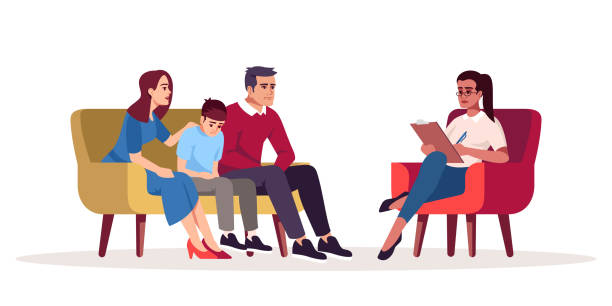
Family therapy is a form of psychotherapy aimed at improving communication and relationships within a family unit. The therapeutic environment offers a safe and confidential space for family members to express thoughts and feelings that they might otherwise be uncomfortable sharing. Family therapy is usually about 12 sessions in length, allowing the therapist to follow a method with a clear end goal that is understood by each family member. Even though this is a short-term type of therapy, it can teach skills and coping strategies that can be used to remedy family problems even after the course of treatment has ended.

Family therapy is typically sought out by families experiencing one or more of the following issues:

  • Parent/child conflict
  • Child behavioral problems
  • Financial stress
  • Grief
  • Anger issues
  • Communication difficulties
  • A family member’s substance abuse or mental illness (depression, anxiety, schizophrenia, etc.) is negatively impacting the rest of the family

It is important to know what to expect when starting family therapy. During the first session, the therapist will likely want to meet with the family as a group in order to gather information about the issue and see how family roles and dynamics operate. In the subsequent sessions, they may sometimes choose to meet with each family member individually to focus more on personal considerations. Overall, you can expect to gain the skills to:

  • Identify strengths and weaknesses within the family
  • Learn to effectively express emotions with family members
  • Analyze existing factors that may contribute to both present and future conflicts, such as family roles

Family stressors can turn into damaging problems if they are not addressed in a timely fashion. Family therapy provides the tools needed to restore a dysfunctional family to a more healthy, unified, and empathetic unit.

If you or someone you know is seeking family therapy, please contact our psychotherapy offices in New York or New Jersey to talk to one of our licensed professional psychologists, psychiatrists, psychiatric nurse practitioners, or psychotherapists at Arista Counseling & Psychotherapy. Contact our Paramus, NJ or Manhattan, NY offices respectively, at (201) 368-3700 or (212) 722-1920 to set up an appointment. For more information, please visit http://www.counselingpsychotherapynjny.com/

Sources:

https://www.mayoclinic.org/tests-procedures/family-therapy/about/pac-20385237

https://www.psychologytoday.com/us/therapy-types/marriage-and-family-therapy

https://www.123rf.com/clipart-vector/family_therapy.html

Anxiety in Young Adults During COVID-19

Anxiety in Young Adults During COVID-19

By Jackie Molan

Since the onset of the COVID-19 pandemic, rates of anxiety have sharply increased, especially in the young adult population (ages 18-24). Young adults are particularly susceptible to pandemic anxiety because they experienced enough “normal,” pre-COVID life to understand the current uncertainty of their own futures and the future state of the world.

Potential Anxiety Risk Factors

New studies have provided evidence that certain traits present in childhood and adolescence can lead to anxiety in young adulthood. One of these traits is behavioral inhibition, a childhood temperament characterized by nervousness and fear in response to new people and situations. Those who display behavioral inhibition during childhood are more likely to experience worry dysregulation – inadequate worry management skills – during adolescence. Worry dysregulation is a strong predictor of anxiety later in life, which can be brought on by a stressful life event. Therefore, the onset of the COVID-19 pandemic likely triggered anxiety in young adults who demonstrated this pattern of temperaments earlier in life.

Causes of Pandemic Anxiety

For young adults, the pandemic has interfered with their school, work, home, and social lives, leading to a significant upending of usual routines. Maintaining a daily routine often provides comfort, so it can be anxiety-inducing when this is lost due to external factors. Further, many people are experiencing “reentry anxiety” as more places reopen without mask mandates. It is difficult to navigate reentering society when there is lingering anxiety about future variants, vaccines, and mandates.

Steps to Improve Anxiety

The following are steps you can take to improve COVID-related anxiety:

  • Make time for stress reduction and self-care – This can be as simple as taking a walk or finding a few minutes during the day to meditate.
  • Follow a daily routine – Routines may be different than they were pre-COVID, but they can still be helpful.
  • Distinguish work/school life from home life – Even though you may be spending more time in your house than before, you can set boundaries to make work/school feel separate from home. Try designating certain times, or even rooms in the house, to leisure activities.
  • Seek help from a mental health professional.

Anxiety can feel like an uphill battle, but seeking help from a mental health professional can provide you with the resources you need to cope with post-COVID life.

If you or someone you know is seeking therapy for pandemic-related anxiety, please contact our psychotherapy offices in New York or New Jersey to talk to one of our licensed professional psychologists, psychiatrists, psychiatric nurse practitioners, or psychotherapists at Arista Counseling & Psychotherapy. Contact our Paramus, NJ or Manhattan, NY offices respectively, at (201) 368-3700 or (212) 722-1920 to set up an appointment. For more information, please visit http://www.counselingpsychotherapynjny.com/

Sources:

https://www.nimh.nih.gov/news/science-news/2021/study-identifies-risk-factors-for-elevated-anxiety-in-young-adults-during-covid-19-pandemic

https://psychcentral.com/coronavirus/coronavirus-overview

https://www.nytimes.com/2020/08/13/health/Covid-mental-health-anxiety.html

https://stayprepared.sg/mymentalhealth/articles/impact-of-covid-19-on-mental-health/

Obsessive-Compulsive Disorder: The Effects of OCD on Productivity

Obsessive-Compulsive Disorder: The Effects of OCD on Productivity

By Jackie Molan

Obsessive-compulsive disorder (OCD) is characterized by a cycle of obsessions and compulsions that interfere with the person’s daily life. Obsessions are unwanted thoughts and impulses that occur repeatedly and induce fear and/or anxiety in the person experiencing them. Compulsions are repetitive behaviors that occur in response to obsessions. They are typically intended to reduce the fear or anxiety brought on by obsessions, but this effect is short-lived, and thus the cycle continues.

Approximately 2% of the population suffers from OCD. Symptoms most often appear during adolescence or adulthood and are usually chronic. Therefore, if someone develops symptoms during adolescence, OCD is likely to cause them difficulties in numerous aspects of their lives as they age. A notable example of one of these aspects is productivity, which is relevant in both school and work environments.

Perfectionistic obsessions surrounding productivity and success are common in people with OCD. If an obsession causes anxiety about failing a task or assignment, the resultant compulsion might cause that person to spend hours checking and rechecking their work. This reduces productivity in the long run because it takes up valuable time and energy that could have been spent completing more tasks. Additionally, many compulsions involve some sort of movement, so it can be difficult for someone with OCD to sit at a desk for long periods of time. When OCD gets in the way of being productive, the person is likely to stress about their lack of productivity, which further exacerbates their OCD symptoms.

Although OCD has the potential to hinder productivity, there are steps you can take to improve it:

  • Go to therapy – The techniques employed in therapy can help you keep your OCD symptoms under control, allowing for increased productivity.
  • Manage stress – Finding ways to cope with stress will help prevent OCD symptoms from worsening.
  • Gain a better understanding of perfectionism – Learning about the pitfalls of perfectionism can allow you to set more realistic goals.
  • Practice self-care and compassion – Be kind to yourself even when you are feeling unproductive.

Living with OCD can certainly be challenging, but a more productive future is not impossible if you understand the nature of your problem and seek professional help with a psychologist or psychiatric nurse practitioner.

If you or someone you know is seeking therapy for obsessive-compulsive disorder, please contact our psychotherapy offices in New York or New Jersey to talk to one of our licensed professional psychologists, psychiatrists, psychiatric nurse practitioners, or psychotherapists at Arista Counseling & Psychotherapy. Contact our Paramus, NJ or Manhattan, NY offices respectively, at (201) 368-3700 or (212) 722-1920 to set up an appointment. For more information, please visit http://www.counselingpsychotherapynjny.com/

Sources:

https://psychcentral.com/ocd/ocd-and-productivity#How-OCD-can-affect-productivity

https://www.psychologytoday.com/us/basics/ocd

https://adaa.org/learn-from-us/from-the-experts/blog-posts/consumer/what-happened-my-child-understanding-and

Anxiety in Athletes

Anxiety in Athletes

By Fiona McDermut

            Anxiety disorders are quite common in recent times, and can interfere with completing simple daily tasks. One population in which anxiety disorders can be particularly concerning is student athletes. Student athletes experience a tremendous amount of pressure coming from multiple facets of life. This includes pressure to perform/compete well, pressure to attend athletic training daily, pressure to maintain a healthy/fit figure, and the pressure to keep up with academic assignments. Competition and a moderate level of stress have proven to be beneficial to performance in many circumstances, but the overwhelming stress that often results from being a student athlete can be debilitating and may impact success.

            Although athletes may be at an increased risk for anxiety disorders, they often find that their schedules are too busy to seek help. In order to perform physically to one’s fullest potential, mental health is just as important as physical health. Anxiety can cause both mental and physiological symptoms that can impact athletic performance.

These symptoms include:

  • Feeling powerless
  • Feeling weak or tired
  • Increased heart rate
  • Rapid breathing
  • Trembling

            While decreasing the level of competition and pressure for student athletes may be a lost cause, there are ways to help deal with the feelings of anxiety that accompany this. First and foremost, it is crucial to allow yourself to take a day off when the pressure becomes too overwhelming. Do something that makes you happy, or simply give your body and mind a day of relaxation. This is especially important if you are injured, or not feeling well mentally or physically.

            If feelings of anxiety persist, it can be helpful to seek therapy. Therapy sessions provide an outlet to share emotions, as well as a professional who can help to manage anxiety. Some of the main treatments for anxiety include Cognitive Behavioral Therapy, Psychotherapy, and medication (mainly SSRIs and antidepressants). A mental health professional will work with your personal needs to establish the most effective treatment plan.

If you or someone you know is struggling with anxiety, please contact our psychotherapy offices in New York or New Jersey to talk to one of our licensed professional psychologists, psychiatrists, psychiatric nurse practitioners, or psychotherapists at Arista Counseling & Psychotherapy. Contact our Paramus, NJ or Manhattan, NY offices respectively, at (201) 368-3700 or (212) 722-1920 to set up an appointment. For more information, please visit http://www.counselingpsychotherapynjny.com/

Sources:

https://www.ncaa.org/sports/2014/10/8/mind-body-and-sport-anxiety-disorders.aspx

Image Source:

https://www.cnbc.com/2021/09/13/heres-impact-of-ncaa-letting-college-athletes-profit-off-their-marketability.html

Managing Countertransference in Mental Health Professionals

Managing Countertransference in Mental Health Professionals

By Fiona McDermut

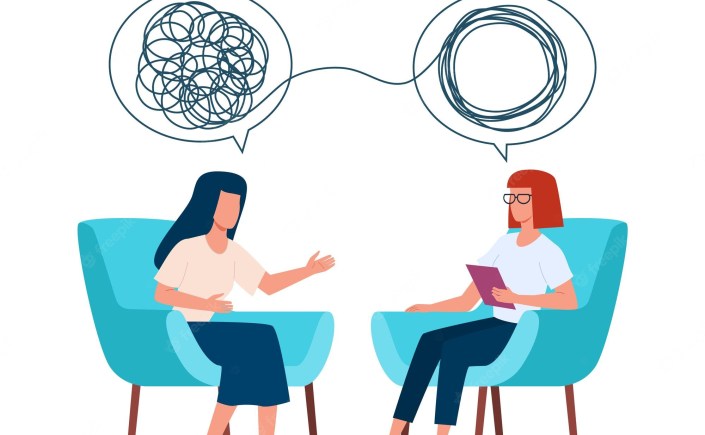
            Although mental health professionals are trained to treat a variety of disorders and psychological distress, we cannot discount their own psychological reactions. Therapists are human too, and they experience similar ups and downs to the people seeking their help. Additionally, many therapists feel a secondary wave of emotions when they can strongly identify with a client’s obstacles. For many people, it is difficult to react to others without involving personal emotions—it is no different for psychologists. In the world of mental health, this reaction based on personal mentality is known as countertransference.

            A therapist’s ability to work objectively with a client is dependent on the management of their own countertransference. Although therapists may develop strong emotional opinions about situations in their clients’ lives, it is important to always decide what is in the best interest of the clients.

Some examples of countertransference in practice include:

  • Disclosing too much personal information to a patient
  • Having unclear boundaries in the patient-doctor relationship
  • Being overly supportive or critical of the client
  • Any other actions in which the therapist allows their personal emotions to interfere with providing proper treatment

            Identifying with a patient’s strife is not necessarily a bad thing. It is important for mental health professionals to feel empathy, and to fully understand a client’s situation in order to develop a comforting therapeutic environment. However, this becomes unproductive when this empathy turns into extreme distress in the therapist and/or interferes with providing high quality care.

Luckily, there are two main ways in which mental health professionals regularly work on managing countertransference:

  • Participating in individual or group supervision or consultation with other therapists
  • Seeking therapy of their own which provides an outlet to discuss and handle personal emotional needs without projecting it onto the patient.

The role of the therapist is ultimately to help the patient, not create more stressors in the client’s life. If the therapist or patient feels that this cannot be done successfully, it may become necessary to terminate the relationship and pursue treatment with a new therapist.

If you or someone you know is experiencing countertransference, please contact our psychotherapy offices in New York or New Jersey to talk to one of our licensed professional psychologists, psychiatrists, psychiatric nurse practitioners, or psychotherapists at Arista Counseling & Psychotherapy. Contact our Paramus, NJ or Manhattan, NY offices respectively, at (201) 368-3700 or (212) 722-1920 to set up an appointment. For more information, please visit http://www.counselingpsychotherapynjny.com/

Source:

https://psychcentral.com/health/countertransference#overview

Image source:

https://www.freepik.com/premium-vector/psychotherapy-concept-psychologist-patient-with-tangled-untangled-mind-metaphor-doctor-solving-psychological-problems-couch-consultation-mental-health-treatment-flat-vector-illustration_19960102.htm

Why Men are less likely to Seek Mental Health Services

By Jenna Chiavelli

Why Men are less likely to Seek Mental Health Services

Recent research studies have found that men are less likely to seek mental health assistance compared to their female counterparts. Men are also less likely to disclose a mental health problem to friends and family. This isn’t because men are immune to mental illnesses but rather something larger is deterring men from reaching out for help. So what can psychologists attribute this to? The answer is toxic masculinity.

Toxic masculinity refers to harmful social norms about how men should behave that lead to misogyny, homophobia, violence, and mental health issues. In our society, we typically categorize women as the emotional figures and men as the strong and brave figures. Due to these social norms, people assume that men do not need mental health services as it is perceived as unnatural for men to discuss their emotions and feelings. Men themselves see seeking help as a sign of weakness, tarnishing their masculinity.

The media contributes to this societal problem as well, as a majority of mental health advertisements are targeted towards women and feature women. This further perpetuates the idea that mental health is a women’s issue, rather than a human issue. It is time we stop gendering mental health and remove the stigma surrounding men’s mental health.

Why it Matters

In 2020, men died by suicide 3.88x more than women. White males accounted for 69.68% of suicide deaths in 2020. It is abundantly clear that there are men struggling with mental health conditions, so much so, that they believe suicide is the only answer. If we continue to feed into toxic masculinity, men will continue to avoid help when they need it most. So what can we do about it?

Ways to Help

  1. Educate yourself and others – mental health problems are medical problems that can impact anybody regardless of gender.
  2. Talk openly about mental health – sharing personal experiences with mental health problems can make others more comfortable talking about their own experiences.
  3. Show compassion for those with mental health problems – showing compassion for those suffering can help reduce feelings of shame.  
  4. Check on the men in your life – Men are less likely to share their feelings compared to women, so work on having honest conversations with the men in your life. Let them know that you are there for them and stay alert of any concerning changes in behavior.

If you or someone you know is seeking therapy, please contact our psychotherapy offices in New York or New Jersey to talk to one of our licensed professional psychologists, psychiatrists, psychiatric nurse practitioners, or psychotherapists at Arista Counseling & Psychotherapy. Contact our Paramus, NJ or Manhattan, NY offices respectively, at (201) 368-3700 or (212) 722-1920 to set up an appointment. For more information, please visit http://www.counselingpsychotherapynjny.com/

Sources

https://afsp.org/suicide-statistics/

https://www.psychologytoday.com/us/blog/the-race-good-health/201902/mental-health-among-boys-and-men-when-is-masculinity-toxic

Image