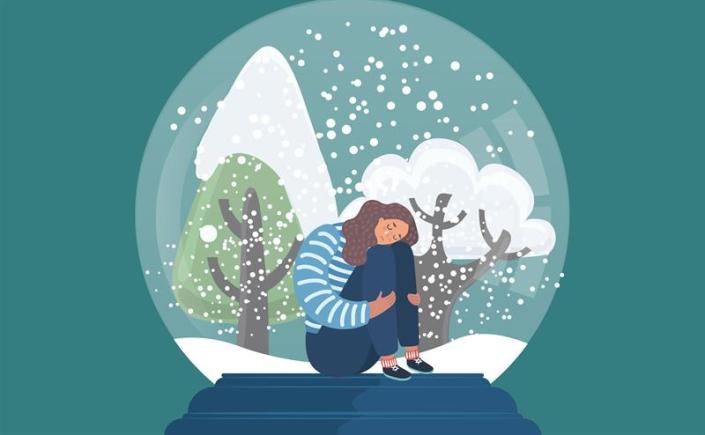
Anxiety: Going Back to School during a Pandemic

By Mizuki Wada

You know it’s time to get ready for school or work when you see the pumpkin displays and school supplies in stores. However, with the global pandemic going on this year there is far more tension and nervousness besides the first day jitters. From parents sending their kids, faculty going back to classrooms or students getting ready for in-person sessions, many of those could be feeling high pressure and anxiety. However, here are a few ways that could help you steer clear from overwhelming anxiousness.

  • Acknowledge– It is crucial to acknowledge your feelings and stress. Understanding the reason why you’re feeling a certain way is the key to finding a solution.
  • Attitude– Try to look at the big picture and find some positive factors of returning to school. Only looking at the negative aspects can cause the situation to be a lot scarier than it actually is.
  • Support– Find a support group! Whether it be your family or friends, having people that would listen to you talk is very beneficial. Try talking about how you’re feeling to those who understand you.
  • Knowledge– Educate yourself on the situation. People can tell you one thing, but are they really true? Limit your news intake and check whether these sources are trustworthy or not. There’s a difference between educating yourself and filling yourself with information.
  • Physical Health– Although it may sound irrelevant, mental health and physical health go hand in hand. Even if it’s a simple walk or a yoga session, moving your body physically can help alleviate stress. It’s important to keep a healthy body for a healthy mind.

If you or someone you know is struggling with Anxiety or any other mental illnesses, please contact our psychotherapy offices in New York or New Jersey to talk to one of our licensed professional psychologists, psychiatrists, psychiatric nurse practitioners, or psychotherapists at Arista Counseling & Psychotherapy. Contact our Paramus, NJ or Manhattan, NY offices respectively, at (201) 368-3700 or (212) 722-1920 to set up an appointment. For more information, please visit http://www.counselingpsychotherapynjny.com

Reference:

https://www.psychologytoday.com/us/blog/beyond-the-doubt/202003/respond-instead-react-managing-covid-19-anxiety

https://www.realsimple.com/health/mind-mood/stress/manage-back-to-school-stress-coronavirus

Anxiety, Depression, Eating Disorders, ADHD, Et al: How to Support a Friend with Mental Illness

By: Sarah Cohen

When helping a friend with a mental illness, the first step should be assessment of their symptoms. Sometimes they just might be going through a difficult time, but if certain common symptoms associated with mental health issues persist it is imperative to respond sensitively. Majority of the time, friends will just want to know they have your support and that you care about them. A good way to show your support is by talking to them. If you provide a non-judgmental space for them to speak about their issues it will help encourage them to be open with their problems. Let them lead the conversation and don’t pressure them to reveal information. It can be incredibly difficult and painful to speak about these issues and they might not be ready to share everything. If you aren’t their therapist do not diagnose them or make assumptions about how they are feeling, just listen and show you understand. If someone doesn’t want to speak with you, don’t take it personally, just continue to show them you care about their wellbeing and want to help as much as possible. Just knowing they have support can give them the strength they need to contact someone who can help them.

If a friend is having a crisis, such as a panic attack or suicidal thoughts, you must stay calm. Try not to overwhelm them by asking a lot of questions and confronting them in a public setting. Ask them gently what would be helpful to them right now or reassure them. If they hurt themselves, get first aid as soon as possible. If someone is suicidal, contact the suicide hotline at 800-237-8255 immediately.

The best way to help someone is by connecting them to professional help. By expressing your concern and support you can show them that they can get help and their mental health problems can be treated.

If you or someone you know needs support with their mental illness, please contact our psychotherapy offices in New York or New Jersey to talk to one of our licensed professional psychologists, psychiatrists, psychiatric nurse practitioners, or psychotherapists at Arista Counseling & Psychotherapy. Contact our Paramus, NJ or Manhattan, NY offices respectively, at (201) 368-3700 or (212) 722-1920 to set up an appointment. For more information, please visit http://www.counselingpsychotherapynjny.com/

https://www.mentalhealth.org.uk/publications/supporting-someone-mental-health-problem

https://www.mentalhealth.gov/talk/friends-family-members

Marriage During Covid-19

By: Sarah Cohen

During Coronavirus, a lot of extra strain and anxiety have been placed on marriages. While research has shown that disasters uncover strengths in relationships it can also reveal issues. Even in the best relationships, we still always need a little bit of space from each other. 

Since Coronavirus has begun, applications for divorce have risen greatly in the Chinese city of Xi’an. While divorce rates do increase during times of stress, this is unprecedented. There aren’t just changes in routine and close contact without breaks, there are many other factors influencing marital stress during these times. An increased amount of new anxiety about health and keeping safe from Covid-19, unemployment and therefore financial insecurity, caring for elderly relatives with reduced strength immune systems, lacking social connection outside of the spouse, dealing with childcare and school issues, or simply managing chores and uncertainty about what will be in the future are just a few of the issues that could be causing marital stress. In addition, couples may be using different coping mechanisms during stressful times which clash with the other spouse. One might be active and attempt to be cheerful while the other might be hopeless and passive.

There are many ways to fight against this marital strain, here are a couple ways to combat it. By picking your battles you can limit the amount of arguments and issues you create in the home. Even further, you can put a time limit on your arguments in order for them not to affect every moment of the day, when the time limit is up you can put it all behind you. Create some alone time, when you make boundaries stick to them. Another way to get some alone time and be active is to exercise, even just by taking a walk. Speaking to other people over the phone or video chat so your spouse isn’t the only person you talk to is another good way to make sure you can have a little break. Lastly, focus on survival during these difficult times not creating issues and rifts between you and your partner.

If you or someone you know needs support with their marriage, please contact our psychotherapy offices in New York or New Jersey to talk to one of our licensed professional psychologists, psychiatrists, psychiatric nurse practitioners, or psychotherapists at Arista Counseling & Psychotherapy. Contact our Paramus, NJ or Manhattan, NY offices respectively, at (201) 368-3700 or (212) 722-1920 to set up an appointment. For more information, please visit http://www.counselingpsychotherapynjny.com/ .

https://www.psychologytoday.com/us/blog/the-discomfort-zone/202004/will-coronavirus-infect-your-marriage

https://time.com/5811146/coronavirus-married-relationship/

The Effect of Social Media and Eating Disorders

By: Sarah Cohen

Eating disorders are extremely serious and often deadly illnesses that include severe disturbances in eating behaviors and related thoughts and emotions. There have been numerous studies in which mass media consumption of the “thin ideal body” has been linked to eating disorders among women. Pressure from media has led to women and men internalizing the “thin ideal body” and led to extreme body dissatisfaction which can then lead to eating disorders. While the effect is smaller among men, they are still being subjected to pressure.

Studies have shown “significant change in the weight and size of female and male models portrayed throughout the media in western society and the concept of the ‘perfect or ideal body’.” This explains “why many adolescents are preoccupied with their bodies and dissatisfied with their body image and are willing to try a variety of dangerous weight-loss practices in their quest for the perfect body.”

Most people are usually not aware the amount of manipulation and digital editing done in the fashion industry to create ‘ideal’ female and male bodies. These false images encourage unrealistic and unhealthy standards that are impossible to attain. One study focused on body concerns in girls 16 years old and tried to understand the underlying motivations to be skinny. The element that exerted the largest pressure to be smaller was the media. Another study measured indicators of eating disorders in a population of young Fijian girls after the addition of Western television to their routine. The indicators of eating disorders were exceptionally more prevalent after extended television viewing, demonstrating a negative impact of media. A large component of the data recorded was the theme of subjects describing a new interest in weight loss as a method of modelling themselves after the television characters they viewed.

In order to prevent the effect of social media on disordered eating, here are three tips: choose what media you view and participate in carefully, limit the amount of exposure you have, and test each media’s message for body positivity by asking critical questions about what information they are attempting to spread.

If you or someone you know needs support with their marriage, please contact our psychotherapy offices in New York or New Jersey to talk to one of our licensed professional psychologists, psychiatrists, psychiatric nurse practitioners, or psychotherapists at Arista Counseling & Psychotherapy. Contact our Paramus, NJ or Manhattan, NY offices respectively, at (201) 368-3700 or (212) 722-1920 to set up an appointment. For more information, please visit http://www.counselingpsychotherapynjny.com/ .

https://www.nimh.nih.gov/health/topics/eating-disorders/index.shtml

https://www.ncbi.nlm.nih.gov/pmc/articles/PMC2792687/

https://www.ncbi.nlm.nih.gov/pmc/articles/PMC2792687/

https://www.nationaleatingdisorders.org/media-eating-disorders

Tiggemann M, Gardiner M, Slater A. “I would rather be size 10 than have straight A’s”: A focus group study of adolescent girls’ wish to be thinner. J Adolesc. 2000;23:645–59.

Becker AE, Burwell RA, Gilman SE, Herzog DB, Hamburg P. Eating behaviours and attitudes following exposure to television among ethnic Fijian adolescent girls. Br J Psychiatry. 2002;180:509–14.

Mental Illness: How to Support a Spouse with Mental Illness

Mental Illness: How to Support a Spouse with Mental Illness
By: Isabelle Siegel

Every relationship has challenges, but relationships in which one partner has a mental illness can be even more challenging. The presence of mental illness in a relationship can leave both individuals feeling alone and helpless. However, it is not impossible to be in a happy, healthy, and successful relationship with someone with a mental illness. If you are wondering how to support your partner/spouse with mental illness, know that it is possible. Although your partner’s/spouse’s mental illness may at times feel all-consuming, certain steps can ultimately help manage the overwhelming ups and downs.

Develop an understanding of your partner’s/spouse’s diagnosis. It can be helpful to research the symptoms of your partner’s/spouse’s disorder in order to better recognize and label them as they arise. Having a basic understanding of what your partner/spouse is experiencing can help you to put yourself in his/her shoes and to gain insight into his/her struggles.

Just be there. Having a mental illness oftentimes makes people feel alone and as though they are a burden to their loved ones. The single most powerful way you can support your partner/spouse with a mental illness is to be there for him/her. Communicate that you are there for the highs and lows, and be ready to love your partner/spouse through them.

Do not let mental illness take over your entire relationship. Although it is important to communicate, try to keep your relationship balanced by limiting discussions about mental illness. Even when your partner’s/spouse’s mental illness feels all-consuming, continue to engage in activities that pull you and your partner away from thinking about his/her diagnosis and struggles.

Communicate openly how you feel. Regardless of a mental illness diagnosis, open communication is a critical component of any relationship. Be honest with your partner/spouse about how you feel, communicating any emotions with the goal of productively working through them.

Understand that your partner/spouse is trying the best he/she can. It can be easy to assume that a person with mental illness would feel better if only he/she tried harder. Oftentimes, people with mental illness are coping with their struggles in the best way they can.

Accept that it will be challenging at times. Being in a relationship with someone with a mental illness is going to pose challenges. It can arouse difficult emotions such as frustration, anger, resentment, sadness, etc. Allow yourself to feel these emotions and be willing to communicate them with your partner.

Most importantly, take care of yourself. It is important to understand that your partner/spouse is not the only one who needs support. Never feel guilty for prioritizing your own needs, and consider seeking therapy or other support in order to take care of your own mental health.

If you or a loved one needs support, the licensed psychologists, psychiatrists, psychiatric nurse practitioners, and psychotherapists at Arista Counseling & Psychotherapy can assist you. Contact our Paramus, NJ or Manhattan, NY offices respectively, at (201) 368-3700 or (212) 722-1920 to set up an appointment. For more information, visit http://www.counselingpsychotherapynjny.com/

Sources:
https://www.nami.org/Blogs/NAMI-Blog/November-2018/How-to-Be-Supportive-of-Your-Partner-with-Mental-I
https://www.nami.org/Personal-Stories/How-To-Love-Someone-With-A-Mental-Illness
https://www.verywellmind.com/coping-with-a-mentally-ill-spouse-2302988

Image Source: https://images.app.goo.gl/1XXGCnGttHazLixy5

Therapy: Reasons Not To Delay Mental Health Treatment

Therapy: Reasons Not To Delay Mental Health Treatment
By: Isabelle Siegel

The median delay between onset of mental illness symptoms and treatment-seeking is a shocking ten years. In other words, people are suffering silently and without help for nearly a decade before they even speak to a professional. Before choosing to delay treatment, it is important to consider the many benefits of seeking therapy sooner rather than later.

Seeking therapy earlier decreases the likelihood that symptoms will worsen. Among those who chose to delay treatment, 37% reported that their symptoms worsened. This can in turn make treatment more difficult when it is finally sought out and, overall, can complicate the therapeutic process.

Seeking therapy earlier decreases the likelihood that physical symptoms will develop. Unaddressed mental illness symptoms can lead to physical consequences including obesity, heart attack, stroke, gastrointestinal issues, and general increased risk for disease.

Seeking therapy earlier decreases the degree to which symptoms interfere with one’s life and relationships. A hallmark of mental illness is interference with quality of life and relationships. People who choose to delay mental health treatment are more likely to lose their jobs, drop out of school, experience financial troubles, and get divorced.

Seeking therapy earlier decreases the risk of comorbid disorders. People with untreated mental illness are more likely to develop comorbid disorders. Comorbid substance use disorders are particularly likely to arise as a result of people self-medicating with alcohol and/or drugs. These comorbid disorders further complicate treatment when it is finally sought.

Seeking therapy earlier decreases mortality rates. Neglecting mental health problems increases one’s risk for self-harm, suicide, and accidents (e.g., overdose, car accidents). In fact, the majority of suicide attempts are due to untreated mental illness.

Seek treatment now. If you or a loved one needs support, the licensed psychologists, psychiatrists, psychiatric nurse practitioners, and psychotherapists at Arista Counseling & Psychotherapy can assist you. Contact our Paramus, NJ or Manhattan, NY offices respectively, at (201) 368-3700 or (212) 722-1920 to set up an appointment. For more information, visit http://www.counselingpsychotherapynjny.com/

Sources:
https://www.ncbi.nlm.nih.gov/pmc/articles/PMC1361004/
https://deserthopetreatment.com/co-occurring-disorders/going-untreated/
https://www.theguardian.com/society/2018/oct/09/mental-health-patients-waiting-nhs-treatment-delays

Image Source: https://www.news-medical.net/health/Cognitive-Behavioral-Therapy-for-Anxiety.aspx

Addiction: How to Support a Spouse with Addiction

Addiction: How to Support a Spouse with Addiction
By: Isabelle Siegel

One hallmark sign of addiction is continued substance use despite interference with one’s interpersonal relationships. Addiction can take an immense toll on romantic relationships in particular, causing pain and suffering for both parties. The partners/spouses of people with addiction may feel as though they are helpless, unable to provide the support that is needed. However, there are steps that partners/spouses can take to support their partner/spouse and themselves.

Develop an understanding of addiction and how it manifests in your partner/spouse. Research “Substance Use Disorder” and its symptoms, taking note of which symptoms apply to your partner/spouse. It may be helpful to create a list of warning signs that your partner/spouse is using substances, as well as to learn what to do in the case of an overdose.

Support, but avoid enabling. Enabling entails making excuses for your partner’s/spouse’s addictive behavior, communicating to them that such behavior is acceptable and can be continued. Instead, stress the necessity of change while also practicing devotion and love.

Establish boundaries for your relationship. Many professionals suggest establishing a set of boundaries that must be respected. For example, you may want to tell your partner/spouse that he/she cannot use substances while in the house.

Be honest with your partner/spouse. Tell your partner/spouse how his/her behavior makes you feel. If your partner’s/spouse’s behavior is hurting you, tell him/her. It is normal to feel uncomfortable during these conversations, but they are important and even necessary for change.

Most importantly, take care of yourself and seek therapy. Understand that your partner/spouse is not the only one who needs support and never feel guilty for prioritizing your own needs. If you feel that the relationship is putting your physical or mental health at risk, it may be necessary to end the relationship. It can be beneficial to seek therapy or other support in order to take care of your own mental health and to work through difficult emotions.

If you or a loved one needs support, the licensed psychologists, psychiatrists, psychiatric nurse practitioners, and psychotherapists at Arista Counseling & Psychotherapy can assist you. Contact our Paramus, NJ or Manhattan, NY offices respectively, at (201) 368-3700 or (212) 722-1920 to set up an appointment. For more information, visit http://www.counselingpsychotherapynjny.com/

Shopping Addiction

By: Deanna Damaso

Shopping Addiction is a behavioral addiction where a person buys items compulsively or a specific item repeatedly as an attempt to relieve stress. Those suffering with a shopping addiction spend more time shopping than doing other activities because of their uncontrollable urges to spend money.

The joy of shopping has a direct effect on the brain’s pleasure centers by flooding the brain with endorphins and dopamine. The buyer gets a short-lived “shopping high” from making frequent shopping trips, buying large items, or expensive purchases. However, after a couple hours, the dopamine recedes and the shopper is left with an empty, unsatisfied feeling. This can lead to hoarding, depression, anxiety, and low self-esteem. If left untreated, compulsive buyers could go deeper into debt and turn to stealing.

Some signs of a shopping addiction often include:

  • Spending more money than anticipated
  • Compulsive purchases
  • Chronic spending when angry, anxious, or depressed
  • Lying about the problem
  • Broken relationships
  • Ignoring the consequences of spending money

Financial therapy is effective in teaching how to manage finances and shop more responsibly. Cognitive and behavioral therapies are effective treatments that identify and improve the negative thoughts and behaviors surrounding the addiction. Medications can be prescribed to those who struggle with both the addiction and other mental health issues. This combination treatment helps relieve symptoms to assist in recovery.

If you or someone you know is struggling with a shopping addiction, Arista Counseling & Psychotherapy can assist you. Contact us in Paramus, NJ at 201-368-3700 or in Manhattan, NY at 212-996-3939 to arrange an appointment. For more information about our services, please visit http://www.counselingpsychotherapynjny.com/


Sources:

https://www.healthline.com/health/addiction/shopping

https://www.psychologytoday.com/us/articles/200603/doped-shopping

Anxiety: Generalized Anxiety Disorder

By: Gabriella Phillip

Anxiety is normal as we all worry from time to time about meeting deadlines for work or school, or being on time for a scheduled appointment. However, people with generalized anxiety disorder, or GAD, experience a chronic state of severe worry and tension, often without provocation. People with GAD aren’t usually able to shift their focus from their concerns, even though they are aware that much of their anxiety is unwarranted. These worries can include overthinking plans and solutions, inability to set aside or let go of a worry, or severe difficulty with handling uncertainty. People diagnosed with generalized anxiety disorder undergo persistent, excessive worry that occurs on more days than not for at least six months and show at least 3 symptoms of the disorder.

For patients with GAD, worrying is often accompanied by physical symptoms including headaches, irritability, muscle tension, difficulty sleeping or concentrating, sweating, hot flashes, and restlessness. Generalized anxiety disorder affects around 6.8 million American adults; women are twice as likely as men to be afflicted. Onset age of this disorder can occur at any point in one’s life, but usually begins between childhood and middle age. Generalized anxiety disorder can affect all areas of life including social life, school, work, and family. According to a national survey conducted by the Anxiety Disorders Association, 7 out of 10 people diagnosed with GAD noted that their persistent anxiety has a clear impact on their romantic relationships and two-thirds reported that that this disorder has had a negative effect on their friendships. Generalized anxiety disorders are the most common cause of workplace disability.

Treatment for GAD commonly includes medication, cognitive behavior therapy (CBT), talk therapy (psychotherapy), exposure therapy, and anxiety management; some of these treatments are used simultaneously. There is no single optimal treatment since what works for one patient might not be as effective for another patient. A combination of modalities is usually most effective.

If you or someone you know is struggling with Generalized Anxiety Disorder, Arista Counseling and Psychotherapy can help as we are able to provide a combination of treatments which have proven to be effective. Please contact our psychotherapy offices in New York or New Jersey to talk to one of our licensed professional psychologists, psychiatrists, psychiatric nurse practitioners, or psychotherapists. Contact our Paramus, NJ or Manhattan, NY offices respectively, at (201) 368-3700 or (212) 722-1920 to set up an appointment. For more information, please visit http://www.counselingpsychotherapynjny.com/ .


Sources

Click to access July%2015%20GAD_adaa.pdf

https://www.psychologytoday.com/us/conditions/generalized-anxiety-disorder


Depression: Have a Case of the Winter Blues? Understanding Seasonal Affective Disorder


By: Keely Fell

Can’t seem to shake the winter blues? Nearly five percent of adults are experiencing symptoms that align with major depressive disorder with recurring seasonal pattern, which is more commonly known as Seasonal Affective Disorder. According to the Diagnostic and Statistical Manual of Mental Disorders, Fifth Edition (DSM-V), an individual who is experiencing “two major depressive episodes in the last two years” that show relations to the time of year, and experience full remissions at other times they may be experiencing Seasonal Affective Disorder (SAD).

It is also important to understand what is happening in the body and why an individual is experiencing such symptoms. When an individual is experiencing these symptoms, often it can be as a result of the lack of natural light due to the shorter periods of daylight during the winter season. With the lack of light, the human brain slows down the production of serotonin, and increases the production of melatonin which leaves individuals feeling drowsy. Melatonin production increase is caused by darkness, which is why we get sleepy when the sun goes down. The regulation of these chemicals is what helps create your body’s specific circadian rhythm. When this system is affected it can cause a feeling of lethargy and or restlessness.

Here are some tips and tricks to shaking those winter blues:

  1. Take a few minutes during your day to get outside Whether that’s during your lunch break or walking to pick up the mail, going outside during daylight will increase the serotonin production in your brain.
  2. Light Therapy During the dark winter months, if these symptoms are taking over you can try light therapy. Light therapy allows for the brain to think it’s being exposed to sunlight. People who use light therapy typically invest in a light box (if interested Harvard Health has many they recommend) which delivers around 10,000 lux, compared to a standard sunny day that ranges 50,000 lux or above. They recommend that, you sit in front of the light box for no more than 30 minutes a day. This allows for the brain to regulate its circadian rhythms by allowing the retinas to be stimulated. Light therapy does not work for everyone.
  3. Talk Therapy If these symptoms persist and are affecting your day talk therapy is also affective. Reaching out to a psychologist, psychiatrist, psychiatric nurse practitioner, or psychotherapist to come up with symptom relief is another big way to combat these symptoms. Symptom relief may include the use of antidepressants, or various therapeutic methods.


If you or someone you know has Seasonal Affective Disorder or seems to have the symptoms of SAD, and needs help, please contact our psychotherapy offices in New York or New Jersey to talk to one of our licensed professional psychologists, psychiatrists, psychiatric nurse practitioners, or psychotherapists at Arista Counseling & Psychotherapy. Contact our Paramus, NJ or Manhattan, NY offices respectively, at (201) 368-3700 or (212) 722-1920 to set up an appointment. For more information, please visit http://www.counselingpsychotherapynjny.com/ .

Sources:

https://www.nimh.nih.gov/health/topics/seasonal-affective-disorder/index.shtml

https://www.health.harvard.edu/blog/seasonal-affective-disorder-bring-on-the-light-201212215663

https://www.psychiatry.org/patients-families/depression/seasonal-affective-disorder