Freshman Year of College: Life Transitions & Mental Wellness

Freshman Year of College: Life Transitions & Mental Wellness

By: Kristen Thauer

Everyone who has attended college or university knows that the first year can be daunting. For many American teenagers, the transition to college has become increasingly fraught with anxiety. Some are excited to meet new people, attend interesting classes and move away from home. Others may worry about the financial hardships and potential isolation that comes with moving away from friends and family. Tuition costs have skyrocketed over the past few decades. The college experience our parents or even grandparents had seems like a distant memory.

While college is an incredible opportunity for growth, not only academically but socially and emotionally, many do struggle with the transition. Transferring colleges has become increasingly common as many students end up feeling as though their first choice was not the right fit. These experiences can sometimes make it more difficult to foster new friendships and a sense of community on campus. Unfortunately, many colleges have seen a dip in student engagement since COVID-19, meaning less and less students are going to club meetings, sporting events and even class.

 Many of these hardships students are facing today are caused by an uptick in mental health concerns. According to the American College Health Association’s database, 36% of college students have been diagnosed with depression and 26% of students have been diagnosed with anxiety. Regardless of the many factors that may be at play, students need mental health support both on and off campus. Reaching out for therapy in your college years can be a helpful and transformative experience as you navigate this life transition. There is no reason to suffer alone!

https://www.acha.org/ACHA/Resources/Topics/MentalHealth.aspx

If you or someone you know is struggling with their mental health, please contact our psychotherapy offices in New York or New Jersey to talk to one of our licensed professional psychologists, psychiatrists, psychiatric nurse practitioners, or psychotherapists at Arista Counseling & Psychotherapy. Contact our Paramus, NJ or Manhattan, NY offices respectively, at (201) 368-3700 or (212) 722-1920 to set up an appointment. For more information, please visit https://aristapsychiatrypsychotherapy.com/

Binge-Eating Disorder: The Link between Mental Health and Binge-Eating in College Students

Binge-Eating Disorder: The Link between Mental Health and Binge-Eating in College Students

By, Maro Mikhaeil

Have you heard of the commonly used expression, the “Freshman 15”? This expression is used to describe how the first year of college can be very challenging as one is transitioning to a different stage of their life. It is so challenging that it could lead to an excessive amount of stress and anxiety leading to the need to compensate those feelings. Food can very well help compensate those feelings, but if it comes to a point where it becomes a habit, you’ve got problems. Overeating may start to occur and that’s where the “Freshman 15” expression comes in. “15” in the expression refers to the amount of weight gain as a result of the high stress and anxiety levels that comes with freshman year of college. Unfortunately this could cause long term problems associated with overeating such as Binge-Eating Disorder.

Binge-Eating Disorder is characterized as overeating frequently in a short amount of time. The binge-eater experiences trouble controlling their consumption. According to the DSM-IV, in order to be diagnosed with Binge-Eating Disorder, one must have three or more episodes of:

  • Excessively eating more consistently than normal
  • Overeating until feeling uncomfortably full
  •  Eating big portions of food without being hungry
  •  Having the preference of eating alone due to embarrassment
  •  Feeling guilty after indulging in food.

If you or someone you know is struggling with their mental health or binge-eating disorder, please contact our psychotherapy offices in New York or New Jersey to talk to one of our licensed professional psychologists, psychiatrists, psychiatric nurse practitioners, or psychotherapists at Arista Counseling & Psychotherapy. Contact our Paramus, NJ or Manhattan, NY offices respectively at (212) 722-1920 or (201) 368-3700 to set up an appointment. For more information, please visit https://www.counselingpsychotherapynjny.com

Sources:

Diagnostic and Statistical Manual of Mental Disorders Fifth Edition by the American Psychiatric Association (DSM-IV)

Stress: How your financial situation could be affecting your life

Stress: How your financial situation could be affecting your life

By: Diane Ulloa
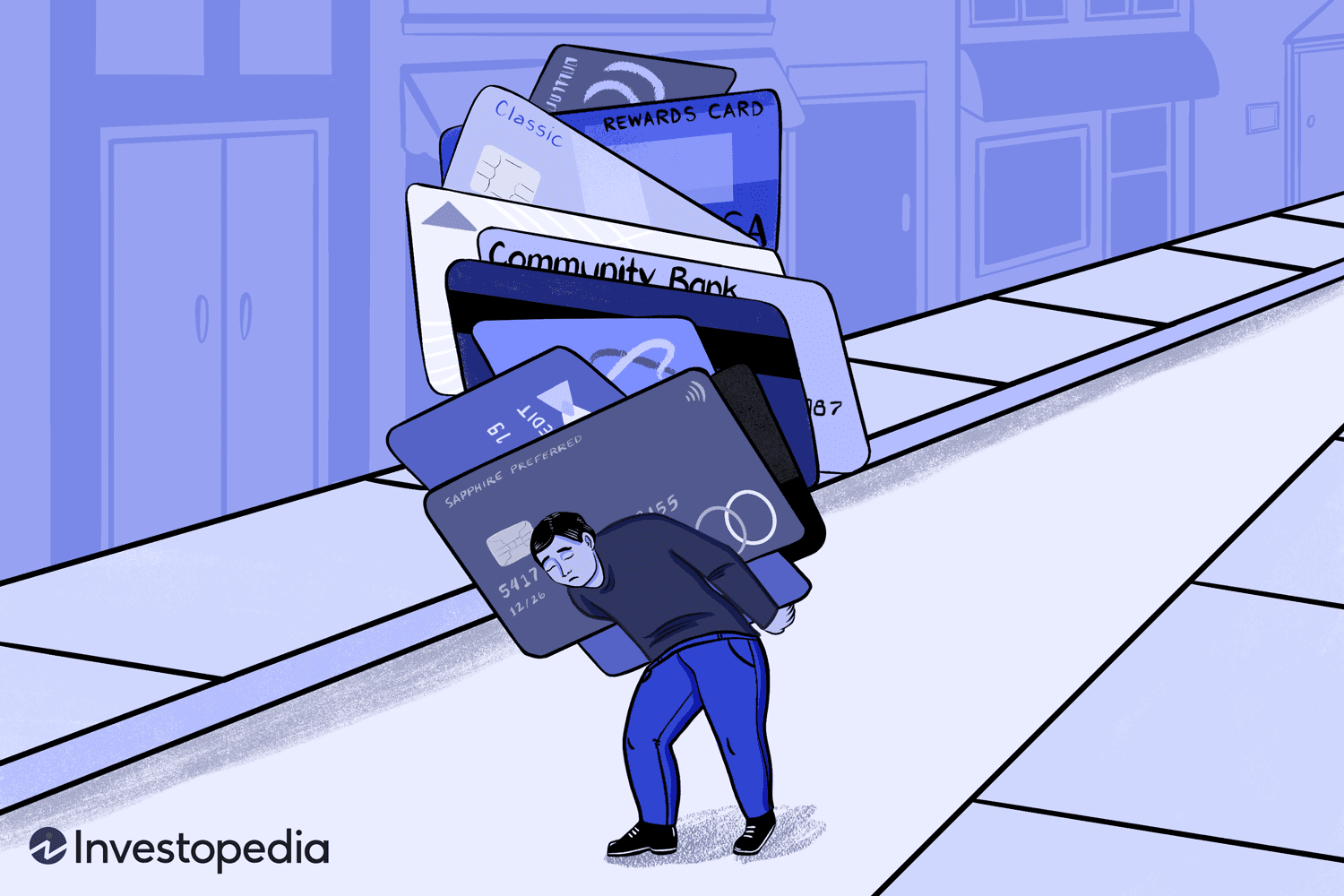
In the past two decades alone, student debt and loans have reached approximately $1.6 trillion which slightly surpassed credit card debt in America which stands at $1.03 trillion in the second quarter of 2023 according to the Federal Reserve Bank of New York. “In addition to poverty, financial debt and loans are significantly associated with increased psychological distress and poor mental health status.” (From: Ryu S, fan L. The Relationship Between Financial Worries and Psychological Distress Among U.S. Adults) As financial debt accumulates, a person may find themselves withdrawing from hanging out with friends or family and becoming avoidant of places, people, and even their financial struggles. If someone continuously avoids their bills they continue to accumulate and seeing the amount of the accumulated bills can take a serious toll on a person’s mental health.

Other problems may also emerge when someone is experiencing anxiety due to financial stress, these could include poor sleeping habits, overspending, avoidance, and poor eating habits. Someone that has a spending problem or someone who is in financial worry would benefit from speaking to a therapist who would help them cope with their unhealthy habits in better ways. A therapist can help in creating a patient budget and manage their money in better ways including a personalized budgeting plan or setting up financial goals. A therapist can also help individuals identify the underlying causes of their financial stress and develop strategies for managing it. Along with anxiety and stress, financial worry can cause feelings of shame and guilt and a therapist is able to provide a safe, non-judgmental space to explore these feelings and how to develop strategies to overcome them. A person may also experience difficulty in communicating their financial struggles and/or negative beliefs and behaviors related to money with their loved ones. A therapist can aid in more effective communication with loved ones about financial struggles and challenge negative beliefs related to money by developing more positive patterns of thought and behavior related to finances. Additionally, an individual who suffered financial trauma such as bankruptcy, foreclosure, or identity theft may benefit from therapy in order to address the emotional and psychological impact of these experiences.

If you or someone you know is struggling with their mental health, or has anxiety/stress please contact our psychotherapy offices in New York or New Jersey to talk to one of our licensed professional psychologists, psychiatrists, psychiatric nurse practitioners, or psychotherapists at Arista Counseling & Psychotherapy. Contact our Paramus, NJ or Manhattan, NY offices respectively, at (201) 368-3700 or (212) 722-1920 to set up an appointment. For more information, please visit http://www.counselingpsychotherapynjny.com/

Sources

https://www.lendingtree.com/credit-cards/credit-card-debt-statistics/

Ryu S, Fan L. The Relationship Between Financial Worries and Psychological Distress Among U.S. Adults. J Fam Econ Issues. 2023;44(1):16-33. doi: 10.1007/s10834-022-09820-9. Epub 2022 Feb 1. PMID: 35125855; PMCID: PMC8806009.

Types Of Therapy For Financial Stress And Money Issues

mantracare.org

Post-Grad Depression

Depression/Post-College

By: Ingrid Guevara

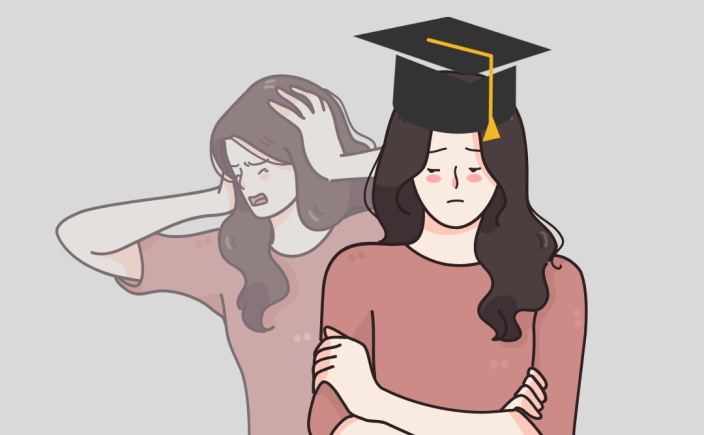
Everyone knows and acknowledges that depression during college occurs. Statistics show that twenty-seven percent of college students had been diagnosed with depression and twenty-three percent said that depression impacted their academic performance negatively.  When it comes to post-grad students research shows that around twenty percent of student graduating experience depression. Post-grad depression is seen as situational depression. Situational depression is depression caused by a stressful or traumatic event. Post-Grad depression is caused by; pressure of finding a job, moving back in with parents, feeling a failure to launch, changes in friendships (friends scattering, not seeing them), student debt, comparison with friends and being overwhelmed by next steps and changes. Signs of post-grad depression are; lack of motivation, feeling worthless or guilty, loneliness, overwhelm (especially related to the next steps), feeling sad or down, isolation or wanting to isolate oneself, not enjoying activities that were previously enjoyed, poor sleep, appetite change, lower than usual frustration tolerance, feeling sluggish or super jittery and intense fear or expectation things will not go well in the future. Post-grad depression like any depression can really hinder your life so seeking help is suggested in order to properly cope with it. It is also suggested; avoiding comparing yourself with others, practice self-kindness and self-love, reach out to friends,  get some exercise/movement, don’t be too hard on yourself, recognize that transitions are difficult, find a support group/networking group, take care of yourself and confide in trusted family and friends. Depression is common when life is stressful and one feels pressure therefore, it is okay because always remember you are not alone.

If you or someone you know is struggling with their mental health, please contact our psychotherapy offices in New York or New Jersey to talk to one of our licensed professional psychologists, psychiatrists, psychiatric nurse practitioners, or psychotherapists at Arista Counseling & Psychotherapy. Contact our Paramus, NJ or Manhattan, NY offices respectively, at (201) 368-3700 or (212) 722-1920 to set up an appointment. For more information, please visit http://www.counselingpsychotherapynjny.com/

References

https://www.ncbi.nlm.nih.gov/pmc/articles/PMC9091131/

Body Dysmorphia: How TikTok Impacts Self Image

Body Dysmorphia: How TikTok Impacts Self Image

By Erika Ortiz

            A new social media app called TikTok emerged and swept generations because of its easy use, likability, and relatability created by other users or creators. TikTok is used like a break from stressors in life since it can have a variety of entertaining and funny videos. The TikTok algorithm determines your perception and how you choose to “respond” to each video or comment you see and scroll past. TikTok has tons of videos, from cute cat videos to funny skits, serious world news, and even tips or “how to” for your everyday life. Since TikTok has gained massive popularity, it can be strikingly influential.  TikTok can also instill some negativity in your life.  Many videos go viral for the wrong reasons and are taken to a dangerous extremity. One type of TikTok video that always goes viral is known as, “What I eat in a day”. The creator documents all their meals throughout the day and some even calculate their calorie intake. Some creators claim it is to promote a “healthy lifestyle”, while others say it is solely because these types of videos happen to go viral and do well with their audience. Regardless, these kinds of videos seem to inflict the idea of having body dysmorphia or, ironically enough, an unhealthy eating style. Body dysmorphia or body dysmorphic disorder is a mental health condition in which people hyper-focus on their flaws and appearances to the point where they will never be “good enough” in their own eyes. Some of these videos show the over consumption of food, too few nutrients in each meal, or sometimes, too much food, and too much sugar and/or greasy foods. These videos have an alarming comment section. Users will comment something to the degree of, “Wow I eat too much”, or, “Maybe I should skip a meal or two.” As you scroll through these TikToks and come across a “What I eat in a day” or a video that promotes an unhealthy body image that makes you feel uncomfortable and/or negative about yourself, press report for “harmful activities”, then press the “not interested” option at the bottom right. Even if you do not necessarily feel that way, others still might, so it is best to do your part in preventing the spread or glorification of unhealthy lifestyles.

If you or someone you know is experiencing body dysmorphia and/or signs of an eating disorder, please contact our psychotherapy offices in New York or New Jersey to talk to one of our licensed professional psychologists, psychiatrists, psychiatric nurse practitioners, or psychotherapists at Arista Counseling & Psychotherapy. Contact our Paramus, NJ or Manhattan, NY offices respectively at (201) 368-3700 or (212) 722-1920 to set up an appointment. For more information, please visit https://www.counselingpsychotherapynjny.com

Post-College Anxiety

Post-College Anxiety

By: Julia Massa

Post-college anxiety, or Post Commencement Stress Disorder, though not an official medical diagnosis, is used to describe the uncertainty and anxiety college graduates often feel as a result of their achievement. With both internal and external expectations to “measure up,” graduates find themselves conflicted, depressed, and pressured. Graduates may fear failure due to not finding a job as well as feel pressured to pay back their student debt without having a secure job or realizing that career path just isn’t for them. Furthermore, they may feel alone due to moving back home and changing their social contexts. In fact, 53% of 18-to-24 year old graduates live with their parents after graduation. Homesickness is a cycle, perhaps.

From being a student at the mere age of five to an actual member of society can lead to an identity crisis. Additionally, college students may have trouble sleeping, concentrating, become less interested in socializing, experience shortness of breath or rapid heart rate, feel a lack of control of their life, or numb these feelings with alcohol, drugs, or binge-eating.

Feeling nervous about the future is a normal reaction to uncertainty, especially if you thrive on consistency and routine. Graduates can address feelings of uncertainty by practicing test runs for job interviews, “zooming in” and looking at each step, getting feedback from multiple resources like resume writers or networking events, and embracing the chaos. When life becomes complex, it is important to practice self-care and remind yourself that it is not a bad day- just a complex one. Moreover, if a graduate is stressed about finances, they can be financially proactive and learn banking, create an emergency fund, SAVE little by little, or create a realistic payment plan to pay off their loans. 

Graduating is a bittersweet experience. Adjusting to change can be scary, but in the case of college grads, they are on the path to prosper. Though it is easier said than done, it is important to embrace each chapter and live day by day.

If you or someone you know is struggling with post-college anxiety, please contact our psychotherapy offices in New York or New Jersey to talk to one of our licensed professional psychologists, psychiatrists, psychiatric nurse practitioners, or psychotherapists at Arista Counseling & Psychotherapy. Contact our Paramus, NJ or Manhattan, NY offices respectively, at (201) 368-3700 or (212) 722-1920 to set up an appointment. For more information, please visit http://www.counselingpsychotherapynjny.com/

Sources:

https://extension.wvu.edu/food-health/emotional-wellness/post-graduation-stress#:~:text=Lushkin%20lists%20these%20common%20symptoms,in%20a%20reasonable%20length%20of

https://www.careercontessa.com/advice/how-to-deal-post-grad-anxiety/

https://www.psycom.net/college-graduation-anxiety-expert-advice/

https://www.gile-edu.org/articles/post-graduation-stress/#:~:text=Symptoms%20of%20post%2Dgraduation%20stress%20and%20anxiety%20can%20include%3A&text=%E2%80%93%20Sleeplessness%20and%20irritability.,for%20a%20length%20of%20time.&text=%E2%80%93%20Numbing%20of%20feelings%20with%20alcohol,%2Deating%2C%20and%20recreational%20drugs.

Image source:

Psychotherapy: Benefits of Rational Emotive Behavior Therapy (REBT)

By: Jasmyn Cuate

Rational emotive behavior therapy (REBT) is a type of cognitive behavioral therapy (CBT) that focuses on helping people recognize and change negative thinking patterns into positive, healthier ones. This method is an action-oriented approach helping to overcome any psychological problems or mental distress. The goal of REBT is to help people respond rationally to situations that would cause stress, depression, or other negative feelings. How does it work?

The ABC model is one concept of REBT. The model suggests that we may blame external situations for our unhappiness and it is our interpretation of these situations that truly causes the psychological distress. ABC stands for:

  • A: Activating event, when something happens in your environment
  • B: Belief, describes your thoughts about the situation
  • C: Consequence, which is your emotional response to your belief

With REBT, your therapist will help you learn how to apply the ABC model in your daily life. Your therapist may help you identify the activating event before encouraging you to figure out which belief led you to your negative feelings. Once you’ve identify the underlying issue, your therapist will work with you to change those beliefs and your emotional response towards the issue. Before changing your belief, a process called disputation takes place where your therapist will challenge your irrational beliefs using direct methods such as asking questions which causes you to re-think or have you imagine another point of view that you may have not considered before. REBT can help with Anxiety, Social anxiety disorder, distress, Depression, Disruptive behavior in children, Obsessive-compulsive disorder (OCD) and Psychotic symptoms.

Benefits of REBT:

  • Reduce feelings of anger, depression, anxiety, and distress
  • Improves health and quality of life
  • Better social skills and school performance

REBT helps you understand that you are worthy of self-acceptance no matter what even if you or others are struggling; there is no need for shame or guilt because everyone makes mistakes and it’s normal to feel some discomfort. REBT gives insight that others are also worthy of acceptance even if their behavior involves something you don’t like. Overall, REBT helps you have a healthy emotional response on learning from a situation and moving on. This allows you to understand that negative things will sometimes happen in life therefore there is no rational reason to always expect it to be positive when faced with a situation.

If you or someone you know is seeking for cognitive behavioral therapy or rational emotive behavior therapy, please contact our psychotherapy offices in New York or New Jersey to talk to one of our licensed professional psychologists, psychiatrists, psychiatric nurse practitioners, or psychotherapists at Arista Counseling & Psychotherapy. Contact our Paramus, NJ or Manhattan, NY offices respectively, at (201) 368-3700 or (212) 722-1920 to set up an appointment. For more information, please visit http://www.counselingpsychotherapynjny.com/

Source: https://www.verywellmind.com/rational-emotive-behavior-therapy-2796000

Mindfulness: Its Effects on Anxiety and Depression

Mindfulness: Its Effects on Anxiety and Depression

By: Stacey Rodriguez

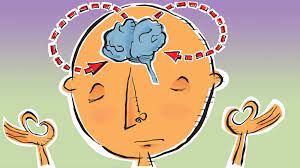
Mindfulness, derived from Buddhist teachings, is a practice which fosters introspective awareness. It’s main principles consist of actively experiencing the present moment, as well as practicing radical acceptance. Radical acceptance is a distress tolerance skill, which is implemented by openly recognizing thoughts and experiences without the tension of subjective or negative perception. Central facets of radical acceptance include self compassion and validation. This perspective emphasizes defusion, which is the process of separating the mind from its thoughts; the act of perceiving oneself as the observer of one’s thoughts, rather than identifying with them, allows individuals to healthily process emotions while remaining grounded and rational. Mindfulness is a defining feature of several modern therapeutic approaches, such as dialectical behavioral therapy (DBT) and mindfulness based cognitive therapy (MBCT). DBT is a form of cognitive therapy, in which the approach focuses on recognizing maladaptive behavioral patterns and core beliefs. Similarly, MBCT uses cognitive behavioral therapy supplemented by mindfulness meditative practices, in order to help individuals become aware of their thoughts and feelings all while avoiding the loop of negativity. 

Practicing mindfulness has proven to have an abundance of promising effects on the mind and body. Overall, it has shown to significantly reduce anxiety and depression. Methodical data suggests that the practice influences stress pathways, and even modifies structure and activity in regions associated with attention and emotion regulation in the brain. Additionally, studies have found mindfulness to have the same moderate effect on treating depression as does medication, as well as moderate effects on anxiety and pain. 

Some mindful activities include:

  • Journaling
  • Practicing breathing techniques
  • Mediation
  • Yoga

If you or someone you know is seeking therapy for depression or anxiety, please contact our psychotherapy offices in New York or New Jersey to talk to one of our licensed professional psychologists, psychiatrists, psychiatric nurse practitioners, or psychotherapists at Arista Counseling & Psychotherapy. Contact our Paramus, NJ or Manhattan, NY offices respectively, at (201) 368-3700 or (212) 722-1920 to set up an appointment. For more information, please visit http://www.counselingpsychotherapynjny.com/

Source:https://www.apa.org/topics/mindfulness/meditation#:~:text=Researchers%20reviewed%20more%20than%20200,%2C%20pain%2C%20smoking%20and%20addiction.

https://www.apa.org/monitor/2015/03/cover-mindfulness

Image source: https://news.harvard.edu/gazette/story/2018/04/harvard-researchers-study-how-mindfulness-may-change-the-brain-in-depressed-patients/

Drug Consumption Rose During COVID-19

By: Priya Desai

Coronavirus is a hard time for everyone and there has been a lot of adjusting to do. Many people turned to drugs and alcohol to deal with the stress, anxiety and depression that they were feeling. Due to this, there was an apparent increase in both quantity and how often people were using drugs during the pandemic. These coping mechanisms are only temporary and cannot fix the problems that people are actually facing.

Months after the pandemic started, there was a survey done in Florida to see how often drugs and alcohol are being used. Almost 80 percent of the participants reported using alcohol in the past month, over 35 percent reported using marijuana, and 10 percent of participants were using stimulant drugs. Along with this, overdoses have spiked since the pandemic began. The increase usage of drugs during the pandemic has occurred primarily among young adults. A few of the reasons for this are economic stress, boredom, general anxiety about the pandemic, fear of acquiring the virus, and loneliness.  With school being online and the stay-at-home act being in order, students had free time which resulted in them abusing substances. Instead of using drugs, people can find a hobby, whether it be painting, exercising, or baking. In addition, with classes being held virtual and jobs being lost due to the pandemic, young adults were worried and stressed. This resulted in an increased use of drug and alcohol in attempt to cope with the stress.

If you or someone you know is struggling with drug abuse caused by the pandemic please contact our psychotherapy offices in New York or New Jersey to talk to one of our licensed professional psychologists, psychiatrists, psychiatric nurse practitioners, or psychotherapists at Arista Counseling & Psychotherapy. Contact our Paramus, NJ or Manhattan, NY offices respectively, at (201) 368-3700 or (212) 722-1920 to set up an appointment. For more information, please visit http://www.counselingpsychotherapynjny.com/

Citations: https://www.psychologytoday.com/us/blog/social-instincts/202012/drugs-choice-in-the-era-covid-19

https://www.apa.org/monitor/2021/03/substance-use-pandemic

Image Citation: https://www.google.com/url?sa=i&url=https%3A%2F%2Fwww.therecoveryvillage.com%2Fmental-health%2Fstress%2Fsubstance-abuse%2F&psig=AOvVaw1hOPaFHRj0X49E6hcvbtEC&ust=1631200310612000&source=images&cd=vfe&ved=0CAsQjRxqFwoTCJC80e3U7_ICFQAAAAAdAAAAABAD

Burnout; what it is and how to prevent it

By Katie Weinstein

When push comes to shove, stress becomes burnout. This can lead to detrimental effects on our physical and mental health, so it is important to recognize when burnout is beginning to occur. Burnout is a gradual process that is defined as an extended period of stress and exhaustion that feels like it isn’t improving. Some signs of burnout are losing interest and motivation to a point in which you become disengaged, which can cause a cynical and resentful attitude. Burnout also affects physical health, causing changes in appetite and sleep and frequent headaches.

The causes of burnout include work, lifestyle, and personality traits. Lack of recognition in a chaotic or high pressure environment can make someone more susceptible to burnout. Some ways to improve work related burnout are to outsource or share responsibilities and to set boundaries for off times such as not checking email. Another cause of burnout can be caregiver burnout, since it can be very tiring to care for a child. It’s important to remember that it does not make you a bad parent or friend to ask for help when you need it. Everyone needs a break. Additionally, a perfectionist attitude and pessimistic view on things may lead to burnout, it is important to recognize when burnout is beginning so that you can practice stress managing techniques and find time to do things that you enjoy to prevent burnout. 

Knowing the difference between a burnout and being overly stressed is essential for mental health. It is important to limit contact with negative people and reach out to supportive friends and family in order to shape a more positive attitude and prevent burnout.

If you or someone you know is experiencing burnout or high levels of stress, please contact our psychotherapy offices in New York or New Jersey to talk to one of our licensed professional psychologists, psychiatrists, psychiatric nurse practitioners, or psychotherapists at Arista Counseling & Psychotherapy. Contact our Paramus, NJ or Manhattan, NY offices respectively, at (201) 368-3700 or (212) 722-1920 to set up an appointment. For more information, please visit 

https://www.psychologytoday.com/us/basics/burnout