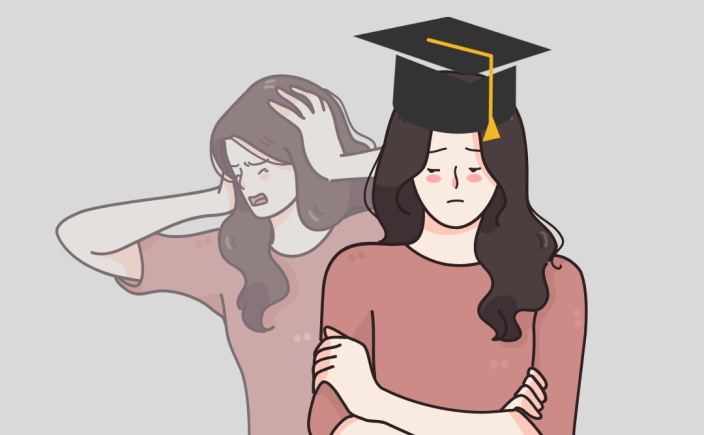
Freshman Year of College: Life Transitions & Mental Wellness

Freshman Year of College: Life Transitions & Mental Wellness

By: Kristen Thauer

Everyone who has attended college or university knows that the first year can be daunting. For many American teenagers, the transition to college has become increasingly fraught with anxiety. Some are excited to meet new people, attend interesting classes and move away from home. Others may worry about the financial hardships and potential isolation that comes with moving away from friends and family. Tuition costs have skyrocketed over the past few decades. The college experience our parents or even grandparents had seems like a distant memory.

While college is an incredible opportunity for growth, not only academically but socially and emotionally, many do struggle with the transition. Transferring colleges has become increasingly common as many students end up feeling as though their first choice was not the right fit. These experiences can sometimes make it more difficult to foster new friendships and a sense of community on campus. Unfortunately, many colleges have seen a dip in student engagement since COVID-19, meaning less and less students are going to club meetings, sporting events and even class.

 Many of these hardships students are facing today are caused by an uptick in mental health concerns. According to the American College Health Association’s database, 36% of college students have been diagnosed with depression and 26% of students have been diagnosed with anxiety. Regardless of the many factors that may be at play, students need mental health support both on and off campus. Reaching out for therapy in your college years can be a helpful and transformative experience as you navigate this life transition. There is no reason to suffer alone!

https://www.acha.org/ACHA/Resources/Topics/MentalHealth.aspx

If you or someone you know is struggling with their mental health, please contact our psychotherapy offices in New York or New Jersey to talk to one of our licensed professional psychologists, psychiatrists, psychiatric nurse practitioners, or psychotherapists at Arista Counseling & Psychotherapy. Contact our Paramus, NJ or Manhattan, NY offices respectively, at (201) 368-3700 or (212) 722-1920 to set up an appointment. For more information, please visit https://aristapsychiatrypsychotherapy.com/

Binge-Eating Disorder: The Link between Mental Health and Binge-Eating in College Students

Binge-Eating Disorder: The Link between Mental Health and Binge-Eating in College Students

By, Maro Mikhaeil

Have you heard of the commonly used expression, the “Freshman 15”? This expression is used to describe how the first year of college can be very challenging as one is transitioning to a different stage of their life. It is so challenging that it could lead to an excessive amount of stress and anxiety leading to the need to compensate those feelings. Food can very well help compensate those feelings, but if it comes to a point where it becomes a habit, you’ve got problems. Overeating may start to occur and that’s where the “Freshman 15” expression comes in. “15” in the expression refers to the amount of weight gain as a result of the high stress and anxiety levels that comes with freshman year of college. Unfortunately this could cause long term problems associated with overeating such as Binge-Eating Disorder.

Binge-Eating Disorder is characterized as overeating frequently in a short amount of time. The binge-eater experiences trouble controlling their consumption. According to the DSM-IV, in order to be diagnosed with Binge-Eating Disorder, one must have three or more episodes of:

  • Excessively eating more consistently than normal
  • Overeating until feeling uncomfortably full
  •  Eating big portions of food without being hungry
  •  Having the preference of eating alone due to embarrassment
  •  Feeling guilty after indulging in food.

If you or someone you know is struggling with their mental health or binge-eating disorder, please contact our psychotherapy offices in New York or New Jersey to talk to one of our licensed professional psychologists, psychiatrists, psychiatric nurse practitioners, or psychotherapists at Arista Counseling & Psychotherapy. Contact our Paramus, NJ or Manhattan, NY offices respectively at (212) 722-1920 or (201) 368-3700 to set up an appointment. For more information, please visit https://www.counselingpsychotherapynjny.com

Sources:

Diagnostic and Statistical Manual of Mental Disorders Fifth Edition by the American Psychiatric Association (DSM-IV)

Post-Grad Depression

Depression/Post-College

By: Ingrid Guevara

Everyone knows and acknowledges that depression during college occurs. Statistics show that twenty-seven percent of college students had been diagnosed with depression and twenty-three percent said that depression impacted their academic performance negatively.  When it comes to post-grad students research shows that around twenty percent of student graduating experience depression. Post-grad depression is seen as situational depression. Situational depression is depression caused by a stressful or traumatic event. Post-Grad depression is caused by; pressure of finding a job, moving back in with parents, feeling a failure to launch, changes in friendships (friends scattering, not seeing them), student debt, comparison with friends and being overwhelmed by next steps and changes. Signs of post-grad depression are; lack of motivation, feeling worthless or guilty, loneliness, overwhelm (especially related to the next steps), feeling sad or down, isolation or wanting to isolate oneself, not enjoying activities that were previously enjoyed, poor sleep, appetite change, lower than usual frustration tolerance, feeling sluggish or super jittery and intense fear or expectation things will not go well in the future. Post-grad depression like any depression can really hinder your life so seeking help is suggested in order to properly cope with it. It is also suggested; avoiding comparing yourself with others, practice self-kindness and self-love, reach out to friends,  get some exercise/movement, don’t be too hard on yourself, recognize that transitions are difficult, find a support group/networking group, take care of yourself and confide in trusted family and friends. Depression is common when life is stressful and one feels pressure therefore, it is okay because always remember you are not alone.

If you or someone you know is struggling with their mental health, please contact our psychotherapy offices in New York or New Jersey to talk to one of our licensed professional psychologists, psychiatrists, psychiatric nurse practitioners, or psychotherapists at Arista Counseling & Psychotherapy. Contact our Paramus, NJ or Manhattan, NY offices respectively, at (201) 368-3700 or (212) 722-1920 to set up an appointment. For more information, please visit http://www.counselingpsychotherapynjny.com/

References

https://www.ncbi.nlm.nih.gov/pmc/articles/PMC9091131/

Body Dysmorphia: How TikTok Impacts Self Image

Body Dysmorphia: How TikTok Impacts Self Image

By Erika Ortiz

            A new social media app called TikTok emerged and swept generations because of its easy use, likability, and relatability created by other users or creators. TikTok is used like a break from stressors in life since it can have a variety of entertaining and funny videos. The TikTok algorithm determines your perception and how you choose to “respond” to each video or comment you see and scroll past. TikTok has tons of videos, from cute cat videos to funny skits, serious world news, and even tips or “how to” for your everyday life. Since TikTok has gained massive popularity, it can be strikingly influential.  TikTok can also instill some negativity in your life.  Many videos go viral for the wrong reasons and are taken to a dangerous extremity. One type of TikTok video that always goes viral is known as, “What I eat in a day”. The creator documents all their meals throughout the day and some even calculate their calorie intake. Some creators claim it is to promote a “healthy lifestyle”, while others say it is solely because these types of videos happen to go viral and do well with their audience. Regardless, these kinds of videos seem to inflict the idea of having body dysmorphia or, ironically enough, an unhealthy eating style. Body dysmorphia or body dysmorphic disorder is a mental health condition in which people hyper-focus on their flaws and appearances to the point where they will never be “good enough” in their own eyes. Some of these videos show the over consumption of food, too few nutrients in each meal, or sometimes, too much food, and too much sugar and/or greasy foods. These videos have an alarming comment section. Users will comment something to the degree of, “Wow I eat too much”, or, “Maybe I should skip a meal or two.” As you scroll through these TikToks and come across a “What I eat in a day” or a video that promotes an unhealthy body image that makes you feel uncomfortable and/or negative about yourself, press report for “harmful activities”, then press the “not interested” option at the bottom right. Even if you do not necessarily feel that way, others still might, so it is best to do your part in preventing the spread or glorification of unhealthy lifestyles.

If you or someone you know is experiencing body dysmorphia and/or signs of an eating disorder, please contact our psychotherapy offices in New York or New Jersey to talk to one of our licensed professional psychologists, psychiatrists, psychiatric nurse practitioners, or psychotherapists at Arista Counseling & Psychotherapy. Contact our Paramus, NJ or Manhattan, NY offices respectively at (201) 368-3700 or (212) 722-1920 to set up an appointment. For more information, please visit https://www.counselingpsychotherapynjny.com

The Empty Nest Syndrome

The Empty Nest Syndrome

By Erika Ortiz

            There comes a time when parents reach the end of raising their kids to become young adults that have to venture off into the real world. As they prepare to face all of life’s trials and experiences that await them, what’s going on with the parents? Many some parents experience the empty bird’s nest syndrome. It is not a mental disorder or illness of some sort; however, it is a deep and perpetuating feeling of sadness parents temporarily experience when their child finally leaves to create a life of their own. Why does this happen? Parents spend the majority of their time raising their children and investing an immense amount of love and care towards them as well. Mom would wake you up for school; Dad would pick you up from practice; Mom made dinner for the family; Dad made you help him with fixing up something in the house every morning on the weekend. Parents’ entire lives revolve around essentially taking care and nurturing the development of their children. Once the realization the child is now “leaving the nest” parents are left with the question; “What now?”

           A great way to cope with this feeling is to start a hobby or activity. Try taking up running again; try cooking that one meal you saw on the Food Network you always wanted to or read that book you saw in the bookstore. It’s important to now refocus on yourself as parents. Parents sometimes suffer an identity crisis or “mid-life crisis” where they feel they lose themselves individually. Of course, your children will always be your children, and you will always be there for them. But realize that it is also necessary to now invest time in you as well. Another way to cope is to try and rekindle your relationship with your spouse or, for single parents, go out and date. Of course, if this feeling becomes severe or you feel helpless, please consider getting professional help. The empty nest syndrome can easily slip into something serious.

If you or someone you know is experiencing severe loneliness or sadness, please contact our psychotherapy offices in New York or New Jersey to talk to one of our licensed professional psychologists, psychiatrists, psychiatric nurse practitioners, or psychotherapists at Arista Counseling & Psychotherapy. Contact our Paramus, NJ or Manhattan, NY offices respectively at (201) 368-3700 or (212) 722-1920 to set up an appointment. For more information, please visit https://www.counselingpsychotherapynjny.com

Source

https://www.lifehack.org/809725/empty-nest-syndrome

Anxiety in Athletes

Anxiety in Athletes

By Fiona McDermut

            Anxiety disorders are quite common in recent times, and can interfere with completing simple daily tasks. One population in which anxiety disorders can be particularly concerning is student athletes. Student athletes experience a tremendous amount of pressure coming from multiple facets of life. This includes pressure to perform/compete well, pressure to attend athletic training daily, pressure to maintain a healthy/fit figure, and the pressure to keep up with academic assignments. Competition and a moderate level of stress have proven to be beneficial to performance in many circumstances, but the overwhelming stress that often results from being a student athlete can be debilitating and may impact success.

            Although athletes may be at an increased risk for anxiety disorders, they often find that their schedules are too busy to seek help. In order to perform physically to one’s fullest potential, mental health is just as important as physical health. Anxiety can cause both mental and physiological symptoms that can impact athletic performance.

These symptoms include:

  • Feeling powerless
  • Feeling weak or tired
  • Increased heart rate
  • Rapid breathing
  • Trembling

            While decreasing the level of competition and pressure for student athletes may be a lost cause, there are ways to help deal with the feelings of anxiety that accompany this. First and foremost, it is crucial to allow yourself to take a day off when the pressure becomes too overwhelming. Do something that makes you happy, or simply give your body and mind a day of relaxation. This is especially important if you are injured, or not feeling well mentally or physically.

            If feelings of anxiety persist, it can be helpful to seek therapy. Therapy sessions provide an outlet to share emotions, as well as a professional who can help to manage anxiety. Some of the main treatments for anxiety include Cognitive Behavioral Therapy, Psychotherapy, and medication (mainly SSRIs and antidepressants). A mental health professional will work with your personal needs to establish the most effective treatment plan.

If you or someone you know is struggling with anxiety, please contact our psychotherapy offices in New York or New Jersey to talk to one of our licensed professional psychologists, psychiatrists, psychiatric nurse practitioners, or psychotherapists at Arista Counseling & Psychotherapy. Contact our Paramus, NJ or Manhattan, NY offices respectively, at (201) 368-3700 or (212) 722-1920 to set up an appointment. For more information, please visit http://www.counselingpsychotherapynjny.com/

Sources:

https://www.ncaa.org/sports/2014/10/8/mind-body-and-sport-anxiety-disorders.aspx

Image Source:

https://www.cnbc.com/2021/09/13/heres-impact-of-ncaa-letting-college-athletes-profit-off-their-marketability.html

COVID-19: Impact of COVID-19 on Mental Health of College Students

COVID-19: Impact of COVID-19 on Mental Health of College Students

By Celine Bennion

The COVID-19 pandemic has affected us in more ways than just illness itself. From strict isolation measures to mask mandates, several necessary health protocols have changed the way we carry out our daily lives. This is especially true for college students who were forced to transition to online learning, shifting the established routines they once knew.

At the onset of the pandemic, students residing on campus were forced out of their dorms to prevent the spread of COVID-19. Without a place to stay on campus, they moved back home, forcing a drastic change in living situations. Even commuter students had to adjust to new norms, as they were no longer allowed to study on campus. With siblings also engaged in online school and parents working from home, their learning environment quickly changed from a quiet classroom to a bustling household. These changes posed several challenges, as many students found it increasingly difficult to stay focused in lectures and successfully absorb the material they were presented with.

Additionally, because students could not be present on campus, they were no longer able to engage in everyday social interactions. Meeting up with friends to study, attending club meetings, and participating in sports were no longer an option after transitioning to remote learning. These fundamental social interactions are vital for college students to maintain their wellbeing and to properly develop as individuals.

The major academic and social changes that transpired due to the pandemic led to a serious rise in reports of mental health challenges. According to a 2020 Active Minds survey on college students, about 75% of respondents indicated that their mental health had declined during the pandemic. Students specifically reported increased levels of anxiety, loneliness, sadness, and stress. With the many changes that students quickly had to manage, these feelings are understandable.

The rise of mental health challenges has prompted numerous universities to initiate changes to the psychological services that are offered to students. Many students have access to Telehealth counseling sessions and other mental health resources through their university. These resources allow students to obtain proper assistance for navigating their personal challenges.

It is essential that universities acknowledge the struggles their students are facing and make appropriate changes to support them through this difficult time.

If you or someone you know is seeking therapy, please contact our psychotherapy offices in New York or New Jersey to talk to one of our licensed professional psychologists, psychiatrists, psychiatric nurse practitioners, or psychotherapists at Arista Counseling & Psychotherapy. Contact our Paramus, NJ or Manhattan, NY offices respectively, at (201) 368-3700 or (212) 722-1920 to set up an appointment. For more information, please visit http://www.counselingpsychotherapynjny.com/

Sources:

https://www.northjersey.com/story/news/education/2021/09/13/nj-colleges-covid-student-burnout-stress-mental-health-toll/5716116001/

https://online.maryville.edu/blog/stress-in-college-students-recognize-understand-and-relieve-school-stress/ (photo)

Is an Emotional Support Animal Right for You

By Eleanor Kim

Pets have brought joy and comfort to pet owners for hundreds of years. The sheer presence of a happy-go-lucky dog or cat is enough to bring a smile to anyone’s face. The benefits of pet ownership can go beyond mere companionship or responsibility, in fact, emotional support animals are able to, as their name indicates, provide emotional support and other mental health benefits.

Common ways in which emotional support animals could support their owners are:

  • Fostering emotional connectivity
  • Helping people during times of crisis
  • Lowering anxiety
  • Offering trauma support
  • Improving physical health (Lower blood pressure, decrease respiration rates, improve ability to cope with pain, etc.)
  • Lowering feelings of loneliness or depression
  • Reciprocating feelings of love and care

It is important to indicate the difference between emotional support animals and service animals. Service animals also provide emotional support to their owners; however, service animals undergo intensive training to perform specific tasks necessary to aid their owners’ needs. In contrast, emotional support animals do not need formal training and simply need to receive a certification from the state registry. In order to qualify for an emotional service animal, individuals must acquire a prescription from a licensed mental health professional indicating that the presence of an emotional support animal is necessary for the mental health of the patient.

In a time when all of us are at home and may be in need of more emotional support, emotional support animals may provide the help you need. If you are interested in receiving emotional support, whether that be through a support animal or through a mental health professional, we here at Arista Counseling are here to assist you.

If you or someone you know is looking for emotional support, please contact our psychotherapy offices in New York or New Jersey to talk to one of our licensed professional psychologists, psychiatrists, psychiatric nurse practitioners, or psychotherapists at Arista Counseling & Psychotherapy. Contact our Paramus, NJ or Manhattan, NY offices respectively, at (201) 368-3700 or (212) 722-1920 to set up an appointment. For more information, please visit http://www.counselingpsychotherapynjny.com/.

References:

Everything You Need to Know About Emotional Support Animals

https://www.verywellmind.com/what-is-an-emotional-support-animal-4171479#definition

Picture Source:

https://figopetinsurance.com/blog/can-cats-dogs-live-together-peacefully

Burnout in College Students (Part 2)

Tatyana A. Reed

HOW TO AVOID/FIGHT BURNOUT

Being stressed out may seem like a normal human thing to do, and stress can be very positive for promoting work at some points. However, if it gets to the burnout stage its best you sit down, understand what’s causing your burnout, and deal with it. Here’s a few ways to help fight/avoid burnout from happening to you:

  1. Pay attention to the warning signs

Whenever you feel like your stress is getting extremely high and starting to take a toll on you mentally and physically, you should sit down and relax.

  1. Say “no”

Yes, it’s normal after studying for a whole week that you may want to go spend some time with your friends, but if you feel extremely tired, just say no, they’ll understand.

  1. Get your proper’s night of rest

It may seem like a good idea to study all night and not sleep, but your brain actually works better when it has a good amount of sleep. Just like you get physically tired, so does your brain after a long day, get some rest.

  1. Don’t put too much on your plate

It may seem like putting more on your plate will fill your appetite but really it will not end pretty. Things get out of hand and too much on your plate may cause you not to have any personal down time to unwind.

  1. Turn “down”

Take some time alone to do things that isn’t causing your brain to stress. If this means, just sleeping, watching shows all day, whatever you need to turn down, its best to set aside some time to do this

  1. Get help

Life can definitely get stressful at times and being in college doesn’t always help that out. Try to have someone on hand that you can talk to when things get a little out of hand, whether that be a friend, family member, or professional; most college campuses do offer psychological/counseling services that may be more convenient to you. It’s okay to sit back and say “I’m super stressed out, I need to relax” because the sooner you help yourself, the less help that will need to be done. Put the flame out before you burnout.

If you or someone you know is dealing with burnout, please contact our psychotherapy offices in New York or New Jersey to talk to one of our licensed professional psychologists, psychiatrists, psychiatric nurse practitioners, or psychotherapists at Arista Counseling & Psychotherapy. Contact our Paramus, NJ or Manhattan, NY offices respectively, at (201) 368-3700 or (212) 722-1920 to set up an appointment. For more information, please visit http://www.counselingpsychotherapynjny.com/.

References:

Harrison, Mike. “Avoid College Burnout.” Great Lakes Christian College, 22 Jan. 2018, http://www.glcc.edu/avoid-college-burnout/ (PHOTO)

Jerry, Lisa M. “10 Signs you’re Burning Out — And What To Do About It.” Forbes, Forbes Magazine, 3 Jan. 2018, http://www.forbes.com/sites/learnvest/2013/04/01/10-signs-youre-burning-out-and-what-to-do-about-it/.

Stephanie Cushman & Richard West (2006) Precursors to College Student Burnout: Developing a Typology of Understanding, Qualitative Research Reports in Communication, 7:1, 23-31, DOI: 10.1080/17459430600964638

Vaiana, Dominic. “Burnout in College: What Causes It and How to Avoid It.” College Info Geek, 5 Mar. 2019, collegeinfogeek.com/student-burnout

Burnout in College Students (Part 1)

Tatyana A. Reed

With school coming into full swing, before we can even get that deep, it’s time to look at burnout, particularly in students. Have you ever taken on way too many tasks and at the last minute realized it’s causing an overwhelming feeling of exhaustion and being stressed out? Or have you ever been so busy you feel like nothing is going to get done correctly or done at all? If you have felt like this, nine times out of ten you were experiencing burnout.

According to pyschologytoday.com burnout is “a state of emotional, mental, and often physical exhaustion brought on by prolonged or repeated stress.” Burnout is not a widely talked about topic unless the causes have been detrimental to an individual. In this article, we will talk about the symptoms, affects, and how to avoid burnout.

DIFFERENCE BETWEEN STRESS AND BURNOUT

Before we can talk about the signs of burnout, we first have to understand that there is a difference between burnout and stress. David Ballard, member of the American Psychological Association, describes burnout as “an extended period of time where someone experiences exhaustion and a lack of interest in things, resulting in a decline in their job [academic] performance.”

SIGNS OF BURNOUT

Here are just some of the early indicators of college burnout according to collegeinfogeek.com:

  • Constant exhaustion
  • Lack of motivation
  • Constant frustration
  • Grades beginning to decline
  • Struggling to pay attention
  • Disengagement from friends and colleagues

WHAT MAY BE CAUSING YOUR BURNOUT 

A study conducted by University of South Maine in 2006 had 354 students answer questions that helped look at why burnout may be happening to college students. Here are the four most prevalent answers:

  • 13% said it was due to lack of motivation on their personal part
  • 25% attributed it to issues caused by their part time job ( finance and lack of time) and due to family issues
  • 5% said it was caused by a professor
  • And the most prevalent answer was because of having too many assignments on their plate


If you or someone you know is dealing with burnout, please contact our psychotherapy offices in New York or New Jersey to talk to one of our licensed professional psychologists, psychiatrists, psychiatric nurse practitioners, or psychotherapists at Arista Counseling & Psychotherapy. Contact our Paramus, NJ or Manhattan, NY offices respectively, at (201) 368-3700 or (212) 722-1920 to set up an appointment. For more information, please visit http://www.counselingpsychotherapynjny.com/.


References:

Harrison, Mike. “Avoid College Burnout.” Great Lakes Christian College, 22 Jan. 2018, http://www.glcc.edu/avoid-college-burnout/ (PHOTO)

Jerry, Lisa M. “10 Signs you’re Burning Out — And What To Do About It.” Forbes, Forbes Magazine, 3 Jan. 2018, http://www.forbes.com/sites/learnvest/2013/04/01/10-signs-youre-burning-out-and-what-to-do-about-it/.

Stephanie Cushman & Richard West (2006) Precursors to College Student Burnout: Developing a Typology of Understanding, Qualitative Research Reports in Communication, 7:1, 23-31, DOI: 10.1080/17459430600964638

Vaiana, Dominic. “Burnout in College: What Causes It and How to Avoid It.” College Info Geek, 5 Mar. 2019, collegeinfogeek.com/student-burnout/