Addictions in College

By: Julia Keys

     Ever hear the old saying “work hard, play hard”? Unfortunately, this saying is taken to the extreme across many college campuses in America.  Unhealthy behaviors like binge drinking and drug use are normalized due to the party culture that pervades college life.  According  to the National Institute on Alcohol Abuse and Alcoholism, 50% of college students binge drink (drinking three or more drinks in one sitting) and about two thirds of those with a valid prescription for an ADHD medication such as Adderall or Ritalin, share their pills with their friends.  Other drugs that are common on college campuses include benzodiazepines such as Xanax or Klonopin, which are prescription medications and helpful when used properly, but are often abused, and illegal drugs like marijuana and cocaine.

What causes college students to participate in these behaviors?

  • Greek Life
  • Independence/living on one’s own for the first time
  • Peer pressure
  • Pressure to do well in school

Signs of Addiction

  • Abnormally red, glassy, or dilated pupils
  • Red, irritated nostrils
  • Needle or track marks
  • Weight loss
  • Secretive behavior
  • Sudden increase in irritability, depression or anxiety

If you or a loved one are suffering from an addiction, recovering from an addiction, or suspect  you are developing an addiction, please contact your college’s counseling center or Arista Counseling & Psychotherapy, located in New York and New Jersey to speak to a licensed professional psychologists, psychiatrists, psychiatric nurse practitioners or psychotherapists. To contact the office in Paramus NJ, call (201) 368-3700. To contact the office in Manhattan, call (212) 722-1920. For more information, please visit http://www.counselingpsychotherapynjny.com/ .

Sources:

https://www.clearviewtreatment.com/blog/signs-drinking-drug-student/

https://addictionresource.com/addiction/college/

Source for Picture:

https://www.google.com/search?q=college+addiction&rlz=1C1OPRB_enUS649US649&source=lnms&tbm=isch&sa=X&ved=0ahUKEwiAqfzYpp7iAhUmc98KHcOdCOkQ_AUIECgD&biw=751&bih=687#imgrc=2eCXqhQrMcdqpM:

Choosing the Therapist Who Is Right For You

By: Julia Keys

It can be quite discouraging when you finally have a meeting with a mental health professional and you two just don’t “click”. Because therapy is a highly personal method of treatment, it is important to find a therapist that you feel understands you. Just like every patient is different, every therapist is different too.  When researching therapists, try to determine the way you like to approach your problems.

If you believe that there are unconscious processes that can help explain your emotions or behavior, then a psycho-dynamic therapist might be right for you. If you want to change the way you think in order to change certain behaviors of yours then you might want to give a cognitive behavioral therapist a try. If you are the type that is focused on the future then solution based therapy might be the right kind of treatment for you. If you want to work on your relationship with a significant other or your family, then maybe you could approach a family oriented systems therapist. If you feel as if none of these types of therapists seem right, then call potential therapists up and ask them to describe their approach until you find one that resonates with you.

Once you find a therapist that feels like a good fit, pay attention to how your sessions go. Do you feel like your therapist is a good listener? Do you feel safe in the presence of your therapist? Do you find your therapist nonjudgmental? Of course there are infinite factors that determine whether or not you and your therapist “click” or not, however the most important thing is to always check in with yourself and notice if the fit feels right. At Arista Counseling, we have a multitude of different therapists that can help you.

Sources:

https://www.psychologytoday.com/us/articles/200712/how-do-i-choose-the-right-doctor

https://www.psychologytoday.com/us/blog/freudian-sip/201102/how-find-the-best-therapist-you

Image Source:

https://www.google.com/search?hl=en&tbm=isch&source=hp&biw=1600&bih=757&ei=sf7aXMHwHoSxggeKhb_gCw&q=puzzle+piece+&oq=puzzle+piece+&gs_l=img.3..0l10.4603.7635..8063…0.0..0.78.818.13……1….1..gws-wiz-img…..0..35i39.xtTCM_r69gA#imgrc=EBrdS_aoYQlb8M:

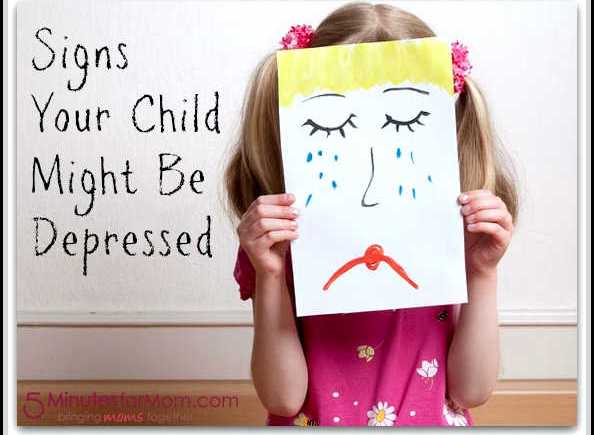
Depression in Children: What are the Signs?

By: Sally Santos

In children the most common mental health disorder is depression. When a child is going through depression it may affect their mental and physical health. As mentioned in a Psychology Today article the symptoms “must also interfere with the child’s functioning in normal daily activities.” Since children are still young they are not able to communicate their feelings well to others. Children with depression can be helped that’s why it is important for parents, caregivers and teachers to recognize the signs of depression. Some of the symptoms are:

  • Angry outburst
  • Anxiety
  • Decreased in energy
  • Feelings of hopelessness
  • Lack of concentration
  • Weight loss
  • Insomnia
  • Refusal to go to school

According to the National Alliance of Mental Health “Once a young person has experienced a major depression, he or she is at risk of developing another depression within the next five years.”

Sources:

https://www.psychologytoday.com/us/blog/alphabet-kids/201009/20-signs-and-symptoms-childhoodteen-depression

https://www.psychologytoday.com/us/blog/alphabet-kids/201009/depressing-news-about-childhood-and-adolescent-depression

Image:

https://www.anxietymedications.net/childhood-depression-symptoms-and-signs-to-diagnose-stress-on-kids/

If you are a parent and are concerned about your child having depression call the licensed psychologists, psychiatrists, psychiatric nurse practitioners, and psychotherapists at Arista Counseling & Psychotherapy can assist you. Contact our Paramus, NJ or Manhattan, NY offices respectively, at (201) 368-3700 or (212) 722-1920 to set up an appointment. For more information, visit http://www.counselingpsychotherapynjny.com/