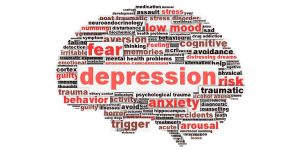
Depression: Impacts on College Students

Depression: Impacts on College Students

By: Maria Koutsothanasis

College is where many students are excited about independence, opportunities, and new experiences. Some students may experience challenges with change and experience feelings of depression. Balancing academics, social life, and financial difficulties can bring anxiety onto a student. These challenges can significantly impact mental health and lead to depression. Depression not only affects a student’s emotional well-being but disrupts all other aspects of their life.

The Impacts

  1. Academic Struggles

      Depression can disrupt a student’s ability to focus, retain important information, and meet deadlines for assignments. Symptoms such as fatigue, lack of motivation, difficulty concentrating, and hopelessness can lead to poor attendance and a decline in grades. Without the proper environment and support, depression can consume a student’s daily life and cause academic struggles.

      2. Social Isolation

        Depression can impair a student’s social life and cause them to lose the strong support systems they previously had. The withdrawal from social interactions can worsen symptoms of depression and lead students to feel alone. Depression can consume a student, making it difficult to get out of bed and engage in social activities that other students would enjoy.

        3. Long Term Consequences

        Without the proper support, environment, and treatment, depression can cause long-term effects. Academically, depression can lead students to fail courses and drop out of school which can impact the opportunities that are presented to students in the future. Untreated depression can lead to long-term physical health issues such as heart disease, chronic stress, and unhealthy coping mechanisms.

        Coping and Support

        1. Utilize Campus Resources

          Many colleges offer a wide range of support systems to help students cope with their depression. Counseling services, support groups, clubs, and mental health and wellness workshops are resources that can support students during difficult times.

          2. Establish Healthy Habits

          A routine such as regular exercise, a balanced diet, and consistent sleep can improve mood and energy levels. Incorporating mindfulness is a way to reduce anxiety and depressive symptoms. Students can use creative tasks and different outlets students can use to reduce stress and enhance their emotional well-being.

          3. Build support

          Building a strong support system and a positive environment is a way to decrease feelings and symptoms of depression. Reaching out to people who will provide you with the support you need is important. Staying connected with friends and family provides emotional support and stability.

          Depression among college students is an issue that needs awareness and actions to reduce stigma. By prioritizing mental health students can overcome mental health challenges that are constantly experienced. By accessing resources provided by colleges, establishing healthy habits and regular routines, and building a strong support system, students can develop resilience and improve their mental health.

          If you or someone you know is struggling with depression or other mental health issues, please contact our psychotherapy offices in New York or New Jersey to talk to one of our licensed professional psychologists, psychiatrists, psychiatric nurse practitioners, or psychotherapists at Arista Counseling & Psychiatric Services. Contact our Paramus, NJ or Manhattan, NY offices respectively, at (201) 368-3700 or (212) 722-1920 to set up an appointment. For more information, please visit http://www.counselingpsychotherapynjny.com/

          Kristen Bowe, A. (2023, August 22). College students and Depression. Mayo Clinic Health System. https://www.mayoclinichealthsystem.org/hometown-health/speaking-of-health/college-students-and-depression

          Luo, M.-M., Hao, M., Li, X.-H., Liao, J., Wu, C.-M., & Wang, Q. (2024, January 25). Prevalence of depressive tendencies among college students and the influence of attributional styles on depressive tendencies in the post-pandemic era. Frontiers in public health. https://pmc.ncbi.nlm.nih.gov/articles/PMC10850216/

          WebMD. (n.d.). How common is depression among college students?. WebMD. https://www.webmd.com/depression/what-to-know-about-depression-in-college-students

          How to Help Children Cope with Grief and Loss

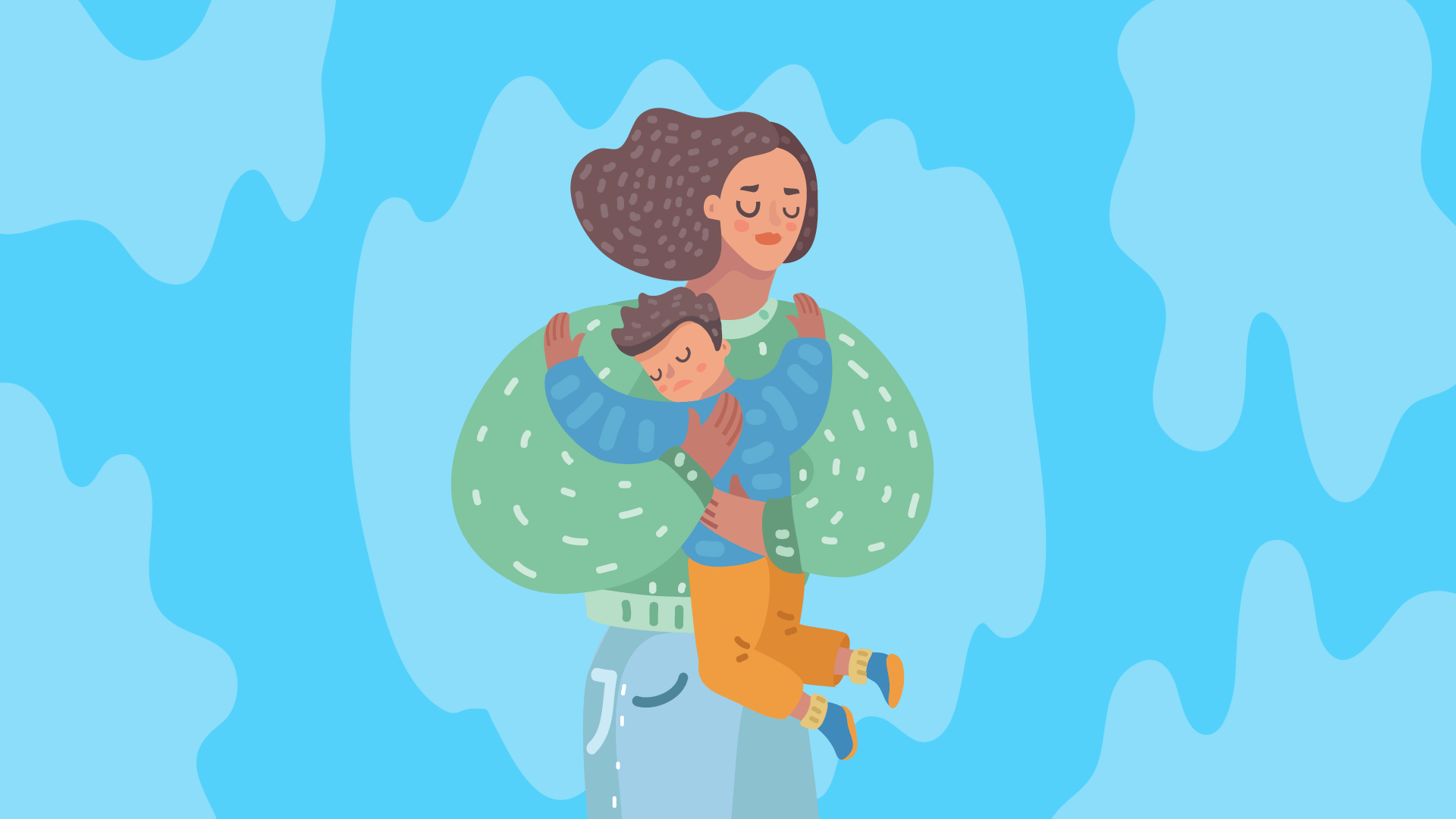
          How to Help Children Cope with Grief and Loss

          By: Josette DeFranco

          A question you don’t hear enough but should be asked more is “What is grief?” Grief is the terrible pain that accompanies loss. Since grief is a reflection of our love, it can feel suffocating. There is no time limit for healing the pain that comes along with loss. Many individuals try to suppress their pain and agony causing them to feel guilt and stagnant. Many individuals may experience grief in short passes where the feeling of distress and sadness comes and goes. Meanwhile, others may experience grief for a long period, such as months or years. It’s important to remind yourself and others that you can grieve at your own pace.

          In addition, children experience grief and loss in many different ways. Children are like sponges; they take in information through observation and learned behavior. Although they are young they have deep feelings and can understand their own emotions more than it is perceived. When children grieve it can be a confusing time for them and parents. Do you tell the truth? Or do you rationalize and give simple answers such as “Grandpa is just sleeping.” Being present with them allows you to grieve as well. When children see that their parents can be vulnerable and compassionate it allows them to express themselves and be who they really are.

          Here are a couple of ways to help children cope with grief:

          • You can tell children the truth, even though you might not include all the specific information. Mentioning to them that Grandpa is sleeping may cause them to feel afraid to go to sleep or telling them he is in heaven may make them pack their belongings and find heaven. Be clear, honest, and simple.
          • Allow them to ask questions. You can’t protect them from the truth but you can give them your empathetic support and love.
          • Attending the funeral or keeping children home. Ask your child and allow them to decide. If they say yes, have someone who will be present with them and can keep them occupied in case being around sad adults gets overwhelming. If they say no, you can offer another way to remember or honor the person such as showing pictures or lighting a candle.
          • Give reassurance.

          If you or someone you know is struggling with their mental health, please contact our psychotherapy offices in New York or New Jersey to talk to one of our licensed professional psychologists, psychiatrists, psychiatric nurse practitioners, or psychotherapists at Arista Counseling & Psychotherapy. Contact our Paramus, NJ, or Manhattan, NY offices respectively, at (201) 368-3700 or (212) 722-1920 to set up an appointment. For more information, please visit https://aristapsychiatrypsychotherapy.com/

          Sources:

          https://www.psychologytoday.com/us/blog/playful-parenting/202301/how-to-help-children-cope-with-death-and-grief

          https://www.psychologytoday.com/us/blog/tales-of-grief/201903/when-children-grieve

          https://www.psychologytoday.com/us/basics/grief

          Post-Traumatic Stress Disorder: The Aftermath of a School Shooting

          Post-Traumatic Stress Disorder: The Aftermath of a School Shooting

          By Fiona McDermut

                      After yet another school shooting in the United States left 19 children dead, many parents in grief, and a multitude of survivors in agony, it is time we recognize the impact that is left on the survivors of such devastating events. Although children are known to be particularly resilient, such impactful experiences may lead to post-traumatic stress disorder (PTSD).

                      In children, PTSD symptoms are often overlooked or confused with other psychiatric disorders. These symptoms may include restlessness, fidgety behavior, trouble focusing or staying organized, reliving traumatic events through thought or play, nightmares, inconsistent sleep patterns, intense fear or sadness, angry outbursts, avoiding topics associated with the traumatic event, and feelings of denial. These emotions may be triggered by something that reminds the child of the event.

                      Such devastating events are hard for anyone to understand, especially a child. If your child has experienced trauma, the symptoms can be best treated if they get in contact with a mental healthcare provider as soon as possible. Even if the child is not ready to talk about the events, many psychologists and psychotherapists can understand the situation by observing the child’s behaviors. Multi modal psychotherapy including cognitive behavioral therapy is frequently used in these situations. In certain situations, your child’s therapist may recommend the addition of safe and helpful medication.

                      School should be a safe space for children, but after recent events, apprehensiveness in regard to attending school is understandable. If you or your child is experiencing extreme persistent fear following the recent events, your child will benefit from meeting with a mental health professional to get necessary treatment for his or her symptoms.

                      If you or someone you know is struggling with post-traumatic stress disorder, please contact our psychotherapy offices in New York or New Jersey to talk to one of our licensed professional psychologists, psychiatrists, psychiatric nurse practitioners, or psychotherapists at Arista Counseling & Psychotherapy. Contact our Paramus, NJ or Manhattan, NY offices respectively, at (201) 368-3700 or (212) 722-1920 to set up an appointment. For more information, please visit http://www.counselingpsychotherapynjny.com/

          Sources:

          https://www.cdc.gov/childrensmentalhealth/ptsd.html

          Image Source:

          https://www.unicef.org/parenting/how-talk-your-children-about-conflict-and-war

          Laziness: The Harmful Effects of the Term “Lazy” on Mental Health

          By: Rebecca Fernandez

                         “Lazy” is a common uncomplimentary term in modern vocabulary for when someone is unproductive. Think back to a time a group member failed to pull their weight in a group project, or a time someone procrastinated severely, leaving everything for the last minute and creating a poor final product. Consider even a time where you witnessed someone who, by early afternoon, was seemingly unable to bring themselves to get out of bed to start the day.

          Whether it was yourself or someone else that you imagined, it’s easy to write off everyone in those examples as lazy. However, there’s a major issue with doing that – “laziness” is often not the cause of these situations. Rather, many mental health conditions can create issues that simulate behaviors identical to laziness.

          Take, for example, disorders such as attention deficit hyperactivity disorder (ADHD), depression and other mood disorders, insomnia and other sleep disorders, and anxiety disorders including obsessive compulsive disorder (OCD) and generalized anxiety disorder (GAD). Each of these conditions can negatively impact a person’s ability to be productive, making them appear lazy. People with ADHD can often find themselves imagining all of the tasks they could be engaging in at once and becoming so overwhelmed they feel almost paralyzed. People with depression and other mood disorders often lack the mental energy to accomplish anything. Similarly, people with insomnia and other sleep disorders often lack the physical energy to accomplish anything. People with GAD may have a crippling fear that they won’t be good enough at something, preventing them from attempting to do the task in question. People with OCD may have a crippling (rational or irrational) fear that something bad will happen if they do specific things, preventing them from doing those things.

                         All of these explanations are generalized and therefore may not apply to everyone with each listed disorder, or be the only applicable factor for each disorder’s effect on laziness. However, if you or someone you know has been consistently labeled as lazy, remember that “laziness” is often more than how it appears on the surface, and that actively struggling with mental health does not make a person a failure.

          If you or someone you know is exhibiting signs of “laziness” as described above that are getting in the way of day-to-day life, please contact our psychotherapy offices in New York or New Jersey to talk to one of our licensed professional psychologists, psychiatrists, psychiatric nurse practitioners, or psychotherapists at Arista Counseling & Psychotherapy. Contact our Paramus, NJ or Manhattan, NY offices respectively, at (201) 368-3700 or (212) 722-1920 to set up an appointment. For more information, please visit http://www.counselingpsychotherapynjny.com/

          https://www.psychologytoday.com/us/blog/hide-and-seek/201410/the-psychology-laziness

          Discipline and the Effects of Yelling at a Child

          By Katie Weinstein

          When it comes to verbal abuse, many people disregard it as a form of abuse because it is not as concrete as physical or sexual abuse, and it is more difficult to draw the line between verbal abuse and scolding. However, the effects of yelling and verbal abuse are just as detrimental and intense as any other type of abuse and can lead to depression and anxiety.

          Being yelled at frequently increases the activity of the amygdala, which is the area of the brain that is responsible for emotions. This is because loud noises are signaled to the brain as a warning sign for danger. The amygdala increases stress hormones in the body, which increases muscular tension. These signals tell the body to fight, flight, or freeze, but none of these options are okay when a parent is yelling at a child since it isn’t acceptable to run away from a caregiver or fight them, which leaves the body to be in a stress condition with no purpose or function.  

          There are long term effects of yelling at a child frequently since the brain develops neuronal pathways according to our experiences. If the child is conditioned to frequently respond to stressful situations, the child will develop pathways that activate a stress response quickly. Since negative interactions impact a person more than positive interactions, it affects our expectations and self-esteem drastically, especially if the yelling involves name calling, as well as behavior. One might think that yelling would get a child not engage in a specific behavior, but in reality yelling increases bad behavior due to stress and increased aggression as a result of a hyperactive amygdala, which may cause the parent to yell more. Since the child is constantly stressed, they are at risk for mental health problems such as anxiety and depression. Additionally, since yelling is not an effective communication style, the child may not learn to properly communicate, which can affect the child’s relationships in the future, leading to more problems down the road.

          If you or someone you know is experiencing trauma from verbal abuse please contact our psychotherapy offices in New York or New Jersey to talk to one of our licensed professional psychologists, psychiatrists, psychiatric nurse practitioners, or psychotherapists at Arista Counseling & Psychotherapy. Contact our Paramus, NJ or Manhattan, NY offices respectively, at (201) 368-3700 or (212) 722-1920 to set up an appointment. For more information, please visit http://www.counselingpsychotherapynjny.com/

          https://optimistminds.com/psychological-effects-of-being-yelled-at/

          The Problem with Yelling

          https://www.healthline.com/health/parenting/effects-of-yelling-at-kids

          Is an Emotional Support Animal Right for You

          By Eleanor Kim

          Pets have brought joy and comfort to pet owners for hundreds of years. The sheer presence of a happy-go-lucky dog or cat is enough to bring a smile to anyone’s face. The benefits of pet ownership can go beyond mere companionship or responsibility, in fact, emotional support animals are able to, as their name indicates, provide emotional support and other mental health benefits.

          Common ways in which emotional support animals could support their owners are:

          • Fostering emotional connectivity
          • Helping people during times of crisis
          • Lowering anxiety
          • Offering trauma support
          • Improving physical health (Lower blood pressure, decrease respiration rates, improve ability to cope with pain, etc.)
          • Lowering feelings of loneliness or depression
          • Reciprocating feelings of love and care

          It is important to indicate the difference between emotional support animals and service animals. Service animals also provide emotional support to their owners; however, service animals undergo intensive training to perform specific tasks necessary to aid their owners’ needs. In contrast, emotional support animals do not need formal training and simply need to receive a certification from the state registry. In order to qualify for an emotional service animal, individuals must acquire a prescription from a licensed mental health professional indicating that the presence of an emotional support animal is necessary for the mental health of the patient.

          In a time when all of us are at home and may be in need of more emotional support, emotional support animals may provide the help you need. If you are interested in receiving emotional support, whether that be through a support animal or through a mental health professional, we here at Arista Counseling are here to assist you.

          If you or someone you know is looking for emotional support, please contact our psychotherapy offices in New York or New Jersey to talk to one of our licensed professional psychologists, psychiatrists, psychiatric nurse practitioners, or psychotherapists at Arista Counseling & Psychotherapy. Contact our Paramus, NJ or Manhattan, NY offices respectively, at (201) 368-3700 or (212) 722-1920 to set up an appointment. For more information, please visit http://www.counselingpsychotherapynjny.com/.

          References:

          Everything You Need to Know About Emotional Support Animals

          https://www.verywellmind.com/what-is-an-emotional-support-animal-4171479#definition

          Picture Source:

          https://figopetinsurance.com/blog/can-cats-dogs-live-together-peacefully

          Depression: Living with Major Depressive Disorder

          Depression: Living with Major Depressive Disorder

          By: Zoe Alekel

          Have you been experiencing persistent sadness, anxiety, or feelings of emptiness? Even hopelessness, irritability, guilt, worthlessness, loss of interest or pleasure in activities or hobbies—these are all symptoms of Major Depressive Disorder (MDD). More commonly, MDD is known as depression. Dealing with this diagnosis is not easy because of how long these symptoms can last and how invasive they feel.

          The Mayo Clinic defines MDD as “A mood disorder that causes a persistent feeling of sadness and loss of interest. Also called major depressive disorder or clinical depression, it affects how you feel, think and behave and can lead to a variety of emotional and physical problems. You may have trouble doing normal day-to-day activities, and sometimes you may feel as if life isn’t worth living” (Mayo Clinic). It is important to consider contacting a doctor or a therapist to discuss these symptoms, as they can become more severe and invasive with time.

          Some ways you can reach help are:

          • Call a local counseling or psychological center.
          • Call a psychiatrist in your area that can help provide medication if needed.
          • Reach out to a close friend or loved one for support.

          The National Institute of Mental Health suggests that the earlier the treatment begins with a therapist or a psychiatrist, the more effective it can be. Depression can be treated with psychotherapy, medication, or a combination. Additionally, meditation and mindfulness can help develop coping skills for those experiencing depression. If you are experiencing depression, it is important to remember that there is hope and there is a way out of the darkness you are experiencing.

          If you or someone you know needs support with depression, please contact our psychotherapy office in New York or New Jersey to talk to one of our licensed professional psychologists, psychiatrists, psychiatric nurse practitioners, or psychotherapists at Arista Counseling & Psychotherapy. Contact our Paramus, NJ or Manhattan, NY offices respectively at (201) 368-3700 or (212) 722 – 1920 to set up an appointment. For more information, please visit http://www.counselingpsychotherapynjny.com/

          Sources:
          https://www.mayoclinic.org/diseases-conditions/depression/symptoms-causes/syc-20356007
          https://www.nimh.nih.gov/health/topics/depression/index.shtml

          Image Source:
          http://metamedianews.com/2018/06/mdd-major-depressive-disorder/

          Anxiety, Depression, Eating Disorders, ADHD, Et al: How to Support a Friend with Mental Illness

          By: Sarah Cohen

          When helping a friend with a mental illness, the first step should be assessment of their symptoms. Sometimes they just might be going through a difficult time, but if certain common symptoms associated with mental health issues persist it is imperative to respond sensitively. Majority of the time, friends will just want to know they have your support and that you care about them. A good way to show your support is by talking to them. If you provide a non-judgmental space for them to speak about their issues it will help encourage them to be open with their problems. Let them lead the conversation and don’t pressure them to reveal information. It can be incredibly difficult and painful to speak about these issues and they might not be ready to share everything. If you aren’t their therapist do not diagnose them or make assumptions about how they are feeling, just listen and show you understand. If someone doesn’t want to speak with you, don’t take it personally, just continue to show them you care about their wellbeing and want to help as much as possible. Just knowing they have support can give them the strength they need to contact someone who can help them.

          If a friend is having a crisis, such as a panic attack or suicidal thoughts, you must stay calm. Try not to overwhelm them by asking a lot of questions and confronting them in a public setting. Ask them gently what would be helpful to them right now or reassure them. If they hurt themselves, get first aid as soon as possible. If someone is suicidal, contact the suicide hotline at 800-237-8255 immediately.

          The best way to help someone is by connecting them to professional help. By expressing your concern and support you can show them that they can get help and their mental health problems can be treated.

          If you or someone you know needs support with their mental illness, please contact our psychotherapy offices in New York or New Jersey to talk to one of our licensed professional psychologists, psychiatrists, psychiatric nurse practitioners, or psychotherapists at Arista Counseling & Psychotherapy. Contact our Paramus, NJ or Manhattan, NY offices respectively, at (201) 368-3700 or (212) 722-1920 to set up an appointment. For more information, please visit http://www.counselingpsychotherapynjny.com/

          https://www.mentalhealth.org.uk/publications/supporting-someone-mental-health-problem

          https://www.mentalhealth.gov/talk/friends-family-members

          Suicide: Suicidal Awareness, All Year and Every Year

          By: Diana Bae

          September is National Suicide Prevention and Awareness Month. Although today is the last day of the month, the awareness of suicide should not be limited to a single month. Instead, it is an issue that should be recognized every single day because in all cases, suicide is preventable.

          2% of all deaths in the United States are due to suicide. The affected population is usually men of older age but as of recently, has also involved more teenagers and young adults (ages 15-24). The most common causes are due to feelings of hopelessness, loneliness, stress as well as the effects of psychological illnesses, like depression.

          However, it is important to know that NO ONE IS ALONE WITH THIS STATE OF MIND. With the correct help, all of these difficulties can be helped when speaking with a psychologist. If you or someone you know has expressed these thoughts, including but not limited to: suicidal ideation, self-harm, extreme changes in behavior, and relying on substances, contact a therapist right away.

          Arista Psychological and Psychiatric Services will be there to help those who are feeling suicidal and are dedicated to be a comforting source for those seeking for treatment. If you or someone you know would like to set up an appointment for our counseling services, contact us at our offices in Paramus, NJ (201) 368-3700 or in Manhattan, NY (212) 996-3939. For more information, please visit our website https://www.counselingpsychotherapynjny.com/

          For emergency situations: National Suicide Prevention Lifeline at 1-800-273-TALK (8255).


          Sources:

          https://www.apa.org/topics/suicide/

          https://www.psychologytoday.com/us/basics/suicide

          https://www.apa.org/topics/suicide/signs

          Image source: http://www.webgranth.com/alone-wallpapers-download-latest-hd-alonesad-wallpaper-free

          Seasonal Affective Disorder

          Seasonal Affective Disorder (S.A.D)

          By Tatyana A. Reed

          As the weather seems to slow down and we shift from bright sunny days to cold winter nights, some of us may notice a sudden change of mood that comes with this weather shift. This change of mood is called Seasonal Affective Disorder (S.A.D). According to National Institute of Mental Health (NIMH), “S.A.D is a type of depression that comes and goes with the seasons, typically starting in the late fall and early winter and going away during the spring and summer. Depressive episodes linked to the summer can occur, but are much less common than winter episodes of SAD.”

          Signs & Symptoms

          • Feeling depressed most of the day, nearly every day
          • Feeling hopeless or worthless
          • Having low energy
          • Losing interest in activities you once enjoyed
          • Having problems with sleep
          • Experiencing changes in your appetite or weight
          • Feeling sluggish or agitated
          • Having difficulty concentrating
          • Having frequent thoughts of death or suicide.

          Causes

          • People with SAD may have trouble regulating seratonin, which is one of the key neurotransmitters involved in mood.
          • People with SAD may overproduce the hormone melatonin.
          • People with SAD also may produce less Vitamin D.


          Getting Treated

          • Medication: if someone suffers from S.A.D they can be helped by taking Selective Serotonin Reuptake Inhibitors (SSRIs). However, like all medication there are side effects, make sure to speak with your doctor about this first.
          • Light therapy: the feelings of S.A.D can be lessoned by sitting in front of a light box that emits 10,000 lux of cool- white- fluorescent light for 20-60 minutes. The light is said to replace the loss of light from daylight savings
          • Therapy: it is best to talk with a psychologist, counselor, or someone in the mental health field when feeling different types of emotions that may be negative such as sadness or anger. Seeking help is the first step to eliminating S.A.D.

          If you or a person you know is struggling with S.A.D, it may be beneficial to contact a mental health professional and receive therapy. The psychologists, psychiatrists, and therapists at Arista Counseling and Psychiatric Services can help.  Contact the Bergen County, NJ or Manhattan offices at (201) 368-3700 or (212) 722-1920.  Visit http://www.acenterfortherapy.com for more information.

          References:

          Koblenz, Jessica. “11 Things About Seasonal Affective Disorder That Psychologists Wish You Knew.” Reader’s Digest, www.readersdigest.ca/health/conditions/seasonal-affective-disorder-facts/. (PHOTO)

          National Mental Health Institute. “Seasonal Affective Disorder.” National Institute of Mental Health, U.S. Department of Health and Human Services, http://www.nimh.nih.gov/health/topics/seasonal-affective-disorder/index.shtml.