Hypnosis: What can you do to help with your anxiety?

Hypnosis: What can you do to help with your anxiety?

By, Maro Mikhaeil

Anxiety has occurred amongst millions of individuals from all over the world. In fact, Anxiety is the most common mental illness for its effect on a wide range of individuals.

There are many treatments for individuals experiencing symptoms of anxiety. One of the most successful treatments is hypnosis, which entails hypnotic inductions. Hypnosis essentially teaches you how to be in a state of trance and deep relaxation. Hypnosis helps to decrease feelings of anxiety by keeping your emotions in check and actually helps you anchor these calm feelings. Anchoring is a technique being used here that teaches an individual undergoing hypnosis to associate to more positive triggers instead of negative ones (Leming, 2023).

Hypnosis may even allow individuals to recall memories and revisit them, in a way that decreases one’s anxiety. In other words, it may take you into a dream-like state where you will go back to the time that caused your anxiety and help you conquer it.

If you or someone you know is struggling with their mental health, severe anxiety please contact our psychotherapy offices in New York or New Jersey to talk to one of our licensed professional psychologists, psychiatrists, psychiatric nurse practitioners, or psychotherapists at Arista Counseling & Psychotherapy. Contact our Paramus, NJ or Manhattan, NY offices respectively, at (201) 368-3700 or (212) 722-1920 to set up an appointment. For more information, please visit http://www.counselingpsychotherapynjny.com/

Sources:

https://www.forbes.com/health/mind/anxiety-statistics/#:~:text=Roughly%20301%20million%20people%2C%20an,are%20affected%20by%20anxiety%20disorders

https://www.forbes.com/health/mind/anxiety-statistics/#:~:text=Nationally%3A%20Over%2040%20million%20adults,mental%20illness%20in%20the%20world.

https://www.choosingtherapy.com/hypnosis-for-anxiety/#:~:text=A%20hypnotherapist%20guides%20a%20person,focused%20awareness%2C%20and%20soothing%20suggestions.

Anxiety Disorder: Caffeine Induced

By: Julia Massa

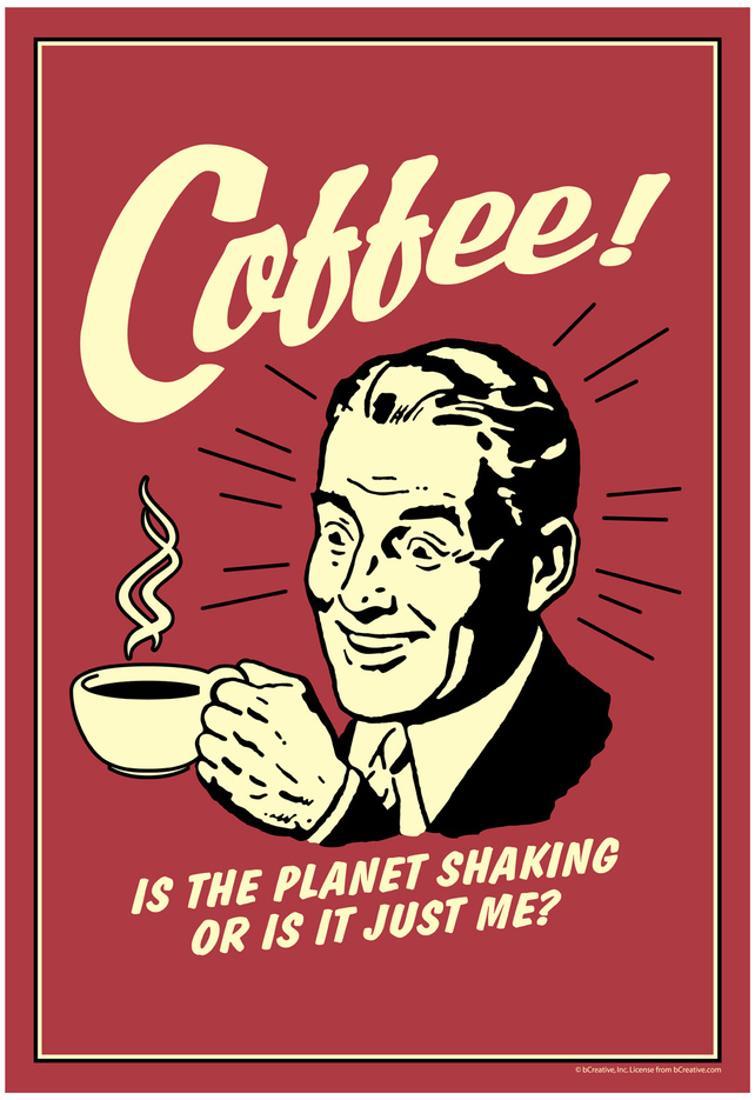
Starbucks, Dunkin, Wawa, and other “on the go” stops will never go out of business. Humans rely heavily on caffeine to get through their shifts, workouts, or even just to post a quick Instagram story. In fact, humans spend five to ten dollars on their caffeine cravings each day. However, there are several caffeine related disorders according to the DSM-IV, including caffeine intoxication, caffeine-induced anxiety disorder, caffeine-induced sleep disorder, and caffeine-related disorder not otherwise specified. Some symptoms of caffeine-induced anxiety include red face, shaking, muscle twitching, confused speech, sweating, insomnia, frequent urination, impulsive reactions towards minor inconveniences, and mood swings. Caffeine-Induced Anxiety is caused by the effect of caffeine on the brains neurotransmitters, such as norepinephrine. This chemical increases stress hormones, like cortisol, which is linked to many mental disorders and may interact with medications a patient is already taking to manage their anxiety symptoms.

Caffeine is listed as a drug in both medical and psychiatric literature since it is a central nervous stimulant and can be fatal if a person exceeds the daily recommendation of 400mg. For those with anxiety, 200mg or less is the recommended dose. Though it is rare, consuming a caffeine pill of a high dose can lead to ventricular fibrillation and death. Caffeine is legal and unregulated, which is why many people do not realize how their medium hot caramel coffee with almond milk can exaggerate their anxiety symptoms or cause anxiety-related symptoms. When people limit their caffeine intake suddenly, they may experience withdrawal symptoms similar to addictive drugs like cocaine. These symptoms include headache, irritability, drowsiness, loss of focus, insomnia, stomach pain, etc. For this reason, many individuals continue to drink caffeinated beverages to prevent these symptoms. In fact, more than 97% of caffeine consumed by adolescents and adults come from beverages.

Though the prevalence rate for caffeine-induced psychiatric disorders has not been well established, there is a high comorbidity rate between caffeine and several mood and substance abuse disorders.

If you or someone you know is struggling with anxiety, please contact our psychotherapy offices in New York or New Jersey to talk to one of our licensed professional psychologists, psychiatrists, psychiatric nurse practitioners, or psychotherapists at Arista Counseling & Psychotherapy. Contact our Paramus, NJ or Manhattan, NY offices respectively, at (201) 368-3700 or (212) 722-1920 to set up an appointment. For more information, please visit http://www.counselingpsychotherapynjny.com/

http://www.americanmedtech.org/files/STEP_Online_articles/353.pdf

https://www.dovemed.com/diseases-conditions/caffeine-induced-anxiety/