Anxiety: Generalized Anxiety Disorder – Chronic Worry

Anxiety: Generalized Anxiety Disorder – Chronic Worry

By: Michelle Cocone

Do you ever find yourself worrying about everything all the time? You find that you can’t seem to find a way to let go, the worries always get in the way. If you are experiencing the following symptoms then you may have generalized anxiety disorder.

Generalized anxiety disorder is when you have immense worry and anxiety which affects your everyday life. Not to be confused with worrying because everyone worries about things or events occurring in their life. The difference is that one knows how to let it go or even worry about it for a bit and move on. For those experiencing generalized anxiety disorders, they don’t have a way of letting it go; it’s all they are constantly thinking about.

It may sound like:

What if I can’t get my laundry done? What if I can’t find a job? Will I be able to pay the bills on time? What if I fail in school? What if I get rejected? What if people don’t like me?

Notice how many of these worrisome are “what if” questions. It could be that you are worrying about situations/problems that haven’t yet occurred. This is one of the symptoms of this anxiety disorder- you fear the unknown which makes you worry constantly. You’ll find that you won’t be able to relax. For example, many students worry about picking and starting college. People with this disorder can also find themselves to be indecisive because they are scared to make the wrong choice.

What if I pick the wrong university? What if I fail out of my classes? What if I don’t like the people there? What if it’s too hard for me to manage?

At the end of the day we are human, we all make mistakes. We can’t be perfect all the time. In order to continue growing and be healthy, we have to sometimes make the wrong choices and learn from them. Our mistakes are what help us progress. If we are constantly worrying, then we can’t go anywhere, we’re stuck. Other symptoms you might be experiencing are: constant fatigue, muscle aches, overthinking, unable to relax, and irritability.

Generalized anxiety disorders in children are expressed differently than in adults. Children worry about being accepted, having good grades, being good at sports, making friends, being included in social outings, trying to make everything perfect, and seeking approval from their parents. This affects their mental health and everyday life routine.

Generalized anxiety disorder in adults, is more severe. Adults tend to worry about being financially stable, buying a house, not having credit card debt, having good credit, finding a good job, finding a romantic partner, and starting a family. Anxiety can be overwhelming, however. We have to remember that it’s not normal to chronically worry all the time. It’s really unhealthy and leads to poor mental health. Worrying about everything won’t make the situation better. It might actually worsen your health.

If you or someone you know is struggling with generalized anxiety disorder, please contact our psychotherapy offices in New York or New Jersey to talk to one of our licensed professional psychologists, psychiatrists, psychiatric nurse practitioners, or psychotherapists at Arista Counseling and Psychotherapy. Contact our Paramus, NJ, or Manhattan, NY offices respectively, at (201) – 368-3700 or (212)-722-1920 to set up an appointment. For more information, please visit https://www.counselingpsychotherapynjny.com/

References

Generalized anxiety disorder (GAD). Johns Hopkins Medicine. (2024a, April 16). https://www.hopkinsmedicine.org/health/conditions-and-diseases/generalized-anxiety-disorder

U.S. Department of Health and Human Services. (n.d.-a). Generalized anxiety disorder: When worry gets out of Control. National Institute of Mental Health. https://www.nimh.nih.gov/health/publications/generalized-anxiety-disorder-gad

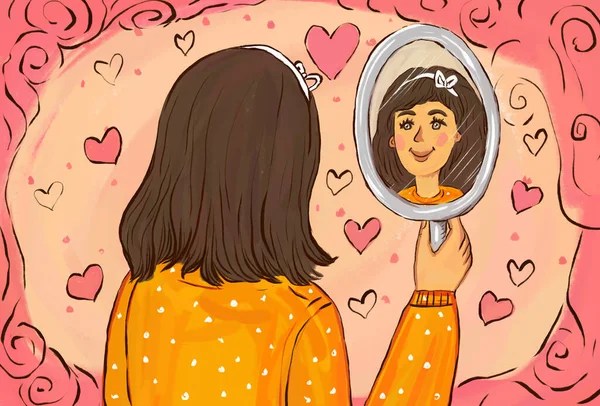
Self-Love: Learning to Love YourSELF

Self-Love: Learning to Love YourSELF

By: Michelle Cocone

February is known to be the month of love, spreading love to our loved ones. We spend a lot of time trying to share that love that we often forget about ourselves. It’s important to learn how to love yourself. It helps us lead a healthier life and have better mental health. When we don’t love ourselves, it takes a toll on us, possibly leading to depression, anxiety, or an eating disorder. There are many ways to show love to ourselves, here are a couple ways.

Shift Your Perspective

  • Focusing on the bad aspects of ourselves won’t lead to anywhere good
  • Shift your perspective towards a more positive outlook
  • Don’t always see the cons, recognize the pros as well, they need love too

Affirmations

  • Write out a list of what you like + love about yourself
  • Tell yourself that you appreciate all parts of  your body/personality
  • Embrace the beauty of it all
  • Remember your body does plenty of work to keep you going every day
  • Keep telling yourself all these affirmations throughout the low points you may have

Practice Self-Love

  • Focus on the hobbies that you enjoy
  • Pour yourself  into becoming better at your hobbies
  • Be kind to yourself, you only have one body, so take care of it
  • Learn to forgive yourself when you haven’t accomplished everything you hoped for
  • Learn to forgive yourself when you aren’t kind to yourself
  • It’s okay to say “No.” You don’t have to please others all the time.

The most important relationship you can have is with yourself.  You may have heard this saying once or twice but it’s true, “Learn to love yourself first so you can spread love to others.”  Make time to focus and nourish your own self. It doesn’t all get done in one day. As long as you work on yourself a little bit every day that’s all that matters.

If you or someone you know is struggling with self-love, please contact our psychotherapy offices in New York or New Jersey to talk to one of our licensed professional psychologists, psychiatrists, psychiatric nurse practitioners, or psychotherapists at Arista Counseling and Psychotherapy. Contact our Paramus, NJ or Manhattan, NY offices respectively, at (201) – 368-3700 or (212)-722-1920 to set up an appointment. For more information, please visit https://www.counselingpsychotherapynjny.com/

References

Improving every area of your life starts with self-love. Improving Every Area of Your Life Starts with Self-Love | Tony Robbins. (n.d.). https://www.tonyrobbins.com/ultimate-relationship-guide/how-to-fall-in-love-with-yourself?srsltid=AfmBOoq4CvACby5hWenBdEGAH5zBgxAPOtKzEvtobHDRZ6cGfT9MaFtn


Pomlett, M. (2020, December 21). Learn how to self-love. Psychological Health Care. https://www.psychologicalhealthcare.com.au/blog/learn-how-to-self-love/

Social Anxiety: The Impact of Social Media on Social Anxiety

Social Anxiety: The Impact of Social Media on Social Anxiety

By: Josette DeFranco

Social anxiety is very common and can be a part of your everyday living whether it is online or offline. Social anxiety means you have persistent fears about being in social situations. Social media has become society’s major way of communicating. It has allowed users to create their own distinctive profiles and content to share with others. It has been found that social media use has caused unrealistic goals and expectations. This can create low self-esteem and a lack of in-person interactions. This may lead to anxiety because you may feel like you don’t live up to your social media image. Nonetheless, it may cause you to feel judged by your choices or appearance. It is important to pay attention to your emotions when logged onto social media and to remember that others experience similar thoughts.

Should you take a break from social media?

Social media can affect individuals differently. However, if you notice social media is causing damage to your mental health, self-esteem, social interactions, and making your moods worse then you may want to consider a social media break. Having a social media break even for a week or a month could enhance your mental state, allowing you to reflect and focus on your mental health needs. It has been noticed that individuals felt more grounded and less anxious, isolated, and depressed.

If you or someone you know is struggling with their mental health, please contact our psychotherapy offices in New York or New Jersey to talk to one of our licensed professional psychologists, psychiatrists, psychiatric nurse practitioners, or psychotherapists at Arista Counseling & Psychotherapy. Contact our Paramus, NJ or Manhattan, NY offices respectively, at (201) 368-3700 or (212) 722-1920 to set up an appointment. For more information, please visit https://aristapsychiatrypsychotherapy.com/

Sources:

https://www.sciencedirect.com/science/article/pii/S245195882100018X

https://www.psychologytoday.com/us/blog/thriving-with-the-challenges/202208/a-social-media-vacation-is-waiting-for-you

Anxiety: How to Cope with Back-to-school Anxiety

Anxiety: How to Cope with Back-to-school Anxiety

By: Josette DeFranco

The first few weeks before school is back in session have greatly affected children and college students. Believe it or not, back-to-school anxiety is common and a manageable issue. Anxiety can impact a student’s concentration, memory, and ability to be engaged in activities. Also, another area being affected by back-to-school anxiety is social development. School is a main scene for socialization allowing students to build relationships and develop effective communication skills. Managing back-to-school anxiety is great for academic performance. Dealing with anxiety can help prevent social isolation, low self-esteem, and difficulty in forming healthy peer relationships.

There are many ways to make the change much easier and less stressful. Below are a few tips to help manage back-to-school anxiety.

  • Practice self-care
  • Create a support system
  • Focus on the positive
  • Rehearse the drop-off
  • Visit the school
  • Take deep breaths

If you or someone you know is struggling with their mental health, please contact our psychotherapy offices in New York or New Jersey to talk to one of our licensed professional psychologists, psychiatrists, psychiatric nurse practitioners, or psychotherapists at Arista Counseling & Psychotherapy. Contact our Paramus, NJ or Manhattan, NY offices respectively, at (201) 368-3700 or (212) 722-1920 to set up an appointment. For more information, please visit https://aristapsychiatrypsychotherapy.com/

Sources:

https://adaa.org/learn-from-us/from-the-experts/blog-posts/consumer/7-tips-addressing-back-school-anxiety

Throwing Up: The Fear of Throw Up

By Caroline Buchanan

The fear of throw up, also referred to as emetophobia, is a specific phobia that revolves around the fear of vomiting, seeing vomit, watching other people vomit, or feeling sick. Emetophobia tends to leave people in a state of anxiety, overtaking their thoughts and engaging in behaviors that impact their everyday life. For example, you may avoid crowded places, traveling, eating out, or closely monitor your own health in an attempt to reduce the distress you may feel. While this anxiety can feel overwhelming and unbearable at times, this condition can be managed by a therapist.

What causes emetophobia?

Specific phobias tend to develop after a specific incident. As a result of this incident, an association is created between a thing – an object, situation, or an event – and a fear (Psych Central). Specifically in the context of emetophobia, this could involve getting sick in public, someone vomiting on you, having a bad case of food poisoning, or seeing someone else throw up. Emetophobia can also develop without a clear cause, causing experts to believe that genetics and the environment play a role. Regardless of whether you can pinpoint an incident or not, this anxiety can still be managed.

How can emetophobia be managed?

Exposure therapy is considered to be one of the most effective treatments. In this type of therapy, your therapist will expose you to your fear at a slow rate. This could involve trying a new food at a restaurant or spinning around until you feel nauseous. With these actions, you will be provided with techniques to help you cope with these feelings of anxiety. The goal is that the more you are exposed to your fear, the more you feel comfortable with it. Talk therapy and cognitive behavioral therapy (CBT)can also be used to help learn how to identify and challenge negative thought patterns in your anxiety. While it may take some time to find the right therapist and techniques for you, it is worth it to alleviate the distress in your life.

If you or someone you know is suffering from emetophobia, please contact our psychotherapy offices in New York or New Jersey to talk to one of our licensed professional psychologists, psychiatrists, psychiatric nurse practitioners, or psychotherapists at Arista Counseling & Psychotherapy. Contact our Paramus, NJ or Manhattan, NY offices respectively, at (201) 368-3700 or (212) 722-1920 to set up an appointment. For more information, please visit http://www.counselingpsychotherapynjny.com/

https://www.healthline.com/health/emetophobia#outlook

Panic Attacks vs. Anxiety Attacks: Understanding the Differences and Seeking Help

Panic Attacks vs. Anxiety Attacks: Understanding the Differences and Seeking Help

By, Maro Mikhaeil

Have you ever felt your heart racing and felt completely detached from the world? Chances are, you may be experiencing a panic attack. Or have you ever felt so irritable and restless to the point where it’s disrupting your sleep? Well, in that case, you may be experiencing anxiety or an anxiety attack. Don’t get the two confused, as there are differences between them.

Panic attacks are intense, unexpected feelings of terror, fear, or discomfort. They are unexpected because they aren’t triggered by specific events and may occur without reason. Panic attacks are typically brief and only last several minutes. Physical symptoms include trembling, tingling, rapid heart rate, chest pain, feeling tightening in arms and hands, chills, etc. Symptoms vary from person to person, but these are the most common.

Anxiety attacks or anxiety are characterized by feeling restless and fearful that something is going to happen. Unlike panic attacks, anxiety attacks are triggered by specific events. Some physical symptoms include feeling lightheaded, dizzy, stomach knots, rapid heart rate, heavy breathing, hot flashes, nausea, headaches, backaches, and frequent sweating. Frequent anxiety attacks can indicate a type of anxiety disorder. Anxiety may not always be rational and may just occur because of fearing something bad is going to happen, even though it may just be all in your head.

It’s important to understand how you can differentiate between the two and to seek help when you need it. Often people don’t want to seek help, which can cause symptoms to worsen. Don’t be afraid to seek help, as there are many options available, such as therapy, medication, and lifestyle changes. It’s important to prioritize your mental health and take care of yourself. Remember that you are not alone, and many others have experienced similar symptoms. It’s okay to ask for help and take the steps necessary to manage your anxiety or panic attacks. With the right treatment and support, you can overcome these challenges and live a fulfilling life.

If you or someone you know is struggling with anxiety or panic attacks, please contact our psychotherapy offices in New York or New Jersey to talk to one of our licensed professional psychologists, psychiatrists, psychiatric nurse practitioners, or psychotherapists at Arista Counseling & Psychotherapy. Contact our Paramus, NJ or Manhattan, NY offices respectively, at (201) 368-3700 or (212) 722-1920 to set up an appointment. For more information, please visit http://www.counselingpsychotherapynjny.com/

Sources:

Diagnostic and Statistical Manual of Mental Disorders Fifth Edition by the American Psychiatric Association (DSM-IV)

https://www.self.com/story/anxiety-disorder-symptoms

https://www.webmd.com/anxiety-panic/anxiety-attack-symptoms

https://www.medicalnewstoday.com/articles/307863

https://www.mayoclinic.org/diseases-conditions/anxiety/symptoms-causes/syc-20350961

Hypnosis: What can you do to help with your anxiety?

Hypnosis: What can you do to help with your anxiety?

By, Maro Mikhaeil

Anxiety has occurred amongst millions of individuals from all over the world. In fact, Anxiety is the most common mental illness for its effect on a wide range of individuals.

There are many treatments for individuals experiencing symptoms of anxiety. One of the most successful treatments is hypnosis, which entails hypnotic inductions. Hypnosis essentially teaches you how to be in a state of trance and deep relaxation. Hypnosis helps to decrease feelings of anxiety by keeping your emotions in check and actually helps you anchor these calm feelings. Anchoring is a technique being used here that teaches an individual undergoing hypnosis to associate to more positive triggers instead of negative ones (Leming, 2023).

Hypnosis may even allow individuals to recall memories and revisit them, in a way that decreases one’s anxiety. In other words, it may take you into a dream-like state where you will go back to the time that caused your anxiety and help you conquer it.

If you or someone you know is struggling with their mental health, severe anxiety please contact our psychotherapy offices in New York or New Jersey to talk to one of our licensed professional psychologists, psychiatrists, psychiatric nurse practitioners, or psychotherapists at Arista Counseling & Psychotherapy. Contact our Paramus, NJ or Manhattan, NY offices respectively, at (201) 368-3700 or (212) 722-1920 to set up an appointment. For more information, please visit http://www.counselingpsychotherapynjny.com/

Sources:

https://www.forbes.com/health/mind/anxiety-statistics/#:~:text=Roughly%20301%20million%20people%2C%20an,are%20affected%20by%20anxiety%20disorders

https://www.forbes.com/health/mind/anxiety-statistics/#:~:text=Nationally%3A%20Over%2040%20million%20adults,mental%20illness%20in%20the%20world.

https://www.choosingtherapy.com/hypnosis-for-anxiety/#:~:text=A%20hypnotherapist%20guides%20a%20person,focused%20awareness%2C%20and%20soothing%20suggestions.

Eating Disorders: How To Catch Them in Your Loved Ones

Eating Disorders: How To Catch Them in Your Loved Ones

By Emily Ferrer

Eating disorders are characterized by severe and persistent troubles related to eating behaviors, food, and weight[1]. There are many different types of eating disorders; however, the most common are anorexia nervosa, bulimia nervosa, and binge eating disorder. Nine percent of the entire population suffers from an eating disorder and 10,200 deaths are recorded each year due to an eating disorder[2]. After reading about how common they are, I am sure you are wondering, “How do I know if I or someone I know has an eating disorder?” There are many signs and symptoms associated with eating disorders[3]:

Anorexia Nervosa:

  • Extreme weight loss
  • Muscle weakness
  • Bone weakness
  • Amenorrhea
  • Brittle hair/nails
  • Always feeling cold
  • Obsession with food
  • Depression

Bulimia Nervosa:

  • Frequent trips to the bathroom after a meal
  • Chronic sore throat
  • Dental decay
  • Laxative/diuretic misuse
  • Large amounts of food disappearing
  • Fainting from excessive purging

Binge-Eating Disorder:

  • Weight gain
  • Eating very rapidly
  • Eating until very full
  • Eating even when not hungry
  • Hiding large amounts of food
  • Eating alone on purpose
  • Feeling guilty after eating large amounts of food

Eating disorders can be extremely serious if not treated. It is important to stay informed about the signs and symptoms of different eating disorders so you can find help for you or someone you know as soon as possible. Other general signs of eating disorders to look out for are a sudden obsession with food (cooking it, eating it, watching cooking shows/videos), social withdrawal, drastic changes in mood, new attitudes towards food, new dieting habits, self-harm, excessive exercise, obsession with calorie and step count, repeatedly weighing themselves, and body dysmorphia[4]

If you or someone you know is struggling with an eating disorder, please contact our psychotherapy offices in New York or New Jersey to talk to one of our licensed professional psychologists, psychiatrists, psychiatric nurse practitioners, or psychotherapists at Arista Counseling & Psychotherapy. Contact our Paramus, NJ or Manhattan, NY offices respectively, at (201) 368-3700 or (212) 722-1920 to set up an appointment. For more information, please visit http://www.counselingpsychotherapynjny.com


Sources:

[1] https://psychiatry.org/patients-families/eating-disorders/what-are-eating-disorders

[2] https://anad.org/eating-disorders-statistics/

[3] https://psychiatry.org/patients-families/eating-disorders/what-are-eating-disorders

[4] https://www.lifeworkscommunity.com/eating-disorders-treatment/how-to-recognise-the-early-signs-of-an-eating-disorder

Anxiety in Young Adults During COVID-19

Anxiety in Young Adults During COVID-19

By Jackie Molan

Since the onset of the COVID-19 pandemic, rates of anxiety have sharply increased, especially in the young adult population (ages 18-24). Young adults are particularly susceptible to pandemic anxiety because they experienced enough “normal,” pre-COVID life to understand the current uncertainty of their own futures and the future state of the world.

Potential Anxiety Risk Factors

New studies have provided evidence that certain traits present in childhood and adolescence can lead to anxiety in young adulthood. One of these traits is behavioral inhibition, a childhood temperament characterized by nervousness and fear in response to new people and situations. Those who display behavioral inhibition during childhood are more likely to experience worry dysregulation – inadequate worry management skills – during adolescence. Worry dysregulation is a strong predictor of anxiety later in life, which can be brought on by a stressful life event. Therefore, the onset of the COVID-19 pandemic likely triggered anxiety in young adults who demonstrated this pattern of temperaments earlier in life.

Causes of Pandemic Anxiety

For young adults, the pandemic has interfered with their school, work, home, and social lives, leading to a significant upending of usual routines. Maintaining a daily routine often provides comfort, so it can be anxiety-inducing when this is lost due to external factors. Further, many people are experiencing “reentry anxiety” as more places reopen without mask mandates. It is difficult to navigate reentering society when there is lingering anxiety about future variants, vaccines, and mandates.

Steps to Improve Anxiety

The following are steps you can take to improve COVID-related anxiety:

  • Make time for stress reduction and self-care – This can be as simple as taking a walk or finding a few minutes during the day to meditate.
  • Follow a daily routine – Routines may be different than they were pre-COVID, but they can still be helpful.
  • Distinguish work/school life from home life – Even though you may be spending more time in your house than before, you can set boundaries to make work/school feel separate from home. Try designating certain times, or even rooms in the house, to leisure activities.
  • Seek help from a mental health professional.

Anxiety can feel like an uphill battle, but seeking help from a mental health professional can provide you with the resources you need to cope with post-COVID life.

If you or someone you know is seeking therapy for pandemic-related anxiety, please contact our psychotherapy offices in New York or New Jersey to talk to one of our licensed professional psychologists, psychiatrists, psychiatric nurse practitioners, or psychotherapists at Arista Counseling & Psychotherapy. Contact our Paramus, NJ or Manhattan, NY offices respectively, at (201) 368-3700 or (212) 722-1920 to set up an appointment. For more information, please visit http://www.counselingpsychotherapynjny.com/

Sources:

https://www.nimh.nih.gov/news/science-news/2021/study-identifies-risk-factors-for-elevated-anxiety-in-young-adults-during-covid-19-pandemic

https://psychcentral.com/coronavirus/coronavirus-overview

https://www.nytimes.com/2020/08/13/health/Covid-mental-health-anxiety.html

https://stayprepared.sg/mymentalhealth/articles/impact-of-covid-19-on-mental-health/

Obsessive-Compulsive Disorder: The Effects of OCD on Productivity

Obsessive-Compulsive Disorder: The Effects of OCD on Productivity

By Jackie Molan

Obsessive-compulsive disorder (OCD) is characterized by a cycle of obsessions and compulsions that interfere with the person’s daily life. Obsessions are unwanted thoughts and impulses that occur repeatedly and induce fear and/or anxiety in the person experiencing them. Compulsions are repetitive behaviors that occur in response to obsessions. They are typically intended to reduce the fear or anxiety brought on by obsessions, but this effect is short-lived, and thus the cycle continues.

Approximately 2% of the population suffers from OCD. Symptoms most often appear during adolescence or adulthood and are usually chronic. Therefore, if someone develops symptoms during adolescence, OCD is likely to cause them difficulties in numerous aspects of their lives as they age. A notable example of one of these aspects is productivity, which is relevant in both school and work environments.

Perfectionistic obsessions surrounding productivity and success are common in people with OCD. If an obsession causes anxiety about failing a task or assignment, the resultant compulsion might cause that person to spend hours checking and rechecking their work. This reduces productivity in the long run because it takes up valuable time and energy that could have been spent completing more tasks. Additionally, many compulsions involve some sort of movement, so it can be difficult for someone with OCD to sit at a desk for long periods of time. When OCD gets in the way of being productive, the person is likely to stress about their lack of productivity, which further exacerbates their OCD symptoms.

Although OCD has the potential to hinder productivity, there are steps you can take to improve it:

  • Go to therapy – The techniques employed in therapy can help you keep your OCD symptoms under control, allowing for increased productivity.
  • Manage stress – Finding ways to cope with stress will help prevent OCD symptoms from worsening.
  • Gain a better understanding of perfectionism – Learning about the pitfalls of perfectionism can allow you to set more realistic goals.
  • Practice self-care and compassion – Be kind to yourself even when you are feeling unproductive.

Living with OCD can certainly be challenging, but a more productive future is not impossible if you understand the nature of your problem and seek professional help with a psychologist or psychiatric nurse practitioner.

If you or someone you know is seeking therapy for obsessive-compulsive disorder, please contact our psychotherapy offices in New York or New Jersey to talk to one of our licensed professional psychologists, psychiatrists, psychiatric nurse practitioners, or psychotherapists at Arista Counseling & Psychotherapy. Contact our Paramus, NJ or Manhattan, NY offices respectively, at (201) 368-3700 or (212) 722-1920 to set up an appointment. For more information, please visit http://www.counselingpsychotherapynjny.com/

Sources:

https://psychcentral.com/ocd/ocd-and-productivity#How-OCD-can-affect-productivity

https://www.psychologytoday.com/us/basics/ocd

https://adaa.org/learn-from-us/from-the-experts/blog-posts/consumer/what-happened-my-child-understanding-and