Anxiety: Test Anxiety

By: Charleene Polanco

Have you ever had a moment of extreme panic, right before the beginning of a test? How about feeling like you are about to faint, or excessive sweat during an exam? If these symptoms describe your test-taking experience, then you might be suffering from test anxiety.

Test anxiety is defined as a psychological condition where people experience severe distress and anxiety during exams. Some causes of test anxiety are fear of failure and lack of preparation. A fear of failure can result from wanting to perform well. One who associates their self-worth with a test’s outcome, can feel devastated when the grade is not what he or she expected. This creates a vicious cycle, where because the person is afraid of feeling worthless, when they fail, they become anxious while taking the exam.  As a result, their performance level on tests drops. Lack of preparation is another cause of test anxiety, which occurs when students do not study properly for an exam. For those who like to wait until the night before an exam, to cram five chapters worth of information into their brain, tests are a constant source of anxiety and stress.

Symptoms of test anxiety can be split up into three categories; physical, emotional, and behavioral/cognitive symptoms. Some physical symptoms include headaches, nausea, excessive sweating, and rapid heartbeat. Emotional symptoms can be expressed as feelings of anger, fear, helplessness, and disappointment.  Behavioral/cognitive symptoms are difficulty concentrating and negative thinking.

To help manage test anxiety, here are some tips;

  • Properly prepare for exams
  • Develop good test-taking skills
  • Engage in relaxation techniques, like taking deep slow breaths
  • Keep a positive mindset

If you or someone you know is suffering from test anxiety, please contact our psychotherapy offices in New York or New Jersey to talk to one of our licensed professional psychologists, psychiatrists, psychiatric nurse practitioners, or psychotherapists at Arista Counseling & Psychotherapy. Contact our Paramus, NJ or Manhattan, NY offices respectively, at (201) 368-3700 or (212) 722-1920 to set up an appointment. For more information, please visit http://www.counselingpsychotherapynjny.com/.

Source:

“Test Anxiety.” Anxiety and Depression Association of America, ADAA, Anxiety and Depression Association of America , 2018, adaa.org/living-with-anxiety/children/test-anxiety

Stress: The Detrimental Effects of Stress on the Body

By: Charleene Polanco

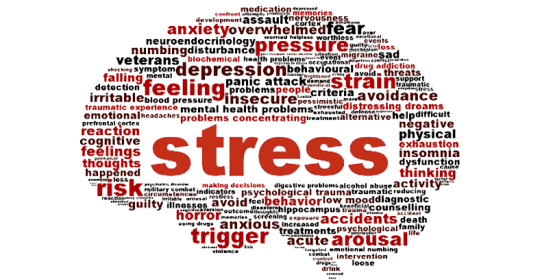
Stress is something that everyone experiences at some point in their lives. Stress is defined as a physical, mental, or emotional strain or tension, and whether it is about taking a final exam for class, going off to college for the first time, or work-related, stress can affect the way we perform. If gone unchecked, stress can lead to a variety of negative consequences on the body, which will be discussed. Stress has been linked to a number of physical and emotional disorders, like depression, anxiety, heart attacks and stroke. A constant high level of stress, can lead to immune system disturbances, which can cause an increase in your body’s susceptibility to infections. Stress can also have direct effects on the skin leading to rashes and hives.

Unlike rashes and hives, which are visible, stress can affect various systems, organs, and tissues within the body, signs that are not seen, and are, therefore, much harder to notice. Some parts of the body affected by stress are the nervous and cardiovascular systems. When stressed, the nervous system signals the body’s adrenal glands to secrete adrenalin and cortisol. Since both of these hormones cause high blood pressure, a person who is under constant stress, also has elevated blood pressure which can lead to heart problems in the future. Even if a stress episode is considered to be minor, repeated minor stress episodes can negatively impact a person’s cardiovascular system by causing inflammations in the coronary arteries. This can eventually cause heart attacks. In order to prevent the negative consequences of untreated high levels of stress, it is important to recognize the symptoms. There are multiple symptoms of stress, some of which include, frequent headaches, cold hands/feet, dry mouth, heartburn, depression, forgetfulness, and rapid or mumbled speech.

If you or someone you know is suffering from stress, please contact our psychotherapy offices in New York or New Jersey to talk to one of our licensed professional psychologists, psychiatrists, psychiatric nurse practitioners, or psychotherapists at Arista Counseling & Psychotherapy. Contact our Paramus, NJ or Manhattan, NY offices respectively, at (201) 368-3700 or (212) 722-1920 to set up an appointment. For more information, please visit http://www.counselingpsychotherapynjny.com/.

Source:

“Stress Effects.” Common Signs and Symptoms of Stress, The American Institute of Stress, 4 Jan. 2017.

Mindfulness: Why We Should All Practice It

By: Sanjita Ekhelikar

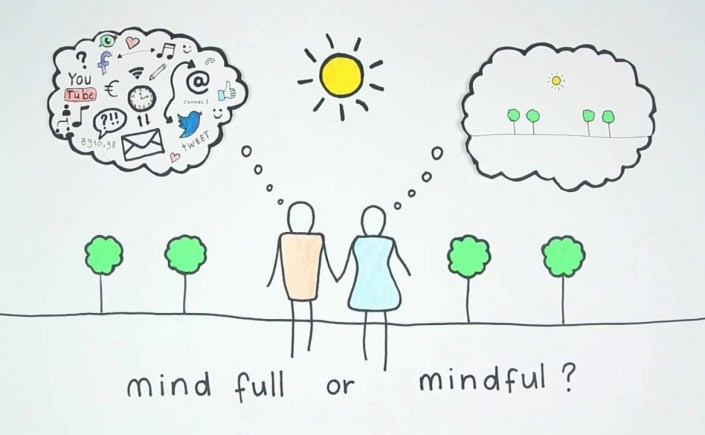
We live in a time when everyone is either living in the past or future. Being in the moment, or living in the present, seems to be a concept foreign to so many of us. By not living in the current moment, we are simply ensuring a life filled of stresses and regrets. How can we better learn to focus on the present?

Mindfulness means being aware of our surroundings, our body, our feelings, and thoughts in the moment. It involves recognizing and accepting our thoughts or sensations for what they are in a given moment without any judgment or negative perceptions. The practice of mindfulness gives our minds the chance to tune into the present.

It is critical for all of us to learn to practice mindfulness and how to be in the present. This will help us to avoid living a stressful life. This technique helps us learn to relax, be calm, and appreciate the present. Learning to practice mindfulness does not involve any major changes we need to make to our lives – simply setting aside a few minutes to be aware of ourselves and surroundings can have long term benefits. Here are some examples of mindful exercises we can all strive to implement in our daily lives:

  1. Mindful Breathing: Stand or sit down in a comfortable position and focus your thoughts and energy on your breath. Breathe in through your nose and out of your mouth. Be aware of only your breathing, and let go of your thoughts, letting them come and go as they pass.
  2. Mindful Observing: Look at any object in your surroundings/environment and focus solely on the object for a few minutes. Take a moment to notice every possible aspect of the object, including its color, shape, movement, features, and how it changes. Your mind will be focused on this object and will enable you to relax.
  3. Mindful Listening: Close your eyes and take a moment to listen to all of the sounds in your surroundings. Try to identify as many sounds as you can possibly hear and describe them. This allows your mind to again focus on something in the current moment instead of the thoughts in your mind.

If you or someone you know is suffering from stress or anxiety and wants to learn how mindfulness can help you, please contact our psychotherapy offices in New York or New Jersey to talk to one of our licensed professional psychologists, psychiatrists, psychiatric nurse practitioners, or psychotherapists at Arista Counseling & Psychotherapy. Contact our Paramus, NJ or Manhattan, NY offices respectively, at (201) 368-3700 or (212) 722-1920 to set up an appointment. For more information, please visit http://www.counselingpsychotherapynjny.com/.

OCD: Supporting a Loved one with OCD

By: Sanjita Ekhelikar

It can be devastating to see a loved one suffer through a mental illness. This holds very true for loved ones of individuals afflicted with Obsessive Compulsive Disorder, or OCD. OCD is a ruthless anxiety disorder that traps people in repetitive thoughts or rituals. The disorder is characterized by irrational thoughts, or “obsessions,” that people have, which are addressed through “compulsions,” or behaviors to appease the thoughts. Obsessions and compulsions can range from concern over hygiene or safety, resulting in recurrent handwashing or checking locks on doors, or clarifying meanings with other people, which result in repeating words and phrases. An attempt to resist the compulsion leads to extreme feelings of anxiety, which are extremely unpleasant.

Individuals with OCD are constantly fighting their minds every single day, and fighting the urge to give in to the compulsions while also experiencing anxiety. As a family member or loved one of the effected individual, it can sometimes be difficult to know how to best be supportive and help the significant other overcome their OCD. Here are a list of tips to support a loved one struggling with OCD:

  1. Do not accommodate the OCD. A large part of this illness involves the individual asking for reassurance or wanting to continuously repeat an action or phrase until the OCD is “satisfied.” While it may seem like giving them the reassurance is the nice thing to do, this actually worsens the condition. Reassurance may remove anxiety for a short amount of time, but allows the OCD to continue to take over and keeps the individual under the control of OCD.
  2. Uncertainty is key. When presented with the previous situation about being asked reassurance, the best thing to do is leave the individual with uncertainty. This will result in them feeling anxiety, which may be hard to see, but is crucial in their resisting the compulsions and in the long run overcoming the OCD. When asked for reassurance, simply do not respond, or say “this could be true, but I don’t know for sure.” Uncertainty = anxiety = healing.
  3. Be compassionate. While you should be firm in not giving reassurances, be compassionate, empathetic, and understanding of your loved one. OCD is tiring, and the individual does not want to be asking you for reassurances or fighting with their mind. Be caring and loving to them.
  4. Educate yourself! The more you can learn about OCD, how it works, and its symptoms, the more effective you can be in helping your loved one and in tackling the illness together.
  5. Maintain your own life. It can be a natural thought to want to take time from work or school to help a loved one with OCD and to be around them. Do NOT do this – it is important to take care of yourself, have your own life and space, and not cater everything around the OCD. Your loved one will feel guilty if you are giving up things to take care of them, and you will soon tire out and not be effective in helping. OCD can be a trying disease to overcome, but with the correct treatments and proper support, it can be overcome. By knowing the best ways to be supportive of your loved ones, you can facilitate the process of their working towards a life free of OCD.

If you or someone you know is suffering from obsessive compulsive disorder, please contact our psychotherapy offices in New York or New Jersey to talk to one of our licensed professional psychologists, psychiatrists, psychiatric nurse practitioners, or psychotherapists at Arista Counseling & Psychotherapy. Contact our Paramus, NJ or Manhattan, NY offices respectively, at (201) 368-3700 or (212) 722-1920 to set up an appointment. For more information, please visit http://www.counselingpsychotherapynjny.com/.