Test Anxiety: How to Relieve That Stress

Test Anxiety: How to Relieve That Stress

By: Maya Gallo

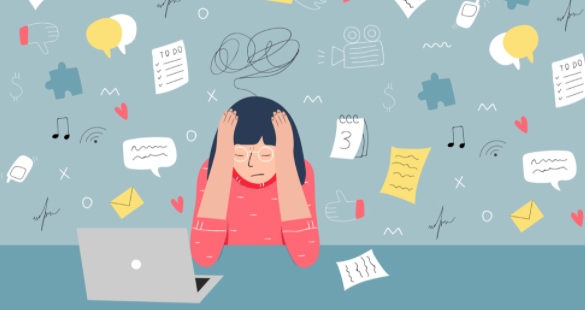
We all know exams can be nerve-wracking, especially when it comes to midterms and finals. Before we get a break, we have an overload of stress that can be overwhelming. You may ask yourself: “How can I be properly prepared for my exams while also staying calm?” Below is a list of tips to help you!

  1. Get organized: Take thorough notes. Make sure you have a calendar with all important dates coming up. Manage your time well so you know how much you can do each day.
  2. Game plan: Have a set time each day tucked away for studying. This way, you will feel better and more prepared for upcoming exams, even if you don’t have any assignments due.
  3. “Me” time: Take time out of your day to do something that you enjoy. Whether this be going for a walk, going to the gym, or listening to music, you deserve a break. You do not want all the studying to stress you out even more.
  4. Take care of your body: You come first. Make healthy choices, food is our fuel. Get plenty of sleep and listen to your body. It is the only one you have!
  5. Be creative: If you have friends in your class, consider calling them to see if they’d like to meet somewhere (like a coffee shop) and study together. Get creative with it, but have fun!

Hope this puts your mind at ease when it gets to that point in the semester. Be sure to use these tips to alleviate your stress. Good luck!

If you or someone you know is struggling with anxiety, please contact our psychotherapy offices in New York or New Jersey to talk to one of our licensed professional psychologists, psychiatrists, psychiatric nurse practitioners, or psychotherapists at Arista Counseling and Psychotherapy. Contact our Paramus, NJ, or Manhattan, NY offices respectively, at (201) – 368-3700 or (212)-722-1920 to set up an appointment. For more information, please visit https://www.counselingpsychotherapynjny.com/

References

Dealing with Exam Stress. (2025). Psychology Today. https://www.psychologytoday.com/us/blog/teen-angst/201405/dealing-exam-stress

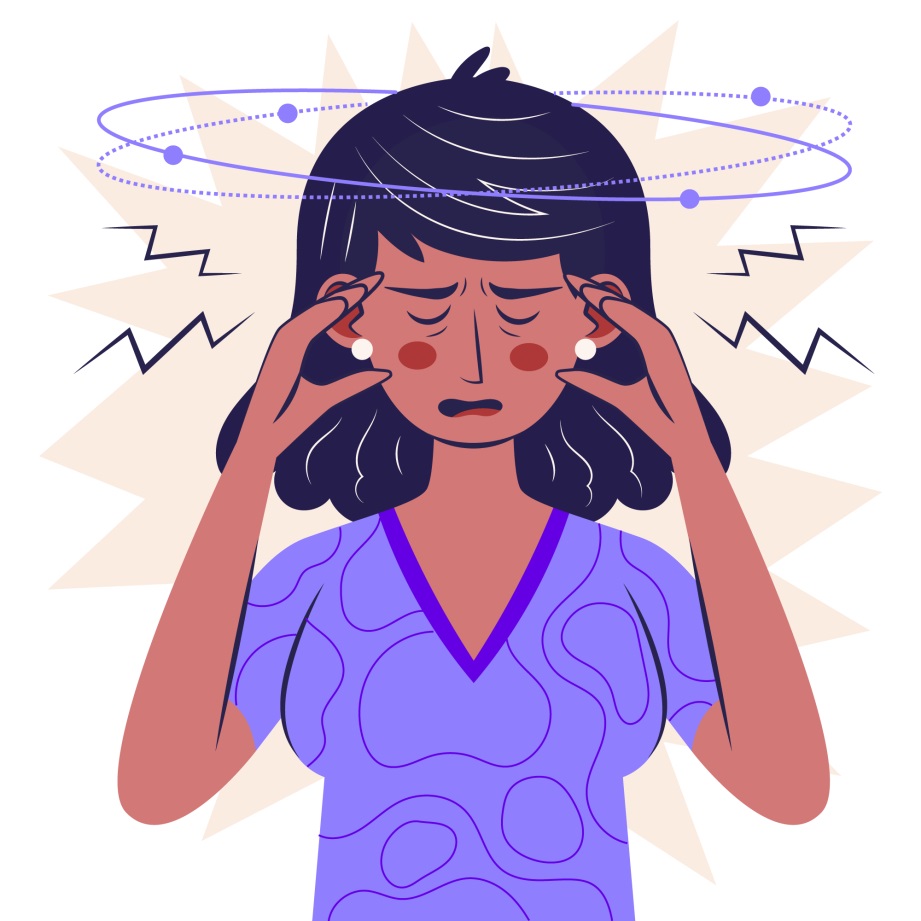
Anxiety: Generalized Anxiety Disorder – Chronic Worry

Anxiety: Generalized Anxiety Disorder – Chronic Worry

By: Michelle Cocone

Do you ever find yourself worrying about everything all the time? You find that you can’t seem to find a way to let go, the worries always get in the way. If you are experiencing the following symptoms then you may have generalized anxiety disorder.

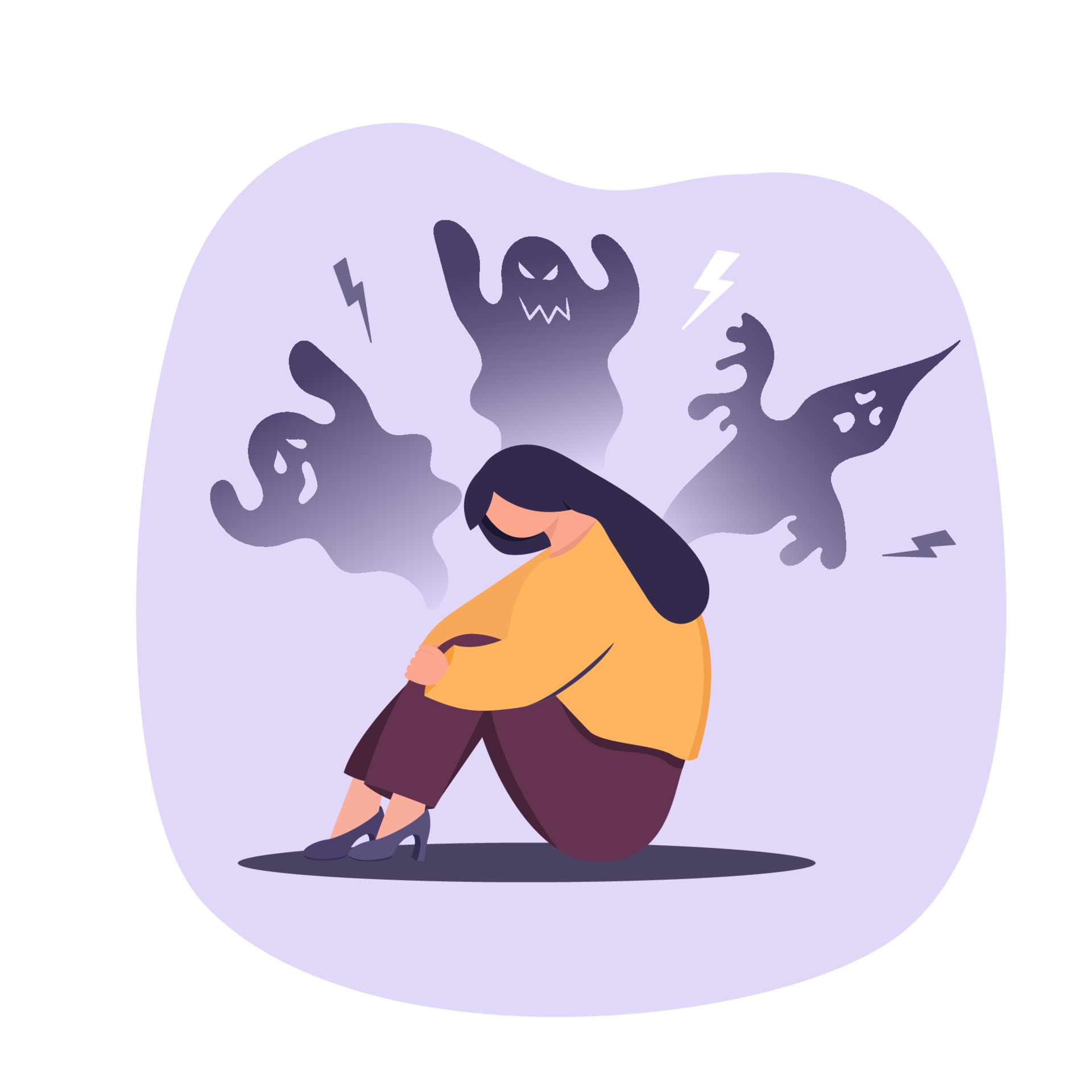
Generalized anxiety disorder is when you have immense worry and anxiety which affects your everyday life. Not to be confused with worrying because everyone worries about things or events occurring in their life. The difference is that one knows how to let it go or even worry about it for a bit and move on. For those experiencing generalized anxiety disorders, they don’t have a way of letting it go; it’s all they are constantly thinking about.

It may sound like:

What if I can’t get my laundry done? What if I can’t find a job? Will I be able to pay the bills on time? What if I fail in school? What if I get rejected? What if people don’t like me?

Notice how many of these worrisome are “what if” questions. It could be that you are worrying about situations/problems that haven’t yet occurred. This is one of the symptoms of this anxiety disorder- you fear the unknown which makes you worry constantly. You’ll find that you won’t be able to relax. For example, many students worry about picking and starting college. People with this disorder can also find themselves to be indecisive because they are scared to make the wrong choice.

What if I pick the wrong university? What if I fail out of my classes? What if I don’t like the people there? What if it’s too hard for me to manage?

At the end of the day we are human, we all make mistakes. We can’t be perfect all the time. In order to continue growing and be healthy, we have to sometimes make the wrong choices and learn from them. Our mistakes are what help us progress. If we are constantly worrying, then we can’t go anywhere, we’re stuck. Other symptoms you might be experiencing are: constant fatigue, muscle aches, overthinking, unable to relax, and irritability.

Generalized anxiety disorders in children are expressed differently than in adults. Children worry about being accepted, having good grades, being good at sports, making friends, being included in social outings, trying to make everything perfect, and seeking approval from their parents. This affects their mental health and everyday life routine.

Generalized anxiety disorder in adults, is more severe. Adults tend to worry about being financially stable, buying a house, not having credit card debt, having good credit, finding a good job, finding a romantic partner, and starting a family. Anxiety can be overwhelming, however. We have to remember that it’s not normal to chronically worry all the time. It’s really unhealthy and leads to poor mental health. Worrying about everything won’t make the situation better. It might actually worsen your health.

If you or someone you know is struggling with generalized anxiety disorder, please contact our psychotherapy offices in New York or New Jersey to talk to one of our licensed professional psychologists, psychiatrists, psychiatric nurse practitioners, or psychotherapists at Arista Counseling and Psychotherapy. Contact our Paramus, NJ, or Manhattan, NY offices respectively, at (201) – 368-3700 or (212)-722-1920 to set up an appointment. For more information, please visit https://www.counselingpsychotherapynjny.com/

References

Generalized anxiety disorder (GAD). Johns Hopkins Medicine. (2024a, April 16). https://www.hopkinsmedicine.org/health/conditions-and-diseases/generalized-anxiety-disorder

U.S. Department of Health and Human Services. (n.d.-a). Generalized anxiety disorder: When worry gets out of Control. National Institute of Mental Health. https://www.nimh.nih.gov/health/publications/generalized-anxiety-disorder-gad


Self-Love: Learning to Love YourSELF

Self-Love: Learning to Love YourSELF

By: Michelle Cocone

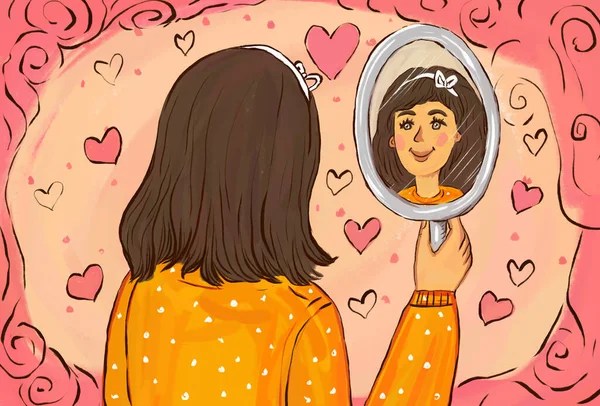
February is known to be the month of love, spreading love to our loved ones. We spend a lot of time trying to share that love that we often forget about ourselves. It’s important to learn how to love yourself. It helps us lead a healthier life and have better mental health. When we don’t love ourselves, it takes a toll on us, possibly leading to depression, anxiety, or an eating disorder. There are many ways to show love to ourselves, here are a couple ways.

Shift Your Perspective

  • Focusing on the bad aspects of ourselves won’t lead to anywhere good
  • Shift your perspective towards a more positive outlook
  • Don’t always see the cons, recognize the pros as well, they need love too

Affirmations

  • Write out a list of what you like + love about yourself
  • Tell yourself that you appreciate all parts of  your body/personality
  • Embrace the beauty of it all
  • Remember your body does plenty of work to keep you going every day
  • Keep telling yourself all these affirmations throughout the low points you may have

Practice Self-Love

  • Focus on the hobbies that you enjoy
  • Pour yourself  into becoming better at your hobbies
  • Be kind to yourself, you only have one body, so take care of it
  • Learn to forgive yourself when you haven’t accomplished everything you hoped for
  • Learn to forgive yourself when you aren’t kind to yourself
  • It’s okay to say “No.” You don’t have to please others all the time.

The most important relationship you can have is with yourself.  You may have heard this saying once or twice but it’s true, “Learn to love yourself first so you can spread love to others.”  Make time to focus and nourish your own self. It doesn’t all get done in one day. As long as you work on yourself a little bit every day that’s all that matters.

If you or someone you know is struggling with self-love, please contact our psychotherapy offices in New York or New Jersey to talk to one of our licensed professional psychologists, psychiatrists, psychiatric nurse practitioners, or psychotherapists at Arista Counseling and Psychotherapy. Contact our Paramus, NJ or Manhattan, NY offices respectively, at (201) – 368-3700 or (212)-722-1920 to set up an appointment. For more information, please visit https://www.counselingpsychotherapynjny.com/

References

Improving every area of your life starts with self-love. Improving Every Area of Your Life Starts with Self-Love | Tony Robbins. (n.d.). https://www.tonyrobbins.com/ultimate-relationship-guide/how-to-fall-in-love-with-yourself?srsltid=AfmBOoq4CvACby5hWenBdEGAH5zBgxAPOtKzEvtobHDRZ6cGfT9MaFtn


Pomlett, M. (2020, December 21). Learn how to self-love. Psychological Health Care. https://www.psychologicalhealthcare.com.au/blog/learn-how-to-self-love/

Anxiety about starting College: Getting over Anxiety as a Freshman in College

Anxiety about starting College: Getting over Anxiety as a Freshman in College

By: Michelle Cocone

Every young adult pursuing a higher education will go through college. Starting college can be scary; you become a freshman all over again. Young adults tend to get anxious when thinking of the process. It’s very normal to experience this feeling. This anxiety stems from the uncertainty of college, not knowing what or who to expect. They will question whether they will be accepted, make friends, balance their workload, and hopefully not get lost. These are useful tips to help ease the adaptation of college.

Every College Student Was Once a freshman                                                                        

  • You aren’t alone in this experience as every freshman feels anxiety
  • Use the anxiety and fear to your advantage, this can be a topic of conversation to make friends
  • Embrace “I am a freshman who can start from zero”, a clean slate
  • It’s okay if you don’t have a best friend right away
  • Take the time to build connections, these can be important for networking after college

Have a Support System

  • Talk to friends or family about your college experience
  • They can share advice if they have gone to college

Use a Planner

  • Balancing schoolwork can be easier if you have a planner
  • When you get your course assignment schedule, jot it down in your planner to stay ahead of assignment due dates
  • Highlight exam and midterm dates to accommodate studying time

Utilize Your Resources

  • Colleges have many resources to help the transition from high school to college
  • Colleges have academic support, such as tutors and study centers
  • Colleges have well-being support and someone to talk to about your anxiety or anything else you want to share
  • Look up your campus map to find directions to your classes
  • Talk to your professors. They are there to help you succeed.

Remember college isn’t only about getting a higher education; it’s a place where you can prepare yourself for your career. Allow yourself to be independent and make your own choices. Everything you do will help you grow as a person, not just academically. It can absolutely be terrifying starting college if you feel anxious or scared; seeking counseling can be a good first step to feeling secure.

If you or someone you know is struggling with anxiety about starting college, please contact our psychotherapy offices in New York or New Jersey to talk to one of our licensed professional psychologists, psychiatrists, psychiatric nurse practitioners, or psychotherapists at Arista Counseling and Psychotherapy. Contact our Paramus, NJ, or Manhattan, NY offices respectively, at (201) – 368-3700 or (212)-722-1920 to set up an appointment. For more information, please visit https://www.counselingpsychotherapynjny.com/

References

University of Fear and anxiety: How to pass your freshman year of college. Anxiety and Depression Association of America, ADAA. (2018, July 6). https://adaa.org/learn-from-us/from-the-experts/blog-posts/consumer/university-fear-and-anxiety

Relationships and Money: Money problems could be affecting your relationship

Relationships and Money: Money problems could be affecting your relationship

By: Michelle Cocone

Money doesn’t usually get discussed in relationships until it becomes a hardship. When it does occur, you and your partner might find yourselves in a repetitive argument, leading to stress. According to Psychology Today, about 70% of the population in the U.S. is married; they might face money problems throughout their marriage. It’s not uncommon to have differences in handling money as people are raised differently. It’s never too late to discuss finances with your partner to improve your relationship moving forward. As well as it’s never too early to establish financial goals to promote a healthy relationship. There are three key questions to discuss with your partner about money problems.

  • What did your parents teach you about money?
  • What are your financial goals?
  • What are your fears about money?

Typically the information we have about managing money we learn from our parents. If your parents taught you how to keep track of bills, save money, and credit card management, then you have a good understanding of how to deal with money. Whereas some people had parents who were always late on bills, lost track, didn’t save money, and probably didn’t manage money well. Talk to your partner about financial goals and how you can combine them to fit both your needs. Remember you are a team with your partner and you are working together to improve your financial situation. Discuss the fears you have about money, which is where the money problems could be coming from. Set up a time to sit down and discuss creating a spending plan that works for both of you. Discuss how to divide the finances to help establish a baseline. Additionally, use any money left over to spend quality time as this will help relieve stress about money. Good communication about money problems will improve relationships and help avoid any anxiety/stress. When a couple suffers from anxiety or stress about financial hardship in their relationship, they may benefit from therapy to address the underlying psychological issues.

If you or someone you know is struggling with anxiety or stress about financial hardship, please contact our psychotherapy offices in New York or New Jersey to talk to one of our licensed professional psychologists, psychiatrists, psychiatric nurse practitioners, or psychotherapists at Arista Counseling and Psychotherapy. Contact our Paramus, NJ, or Manhattan, NY offices respectively, at (201) – 368-3700 or (212)-722-1920 to set up an appointment. For more information, please visit https://www.counselingpsychotherapynjny.com/

References

Klontz, B., & Gresham, M. (2015). Happy couples: How to avoid money arguments. American Psychological Association. https://www.apa.org/topics/money/conflict

Langabeer, J. (2022, December 7). The psychological impact of money on relationships. Psychology Today. https://www.psychologytoday.com/us/blog/how-make-better-choices/202212/the-psychological-impact-money-relationships

Social Anxiety: The Impact of Social Media on Social Anxiety

Social Anxiety: The Impact of Social Media on Social Anxiety

By: Josette DeFranco

Social anxiety is very common and can be a part of your everyday living whether it is online or offline. Social anxiety means you have persistent fears about being in social situations. Social media has become society’s major way of communicating. It has allowed users to create their own distinctive profiles and content to share with others. It has been found that social media use has caused unrealistic goals and expectations. This can create low self-esteem and a lack of in-person interactions. This may lead to anxiety because you may feel like you don’t live up to your social media image. Nonetheless, it may cause you to feel judged by your choices or appearance. It is important to pay attention to your emotions when logged onto social media and to remember that others experience similar thoughts.

Should you take a break from social media?

Social media can affect individuals differently. However, if you notice social media is causing damage to your mental health, self-esteem, social interactions, and making your moods worse then you may want to consider a social media break. Having a social media break even for a week or a month could enhance your mental state, allowing you to reflect and focus on your mental health needs. It has been noticed that individuals felt more grounded and less anxious, isolated, and depressed.

If you or someone you know is struggling with their mental health, please contact our psychotherapy offices in New York or New Jersey to talk to one of our licensed professional psychologists, psychiatrists, psychiatric nurse practitioners, or psychotherapists at Arista Counseling & Psychotherapy. Contact our Paramus, NJ or Manhattan, NY offices respectively, at (201) 368-3700 or (212) 722-1920 to set up an appointment. For more information, please visit https://aristapsychiatrypsychotherapy.com/

Sources:

https://www.sciencedirect.com/science/article/pii/S245195882100018X

https://www.psychologytoday.com/us/blog/thriving-with-the-challenges/202208/a-social-media-vacation-is-waiting-for-you

Anxiety: How to Cope with Back-to-school Anxiety

Anxiety: How to Cope with Back-to-school Anxiety

By: Josette DeFranco

The first few weeks before school is back in session have greatly affected children and college students. Believe it or not, back-to-school anxiety is common and a manageable issue. Anxiety can impact a student’s concentration, memory, and ability to be engaged in activities. Also, another area being affected by back-to-school anxiety is social development. School is a main scene for socialization allowing students to build relationships and develop effective communication skills. Managing back-to-school anxiety is great for academic performance. Dealing with anxiety can help prevent social isolation, low self-esteem, and difficulty in forming healthy peer relationships.

There are many ways to make the change much easier and less stressful. Below are a few tips to help manage back-to-school anxiety.

  • Practice self-care
  • Create a support system
  • Focus on the positive
  • Rehearse the drop-off
  • Visit the school
  • Take deep breaths

If you or someone you know is struggling with their mental health, please contact our psychotherapy offices in New York or New Jersey to talk to one of our licensed professional psychologists, psychiatrists, psychiatric nurse practitioners, or psychotherapists at Arista Counseling & Psychotherapy. Contact our Paramus, NJ or Manhattan, NY offices respectively, at (201) 368-3700 or (212) 722-1920 to set up an appointment. For more information, please visit https://aristapsychiatrypsychotherapy.com/

Sources:

https://adaa.org/learn-from-us/from-the-experts/blog-posts/consumer/7-tips-addressing-back-school-anxiety

Freshman Year of College: Life Transitions & Mental Wellness

Freshman Year of College: Life Transitions & Mental Wellness

By: Kristen Thauer

Everyone who has attended college or university knows that the first year can be daunting. For many American teenagers, the transition to college has become increasingly fraught with anxiety. Some are excited to meet new people, attend interesting classes and move away from home. Others may worry about the financial hardships and potential isolation that comes with moving away from friends and family. Tuition costs have skyrocketed over the past few decades. The college experience our parents or even grandparents had seems like a distant memory.

While college is an incredible opportunity for growth, not only academically but socially and emotionally, many do struggle with the transition. Transferring colleges has become increasingly common as many students end up feeling as though their first choice was not the right fit. These experiences can sometimes make it more difficult to foster new friendships and a sense of community on campus. Unfortunately, many colleges have seen a dip in student engagement since COVID-19, meaning less and less students are going to club meetings, sporting events and even class.

 Many of these hardships students are facing today are caused by an uptick in mental health concerns. According to the American College Health Association’s database, 36% of college students have been diagnosed with depression and 26% of students have been diagnosed with anxiety. Regardless of the many factors that may be at play, students need mental health support both on and off campus. Reaching out for therapy in your college years can be a helpful and transformative experience as you navigate this life transition. There is no reason to suffer alone!

https://www.acha.org/ACHA/Resources/Topics/MentalHealth.aspx

If you or someone you know is struggling with their mental health, please contact our psychotherapy offices in New York or New Jersey to talk to one of our licensed professional psychologists, psychiatrists, psychiatric nurse practitioners, or psychotherapists at Arista Counseling & Psychotherapy. Contact our Paramus, NJ or Manhattan, NY offices respectively, at (201) 368-3700 or (212) 722-1920 to set up an appointment. For more information, please visit https://aristapsychiatrypsychotherapy.com/

Throwing Up: The Fear of Throw Up

By Caroline Buchanan

The fear of throw up, also referred to as emetophobia, is a specific phobia that revolves around the fear of vomiting, seeing vomit, watching other people vomit, or feeling sick. Emetophobia tends to leave people in a state of anxiety, overtaking their thoughts and engaging in behaviors that impact their everyday life. For example, you may avoid crowded places, traveling, eating out, or closely monitor your own health in an attempt to reduce the distress you may feel. While this anxiety can feel overwhelming and unbearable at times, this condition can be managed by a therapist.

What causes emetophobia?

Specific phobias tend to develop after a specific incident. As a result of this incident, an association is created between a thing – an object, situation, or an event – and a fear (Psych Central). Specifically in the context of emetophobia, this could involve getting sick in public, someone vomiting on you, having a bad case of food poisoning, or seeing someone else throw up. Emetophobia can also develop without a clear cause, causing experts to believe that genetics and the environment play a role. Regardless of whether you can pinpoint an incident or not, this anxiety can still be managed.

How can emetophobia be managed?

Exposure therapy is considered to be one of the most effective treatments. In this type of therapy, your therapist will expose you to your fear at a slow rate. This could involve trying a new food at a restaurant or spinning around until you feel nauseous. With these actions, you will be provided with techniques to help you cope with these feelings of anxiety. The goal is that the more you are exposed to your fear, the more you feel comfortable with it. Talk therapy and cognitive behavioral therapy (CBT)can also be used to help learn how to identify and challenge negative thought patterns in your anxiety. While it may take some time to find the right therapist and techniques for you, it is worth it to alleviate the distress in your life.

If you or someone you know is suffering from emetophobia, please contact our psychotherapy offices in New York or New Jersey to talk to one of our licensed professional psychologists, psychiatrists, psychiatric nurse practitioners, or psychotherapists at Arista Counseling & Psychotherapy. Contact our Paramus, NJ or Manhattan, NY offices respectively, at (201) 368-3700 or (212) 722-1920 to set up an appointment. For more information, please visit http://www.counselingpsychotherapynjny.com/

https://www.healthline.com/health/emetophobia#outlook

Panic Attacks vs. Anxiety Attacks: Understanding the Differences and Seeking Help

Panic Attacks vs. Anxiety Attacks: Understanding the Differences and Seeking Help

By, Maro Mikhaeil

Have you ever felt your heart racing and felt completely detached from the world? Chances are, you may be experiencing a panic attack. Or have you ever felt so irritable and restless to the point where it’s disrupting your sleep? Well, in that case, you may be experiencing anxiety or an anxiety attack. Don’t get the two confused, as there are differences between them.

Panic attacks are intense, unexpected feelings of terror, fear, or discomfort. They are unexpected because they aren’t triggered by specific events and may occur without reason. Panic attacks are typically brief and only last several minutes. Physical symptoms include trembling, tingling, rapid heart rate, chest pain, feeling tightening in arms and hands, chills, etc. Symptoms vary from person to person, but these are the most common.

Anxiety attacks or anxiety are characterized by feeling restless and fearful that something is going to happen. Unlike panic attacks, anxiety attacks are triggered by specific events. Some physical symptoms include feeling lightheaded, dizzy, stomach knots, rapid heart rate, heavy breathing, hot flashes, nausea, headaches, backaches, and frequent sweating. Frequent anxiety attacks can indicate a type of anxiety disorder. Anxiety may not always be rational and may just occur because of fearing something bad is going to happen, even though it may just be all in your head.

It’s important to understand how you can differentiate between the two and to seek help when you need it. Often people don’t want to seek help, which can cause symptoms to worsen. Don’t be afraid to seek help, as there are many options available, such as therapy, medication, and lifestyle changes. It’s important to prioritize your mental health and take care of yourself. Remember that you are not alone, and many others have experienced similar symptoms. It’s okay to ask for help and take the steps necessary to manage your anxiety or panic attacks. With the right treatment and support, you can overcome these challenges and live a fulfilling life.

If you or someone you know is struggling with anxiety or panic attacks, please contact our psychotherapy offices in New York or New Jersey to talk to one of our licensed professional psychologists, psychiatrists, psychiatric nurse practitioners, or psychotherapists at Arista Counseling & Psychotherapy. Contact our Paramus, NJ or Manhattan, NY offices respectively, at (201) 368-3700 or (212) 722-1920 to set up an appointment. For more information, please visit http://www.counselingpsychotherapynjny.com/

Sources:

Diagnostic and Statistical Manual of Mental Disorders Fifth Edition by the American Psychiatric Association (DSM-IV)

https://www.self.com/story/anxiety-disorder-symptoms

https://www.webmd.com/anxiety-panic/anxiety-attack-symptoms

https://www.medicalnewstoday.com/articles/307863

https://www.mayoclinic.org/diseases-conditions/anxiety/symptoms-causes/syc-20350961