Why Men are less likely to Seek Mental Health Services

By Jenna Chiavelli

Why Men are less likely to Seek Mental Health Services

Recent research studies have found that men are less likely to seek mental health assistance compared to their female counterparts. Men are also less likely to disclose a mental health problem to friends and family. This isn’t because men are immune to mental illnesses but rather something larger is deterring men from reaching out for help. So what can psychologists attribute this to? The answer is toxic masculinity.

Toxic masculinity refers to harmful social norms about how men should behave that lead to misogyny, homophobia, violence, and mental health issues. In our society, we typically categorize women as the emotional figures and men as the strong and brave figures. Due to these social norms, people assume that men do not need mental health services as it is perceived as unnatural for men to discuss their emotions and feelings. Men themselves see seeking help as a sign of weakness, tarnishing their masculinity.

The media contributes to this societal problem as well, as a majority of mental health advertisements are targeted towards women and feature women. This further perpetuates the idea that mental health is a women’s issue, rather than a human issue. It is time we stop gendering mental health and remove the stigma surrounding men’s mental health.

Why it Matters

In 2020, men died by suicide 3.88x more than women. White males accounted for 69.68% of suicide deaths in 2020. It is abundantly clear that there are men struggling with mental health conditions, so much so, that they believe suicide is the only answer. If we continue to feed into toxic masculinity, men will continue to avoid help when they need it most. So what can we do about it?

Ways to Help

  1. Educate yourself and others – mental health problems are medical problems that can impact anybody regardless of gender.
  2. Talk openly about mental health – sharing personal experiences with mental health problems can make others more comfortable talking about their own experiences.
  3. Show compassion for those with mental health problems – showing compassion for those suffering can help reduce feelings of shame.  
  4. Check on the men in your life – Men are less likely to share their feelings compared to women, so work on having honest conversations with the men in your life. Let them know that you are there for them and stay alert of any concerning changes in behavior.

If you or someone you know is seeking therapy, please contact our psychotherapy offices in New York or New Jersey to talk to one of our licensed professional psychologists, psychiatrists, psychiatric nurse practitioners, or psychotherapists at Arista Counseling & Psychotherapy. Contact our Paramus, NJ or Manhattan, NY offices respectively, at (201) 368-3700 or (212) 722-1920 to set up an appointment. For more information, please visit http://www.counselingpsychotherapynjny.com/

Sources

https://afsp.org/suicide-statistics/

https://www.psychologytoday.com/us/blog/the-race-good-health/201902/mental-health-among-boys-and-men-when-is-masculinity-toxic

Image

Psychotherapy: Benefits of Rational Emotive Behavior Therapy (REBT)

By: Jasmyn Cuate

Rational emotive behavior therapy (REBT) is a type of cognitive behavioral therapy (CBT) that focuses on helping people recognize and change negative thinking patterns into positive, healthier ones. This method is an action-oriented approach helping to overcome any psychological problems or mental distress. The goal of REBT is to help people respond rationally to situations that would cause stress, depression, or other negative feelings. How does it work?

The ABC model is one concept of REBT. The model suggests that we may blame external situations for our unhappiness and it is our interpretation of these situations that truly causes the psychological distress. ABC stands for:

  • A: Activating event, when something happens in your environment
  • B: Belief, describes your thoughts about the situation
  • C: Consequence, which is your emotional response to your belief

With REBT, your therapist will help you learn how to apply the ABC model in your daily life. Your therapist may help you identify the activating event before encouraging you to figure out which belief led you to your negative feelings. Once you’ve identify the underlying issue, your therapist will work with you to change those beliefs and your emotional response towards the issue. Before changing your belief, a process called disputation takes place where your therapist will challenge your irrational beliefs using direct methods such as asking questions which causes you to re-think or have you imagine another point of view that you may have not considered before. REBT can help with Anxiety, Social anxiety disorder, distress, Depression, Disruptive behavior in children, Obsessive-compulsive disorder (OCD) and Psychotic symptoms.

Benefits of REBT:

  • Reduce feelings of anger, depression, anxiety, and distress
  • Improves health and quality of life
  • Better social skills and school performance

REBT helps you understand that you are worthy of self-acceptance no matter what even if you or others are struggling; there is no need for shame or guilt because everyone makes mistakes and it’s normal to feel some discomfort. REBT gives insight that others are also worthy of acceptance even if their behavior involves something you don’t like. Overall, REBT helps you have a healthy emotional response on learning from a situation and moving on. This allows you to understand that negative things will sometimes happen in life therefore there is no rational reason to always expect it to be positive when faced with a situation.

If you or someone you know is seeking for cognitive behavioral therapy or rational emotive behavior therapy, please contact our psychotherapy offices in New York or New Jersey to talk to one of our licensed professional psychologists, psychiatrists, psychiatric nurse practitioners, or psychotherapists at Arista Counseling & Psychotherapy. Contact our Paramus, NJ or Manhattan, NY offices respectively, at (201) 368-3700 or (212) 722-1920 to set up an appointment. For more information, please visit http://www.counselingpsychotherapynjny.com/

Source: https://www.verywellmind.com/rational-emotive-behavior-therapy-2796000

Anxiety: Generalized Anxiety Disorder (GAD): Signs, Symptoms, and Treatment

Anxiety: Generalized Anxiety Disorder (GAD): Signs, Symptoms, and Treatment

By Celine Bennion

Generalized Anxiety Disorder (GAD) is a common anxiety disorder in the United States, currently impacting 3.1% of the population; as many as 5.7% of U.S. adults report experiencing this disorder at some point in their lives. GAD is characterized by feelings of excessive worry which have no particular trigger. This anxiety can be felt about school, work, social interactions, or even common, everyday events. These behavior patterns and cognitive issues become disordered when they begin to disrupt normal functioning.

Symptoms of GAD include the following: restlessness, being wound-up or on-edge, fatigue, trouble concentrating, irritability, muscle tension, and sleeping problems including difficulty falling/staying asleep or unsatisfying sleep. At least three of these symptoms must be present for at least six months for a patient to be diagnosed with GAD.

Treatment:

Cognitive Behavior Therapy (CBT) is a type of therapy that is particularly helpful in treating anxiety disorders, including GAD. This therapy involves teaching patients different ways to approach anxiety inducing situations by changing how they think, behave, and react to them. It also helps to implement social skills in patients.

Medications are another form of treatment for GAD. It should be noted, however, that medications are used to help decrease symptoms of a disorder and do not cure it entirely. Anti-anxiety and anti-depressant medications are commonly used to treat GAD. Anti-depressants work for both depression and anxiety by altering chemicals in the brain, specifically serotonin and norepinephrine. They help to regulate mood and relieve symptoms associated with these disorders. Selective serotonin reuptake inhibitors (SSRIs) and serotonin norepinephrine reuptake inhibitors (SNRIs) are the most commonly used anti-depressants. Anti-anxiety medications, such as benzodiazepines, are effective in treating anxiety symptoms quickly. They are often used as a second option when anti-depressants are not enough to relieve symptoms.

If you or someone you know is seeking therapy for an anxiety disorder, please contact our psychotherapy offices in New York or New Jersey to talk to one of our licensed professional psychologists, psychiatrists, psychiatric nurse practitioners, or psychotherapists at Arista Counseling & Psychotherapy. Contact our Paramus, NJ or Manhattan, NY offices respectively, at (201) 368-3700 or (212) 722-1920 to set up an appointment. For more information, please visit http://www.counselingpsychotherapynjny.com/

Sources:

https://www.nimh.nih.gov/health/topics/anxiety-disorders

https://adaa.org/understanding-anxiety/generalized-anxiety-disorder-gad

https://adaa.org/blog/category/generalized-anxiety-disorder-gad (photo)

Mindfulness: Its Effects on Anxiety and Depression

Mindfulness: Its Effects on Anxiety and Depression

By: Stacey Rodriguez

Mindfulness, derived from Buddhist teachings, is a practice which fosters introspective awareness. It’s main principles consist of actively experiencing the present moment, as well as practicing radical acceptance. Radical acceptance is a distress tolerance skill, which is implemented by openly recognizing thoughts and experiences without the tension of subjective or negative perception. Central facets of radical acceptance include self compassion and validation. This perspective emphasizes defusion, which is the process of separating the mind from its thoughts; the act of perceiving oneself as the observer of one’s thoughts, rather than identifying with them, allows individuals to healthily process emotions while remaining grounded and rational. Mindfulness is a defining feature of several modern therapeutic approaches, such as dialectical behavioral therapy (DBT) and mindfulness based cognitive therapy (MBCT). DBT is a form of cognitive therapy, in which the approach focuses on recognizing maladaptive behavioral patterns and core beliefs. Similarly, MBCT uses cognitive behavioral therapy supplemented by mindfulness meditative practices, in order to help individuals become aware of their thoughts and feelings all while avoiding the loop of negativity. 

Practicing mindfulness has proven to have an abundance of promising effects on the mind and body. Overall, it has shown to significantly reduce anxiety and depression. Methodical data suggests that the practice influences stress pathways, and even modifies structure and activity in regions associated with attention and emotion regulation in the brain. Additionally, studies have found mindfulness to have the same moderate effect on treating depression as does medication, as well as moderate effects on anxiety and pain. 

Some mindful activities include:

  • Journaling
  • Practicing breathing techniques
  • Mediation
  • Yoga

If you or someone you know is seeking therapy for depression or anxiety, please contact our psychotherapy offices in New York or New Jersey to talk to one of our licensed professional psychologists, psychiatrists, psychiatric nurse practitioners, or psychotherapists at Arista Counseling & Psychotherapy. Contact our Paramus, NJ or Manhattan, NY offices respectively, at (201) 368-3700 or (212) 722-1920 to set up an appointment. For more information, please visit http://www.counselingpsychotherapynjny.com/

Source:https://www.apa.org/topics/mindfulness/meditation#:~:text=Researchers%20reviewed%20more%20than%20200,%2C%20pain%2C%20smoking%20and%20addiction.

https://www.apa.org/monitor/2015/03/cover-mindfulness

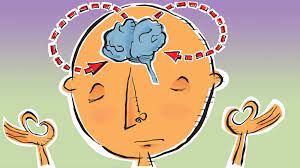
Image source: https://news.harvard.edu/gazette/story/2018/04/harvard-researchers-study-how-mindfulness-may-change-the-brain-in-depressed-patients/

Laziness: The Harmful Effects of the Term “Lazy” on Mental Health

By: Rebecca Fernandez

               “Lazy” is a common uncomplimentary term in modern vocabulary for when someone is unproductive. Think back to a time a group member failed to pull their weight in a group project, or a time someone procrastinated severely, leaving everything for the last minute and creating a poor final product. Consider even a time where you witnessed someone who, by early afternoon, was seemingly unable to bring themselves to get out of bed to start the day.

Whether it was yourself or someone else that you imagined, it’s easy to write off everyone in those examples as lazy. However, there’s a major issue with doing that – “laziness” is often not the cause of these situations. Rather, many mental health conditions can create issues that simulate behaviors identical to laziness.

Take, for example, disorders such as attention deficit hyperactivity disorder (ADHD), depression and other mood disorders, insomnia and other sleep disorders, and anxiety disorders including obsessive compulsive disorder (OCD) and generalized anxiety disorder (GAD). Each of these conditions can negatively impact a person’s ability to be productive, making them appear lazy. People with ADHD can often find themselves imagining all of the tasks they could be engaging in at once and becoming so overwhelmed they feel almost paralyzed. People with depression and other mood disorders often lack the mental energy to accomplish anything. Similarly, people with insomnia and other sleep disorders often lack the physical energy to accomplish anything. People with GAD may have a crippling fear that they won’t be good enough at something, preventing them from attempting to do the task in question. People with OCD may have a crippling (rational or irrational) fear that something bad will happen if they do specific things, preventing them from doing those things.

               All of these explanations are generalized and therefore may not apply to everyone with each listed disorder, or be the only applicable factor for each disorder’s effect on laziness. However, if you or someone you know has been consistently labeled as lazy, remember that “laziness” is often more than how it appears on the surface, and that actively struggling with mental health does not make a person a failure.

If you or someone you know is exhibiting signs of “laziness” as described above that are getting in the way of day-to-day life, please contact our psychotherapy offices in New York or New Jersey to talk to one of our licensed professional psychologists, psychiatrists, psychiatric nurse practitioners, or psychotherapists at Arista Counseling & Psychotherapy. Contact our Paramus, NJ or Manhattan, NY offices respectively, at (201) 368-3700 or (212) 722-1920 to set up an appointment. For more information, please visit http://www.counselingpsychotherapynjny.com/

https://www.psychologytoday.com/us/blog/hide-and-seek/201410/the-psychology-laziness

Procrastinating before bed? This might be why

By Katie Weinstein

Revenge bedtime procrastination is defined as the decision to sacrifice sleep for leisure activities. The reason it is called “revenge” bedtime procrastination is to get back at the day time hours for stealing away free time. Many people are tired when going to bed and intend to go to sleep, but chose to binge shows on Netflix or scroll through hours of Tik Toks without an external reason to stay awake, meaning there is an intention-behavior gap. 

Since revenge bedtime procrastination is still a relatively new idea in sleep science, the underlying psychology explaining this phenomenon is still being debated. One explanation is that daytime workload depletes our capacity for self-control, so we can’t fight our urge to stay awake to participate in leisure activities even though it means we will be better rested for the next day. Another explanation might be that some people are naturally “night owls” and are forced to adapt to an early schedule, so this is their way of finding time to recover from stress. A third explanation might be that, during the pandemic, domestic and work lives are blurred as people work overtime hours and do not divide work time from leisure time. 

The reason that it is important to be aware of revenge bedtime procrastination is because sleep is essential for our physical and mental health. Sleep deprivation can cause daytime sleepiness, which harms productivity, thinking, and memory as well causing physical effects such as insufficient immune function and increased susceptibility to cardiovascular disease and diabetes. 

In order to prevent revenge bedtime procrastination, try putting away technology 30 minutes before bed, create a regular bedtime routine, avoid caffeine late in the afternoon, and find time for leisure activities during the day. It is also important to recognize when you need help managing your procrastination and your sleep problems.

If you or someone you know is struggling with revenge bedtime procrastination or other types of sleep problems, please contact our psychotherapy offices in New York or New Jersey to talk to one of our licensed professional psychologists, psychiatrists, psychiatric nurse practitioners, or psychotherapists at Arista Counseling & Psychotherapy. Contact our Paramus, NJ or Manhattan, NY offices respectively, at (201) 368-3700 or (212) 722-1920 to set up an appointment. For more information, please visit http://www.counselingpsychotherapynjny.com/

What Is “Revenge Bedtime Procrastination”?

https://www.medicalnewstoday.com/articles/revenge-bedtime-procrastination-a-plight-of-our-times#Tips-for-better-sleep

Neurotic Perfectionism and Dance

By Katie Weinstein

Dancing is proven to lower rates of anxiety and depression as well as increase self-confidence and provide opportunities for social interaction. However, the competitive dance field creates an environment that promotes neurotic perfectionism, causing dancers to lose their love for dance. While perfectionism is what enables dancers to strive towards meeting their goals and working hard, neurotic perfectionism is when people set unreasonable expectations for themselves and feel shame when they do not achieve their goal. Neurotic perfectionism can lead to disordered eating, anxiety, substance abuse and depression.

Dancers feel that there is no excuse for not landing the part or not getting attention from their teacher besides lack of effort, so dancers spend hours perfecting their mistakes and comparing themselves to others in the mirror, fostering an incredibly competitive environment and causing dancers to become overly critical of their bodies and skills. Instead of focusing on the positive and creating opportunities from mistakes, dancers expect every movement to be perfect and are overly self-critical when this isn’t the case. Additionally, dancers compete with other people for their next paycheck, so they end up setting super high expectations that are nearly impossible to achieve, wishing they could get their leg up higher or look thinner than everyone else in the room. They often think that if they are not casted, they might not be able to afford to pay rent or buy groceries. Dancers end up pushing themselves too far, and often end up with insomnia from nervousness and injured because of burnout. This can even lead dancers to self-medicate so that their injuries are off the record, leading to substance abuse.

Some signs of neurotic perfectionism include setting unrealistic expectations, feeling shame or guilt and overemphasizing the final product, but underemphasizing the process. It is important to change your thought patterns so that you are not overly critical and can set realistic goals for yourself.

If you or someone you know is experiencing neurotic perfectionism, please contact our psychotherapy offices in New York or New Jersey to talk to one of our licensed professional psychologists, psychiatrists, psychiatric nurse practitioners, or psychotherapists at Arista Counseling & Psychotherapy. Contact our Paramus, NJ or Manhattan, NY offices respectively, at (201) 368-3700 or (212) 722-1920 to set up an appointment. For more information, please visit http://www.counselingpsychotherapynjny.com/

https://www.psychologytoday.com/us/blog/talking-about-trauma/202101/competitive-dancers-risk-neurotic-perfectionism

https://www.dancespirit.com/perfectionism_101-2326036484.html

Stop Nagging and Build Better Communication Skills

By Katie Weinstein

Nagging is a type of interpersonal communication defined as persistent, repetitive behavior to try to get an individual to complete or stop a task. Naggers are associated with a passive aggressive, obsessional and negative personality types. There is a common misconception that naggers enjoy nagging, but often times; the nagger’s mood is dysregulated and they feel anxious and frustrated. They obsess over a particular thing and cannot tolerate these feelings, so they off load their problems onto the nearest person available, which is why nagging is commonly associated with a partner. Additionally, naggers may have a high need structure for their immediate environment and have a deep fear that their world could spiral if things are not kept entirely in order.

Often times the nagger thinks that continuously asking for something will get the other person to complete the task that they need. In reality, the other person most likely responds in non-compliance, meaning they say yes to the nagger’s request, but do not follow through, ignore the nagger, or say no. This is because the person being nagged tunes out the nagger. The nagger then might become increasingly aggressive, which decreases the likelihood of compliance.

In order to get people to comply with a task it is important to practice better communication. One thing that might help is to give a person a to-do list either via text or on paper with an agreed upon, realistic deadline so that the person won’t forget the task and can complete it on their time. Another thing you can do is be straight forward. Instead of complaining that your partner never does the dishes, ask them to do the dishes. It is also important to know when you need help to stop nagging and begin working on better communication skills.

If you, you and your partner, or you and your family are looking for therapy please contact our psychotherapy offices in New York or New Jersey to talk to one of our licensed professional psychologists, psychiatrists, psychiatric nurse practitioners, or psychotherapists at Arista Counseling & Psychotherapy. Contact our Paramus, NJ or Manhattan, NY offices respectively, at (201) 368-3700 or (212) 722-1920 to set up an appointment. For more information, please visit http://www.counselingpsychotherapynjny.com/

https://www.psychologytoday.com/us/blog/insight-is-2020/202106/two-motivations-the-nagging-personality-type

http://self.gutenberg.org/articles/eng/Nagging

https://www.webmd.com/women/features/stop-nagging

Burnout; what it is and how to prevent it

By Katie Weinstein

When push comes to shove, stress becomes burnout. This can lead to detrimental effects on our physical and mental health, so it is important to recognize when burnout is beginning to occur. Burnout is a gradual process that is defined as an extended period of stress and exhaustion that feels like it isn’t improving. Some signs of burnout are losing interest and motivation to a point in which you become disengaged, which can cause a cynical and resentful attitude. Burnout also affects physical health, causing changes in appetite and sleep and frequent headaches.

The causes of burnout include work, lifestyle, and personality traits. Lack of recognition in a chaotic or high pressure environment can make someone more susceptible to burnout. Some ways to improve work related burnout are to outsource or share responsibilities and to set boundaries for off times such as not checking email. Another cause of burnout can be caregiver burnout, since it can be very tiring to care for a child. It’s important to remember that it does not make you a bad parent or friend to ask for help when you need it. Everyone needs a break. Additionally, a perfectionist attitude and pessimistic view on things may lead to burnout, it is important to recognize when burnout is beginning so that you can practice stress managing techniques and find time to do things that you enjoy to prevent burnout. 

Knowing the difference between a burnout and being overly stressed is essential for mental health. It is important to limit contact with negative people and reach out to supportive friends and family in order to shape a more positive attitude and prevent burnout.

If you or someone you know is experiencing burnout or high levels of stress, please contact our psychotherapy offices in New York or New Jersey to talk to one of our licensed professional psychologists, psychiatrists, psychiatric nurse practitioners, or psychotherapists at Arista Counseling & Psychotherapy. Contact our Paramus, NJ or Manhattan, NY offices respectively, at (201) 368-3700 or (212) 722-1920 to set up an appointment. For more information, please visit 

https://www.psychologytoday.com/us/basics/burnout

Loneliness During Covid-19

By Eleanor Kim

As we round out one year of stay at home orders and self-quarantine measures due to the novel coronavirus, many are reflecting on their time at home and their mental health during this period. While every individual’s experience over this past year has been unique, one experience seems to be universal-loneliness. Folks around the world were left to deal with their own fears and anxieties regarding the virus and general health and safety of loved ones without the usual group of support from family and friends. This experience was exacerbated for those that were left to face the effects of COVID-19 on their own as unforeseen circumstances forced individuals into isolation.

A recent study found that 65% of participants felt increased feelings of loneliness since the official declaration of the pandemic. In that same study, 76% reported feelings of anxiety, 58% reported a loss of feelings of connectedness, and 78% reported feelings of depression. These feelings of loneliness have far reaching effects as another study found a link between loneliness and heart problems, diabetes, stroke, memory complaints, drug abuse risk, and elevated blood pressure. Other issues include trouble sleeping, negative relationships with food, and an increased reliance on maladaptive coping skills such as drinking and gambling. Loneliness is not a new condition; however, the magnitude in which it is presenting itself is alarming and deserving of a closer watch, especially among younger and older generations.

Now more than ever, it is crucial that individuals strengthen the relationship that they have with themselves. Each emotion that has presented itself during this past year is valid and expected during such a trying and unknown time. It is recommended that individuals welcome these feelings and try their best not to avoid or deny such states of mind. The effects of coronavirus and the impact it has had on the physical and mental wellbeing of people around the world unfortunately will continue to be felt as we trek towards the “new normal” and sense of global stability. It is essential that individuals remind themselves that they are not alone during these times of loneliness and that there are resources available to help cope with any feelings of unrest or isolation.

Online services such as Zoom or Cisco Webex offer opportunities for groups to interact in a virtual setting that will help simulate a sense of community and togetherness. Socially-distanced gatherings may be an option for those who are able to meet in an outdoor or well ventilated area, weather permitting. Experts recommend limiting time spent on social media as excessive time spent on these apps and websites could instill feelings of frustration, anxiety, and comparison with others. Should these feelings of loneliness and isolation persist, telehealth is available for those who may wish to speak to mental health professionals throughout these difficult times.

If you or someone you know is feeling lonely or isolated, please contact our psychotherapy offices in New York or New Jersey to talk to one of our licensed professional psychologists, psychiatrists, psychiatric nurse practitioners, or psychotherapists at Arista Counseling & Psychotherapy. Contact our Paramus, NJ or Manhattan, NY offices respectively, at (201) 368-3700 or (212) 722-1920 to set up an appointment. For more information, please visit http://www.counselingpsychotherapynjny.com/ .

References:

https://www.sharp.com/health-news/managing-loneliness-during-covid-19.cfm

https://www.medicalnewstoday.com/articles/alarming-covid-19-study-shows-80-of-respondents-report-significant-symptoms-of-depression#Making-things-better

Image Source:

https://lifesupportscounselling.com.au/wp-content/uploads/2020/05/loneliness-in-lockdown.jpg