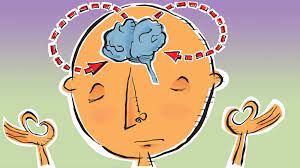
Hypnosis: What can you do to help with your anxiety?

Hypnosis: What can you do to help with your anxiety?

By, Maro Mikhaeil

Anxiety has occurred amongst millions of individuals from all over the world. In fact, Anxiety is the most common mental illness for its effect on a wide range of individuals.

There are many treatments for individuals experiencing symptoms of anxiety. One of the most successful treatments is hypnosis, which entails hypnotic inductions. Hypnosis essentially teaches you how to be in a state of trance and deep relaxation. Hypnosis helps to decrease feelings of anxiety by keeping your emotions in check and actually helps you anchor these calm feelings. Anchoring is a technique being used here that teaches an individual undergoing hypnosis to associate to more positive triggers instead of negative ones (Leming, 2023).

Hypnosis may even allow individuals to recall memories and revisit them, in a way that decreases one’s anxiety. In other words, it may take you into a dream-like state where you will go back to the time that caused your anxiety and help you conquer it.

If you or someone you know is struggling with their mental health, severe anxiety please contact our psychotherapy offices in New York or New Jersey to talk to one of our licensed professional psychologists, psychiatrists, psychiatric nurse practitioners, or psychotherapists at Arista Counseling & Psychotherapy. Contact our Paramus, NJ or Manhattan, NY offices respectively, at (201) 368-3700 or (212) 722-1920 to set up an appointment. For more information, please visit http://www.counselingpsychotherapynjny.com/

Sources:

https://www.forbes.com/health/mind/anxiety-statistics/#:~:text=Roughly%20301%20million%20people%2C%20an,are%20affected%20by%20anxiety%20disorders

https://www.forbes.com/health/mind/anxiety-statistics/#:~:text=Nationally%3A%20Over%2040%20million%20adults,mental%20illness%20in%20the%20world.

https://www.choosingtherapy.com/hypnosis-for-anxiety/#:~:text=A%20hypnotherapist%20guides%20a%20person,focused%20awareness%2C%20and%20soothing%20suggestions.

Post-Grad Depression

Depression/Post-College

By: Ingrid Guevara

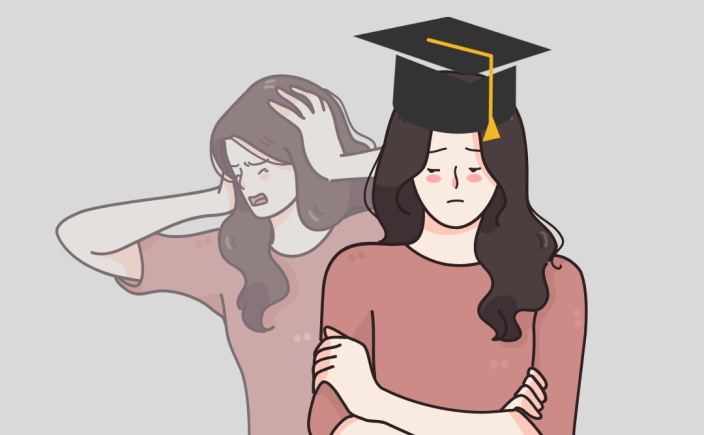
Everyone knows and acknowledges that depression during college occurs. Statistics show that twenty-seven percent of college students had been diagnosed with depression and twenty-three percent said that depression impacted their academic performance negatively.  When it comes to post-grad students research shows that around twenty percent of student graduating experience depression. Post-grad depression is seen as situational depression. Situational depression is depression caused by a stressful or traumatic event. Post-Grad depression is caused by; pressure of finding a job, moving back in with parents, feeling a failure to launch, changes in friendships (friends scattering, not seeing them), student debt, comparison with friends and being overwhelmed by next steps and changes. Signs of post-grad depression are; lack of motivation, feeling worthless or guilty, loneliness, overwhelm (especially related to the next steps), feeling sad or down, isolation or wanting to isolate oneself, not enjoying activities that were previously enjoyed, poor sleep, appetite change, lower than usual frustration tolerance, feeling sluggish or super jittery and intense fear or expectation things will not go well in the future. Post-grad depression like any depression can really hinder your life so seeking help is suggested in order to properly cope with it. It is also suggested; avoiding comparing yourself with others, practice self-kindness and self-love, reach out to friends,  get some exercise/movement, don’t be too hard on yourself, recognize that transitions are difficult, find a support group/networking group, take care of yourself and confide in trusted family and friends. Depression is common when life is stressful and one feels pressure therefore, it is okay because always remember you are not alone.

If you or someone you know is struggling with their mental health, please contact our psychotherapy offices in New York or New Jersey to talk to one of our licensed professional psychologists, psychiatrists, psychiatric nurse practitioners, or psychotherapists at Arista Counseling & Psychotherapy. Contact our Paramus, NJ or Manhattan, NY offices respectively, at (201) 368-3700 or (212) 722-1920 to set up an appointment. For more information, please visit http://www.counselingpsychotherapynjny.com/

References

https://www.ncbi.nlm.nih.gov/pmc/articles/PMC9091131/

Emotionally Abusive Relationship: How to Spot the Signs

Emotionally Abusive Relationship: How to Spot the Signs

By Erika Ortiz

Abuse of any kind must never be tolerated. Whether it is from your boss, spouse, family member, or friend, it should not be taken lightly and must be acted upon quickly before it can escalate to serious issues. However, some forms of abuse are difficult to distinguish and can be especially hard to come to terms with when the abuser is a significant other such as a spouse or boyfriend/girlfriend. Physical abuse is a well-known form of abuse; however, emotional abuse has a subtle component, making it very tricky to catch. Here are some signs that you are in an emotionally abusive relationship:

Controlling and manipulative- Your partner may make you feel bad for going out or give you a curfew when you’re out with friends.

Gaslighting- Your partner can make you believe points in their arguments or things you have “said” that never happened.

Humiliation and embarrassment- They may insult you, make fun, and make you feel bad about yourself in front of others.

Silent treatment/Stonewalling- After an argument, they may “shut down” to make you feel abandoned and cut communication.

Threats- They may flat-out threaten you in any way, shape, or form possible.

There is quite a lengthy list of signs of emotional abuse. However, it is crucial to be proactive and seek help. These issues can cause or result in depression, anxiety, suicide, and PTSD. It can even lead to physical abuse if it hasn’t already occurred. Please seek professional help immediately if you see any signs of abuse or feel unsafe or unwell.

If you or someone you know is experiencing an emotionally abusive relationship or signs of it, please contact our psychotherapy offices in New York or New Jersey to talk to one of our licensed professional psychologists, psychiatrists, psychiatric nurse practitioners, or psychotherapists at Arista Counseling & Psychotherapy. Contact our Paramus, NJ or Manhattan, NY offices respectively at (201) 368-3700 or (212) 722-1920 to set up an appointment. For more information, please visit https://www.counselingpsychotherapynjny.com

 Sources

https://www.webmd.com/sex-relationships/signs-emotionally-abusive-relationship

https://www.healthline.com/health/signs-of-mental-abuse#control-and-shame

Intergenerational Trauma: What is it?

Intergenerational Trauma: What is it?

By Erika Ortiz

            Intergenerational trauma is a term used to describe the difficulties or challenges a family has experienced for generations. Intergenerational trauma can inflict negative feelings and experiences through either an individual or the family as a whole. It usually starts with one family member who has had a traumatic experience. The family members then goes on to either repeat the action that traumatized them or project their feelings onto family members, continuing the cycle of trauma. Historical trauma can catalyze intergenerational trauma. For example, a great-grandmother survived the Holocaust; however, she now behaves in a very reserved and cold manner, so she struggles to express emotions such as love and compassion. Since she raised her children in such a manner, they may grow and have children and display that same type of avoidant relationship. Another example can be that a mother was sexually abused when she was younger, her daughter was also sexually abused, and her granddaughter suffered from that experience. The individual who suffers the trauma can pass down and then project the feelings that were felt at the time of the incident. Since they most likely did not receive the proper care and treatment to manage the mental health issues that they were experiencing, they relayed that same traumatic feeling to the next generation of their family. Hence, it is critical to seek professional help. Here are some ways to cope/deal with inter-generational trauma:

  • Break the cycle- interrupt and prevent the repetition of trauma
  • Hear each other out- although this can be difficult, listening is key to fixing
  • Get the professionals involved- the best way to cope with any mental health issue or fragmented relationship is to get a qualified professional’s help


Source:

https://www.choosingtherapy.com/intergenerational-trauma/

If you or someone you know is experiencing intergenerational trauma or other traumas, please contact our psychotherapy offices in New York or New Jersey to talk to one of our licensed professional psychologists, psychiatrists, psychiatric nurse practitioners, or psychotherapists at Arista Counseling & Psychotherapy. Contact our Paramus, NJ or Manhattan, NY offices respectively at (201) 368-3700 or (212) 722-1920 to set up an appointment. For more information, please visit https://www.counselingpsychotherapynjny.com

Anxiety in Athletes

Anxiety in Athletes

By Fiona McDermut

            Anxiety disorders are quite common in recent times, and can interfere with completing simple daily tasks. One population in which anxiety disorders can be particularly concerning is student athletes. Student athletes experience a tremendous amount of pressure coming from multiple facets of life. This includes pressure to perform/compete well, pressure to attend athletic training daily, pressure to maintain a healthy/fit figure, and the pressure to keep up with academic assignments. Competition and a moderate level of stress have proven to be beneficial to performance in many circumstances, but the overwhelming stress that often results from being a student athlete can be debilitating and may impact success.

            Although athletes may be at an increased risk for anxiety disorders, they often find that their schedules are too busy to seek help. In order to perform physically to one’s fullest potential, mental health is just as important as physical health. Anxiety can cause both mental and physiological symptoms that can impact athletic performance.

These symptoms include:

  • Feeling powerless
  • Feeling weak or tired
  • Increased heart rate
  • Rapid breathing
  • Trembling

            While decreasing the level of competition and pressure for student athletes may be a lost cause, there are ways to help deal with the feelings of anxiety that accompany this. First and foremost, it is crucial to allow yourself to take a day off when the pressure becomes too overwhelming. Do something that makes you happy, or simply give your body and mind a day of relaxation. This is especially important if you are injured, or not feeling well mentally or physically.

            If feelings of anxiety persist, it can be helpful to seek therapy. Therapy sessions provide an outlet to share emotions, as well as a professional who can help to manage anxiety. Some of the main treatments for anxiety include Cognitive Behavioral Therapy, Psychotherapy, and medication (mainly SSRIs and antidepressants). A mental health professional will work with your personal needs to establish the most effective treatment plan.

If you or someone you know is struggling with anxiety, please contact our psychotherapy offices in New York or New Jersey to talk to one of our licensed professional psychologists, psychiatrists, psychiatric nurse practitioners, or psychotherapists at Arista Counseling & Psychotherapy. Contact our Paramus, NJ or Manhattan, NY offices respectively, at (201) 368-3700 or (212) 722-1920 to set up an appointment. For more information, please visit http://www.counselingpsychotherapynjny.com/

Sources:
https://www.ncaa.org/sports/2014/10/8/mind-body-and-sport-anxiety-disorders.aspx

Image Source:

https://www.cnbc.com/2021/09/13/heres-impact-of-ncaa-letting-college-athletes-profit-off-their-marketability.html

Anxiety in Elementary School Students

Anxiety in Elementary School Students

By Kim Simone

Symptoms of Anxiety

Elementary school students may present with different symptoms of anxiety each day before, during, and after school. Physical manifestations of anxiety may include stomachaches, restlessness, heart palpitations, and complaints of not feeling well enough to attend school. These children often have difficulty falling and staying asleep and may refuse to attend school in the morning. While in the classroom, these students may show difficulty concentrating, show excessive preoccupation with performance, or may perform poorly as a result of excess worry.

Types of Anxiety Presented

Separation anxiety is characterized by excessive worry about being separated from caregivers and commonly affects students of young ages. Social anxiety is another disorder that can be found in children, impacting their ability to participate in the classroom and socialize with their classmates. Another disorder is generalized anxiety disorder (GAD) which affects students who worry about a wide variety of school issues. For instance, students with GAD may struggle with academic perfectionism. Although typically harder to identify in a school setting at a young age, young students may present with symptoms of obsessive-compulsive disorder. Students with this disorder may perform compulsive rituals or behaviors to ease their anxiety. Other anxiety disorders that may affect a student are selective mutism and specific phobias. These often impact academic and social performance.

Treatment Options

Psychotherapy can help children struggling with anxiety. Cognitive behavioral therapy (CBT) is the most commonly used treatment option. This therapy focuses on negative patterns of thoughts and addresses how thoughts affect the way the child feels. Parents of children with anxiety disorders can benefit from speaking to a child psychologist about how they can help. Medications may also be used to ease symptoms for a wide-variety of anxiety disorders. Treatment for anxiety disorders can be done through in-person services and virtual options, which can provide the necessary help to improve daily functioning.

If you or someone you know is struggling with anxiety, please contact our psychotherapy offices in New York or New Jersey to talk to one of our licensed professional psychologists, psychiatrists, psychiatric nurse practitioners, or psychotherapists at Arista Counseling & Psychotherapy. Contact our Paramus, NJ or Manhattan, NY offices respectively, at (201) 368-3700 or (212) 722-1920 to set up an appointment. For more information, please visit http://www.counselingpsychotherapynjny.com/

Sources:

https://childmind.org/article/classroom-anxiety-in-children/

Therapy for Anxiety Disorders

https://www.psychologytoday.com/us/basics/anxiety/children-and-anxiety#:~:text=They%20may%20be%20overly%20or,enough%20to%20go%20to%20school.

Image Source:

Psychotherapy: Benefits of Rational Emotive Behavior Therapy (REBT)

By: Jasmyn Cuate

Rational emotive behavior therapy (REBT) is a type of cognitive behavioral therapy (CBT) that focuses on helping people recognize and change negative thinking patterns into positive, healthier ones. This method is an action-oriented approach helping to overcome any psychological problems or mental distress. The goal of REBT is to help people respond rationally to situations that would cause stress, depression, or other negative feelings. How does it work?

The ABC model is one concept of REBT. The model suggests that we may blame external situations for our unhappiness and it is our interpretation of these situations that truly causes the psychological distress. ABC stands for:

  • A: Activating event, when something happens in your environment
  • B: Belief, describes your thoughts about the situation
  • C: Consequence, which is your emotional response to your belief

With REBT, your therapist will help you learn how to apply the ABC model in your daily life. Your therapist may help you identify the activating event before encouraging you to figure out which belief led you to your negative feelings. Once you’ve identify the underlying issue, your therapist will work with you to change those beliefs and your emotional response towards the issue. Before changing your belief, a process called disputation takes place where your therapist will challenge your irrational beliefs using direct methods such as asking questions which causes you to re-think or have you imagine another point of view that you may have not considered before. REBT can help with Anxiety, Social anxiety disorder, distress, Depression, Disruptive behavior in children, Obsessive-compulsive disorder (OCD) and Psychotic symptoms.

Benefits of REBT:

  • Reduce feelings of anger, depression, anxiety, and distress
  • Improves health and quality of life
  • Better social skills and school performance

REBT helps you understand that you are worthy of self-acceptance no matter what even if you or others are struggling; there is no need for shame or guilt because everyone makes mistakes and it’s normal to feel some discomfort. REBT gives insight that others are also worthy of acceptance even if their behavior involves something you don’t like. Overall, REBT helps you have a healthy emotional response on learning from a situation and moving on. This allows you to understand that negative things will sometimes happen in life therefore there is no rational reason to always expect it to be positive when faced with a situation.

If you or someone you know is seeking for cognitive behavioral therapy or rational emotive behavior therapy, please contact our psychotherapy offices in New York or New Jersey to talk to one of our licensed professional psychologists, psychiatrists, psychiatric nurse practitioners, or psychotherapists at Arista Counseling & Psychotherapy. Contact our Paramus, NJ or Manhattan, NY offices respectively, at (201) 368-3700 or (212) 722-1920 to set up an appointment. For more information, please visit http://www.counselingpsychotherapynjny.com/

Source: https://www.verywellmind.com/rational-emotive-behavior-therapy-2796000

Mindfulness: Its Effects on Anxiety and Depression

Mindfulness: Its Effects on Anxiety and Depression

By: Stacey Rodriguez

Mindfulness, derived from Buddhist teachings, is a practice which fosters introspective awareness. It’s main principles consist of actively experiencing the present moment, as well as practicing radical acceptance. Radical acceptance is a distress tolerance skill, which is implemented by openly recognizing thoughts and experiences without the tension of subjective or negative perception. Central facets of radical acceptance include self compassion and validation. This perspective emphasizes defusion, which is the process of separating the mind from its thoughts; the act of perceiving oneself as the observer of one’s thoughts, rather than identifying with them, allows individuals to healthily process emotions while remaining grounded and rational. Mindfulness is a defining feature of several modern therapeutic approaches, such as dialectical behavioral therapy (DBT) and mindfulness based cognitive therapy (MBCT). DBT is a form of cognitive therapy, in which the approach focuses on recognizing maladaptive behavioral patterns and core beliefs. Similarly, MBCT uses cognitive behavioral therapy supplemented by mindfulness meditative practices, in order to help individuals become aware of their thoughts and feelings all while avoiding the loop of negativity. 

Practicing mindfulness has proven to have an abundance of promising effects on the mind and body. Overall, it has shown to significantly reduce anxiety and depression. Methodical data suggests that the practice influences stress pathways, and even modifies structure and activity in regions associated with attention and emotion regulation in the brain. Additionally, studies have found mindfulness to have the same moderate effect on treating depression as does medication, as well as moderate effects on anxiety and pain. 

Some mindful activities include:

  • Journaling
  • Practicing breathing techniques
  • Mediation
  • Yoga

If you or someone you know is seeking therapy for depression or anxiety, please contact our psychotherapy offices in New York or New Jersey to talk to one of our licensed professional psychologists, psychiatrists, psychiatric nurse practitioners, or psychotherapists at Arista Counseling & Psychotherapy. Contact our Paramus, NJ or Manhattan, NY offices respectively, at (201) 368-3700 or (212) 722-1920 to set up an appointment. For more information, please visit http://www.counselingpsychotherapynjny.com/

Source:https://www.apa.org/topics/mindfulness/meditation#:~:text=Researchers%20reviewed%20more%20than%20200,%2C%20pain%2C%20smoking%20and%20addiction.

https://www.apa.org/monitor/2015/03/cover-mindfulness

Image source: https://news.harvard.edu/gazette/story/2018/04/harvard-researchers-study-how-mindfulness-may-change-the-brain-in-depressed-patients/

Social Anxiety; Going Back to Normalcy After the Pandemic 

By Jillian Hoff

As everyone starts to go back to their lives before the pandemic it is important to recognize that some individuals will feel uncomfortable after being in quarantine for so long. Some people will most likely feel some amount of social anxiety when going back out. It is important to recognize that most people are going to feel anxious when returning back to normalcy. Most people will just feel these emotions a different degree. Social anxiety is more than just feeling nervous. It could occur when a person feels as though they are being judged or being put down by the people around them when that isn’t the case. This will be normal as people go back to socializing in any type of setting. One major issue society might have would be to relearn social behaviors. Some things that we previously would not have thought about doing became common actions for us during the pandemic. Things like making facial expressions under our masks or talking during a meeting because that is what we got used to doing, is not going to be acceptable behavior when one’s in person.

It is important not to rush into socializing in person. Start by having in-person meetings or work once or twice a week and slowly add more days after you are comfortable. If you have an event that you need to go to, try planning a solution in advance that will make you most comfortable to be there. You can also practice mindfulness and deep breathing exercises as a way to gain some control over your anxiety. However, what is most important is to realize that everyone is getting back to normalcy and that others will feel the same way as you do.

If you or someone you know is seeking therapy for social anxiety, please contact our psychotherapy offices in New York or New Jersey to talk to one of our licensed professional psychologists, psychiatrists, psychiatric nurse practitioners, or psychotherapists at Arista Counseling & Psychotherapy. Contact our Paramus, NJ or Manhattan, NY offices respectively, at (201) 368-3700 or (212) 722-1920 to set up an appointment. For more information, please visit http://www.counselingpsychotherapynjny.com/

Sources:

https://www.mprnews.org/story/2021/06/21/the-19th-explains-how-to-manage-postpandemic-social-anxiety

https://www.cedars-sinai.org/newsroom/managing-post-pandemic-social-anxiety/

https://tulsaworld.com/opinion/columnists/cartoon-post-pandemic-anxiety/article_453797b8-8804-11eb-a763-3371541a6ae8.html

Low Maintenance Might be a Bad Thing

By Katie Weinstein

In our society low maintenance is always seen as a good or neutral thing. People who are low maintenance are seen as flexible, nice, and easy going. If you are low maintenance meaning you can walk out the door without spending an hour doing your hair and makeup that is great, but if you are a low maintenance friend or partner out of fear of asking people to meet your needs, it is time to set boundaries and begin advocating for yourself.

Some people become high maintenance because their parents downplayed their feelings or were not able to meet the needs of their child for reasons such as working multiple jobs, having another child who was high-need, or suffering from an addiction problem. Other people become high need because peers labeled them as dramatic or they were excluded in school so learned to become an easy friend so they shut down their needs. As a result, people learn to be low maintenance so that they take up as little space as possible. In reality, if you’re low maintenance as a result of fear of asking people to meet your emotional needs and coming across as needy, it can take a toll on you.

It is important to first start with identifying what your needs are and what makes you happy. You also need to remind yourself that your needs are valid and it is normal to ask things of people. You are not being overly sensitive or dramatic. While it might seem horrifying to ask people for things, build up the confidence to set boundaries and tell people how you feel. True friends or partners will stick around even if it takes some getting used to. It is also important to tell yourself a new narrative about your needs. Instead of telling yourself that you are dramatic, tell yourself you are advocating for yourself. Once you stop being so low maintenance your confidence will improve, you will build better relationships, and people will stop using you. It is important to get as much in a relationship as you give. If you need help identifying your needs, building your confidence, or advocating for yourself, therapy might be a great option for you.

https://www.psychologytoday.com/us/blog/between-the-generations/202101/are-you-too-low-maintenance?collection=1151944

https://www.psychologytoday.com/us/blog/sexual-self/202104/why-some-people-feel-sad-after-sex

If you or someone you know is low maintenance and seeking therapy, please contact our psychotherapy offices in New York or New Jersey to talk to one of our licensed professional psychologists, psychiatrists, psychiatric nurse practitioners, or psychotherapists at Arista Counseling & Psychotherapy. Contact our Paramus, NJ or Manhattan, NY offices respectively, at (201) 368-3700 or (212) 722-1920 to set up an appointment. For more information, please visit http://www.counselingpsychotherapynjny.com/