Freshman Year of College: Life Transitions & Mental Wellness

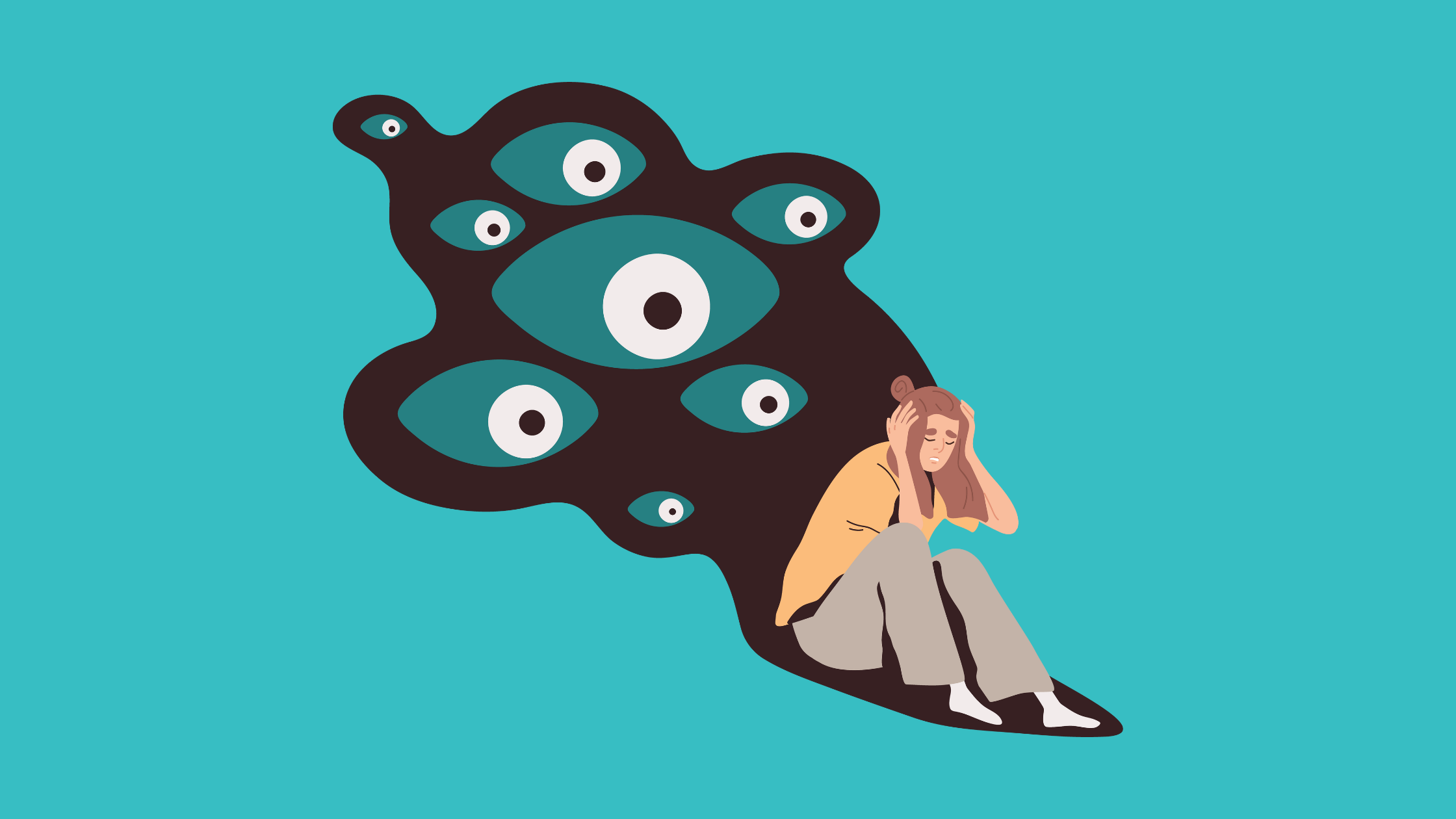
Freshman Year of College: Life Transitions & Mental Wellness

By: Kristen Thauer

Everyone who has attended college or university knows that the first year can be daunting. For many American teenagers, the transition to college has become increasingly fraught with anxiety. Some are excited to meet new people, attend interesting classes and move away from home. Others may worry about the financial hardships and potential isolation that comes with moving away from friends and family. Tuition costs have skyrocketed over the past few decades. The college experience our parents or even grandparents had seems like a distant memory.

While college is an incredible opportunity for growth, not only academically but socially and emotionally, many do struggle with the transition. Transferring colleges has become increasingly common as many students end up feeling as though their first choice was not the right fit. These experiences can sometimes make it more difficult to foster new friendships and a sense of community on campus. Unfortunately, many colleges have seen a dip in student engagement since COVID-19, meaning less and less students are going to club meetings, sporting events and even class.

 Many of these hardships students are facing today are caused by an uptick in mental health concerns. According to the American College Health Association’s database, 36% of college students have been diagnosed with depression and 26% of students have been diagnosed with anxiety. Regardless of the many factors that may be at play, students need mental health support both on and off campus. Reaching out for therapy in your college years can be a helpful and transformative experience as you navigate this life transition. There is no reason to suffer alone!

https://www.acha.org/ACHA/Resources/Topics/MentalHealth.aspx

If you or someone you know is struggling with their mental health, please contact our psychotherapy offices in New York or New Jersey to talk to one of our licensed professional psychologists, psychiatrists, psychiatric nurse practitioners, or psychotherapists at Arista Counseling & Psychotherapy. Contact our Paramus, NJ or Manhattan, NY offices respectively, at (201) 368-3700 or (212) 722-1920 to set up an appointment. For more information, please visit https://aristapsychiatrypsychotherapy.com/

Hypnosis: What can you do to help with your anxiety?

Hypnosis: What can you do to help with your anxiety?

By, Maro Mikhaeil

Anxiety has occurred amongst millions of individuals from all over the world. In fact, Anxiety is the most common mental illness for its effect on a wide range of individuals.

There are many treatments for individuals experiencing symptoms of anxiety. One of the most successful treatments is hypnosis, which entails hypnotic inductions. Hypnosis essentially teaches you how to be in a state of trance and deep relaxation. Hypnosis helps to decrease feelings of anxiety by keeping your emotions in check and actually helps you anchor these calm feelings. Anchoring is a technique being used here that teaches an individual undergoing hypnosis to associate to more positive triggers instead of negative ones (Leming, 2023).

Hypnosis may even allow individuals to recall memories and revisit them, in a way that decreases one’s anxiety. In other words, it may take you into a dream-like state where you will go back to the time that caused your anxiety and help you conquer it.

If you or someone you know is struggling with their mental health, severe anxiety please contact our psychotherapy offices in New York or New Jersey to talk to one of our licensed professional psychologists, psychiatrists, psychiatric nurse practitioners, or psychotherapists at Arista Counseling & Psychotherapy. Contact our Paramus, NJ or Manhattan, NY offices respectively, at (201) 368-3700 or (212) 722-1920 to set up an appointment. For more information, please visit http://www.counselingpsychotherapynjny.com/

Sources:

https://www.forbes.com/health/mind/anxiety-statistics/#:~:text=Roughly%20301%20million%20people%2C%20an,are%20affected%20by%20anxiety%20disorders

https://www.forbes.com/health/mind/anxiety-statistics/#:~:text=Nationally%3A%20Over%2040%20million%20adults,mental%20illness%20in%20the%20world.

https://www.choosingtherapy.com/hypnosis-for-anxiety/#:~:text=A%20hypnotherapist%20guides%20a%20person,focused%20awareness%2C%20and%20soothing%20suggestions.

Emotionally Abusive Relationship: How to Spot the Signs

Emotionally Abusive Relationship: How to Spot the Signs

By Erika Ortiz

Abuse of any kind must never be tolerated. Whether it is from your boss, spouse, family member, or friend, it should not be taken lightly and must be acted upon quickly before it can escalate to serious issues. However, some forms of abuse are difficult to distinguish and can be especially hard to come to terms with when the abuser is a significant other such as a spouse or boyfriend/girlfriend. Physical abuse is a well-known form of abuse; however, emotional abuse has a subtle component, making it very tricky to catch. Here are some signs that you are in an emotionally abusive relationship:

Controlling and manipulative- Your partner may make you feel bad for going out or give you a curfew when you’re out with friends.

Gaslighting- Your partner can make you believe points in their arguments or things you have “said” that never happened.

Humiliation and embarrassment- They may insult you, make fun, and make you feel bad about yourself in front of others.

Silent treatment/Stonewalling- After an argument, they may “shut down” to make you feel abandoned and cut communication.

Threats- They may flat-out threaten you in any way, shape, or form possible.

There is quite a lengthy list of signs of emotional abuse. However, it is crucial to be proactive and seek help. These issues can cause or result in depression, anxiety, suicide, and PTSD. It can even lead to physical abuse if it hasn’t already occurred. Please seek professional help immediately if you see any signs of abuse or feel unsafe or unwell.

If you or someone you know is experiencing an emotionally abusive relationship or signs of it, please contact our psychotherapy offices in New York or New Jersey to talk to one of our licensed professional psychologists, psychiatrists, psychiatric nurse practitioners, or psychotherapists at Arista Counseling & Psychotherapy. Contact our Paramus, NJ or Manhattan, NY offices respectively at (201) 368-3700 or (212) 722-1920 to set up an appointment. For more information, please visit https://www.counselingpsychotherapynjny.com

 Sources

https://www.webmd.com/sex-relationships/signs-emotionally-abusive-relationship

https://www.healthline.com/health/signs-of-mental-abuse#control-and-shame

Intergenerational Trauma: What is it?

Intergenerational Trauma: What is it?

By Erika Ortiz

            Intergenerational trauma is a term used to describe the difficulties or challenges a family has experienced for generations. Intergenerational trauma can inflict negative feelings and experiences through either an individual or the family as a whole. It usually starts with one family member who has had a traumatic experience. The family members then goes on to either repeat the action that traumatized them or project their feelings onto family members, continuing the cycle of trauma. Historical trauma can catalyze intergenerational trauma. For example, a great-grandmother survived the Holocaust; however, she now behaves in a very reserved and cold manner, so she struggles to express emotions such as love and compassion. Since she raised her children in such a manner, they may grow and have children and display that same type of avoidant relationship. Another example can be that a mother was sexually abused when she was younger, her daughter was also sexually abused, and her granddaughter suffered from that experience. The individual who suffers the trauma can pass down and then project the feelings that were felt at the time of the incident. Since they most likely did not receive the proper care and treatment to manage the mental health issues that they were experiencing, they relayed that same traumatic feeling to the next generation of their family. Hence, it is critical to seek professional help. Here are some ways to cope/deal with inter-generational trauma:

  • Break the cycle- interrupt and prevent the repetition of trauma
  • Hear each other out- although this can be difficult, listening is key to fixing
  • Get the professionals involved- the best way to cope with any mental health issue or fragmented relationship is to get a qualified professional’s help


Source:

https://www.choosingtherapy.com/intergenerational-trauma/

If you or someone you know is experiencing intergenerational trauma or other traumas, please contact our psychotherapy offices in New York or New Jersey to talk to one of our licensed professional psychologists, psychiatrists, psychiatric nurse practitioners, or psychotherapists at Arista Counseling & Psychotherapy. Contact our Paramus, NJ or Manhattan, NY offices respectively at (201) 368-3700 or (212) 722-1920 to set up an appointment. For more information, please visit https://www.counselingpsychotherapynjny.com

Anxiety in Elementary School Students

Anxiety in Elementary School Students

By Kim Simone

Symptoms of Anxiety

Elementary school students may present with different symptoms of anxiety each day before, during, and after school. Physical manifestations of anxiety may include stomachaches, restlessness, heart palpitations, and complaints of not feeling well enough to attend school. These children often have difficulty falling and staying asleep and may refuse to attend school in the morning. While in the classroom, these students may show difficulty concentrating, show excessive preoccupation with performance, or may perform poorly as a result of excess worry.

Types of Anxiety Presented

Separation anxiety is characterized by excessive worry about being separated from caregivers and commonly affects students of young ages. Social anxiety is another disorder that can be found in children, impacting their ability to participate in the classroom and socialize with their classmates. Another disorder is generalized anxiety disorder (GAD) which affects students who worry about a wide variety of school issues. For instance, students with GAD may struggle with academic perfectionism. Although typically harder to identify in a school setting at a young age, young students may present with symptoms of obsessive-compulsive disorder. Students with this disorder may perform compulsive rituals or behaviors to ease their anxiety. Other anxiety disorders that may affect a student are selective mutism and specific phobias. These often impact academic and social performance.

Treatment Options

Psychotherapy can help children struggling with anxiety. Cognitive behavioral therapy (CBT) is the most commonly used treatment option. This therapy focuses on negative patterns of thoughts and addresses how thoughts affect the way the child feels. Parents of children with anxiety disorders can benefit from speaking to a child psychologist about how they can help. Medications may also be used to ease symptoms for a wide-variety of anxiety disorders. Treatment for anxiety disorders can be done through in-person services and virtual options, which can provide the necessary help to improve daily functioning.

If you or someone you know is struggling with anxiety, please contact our psychotherapy offices in New York or New Jersey to talk to one of our licensed professional psychologists, psychiatrists, psychiatric nurse practitioners, or psychotherapists at Arista Counseling & Psychotherapy. Contact our Paramus, NJ or Manhattan, NY offices respectively, at (201) 368-3700 or (212) 722-1920 to set up an appointment. For more information, please visit http://www.counselingpsychotherapynjny.com/

Sources:

https://childmind.org/article/classroom-anxiety-in-children/

Therapy for Anxiety Disorders

https://www.psychologytoday.com/us/basics/anxiety/children-and-anxiety#:~:text=They%20may%20be%20overly%20or,enough%20to%20go%20to%20school.

Image Source:

Psychotherapy: Benefits of Rational Emotive Behavior Therapy (REBT)

By: Jasmyn Cuate

Rational emotive behavior therapy (REBT) is a type of cognitive behavioral therapy (CBT) that focuses on helping people recognize and change negative thinking patterns into positive, healthier ones. This method is an action-oriented approach helping to overcome any psychological problems or mental distress. The goal of REBT is to help people respond rationally to situations that would cause stress, depression, or other negative feelings. How does it work?

The ABC model is one concept of REBT. The model suggests that we may blame external situations for our unhappiness and it is our interpretation of these situations that truly causes the psychological distress. ABC stands for:

  • A: Activating event, when something happens in your environment
  • B: Belief, describes your thoughts about the situation
  • C: Consequence, which is your emotional response to your belief

With REBT, your therapist will help you learn how to apply the ABC model in your daily life. Your therapist may help you identify the activating event before encouraging you to figure out which belief led you to your negative feelings. Once you’ve identify the underlying issue, your therapist will work with you to change those beliefs and your emotional response towards the issue. Before changing your belief, a process called disputation takes place where your therapist will challenge your irrational beliefs using direct methods such as asking questions which causes you to re-think or have you imagine another point of view that you may have not considered before. REBT can help with Anxiety, Social anxiety disorder, distress, Depression, Disruptive behavior in children, Obsessive-compulsive disorder (OCD) and Psychotic symptoms.

Benefits of REBT:

  • Reduce feelings of anger, depression, anxiety, and distress
  • Improves health and quality of life
  • Better social skills and school performance

REBT helps you understand that you are worthy of self-acceptance no matter what even if you or others are struggling; there is no need for shame or guilt because everyone makes mistakes and it’s normal to feel some discomfort. REBT gives insight that others are also worthy of acceptance even if their behavior involves something you don’t like. Overall, REBT helps you have a healthy emotional response on learning from a situation and moving on. This allows you to understand that negative things will sometimes happen in life therefore there is no rational reason to always expect it to be positive when faced with a situation.

If you or someone you know is seeking for cognitive behavioral therapy or rational emotive behavior therapy, please contact our psychotherapy offices in New York or New Jersey to talk to one of our licensed professional psychologists, psychiatrists, psychiatric nurse practitioners, or psychotherapists at Arista Counseling & Psychotherapy. Contact our Paramus, NJ or Manhattan, NY offices respectively, at (201) 368-3700 or (212) 722-1920 to set up an appointment. For more information, please visit http://www.counselingpsychotherapynjny.com/

Source: https://www.verywellmind.com/rational-emotive-behavior-therapy-2796000

Anxiety during COVID-19

Anxiety during COVID-19

By: Alexa Greenbaum

Reported rates of anxiety have increased since the COVID-19 pandemic. The number of people reporting anxiety and fear symptoms is well above historical norms. Polls have found that nearly half of Americans report the coronavirus crisis is harming their mental health. Hotlines have seen consistent results. During April alone, a month in which most Americans were in quarantine, the federal government’s distress hotline increased text rates more than 1,000 percent. In addition, dozens of states and locally run distress hotlines have reported sizeable increases in call volume as well. If you are experiencing anxiety during this time, you are not alone.

Americans who are in quarantine and sheltering in place are suffering. Outbreaks are stressful and symptoms of anxiety can include:

•    Fear and worry about your health and the health of your loved ones.

•    Changes in sleep or eating patterns.

•    Difficulty sleeping or concentrating.

•    Worsening of chronic health problems.

•    Worsening of mental health conditions.

•    Increased use of alcohol, tobacco, or other drugs. 

In particular, those who have reported high rates of fear and anxiety include:

•    Minorities

•    Women

•    Older people and people with preexisting health conditions who are at higher risk for severe illness from COVID-19 as well as people who have mental health conditions including problems with substance abuse

•    Adults under the age of 34 (children and teens)

•    People who are helping with the response to COVID-19 (doctors, health care providers, and first responders

During this time, it is more important than ever to take care of your mental health. Asking for and accepting help is a sign of strength. Call your health care provider if you are experiencing stress or anxiety. Health care providers can help you by providing a procedure and referrals.

If you or someone you know is experiencing anxiety from COVID-19 or another crisis, please contact our psychotherapy offices in New York or New Jersey to talk to one of our licensed professional psychologists, psychiatrists, psychiatric nurse practitioners, or psychotherapists at Arista Counseling & Psychotherapy. Contact our Paramus, NJ or Manhattan, NY offices respectively, at (201) 368-3700 or (212) 722-1920 to set up an appointment. For more information, please visit http://www.counselingpsychotherapynjny.com/ .

Sources:

https://www.cdc.gov/coronavirus/2019-ncov/daily-life-coping/managing-stress-anxiety.html

https://www.healthline.com/health-news/what-covid-19-is-doing-to-our-mental-health

Image Source:

https://www.vox.com/identities/2020/4/16/21219693/coronavirus-anxiety-depression-mental-health-ptsd-covid

COVID-19: Anxiety

COVID-19: Anxiety

By: Alexa Greenbaum

Reported rates of anxiety have increased since the COVID-19 pandemic. The number of people reporting anxiety and fear symptoms is well above historical norms. Polls have found that nearly half of Americans report the coronavirus crisis is harming their mental health. Hotlines have seen consistent results. During April alone, a month in which most Americans were in quarantine, the federal government’s distress hotline increased text rates more than 1,000 percent. In addition, dozens of states and locally run distress hotlines have reported sizeable increases in call volume as well. If you are experiencing anxiety during this time, you are not alone.

Americans who are in quarantine and sheltering in place are suffering. Outbreaks are stressful and symptoms of anxiety can include:

•    Fear and worry about your health and the health of your loved ones.

•    Changes in sleep or eating patterns.

•    Difficulty sleeping or concentrating.

•    Worsening of chronic health problems.

•    Worsening of mental health conditions.

•    Increased use of alcohol, tobacco, or other drugs. 

In particular, those who have reported high rates of fear and anxiety include:

•    Minorities

•    Women

•    Older people and people with preexisting health conditions who are at higher risk for severe illness from COVID-19 as well as people who have mental health conditions including problems with substance abuse

•    Adults under the age of 34 (children and teens)

•    People who are helping with the response to COVID-19 (doctors, health care providers, and first responders

During this time, it is more important than ever to take care of your mental health. Asking for and accepting help is a sign of strength. Call your health care provider if you are experiencing stress or anxiety. Health care providers can help you by providing a procedure and referrals.

If you or someone you know is experiencing anxiety  from COVID-19 or another crisis, please contact our psychotherapy offices in New York or New Jersey to talk to one of our licensed professional psychologists, psychiatrists, psychiatric nurse practitioners, or psychotherapists at Arista Counseling & Psychotherapy. Contact our Paramus, NJ or Manhattan, NY offices respectively, at (201) 368-3700 or (212) 722-1920 to set up an appointment. For more information, please visit http://www.counselingpsychotherapynjny.com/ .

Sources:

https://www.cdc.gov/coronavirus/2019-ncov/daily-life-coping/managing-stress-anxiety.html

https://www.healthline.com/health-news/what-covid-19-is-doing-to-our-mental-health

Image Source:

https://www.vox.com/identities/2020/4/16/21219693/coronavirus-anxiety-depression-mental-health-ptsd-covid

Anxiety: Social Media Anxiety Disorder

Anxiety: Social Media Anxiety Disorder

Tatyana A. Reed

Social media is very prominent in today’s society and nearly everyone has a social media account; whether it be Facebook, Instagram, Twitter, Tumblr, etc. Although social media can be great for promoting things, it is also negatively promoting an Anxiety Disorder which is also known as Social Media Anxiety Disorder. According to ePainassist.com, “Social Media Anxiety Disorder is a mental illness that is related to generalized social anxiety, which is acquired when social media interferes with the mental and physical health of a human being.” This can mean that the idea of not being able to check your social media can cause you extreme anxiety. Your anxiety may rise because of the number of likes you’re receiving on a picture, the number of repost on your tweet, or just not getting as many views on your story. Since this new form of anxiety is now increasing, ever climbing with more technology, most people have never heard of the disorder. In this article we will delve more deeply into the topic.

According to The Anxiety and Depression Association of America (ADAA), below are some symptoms of Social Media Anxiety Disorder:

  • Lying to others about how much time you spend on social media
  • Unsuccessfully trying to stop or reduce your use of social media
  • Loss of interest in other activities
  • Neglecting work or school to comment on Facebook or Twitter
  • Experiencing withdrawal symptoms when you are unable to access social media
  • Overwhelming need to share things with others on social media sites
  • Having your phone with you 24 hours a day to check your social media sites
  • Severe nervousness or anxiety when you are not able to check your notifications
  • Negative impacts in your personal or professional life due to social media usage

At first glance, the symptoms probably seem like they would have no physical or mental effects on a person. That’s a false assumption. For starters, being on a phone constantly will affect your eyes by drying them out which then leads to headaches and vision issues. Furthermore, sitting on your phone all day, instead of being active, can cause issues with weight, lower back problems, and neck strain. Using social media constantly can also feed into OCD, depression, and feelings of loneliness, according to ADAA. We think social media is all about being able to connect and share happy things with others but many people subconsciously begin to compare their lives or physical selves to others.


If you or a loved one appears to be suffering from SMAD, the licensed psychologists, psychiatrists, psychiatric nurse practitioners, and psychotherapists at Arista Counseling & Psychotherapy can assist you. Contact our Paramus, NJ or Manhattan, NY offices respectively, at (201) 368-3700 or (212) 722-1920 to set up an appointment. For more information, visit http://www.counselingpsychotherapynjny.com/

References:

ePainAssist, Team. “Social Media Anxiety Disorder: Causes: Symptoms: Treatment: Recovery Tips.” EPainAssist, 15 Apr. 2019, http://www.epainassist.com/mental-health/social-media-anxiety-disorder.

Fadar, Sarah. “Social Media Obsession and Anxiety.” Anxiety and Depression Association of America, ADAA, Nov. 2018, adaa.org/social-media-obsession.

n/a, n/a. “Social Media Anxiety Disorder All Occasion.” Zazzle.com, 2009, rlv.zcache.co.uk/social_media_anxiety_disorder_all_occasion-re4d11e0809ba45fbbbf7a966b6e2f527_xvuak_

Bullying: Impact of Bullying on Children’s Mental Health

Bullying: Impact of Bullying on Children’s Mental Health

By Lauren Hernandez

            National media has created a frenzy of coverage surrounding Wisconsin’s controversial ordinances which fine parents if their children are bullies in school. Some may disagree with this new policy; however, others believe this harsh measure will help to eliminate bullying among school children.

Bullying can be physical, emotional, or verbal, and is a pattern of harmful, humiliating behaviors directed towards people who seem vulnerable to the bully. Oftentimes bullying happens in school, but with the rise of technology, cyberbullying is also becoming a problem. Children who are victims of bullying are typically vulnerable to mistreatment because they may be smaller, weaker, younger, and fearful of the bully; however, this description is general and does not apply to everyone. Bullies use their power, whether that is physical strength, popularity, or intimidation to harm others. Bullies tend to demonstrate signs of aggression or hostility beginning around 2 years old. It has been found that bullies have mental health issues such as lack of emotional understanding, lack of prosocial behavior, and increased rates of hostility as well as insecurity. Additionally, bullies typically have difficult relationships with their parents, teachers, and peers.

Victims of bullying not only suffer from physical consequences, but being bullied negatively impacts their mental health and overall well-being.  These detrimental social and emotional abuses can foster the development of mental health disorders such as anxiety or depression.  Victims of bullying often experience feelings of low self-esteem, isolation and loneliness. Some children create somatic symptoms such as headaches, stomachaches and other complaints which might not be valid, in order to prevent attending school. Victims of bullying generally stop liking school because they associate it with the threat of a bully. Incidents of bullying should immediately be reported to a school official, parent, or other adult that can help the victim and resolve the situation.

It is important to recognize that in most cases both the bully and the victim are suffering from mental health issues and they would benefit from treatment by a school counselor, psychologist or psychiatric nurse practitioner.

If you or someone you know who may be suffering from bullying, depression, or anxiety, please contact our psychotherapy offices in New York or New Jersey to talk to one of our licensed professional psychologists, psychiatrists, psychiatric nurse practitioners, or psychotherapists at Arista Counseling & Psychotherapy. Contact our Paramus, NJ or Manhattan, NY offices respectively, at (201) 368-3700 or (212) 722-1920 to set up an appointment. For more information, please visit http://www.counselingpsychotherapynjny.com/ .


Sources:

https://www.psychologytoday.com/us/basics/bullying

https://www.psychologytoday.com/us/blog/resilience-bullying/201906/can-wisconsin-get-rid-bullies-fining-their-parents

https://www.psychologytoday.com/us/articles/199509/big-bad-bully

Image Source:

https://www.bing.com/images/search?view=detailV2&id=E96397A385D68EA2836ABF172145323D4ACC382E&thid=OIP.yGetJrSKLf9RfOX94w0QPwHaFj&mediaurl=http%3A%2F%2Fwww.scholastic.com%2Fcontent%2Fdam%2Fteachers%2Fcollections%2F17-18%2Fbullying-prevention-collections-4-3.jpg&exph=1125&expw=1500&q=bullying&selectedindex=10&ajaxhist=0&vt=0&eim=1,2,6