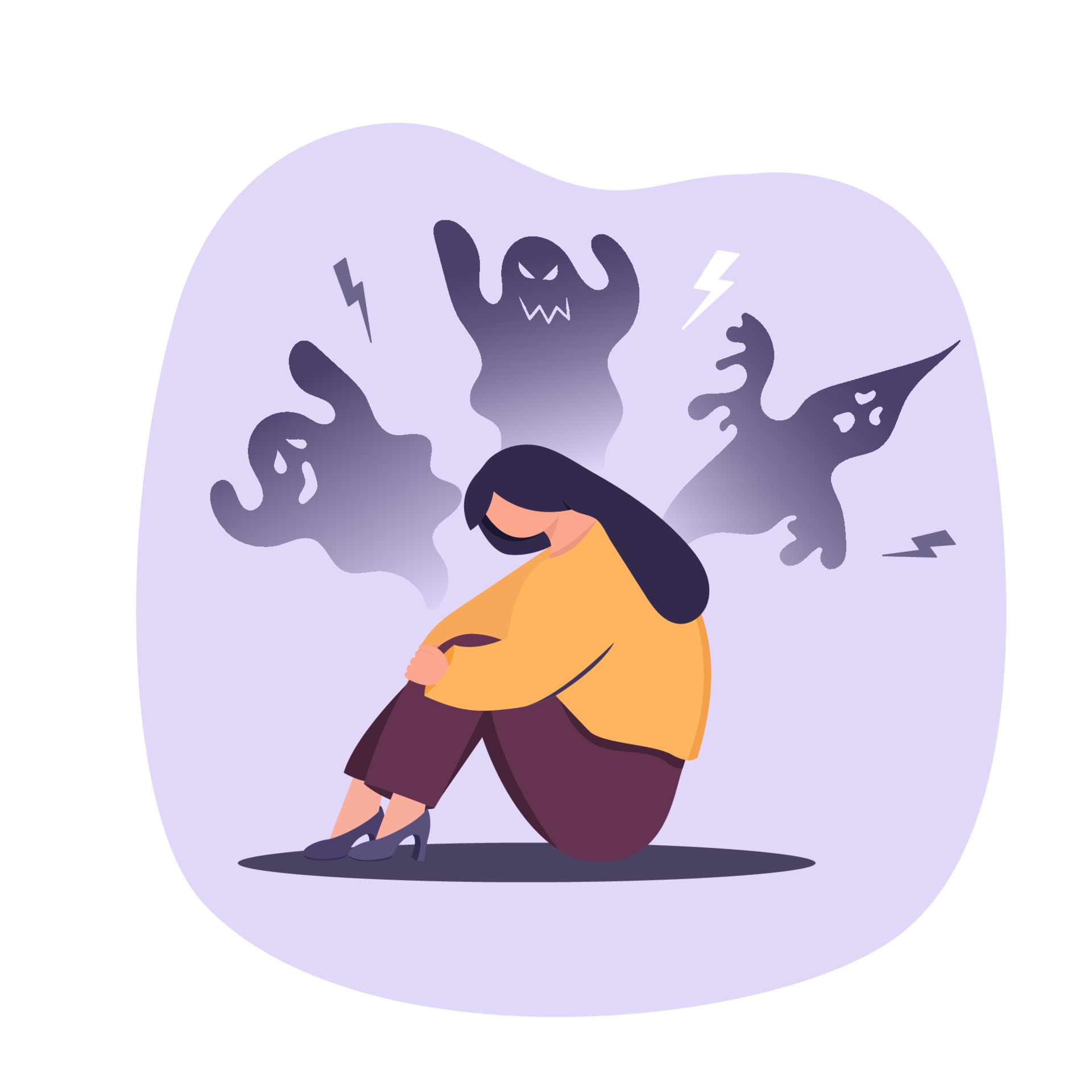
Throwing Up: The Fear of Throw Up

By Caroline Buchanan

The fear of throw up, also referred to as emetophobia, is a specific phobia that revolves around the fear of vomiting, seeing vomit, watching other people vomit, or feeling sick. Emetophobia tends to leave people in a state of anxiety, overtaking their thoughts and engaging in behaviors that impact their everyday life. For example, you may avoid crowded places, traveling, eating out, or closely monitor your own health in an attempt to reduce the distress you may feel. While this anxiety can feel overwhelming and unbearable at times, this condition can be managed by a therapist.

What causes emetophobia?

Specific phobias tend to develop after a specific incident. As a result of this incident, an association is created between a thing – an object, situation, or an event – and a fear (Psych Central). Specifically in the context of emetophobia, this could involve getting sick in public, someone vomiting on you, having a bad case of food poisoning, or seeing someone else throw up. Emetophobia can also develop without a clear cause, causing experts to believe that genetics and the environment play a role. Regardless of whether you can pinpoint an incident or not, this anxiety can still be managed.

How can emetophobia be managed?

Exposure therapy is considered to be one of the most effective treatments. In this type of therapy, your therapist will expose you to your fear at a slow rate. This could involve trying a new food at a restaurant or spinning around until you feel nauseous. With these actions, you will be provided with techniques to help you cope with these feelings of anxiety. The goal is that the more you are exposed to your fear, the more you feel comfortable with it. Talk therapy and cognitive behavioral therapy (CBT)can also be used to help learn how to identify and challenge negative thought patterns in your anxiety. While it may take some time to find the right therapist and techniques for you, it is worth it to alleviate the distress in your life.

If you or someone you know is suffering from emetophobia, please contact our psychotherapy offices in New York or New Jersey to talk to one of our licensed professional psychologists, psychiatrists, psychiatric nurse practitioners, or psychotherapists at Arista Counseling & Psychotherapy. Contact our Paramus, NJ or Manhattan, NY offices respectively, at (201) 368-3700 or (212) 722-1920 to set up an appointment. For more information, please visit http://www.counselingpsychotherapynjny.com/

https://www.healthline.com/health/emetophobia#outlook

Agoraphobia: Locked Inside

Agoraphobia: Locked Inside

By: Camillia Ghavami

                Agoraphobia is an often misunderstood and unacknowledged anxiety disorder. It is characterized by feelings of intense anxiety and avoidance of situations or places that are believed to be hard to escape. Agoraphobia is most often developed after having one or more panic attacks, leading to a fear of having another attack and thus avoidance of places that are thought to trigger these attacks. This anxiety is caused because of a fear that if a panic attack were to occur, there would be no easy way to escape or get help. These situations can include being in a car or airplane, being alone outside the home, or in crowded areas. While relatively ignored, this disorder affected 0.9% of US adults in the last year and 1.3% of US adults are expected to develop agoraphobia over the course of their lifetime. Adolescents show higher rates of agoraphobia with 2.4% of US adolescents aged 13-18 having the disorder. Additionally, while there is no gender differences of agoraphobia prevalence for adults, adolescent females tend to be afflicted by this disorder more so than men, 3.4% and 1.4% respectively.  

                Treatment for this disorder is similar to treatment for most anxiety disorders. First, psychotherapy, including cognitive behavioral therapy (CBT), has been shown to be effective in treating anxiety disorders. CBT teaches people how to be less anxious by altering their thoughts, reactions, and behaviors to situations. An example of this that can be effective for agoraphobia is exposure therapy. Exposure therapy allows people to confront their fears and helps people engage in activities they had been avoiding due to anxiety. Secondly, agoraphobia can also be treated with medications, with the most common being antidepressants, anti-anxiety medications, and beta blockers. There are many ways to treat anxiety, and a health care provider can help you choose the best treatment.

If you or someone you know is suffering from agoraphobia, please contact our psychotherapy offices in New York or New Jersey to talk to one of our licensed professional psychologists, psychiatrists, psychiatric nurse practitioners, or psychotherapists at Arista Counseling & Psychotherapy. Contact our Paramus, NJ or Manhattan, NY offices respectively, at (201) 368-3700 or (212) 722-1920 to set up an appointment. For more information, please visit http://www.counselingpsychotherapynjny.com/

References:

https://www.mayoclinic.org/diseases-conditions/agoraphobia/symptoms-causes/syc-20355987

https://www.nimh.nih.gov/health/statistics/agoraphobia#part_2666

https://www.nimh.nih.gov/health/topics/anxiety-disorders#part_2223

https://adaa.org/learn-from-us/from-the-experts/blog-posts/consumer/overcoming-agoraphobia-qa

OCD & Obsessions

OCD & Obsessions by Nicole Sanchez

Obsessive compulsive disorder is comprised of a pattern of unwanted thoughts and or fears known as obsessions. These obsessions lead one to do repetitive behaviors, also called obsessions. These obsessions and compulsions interfere with much of one’s daily activities and can cause a lot of distress. Ultimately, one feels driven to carry out compulsive acts to reduce their stress. Examples of common content of obsessional thoughts include the fear of contamination, disturbing sexual thoughts or images, religious and blasphemous thoughts, or ritualized hand washing. Ordering things in a particular way, repeated cleaning of objects or repeatedly checking locks, appliances etc. Compulsions can even include the need to constantly seek approval or reassurance. Often there are peole with OCD that recognize or suspect their obsessional thoughts are not realistic though some may think they could be true.  Even if they are aware of their intrusive thoughts are not realistic, people struggling with OCS have difficulty disengaging from the obsessive thoughts or stopping the compulsive behaviors.

Cognitive behavioral therapy (CBT) is a type of psychotherapy that is effective for many of those that struggle with OCD. Exposure and response prevention (ERP) is a part of CBT therapy which involves exposing a person over time to the feared object or obsession, such as dirt. Then one learns ways not to do their compulsive rituals. ERP takes time and practice, but it has been proven to help those struggling with OCD improve their life quality once they learn to manage their symptoms. Patients with mild to moderate OCD symptoms are usually treated with either CBT or medication depending on their preference. It also depends on their cognitive abilities, level of insight and the presence or absence of associated psychiatric conditions, as well as treatment availability. Hypnosis has often also been used to successfully eliminate OCD symptoms. Hypnosis is a relatively short treatment of several sessions which helps the person rid themselves of harmful, repetitive behaviors.

If you or someone you know is having mental health difficulties and/ or experiencing symptoms of OCD, please contact our psychotherapy offices in New Jersey to talk to one of our licensed professional psychologists, psychiatrists, psychiatric nurse practitioners, or psychotherapists at Arista Counseling & Psychotherapy. Contact our offices at (201) 368-3700 or (212) 722-1920 to set up an appointment. For more information, please visit http://www.counselingpsychotherapynjny.com/

https://www.mayoclinic.org/diseases-conditions/obsessive-compulsive-disorder/symptoms-causes/syc-20354432

https://www.psychiatry.org/patients-families/obsessive-compulsive-disorder/what-is-obsessive-compulsive-disorder

https://www.webmd.com/mental-health/obsessive-compulsive-disorder

Post-Grad Depression

Depression/Post-College

By: Ingrid Guevara

Everyone knows and acknowledges that depression during college occurs. Statistics show that twenty-seven percent of college students had been diagnosed with depression and twenty-three percent said that depression impacted their academic performance negatively.  When it comes to post-grad students research shows that around twenty percent of student graduating experience depression. Post-grad depression is seen as situational depression. Situational depression is depression caused by a stressful or traumatic event. Post-Grad depression is caused by; pressure of finding a job, moving back in with parents, feeling a failure to launch, changes in friendships (friends scattering, not seeing them), student debt, comparison with friends and being overwhelmed by next steps and changes. Signs of post-grad depression are; lack of motivation, feeling worthless or guilty, loneliness, overwhelm (especially related to the next steps), feeling sad or down, isolation or wanting to isolate oneself, not enjoying activities that were previously enjoyed, poor sleep, appetite change, lower than usual frustration tolerance, feeling sluggish or super jittery and intense fear or expectation things will not go well in the future. Post-grad depression like any depression can really hinder your life so seeking help is suggested in order to properly cope with it. It is also suggested; avoiding comparing yourself with others, practice self-kindness and self-love, reach out to friends,  get some exercise/movement, don’t be too hard on yourself, recognize that transitions are difficult, find a support group/networking group, take care of yourself and confide in trusted family and friends. Depression is common when life is stressful and one feels pressure therefore, it is okay because always remember you are not alone.

If you or someone you know is struggling with their mental health, please contact our psychotherapy offices in New York or New Jersey to talk to one of our licensed professional psychologists, psychiatrists, psychiatric nurse practitioners, or psychotherapists at Arista Counseling & Psychotherapy. Contact our Paramus, NJ or Manhattan, NY offices respectively, at (201) 368-3700 or (212) 722-1920 to set up an appointment. For more information, please visit http://www.counselingpsychotherapynjny.com/

References

https://www.ncbi.nlm.nih.gov/pmc/articles/PMC9091131/

Hypnotherapy: What is it?

Hypnotherapy: What is it?

By Emily Ferrer

Hypnotherapy helps clients gain control over unfavorable behaviors, cope with anxiety or pain, or alter their ideas about a certain idea or image. Hypnosis involves a trained psychologist and entails placing the patient into a trance-like state that can make you feel extremely calm, focused, and open to suggestions[1]. Over many years, hypnosis has been found to help many people with issues such as pain control, chemotherapy, hot flashes, behavioral changes, anxiety, depression, sleep disturbances, Irritable Bowel Syndrome (IBS), addiction, weight loss, and more[2]! In fact, a study done in 1970 found that hypnotherapy has a 93% success rate in less sessions compared to other forms of therapy[3]. The average amount of hypnotherapy sessions needed to see results can be as little as 4 and as much as 15[4]. This is much less than the average number of sessions needed for other forms of therapy, which are usually around 20 or more until you start to see results[5].

You are probably curious what exactly to expect in a hypnotherapy session and how to prepare. There is no preparation needed on your end before your first hypnotherapy session other than an open mind and a willingness to change your behaviors or ideas. The first session will usually not involve any hypnotism, however, the therapist may use this session as an opportunity to get to know you, the problems you are facing, and what you want to change. The second session is usually when your hypnotherapy begins. Your therapist will always explain the process to you and begin by talking in a soothing and gentle voice. The therapist may also start to describe very vivid images to you to create a sense of relaxation and security. Once you are in a relaxed state, your therapist may begin suggesting ways to work towards your goal that you wanted to work on, such as fear, pain, addiction, anxiety, sleep disturbances, etc. This will help you visualize your path to success and believe in your ability to accomplish your goals[6]. Eventually, your therapist will guide you out of your state of relaxation and the hypnosis session will end. Hypnosis can be extremely helpful to those it does work for but suicide/suicidal thoughts is not guaranteed.

If you or someone you know is interested in trying hypnotherapy, please contact our psychotherapy offices in New York or New Jersey to talk to one of our licensed professional psychologists, psychiatrists, psychiatric nurse practitioners, or psychotherapists certified in hypnotherapy at Arista Counseling & Psychotherapy. Contact our Paramus, NJ or Manhattan, NY offices respectively, at (201) 368-3700 or (212) 722-1920 to set up an appointment. For more information, please visit http://www.counselingpsychotherapynjny.com/ .


Sources:

[1] https://www.mayoclinic.org/tests-procedures/hypnosis/about/pac-20394405#:~:text=Hypnosis%2C%20also%20referred%20to%20as,verbal%20repetition%20and%20mental%20images.

[2] https://www.pennmedicine.org/updates/blogs/health-and-wellness/2019/january/hypnosis

[3] Barrios, A. A. (1970). Hypnotherapy: A reappraisal. Psychotherapy: Theory, Research & Practice, 7(1), 2–7. https://doi.org/10.1037/h0086544

[4] https://thehypnosisclinic.com/blog/how-many-sessions-do-i-need/

https://www.mayoclinic.org/tests-procedures/cognitive-behavioral-therapy/about/pac-20384610#:~:text=Length%20of%20therapy,Type%20of%20disorder%20or%20situation

[6] https://www.mayoclinic.org/tests-procedures/hypnosis/about/pac-20394405#:~:text=Hypnosis%2C%20also%20referred%20to%20as,verbal%20repetition%20and%20mental%20images.

Body Dysmorphia: How TikTok Impacts Self Image

Body Dysmorphia: How TikTok Impacts Self Image

By Erika Ortiz

            A new social media app called TikTok emerged and swept generations because of its easy use, likability, and relatability created by other users or creators. TikTok is used like a break from stressors in life since it can have a variety of entertaining and funny videos. The TikTok algorithm determines your perception and how you choose to “respond” to each video or comment you see and scroll past. TikTok has tons of videos, from cute cat videos to funny skits, serious world news, and even tips or “how to” for your everyday life. Since TikTok has gained massive popularity, it can be strikingly influential.  TikTok can also instill some negativity in your life.  Many videos go viral for the wrong reasons and are taken to a dangerous extremity. One type of TikTok video that always goes viral is known as, “What I eat in a day”. The creator documents all their meals throughout the day and some even calculate their calorie intake. Some creators claim it is to promote a “healthy lifestyle”, while others say it is solely because these types of videos happen to go viral and do well with their audience. Regardless, these kinds of videos seem to inflict the idea of having body dysmorphia or, ironically enough, an unhealthy eating style. Body dysmorphia or body dysmorphic disorder is a mental health condition in which people hyper-focus on their flaws and appearances to the point where they will never be “good enough” in their own eyes. Some of these videos show the over consumption of food, too few nutrients in each meal, or sometimes, too much food, and too much sugar and/or greasy foods. These videos have an alarming comment section. Users will comment something to the degree of, “Wow I eat too much”, or, “Maybe I should skip a meal or two.” As you scroll through these TikToks and come across a “What I eat in a day” or a video that promotes an unhealthy body image that makes you feel uncomfortable and/or negative about yourself, press report for “harmful activities”, then press the “not interested” option at the bottom right. Even if you do not necessarily feel that way, others still might, so it is best to do your part in preventing the spread or glorification of unhealthy lifestyles.

If you or someone you know is experiencing body dysmorphia and/or signs of an eating disorder, please contact our psychotherapy offices in New York or New Jersey to talk to one of our licensed professional psychologists, psychiatrists, psychiatric nurse practitioners, or psychotherapists at Arista Counseling & Psychotherapy. Contact our Paramus, NJ or Manhattan, NY offices respectively at (201) 368-3700 or (212) 722-1920 to set up an appointment. For more information, please visit https://www.counselingpsychotherapynjny.com

Intergenerational Trauma: What is it?

Intergenerational Trauma: What is it?

By Erika Ortiz

            Intergenerational trauma is a term used to describe the difficulties or challenges a family has experienced for generations. Intergenerational trauma can inflict negative feelings and experiences through either an individual or the family as a whole. It usually starts with one family member who has had a traumatic experience. The family members then goes on to either repeat the action that traumatized them or project their feelings onto family members, continuing the cycle of trauma. Historical trauma can catalyze intergenerational trauma. For example, a great-grandmother survived the Holocaust; however, she now behaves in a very reserved and cold manner, so she struggles to express emotions such as love and compassion. Since she raised her children in such a manner, they may grow and have children and display that same type of avoidant relationship. Another example can be that a mother was sexually abused when she was younger, her daughter was also sexually abused, and her granddaughter suffered from that experience. The individual who suffers the trauma can pass down and then project the feelings that were felt at the time of the incident. Since they most likely did not receive the proper care and treatment to manage the mental health issues that they were experiencing, they relayed that same traumatic feeling to the next generation of their family. Hence, it is critical to seek professional help. Here are some ways to cope/deal with inter-generational trauma:

  • Break the cycle- interrupt and prevent the repetition of trauma
  • Hear each other out- although this can be difficult, listening is key to fixing
  • Get the professionals involved- the best way to cope with any mental health issue or fragmented relationship is to get a qualified professional’s help


Source:

https://www.choosingtherapy.com/intergenerational-trauma/

If you or someone you know is experiencing intergenerational trauma or other traumas, please contact our psychotherapy offices in New York or New Jersey to talk to one of our licensed professional psychologists, psychiatrists, psychiatric nurse practitioners, or psychotherapists at Arista Counseling & Psychotherapy. Contact our Paramus, NJ or Manhattan, NY offices respectively at (201) 368-3700 or (212) 722-1920 to set up an appointment. For more information, please visit https://www.counselingpsychotherapynjny.com

Anxiety in Elementary School Students

Anxiety in Elementary School Students

By Kim Simone

Symptoms of Anxiety

Elementary school students may present with different symptoms of anxiety each day before, during, and after school. Physical manifestations of anxiety may include stomachaches, restlessness, heart palpitations, and complaints of not feeling well enough to attend school. These children often have difficulty falling and staying asleep and may refuse to attend school in the morning. While in the classroom, these students may show difficulty concentrating, show excessive preoccupation with performance, or may perform poorly as a result of excess worry.

Types of Anxiety Presented

Separation anxiety is characterized by excessive worry about being separated from caregivers and commonly affects students of young ages. Social anxiety is another disorder that can be found in children, impacting their ability to participate in the classroom and socialize with their classmates. Another disorder is generalized anxiety disorder (GAD) which affects students who worry about a wide variety of school issues. For instance, students with GAD may struggle with academic perfectionism. Although typically harder to identify in a school setting at a young age, young students may present with symptoms of obsessive-compulsive disorder. Students with this disorder may perform compulsive rituals or behaviors to ease their anxiety. Other anxiety disorders that may affect a student are selective mutism and specific phobias. These often impact academic and social performance.

Treatment Options

Psychotherapy can help children struggling with anxiety. Cognitive behavioral therapy (CBT) is the most commonly used treatment option. This therapy focuses on negative patterns of thoughts and addresses how thoughts affect the way the child feels. Parents of children with anxiety disorders can benefit from speaking to a child psychologist about how they can help. Medications may also be used to ease symptoms for a wide-variety of anxiety disorders. Treatment for anxiety disorders can be done through in-person services and virtual options, which can provide the necessary help to improve daily functioning.

If you or someone you know is struggling with anxiety, please contact our psychotherapy offices in New York or New Jersey to talk to one of our licensed professional psychologists, psychiatrists, psychiatric nurse practitioners, or psychotherapists at Arista Counseling & Psychotherapy. Contact our Paramus, NJ or Manhattan, NY offices respectively, at (201) 368-3700 or (212) 722-1920 to set up an appointment. For more information, please visit http://www.counselingpsychotherapynjny.com/

Sources:

https://childmind.org/article/classroom-anxiety-in-children/

Therapy for Anxiety Disorders

https://www.psychologytoday.com/us/basics/anxiety/children-and-anxiety#:~:text=They%20may%20be%20overly%20or,enough%20to%20go%20to%20school.

Image Source:

The Effects of Agoraphobia

The Effects of Agoraphobia

By: Michaela Reynolds

Agoraphobia is an anxiety disorder that causes an individual to feel an intense fear of being overwhelmed, unable to escape, or unable to get help. Due to this intense fear and anxiety, people will often avoid new places and unfamiliar situations. New places or unfamiliar situations include: open or enclosed spaces, places outside their home, crowds, and public transportation. Usually, Agoraphobia begins with a stressful event that makes an individual feel distressed and in turn, limits their contact with the world. This limitation of contact causes avoidant-behaviors with time the individual remains confined to their home. Agoraphobia is also caused by a stressful life event that triggers a panic attack. Due to the unpleasantness of panic attacks, the individuals will avoid any place or situation that will trigger another panic attack. These instances show that agoraphobia develops over time, rather than happening all at once.

The signs of agoraphobia are similar to a panic attack disorder, but the following symptoms can still occur:

  • Chest pain or rapid heart rate
  • Upset stomach
  • Dizziness or lightheadedness
  • Sudden chills or flushing
  • Fearfulness
  • Hyperventilation
  • Excessive sweating

If you or someone you know is struggling with agoraphobia, please contact our psychotherapy offices in New York or New Jersey to talk to one of our licensed professional psychologists, psychiatrists, psychiatric nurse practitioners, or psychotherapists at Arista Counseling & Psychotherapy. Contact our Paramus, NJ or Manhattan, NY offices respectively, at (201) 368-3700 or (212) 722-1920 to set up an appointment. For more information, please visit http://www.counselingpsychotherapynjny.com

Sources:

https://my.clevelandclinic.org/health/diseases/15769-agoraphobia

https://www.betterhealth.vic.gov.au/health/conditionsandtreatments/agoraphobia#complications-of-agoraphobia

 Image: https://www.rismedia.com/2020/11/05/are-you-agraid-you-might-have-agoraphobia/

Munchausen’s Syndrome

By Charlotte Arehart

Munchausen’s syndrome is a factitious disorder where the individual continuously pretends to have various ailments and illnesses to seek medical attention for them. There are several other versions of Munchausen’s syndrome, including Munchausen through proxy as well as Munchausen through the internet. Munchausen’s syndrome is a mental illness that often comes along with other mental difficulties such as depression and anxiety.

Since Munchausen’s syndrome is a factitious disorder, it can be difficult to diagnose sometimes. After all, the patient is likely to be lying about their symptoms and illnesses. There are a few things that may hint that a patient has Munchausen’s syndrome, such as inconsistent medical history, constantly changing or unclear symptoms, predictable relapses, extensive medical knowledge, new symptoms after a negative test or undesired test results, symptoms are only present when the patient is being watched or is near people, and seeking treatment in many different places.

Many times in the news we hear about cases of Munchausen’s syndrome by proxy, which is when a caregiver or parent pretends that their child is afflicted by ailments. There are many famous cases of Munchausen’s syndrome by proxy, such as the case of Gypsy Rose Blanchard. In cases of Munchausen’s syndrome by internet, the individual attends online support groups pretending to be afflicted with the struggle that those who are attending the meetings are actually experiencing. This could be either to mock those who are attending, or simply for attention.

It is important that medical staff keeps an eye out for those who may be experiencing Munchausen’s Syndrome, since it can be difficult to spot. Those who are suffering from Munchausen’s Syndrome or Munchausen’s Syndrome by proxy should seek mental health treatment as soon as possible.

If you or someone you know is struggling with Munchausen’s syndrome, please contact our psychotherapy offices in New York or New Jersey to talk to one of our licensed professional psychologists, psychiatrists, psychiatric nurse practitioners, or psychotherapists at Arista Counseling & Psychotherapy. Contact our Paramus, NJ or Manhattan, NY offices respectively, at (201) 368-3700 or (212) 722-1920 to set up an appointment. For more information, please visit http://www.counselingpsychotherapynjny.com/

Sources:

https://www.webmd.com/mental-health/munchausen-syndrome

https://www.ncbi.nlm.nih.gov/pmc/articles/PMC3554979/

https://10faq.com/health/munchausen-syndrome-symptoms/?utm_source=7017173049&utm_campaign=6449781305&utm_medium=78641056298&utm_content=78641056298&utm_term=munchausen%20syndrome&gclid=CjwKCAjwieuGBhAsEiwA1Ly_nQk9C1zizAwKaVlu7DhBKde8bnBOPK7v4QhwG7rYBc-ZZj3av-254BoCzqAQAvD_BwE

Image Source: https://healthproadvice.com/mental-health/An-Understanding-of-Munchausen-Syndrome