Healthy Lifestyle: Promoting Mental Health

Healthy Lifestyle: Promoting Mental Health

By: Maria Koutsothanasis

Maintaining a healthy lifestyle through regular exercise and a balanced diet offers significant benefits for mental health. Physical activity and proper nutrition can enhance mood, reduce stress, and promote overall well-being, improving mental and emotional stability.

The Role of Exercise in Mental Health

Exercise is an effective way to boost overall mental health. When we engage in physical activity, the brain releases dopamine and serotonin; neurotransmitters that play key roles in elevating mood, improving cognition, and reducing feelings of anxiety and depression. Regular exercise also helps to lower cortisol levels, the body’s stress hormone, which can help reduce overall stress.

Exercise can also improve sleep quality, which is crucial for emotional well-being. A good night’s rest enhances cognitive function, memory, and emotional regulation. Additionally, accomplishing exercise goals can increase self-esteem and a positive body image, further supporting mental health.

The Impact of Diet on Mental Health

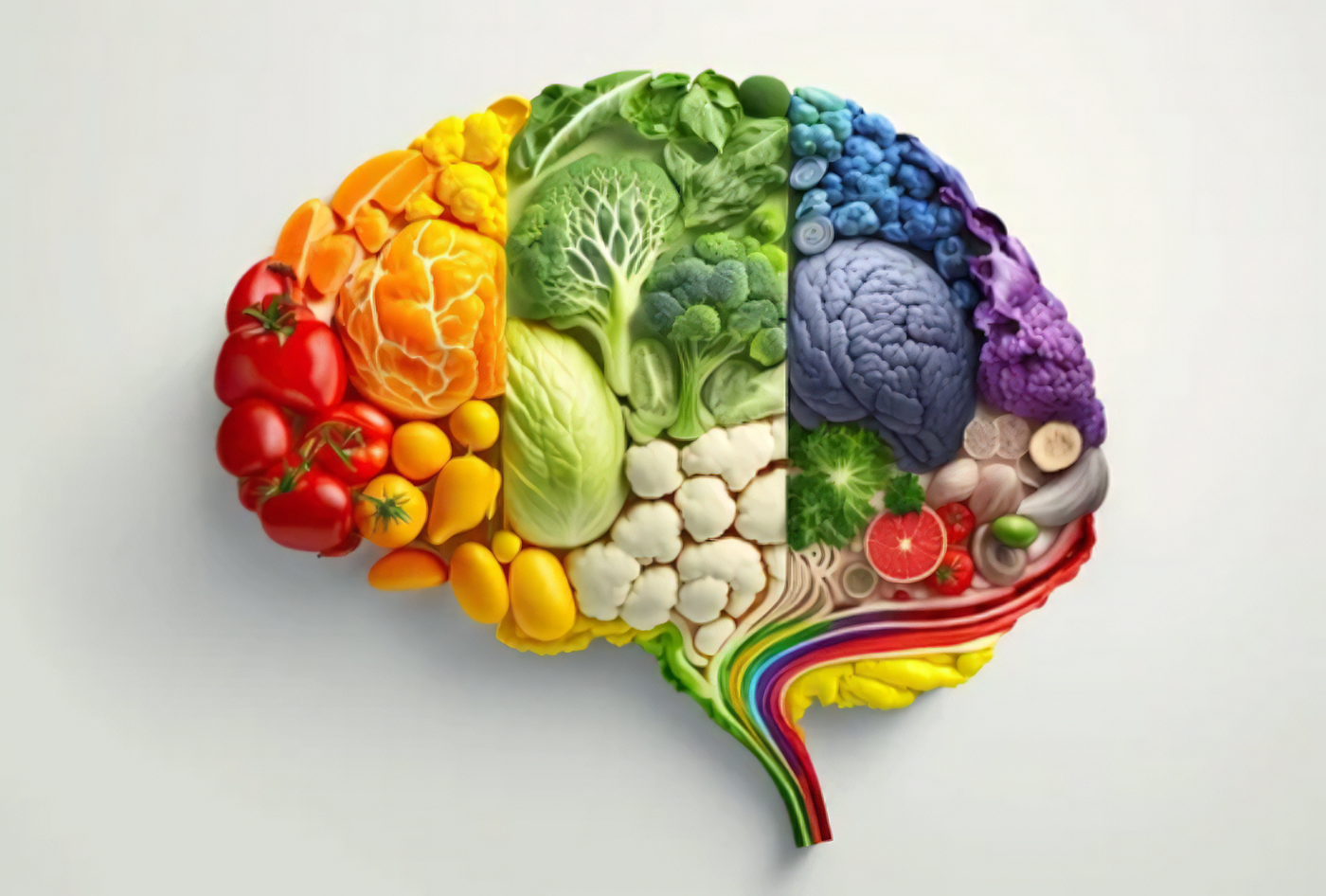
Diet plays an equally important role in mental health. Food provides essential nutrients that support brain function and emotional stability. Food can be a fuel to the body. Healthy and nutrient-filled foods can produce serotonin and dopamine and regulate them. A balanced diet helps stabilize blood sugar levels and prevent energy crashes, which can lead to irritability and fatigue. Foods rich in fiber and probiotics, such as fruits and vegetables, play a key role in emotional regulation.

Exercise and diet together can increase overall mental health. Regular physical activity is a natural treatment for feelings of anxiety and depression. A well-balanced diet provides the energy and nutrients needed to fuel physical activity. Incorporating regular exercise and a healthy diet into daily life can significantly enhance physical and mental health. These habits not only improve mood, reduce stress, and boost self-esteem, but they also support emotional resilience.

If you or someone you know is struggling with depression, anxiety, eating disorders, or other mental health issues, please contact our psychotherapy offices in New York or New Jersey to talk to one of our licensed professional psychologists, psychiatrists, psychiatric nurse practitioners, or psychotherapists at Arista Counseling & Psychiatric Services. Contact our Paramus, NJ or Manhattan, NY offices respectively, at (201) 368-3700 or (212) 722-1920 to set up an appointment. For more information, please visit http://www.counselingpsychotherapynjny.com/

Diet and mental health. Mental Health Foundation. (n.d.). https://www.mentalhealth.org.uk/explore-mental-health/a-z-topics/diet-and-mental-health

Lifestyle to support mental health. Psychiatry.org – Lifestyle to Support Mental Health. (n.d.). https://www.psychiatry.org/patients-families/lifestyle-to-support-mental-health

Understanding the effects of a healthy lifestyle on Mental Health. Penn State Health News. (2021, May 3). https://pennstatehealthnews.org/topics/may-2021-one-group-blog-mental-health/

Anxious Thoughts: How to Quite Them with Simple Self-Talk

Anxious Thoughts: How to Quite Them with Simple Self-Talk

By: Angy Farhat

Have you ever noticed how your anxious thoughts can feel like a loud, persistent soundtrack playing in the background of your mind? They might be vague (“Something bad is going to happen”) or specific (“I might crash my car”), but either way, they tend to disrupt your day and leave you feeling tense and worried. What if you could turn down the volume of these thoughts and take back control?

One powerful technique to combat these overwhelming thoughts is by using self-talk. Anxious thoughts often feel like promises of disaster—dangerous predictions that seem almost certain. But what if you could challenge these thoughts with statements that offer reassurance instead of fear?

Here’s how it works: When you experience a fearful or anxious thought, you can counter it with a more grounded, calming statement. For example, if your anxious thought is “I am in danger,” you can respond with “I am safe right now.” It’s a simple but effective strategy to shift your mindset from panic to calm.

Take John, for instance. He’s driving on the highway, and his anxious thoughts spiral: “This is dangerous… anything could happen… I won’t be able to react in time… people crash on highways all the time.” These thoughts feed off each other, growing louder and reinforcing the feeling that disaster is imminent. The more he believes them, the more overwhelming they become. But here is where self-talk can make a difference. Instead of surrendering to the anxiety, John could pause, take a deep breath, and remind himself, “I’ve driven this highway countless times, and I’ve always been fine.” With this gentle challenge to his anxious thoughts, James gains a sense of control and the volume of his fears starts to decrease.

Think of this like getting rid of an earworm, that catchy song that sticks in your head and won’t go away. When you finally shake it off, you’re left with relief—and space for something more positive. Using self-talk to challenge anxious thoughts is a way to reclaim that mental space. You stop focusing on the worst-case scenario and make room for calmer, more rational thoughts.

Here are a few more examples of how you can challenge anxiety-driven thoughts:

  • “I am in danger” → “I am completely safe in this moment.”
  • “I am going to fail” → “I have succeeded at many things. I typically figure things out.”

The key is to remember that you have the ability to influence your thoughts. By gently confronting your anxious monologue with calm, factual responses, you can reduce its power. Over time, this can help you feel less overwhelmed by anxiety and more in control of your emotional state.

So, next time your anxious thoughts start to rise, try using self-talk to quiet them down and bring yourself back to a place of peace.

If you or someone you love is struggling with anxiety, please contact our psychotherapy offices in New York or New Jersey to talk to one of our licensed professional psychologists, psychiatrists, psychiatric nurse practitioners, or psychotherapists at Arista Counseling and Psychotherapy. Contact our Paramus, NJ, or Manhattan, NY offices respectively, at (201) 368-3700 or (212) 722-1920 to set up an appointment. For more information, please visit http://www.counselingpsychotherapynjny.com/. 

References:

Mindfulness: Living in the Present

Mindfulness: Living in the Present

By: Maria Koutsothanasis

Oftentimes it is easy to feel disconnected or distracted by living in the present. With work, school, or other obligations, it is easy to lose sight of the present time. Dwelling on the past or worrying about the future causes increased feelings of stress and depression. Mindfulness can help refocus on the present events to create a calmer and more focused life.

What is mindfulness?

Mindfulness is the practice of being fully focused on the present moment. By observing your thoughts and emotions, and removing judgment, mindfulness allows you to stay present and create a deeper connection and understanding of yourself.

Mindfulness decreases stress and promotes overall emotional well-being and balance.

  1. Reduces stress and anxiety:

    Mindfulness calms the mind and body by shifting attention away from thoughts that increase stress. Mindfulness interventions such as meditation can lower cortisol levels (a stress hormone) and help people manage anxiety better.

    2. Boosts mental health:

      Mindfulness reduces symptoms of depression, anxiety, and PTSD. It promotes a greater sense of resilience and breaks a cycle of negativity. Through mindfulness, you can manage stress and have control over your mental well-being.

      3. Improves physical health:

      Mindfulness is not only good for the mind but also the body. Regular mindfulness practices have been linked to lower blood pressure, improved sleep, and an overall stronger immune system.

      How to Practice Mindfulness

      1. Mindful Breathing:

          Spending a few minutes a day focusing on your breath calms your mind and helps reduce mental clutter. If you begin to feel anxious, focusing on breathing can reduce these feelings.

          2. Engage in Gratitude:

          Reflecting on things in your life that you are grateful for is a way to shift the perspective of your life in a positive way.

          3. Being present:

          Training your mind to stay present on the tasks that you currently engage in is a way to increase focus, reduce stress, and improve overall satisfaction in life.

          Mindfulness does not require major life changes. It is about being fully present in the moments that make up your day. Incorporating these small changes in your life can lead to reduced stress, improved emotional resilience, and a deeper sense of fulfillment. The small shifts can transform how you experience the world around you and how you feel internally.

          If you or someone you know is struggling with anxiety, depression, PTSD, or other mental health issues, please contact our psychotherapy offices in New York or New Jersey to talk to one of our licensed professional psychologists, psychiatrists, psychiatric nurse practitioners, or psychotherapists at Arista Counseling & Psychiatric Services. Contact our Paramus, NJ or Manhattan, NY offices respectively, at (201) 368-3700 or (212) 722-1920 to set up an appointment. For more information, please visit http://www.counselingpsychotherapynjny.com/

          U.S. Department of Health and Human Services. (2024, June 18). Mindfulness for your health. National Institutes of Health. https://newsinhealth.nih.gov/2021/06/mindfulness-your-health

          Matthews, K. (2023, June 29). Health benefits of mindfulness: 1stCallHEALTH: Primary care providers. 1stCallHEALTH. https://1stcallhealth.com/health-benefits-of-mindfulness/


          Anxiety and Learning in Children

          Anxiety and Learning

          By:Stefani Stojanoska

          It can be difficult for anyone to learn when their anxiety takes over. Anxiety can make it difficult to focus and pay attention. An individual’s anxiety takes over concentrating on other things other than learning. An example of this is if someone’s loved one is feeling sick they can be worried about them instead of focusing on what they are supposed to learn. When people feel stressed their body goes into “fight or flight” mode. Anxiety makes memory difficult since people tend to “freeze” when feeling anxious. When this happens it is tough for individuals to process new information. When people are in these “fight or flight” modes they tend to make bad decisions such as worrying about other things which can slow down their learning and memory. Anxiety can also hold back creativity. They might be worried about what others will think about their ideas which might result in their holding back and sticking with an ordinary idea.

          Ways parents can help children

          1. Get help as soon as possible. Parents can talk to their child’s teacher to learn ways to help their child. Consult a child psychologist who can recommend ways to help reduce their anxiety and improve their learning.
          2. Parents can talk to their children about what causes their anxiety. They can teach them ways to calm down before going to school. This topic should be discussed daily with children so that each day it can become easier for them to control their anxiety.
          3. Parents can do academic learning at home that way the child will be in a comfortable setting and will be able to improve. The parent can work on academic subjects with their child at home so that they can learn since their anxiety makes it difficult for them to learn in a school setting. The parent can get help from the teacher so they know what they have to learn.

          If you or someone you know is struggling with anxiety or their mental health, please contact our psychotherapy offices in New York or New Jersey to talk to one of our licensed professional psychologists, psychiatrists, psychiatric nurse practitioners, or psychotherapists at Arista Counseling & Psychotherapy. Contact our Paramus, NJ, Manhattan, NY offices respectively, at (202) 368 3700 or (212) 722 1920 to set up an appointment. For more information, please visit https://aristapsychiatrypsychotherapy.com/  

          Stress: Does Job Stress Contribute to Mental Illness

          Stress: Does Job Stress Contribute to Mental Illness

          By Josette DeFranco

          Work stress is not often addressed. We tend to take on many tasks, leading to feeling overwhelmed physically and mentally. For some, work is a routine and many find working under stress helps them concentrate. On the other hand, some people don’t work as much and try to maintain a slower pace. In either circumstance, work can cause severe stress. Stress in the workplace can lead to decreased productivity and burnout. It is important to note how our body feels so we can find signs earlier that our mental and physical health needs a break.

          Some negative effects of stress in the workplace manifest in various ways such as a lack of motivation, reduced job satisfaction, physical and mental health problems, and interpersonal conflicts. If you notice you are feeling more fatigue, irritability, or apathy it may be best to give yourself a break. Job stress can lead to some mental illnesses like depression and anxiety. Stress prepares your body for a defensive action, like an alarm for the brain. It impacts your nervous system releasing hormones that help sharpen your senses and tense your muscles. You may have heard of something called the “flight or fight response.” This is important because it helps you defend against situations your body finds threatening. If stressful situations go without being addressed it will keep your body in a state of activation. Some ways to help alleviate job stress are to ensure that the workload is in line with workers’ capabilities and resources, allow yourself to take a break, create boundaries, provide opportunities for social interactions among workers, and establish work schedules that accommodate your responsibilities outside the job.

          If you or someone you know is struggling with their mental health, please contact our psychotherapy offices in New York or New Jersey to talk to one of our licensed professional psychologists, psychiatrists, psychiatric nurse practitioners, or psychotherapists at Arista Counseling & Psychotherapy. Contact our Paramus, NJ or Manhattan, NY offices respectively, at (201) 368-3700 or (212) 722-1920 to set up an appointment. For more information, please visit https://aristapsychiatrypsychotherapy.com/

          Resources:

          https://business.talkspace.com/articles/the-negative-effects-of-stress-in-the-workplace#:~:text=The%20effects%20of%20work%20stress,%2C%20interpersonal%20conflicts%2C%20and%20more.

          https://www.cdc.gov/niosh/docs/99-101/default.html#Job%20Stress%20and%20Health

          Work-Life Balance

          Work-Life Balance

          By: Josette DeFranco

          Are you feeling overwhelmed due to the lack of balance in your work and personal life?

          Work-life balance is important because it affects you, your family, and others. You need the time and energy to participate in your own personal interests, family, and community activities. A workplace that supports employees’ well-being and allows their employees to focus on their mental health is an excellent way for them to avoid burnout.

          Here are some healthy work-life balance tips:

          • Take breaks
          • Set boundaries
          • Learn to say no
          • Prioritize your mental health
          • Set goals
          • Practice Mindfulness
          • Create a flexible work schedule
          • Seek support

          It is important to acknowledge how this balance can benefit you. It’s easy to get caught up in your job and neglect your wants and needs. These are just a couple ways having a work-life balance can help you; create healthier workplace relationships, improve your mental health, enhance your physical health, and have better productivity at work.

          If you, your child, or someone you know is experiencing back-to-school anxiety, social anxiety, or other anxiety disorders or mental health issues, please contact our psychotherapy offices in New York or New Jersey to talk to one of our licensed professional psychologists, psychiatrist, psychiatric nurse practitioners, or psychotherapists at Arista Counseling & Psychotherapy. Contact our Paramus, NJ or Manhattan offices respectively, at 201-368-3700 or 212-722-1920 to set up an appointment. Please visit http://www.counselingpsychotherapynjny.com/ for more information.

          Sources:

          https://www.psychologytoday.com/us/blog/presence-of-mind/201509/hows-your-work-life-balance

          https://www.timedoctor.com/blog/work-life-balance-tips

          Social Anxiety: The Impact of Social Media on Social Anxiety

          Social Anxiety: The Impact of Social Media on Social Anxiety

          By: Josette DeFranco

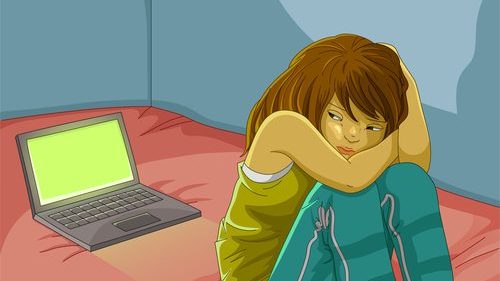
          Social anxiety is very common and can be a part of your everyday living whether it is online or offline. Social anxiety means you have persistent fears about being in social situations. Social media has become society’s major way of communicating. It has allowed users to create their own distinctive profiles and content to share with others. It has been found that social media use has caused unrealistic goals and expectations. This can create low self-esteem and a lack of in-person interactions. This may lead to anxiety because you may feel like you don’t live up to your social media image. Nonetheless, it may cause you to feel judged by your choices or appearance. It is important to pay attention to your emotions when logged onto social media and to remember that others experience similar thoughts.

          Should you take a break from social media?

          Social media can affect individuals differently. However, if you notice social media is causing damage to your mental health, self-esteem, social interactions, and making your moods worse then you may want to consider a social media break. Having a social media break even for a week or a month could enhance your mental state, allowing you to reflect and focus on your mental health needs. It has been noticed that individuals felt more grounded and less anxious, isolated, and depressed.

          If you or someone you know is struggling with their mental health, please contact our psychotherapy offices in New York or New Jersey to talk to one of our licensed professional psychologists, psychiatrists, psychiatric nurse practitioners, or psychotherapists at Arista Counseling & Psychotherapy. Contact our Paramus, NJ or Manhattan, NY offices respectively, at (201) 368-3700 or (212) 722-1920 to set up an appointment. For more information, please visit https://aristapsychiatrypsychotherapy.com/

          Sources:

          https://www.sciencedirect.com/science/article/pii/S245195882100018X

          https://www.psychologytoday.com/us/blog/thriving-with-the-challenges/202208/a-social-media-vacation-is-waiting-for-you

          The Lessons of 9/11: Therapy and Resilience

          By: Tehila Strulowitz

          The other day I was sitting in my college Renaissance History course, learning about the joy, beauty, and creative innovation of an era that spanned three centuries following roughly 1,000 years of life so bleak and horrible that it gained an additional name: the “Dark Ages.” At one point during the lecture, my professor made an off-the-cuff remark about how since every generation spans more or less 20 years, and within that generation, everything that happens in the world is considered “current events,” the 23rd anniversary of the tragic day that is 9/11 is now considered “history.” We all sat there a little shocked and confused because how could over twenty years have passed and how could something discussed so frequently in the United States be considered history?

          On the morning of Tuesday, September 11, 2001, first responders flocked by the thousands to the only building complex in the 10048 zip code in Lower Manhattan upon hearing the devastation that was unfolding in New York City. Thousands of therapists (social workers, psychologists, other mental health professionals, and so on) rushed to Manhattan in what psychologist Ghislaine Boulanger described as a “feeding frenzy” of therapists hurrying to help, (some even walking to fire stations and simply standing outside in case someone wanted therapy) all without knowing what helping would entail, all to assist in the efforts taking place in the aftermath of such a traumatic event witnessed live by hundreds of thousands of people. Boulanger, along with psychoanalyst and interfaith chaplain Margaret Klenck, described how at first the mental health professionals on the scene at that time were diving right into “the nitty-gritty” of therapy or “overmedicating people with tranquilizers and antidepressants,” when in reality, Klenck said, they were not depressed. They were traumatized and grieving, so naturally they were crying.

          Psychologist Donna Bassin, who was a therapist for victims and their family members following 9/11, noticed that she was “emotionally transformed” by being a therapist during that time. “I started becoming more aware of community trauma, realizing how much people needed each other, not just 45 minutes in the psychotherapy office.” Years of trauma research and research on effective therapeutic practices have proven that most clients do not respond positively to long, detailed, and intense therapy immediately following a traumatic event. Richard McNally, a psychologist at Harvard, remarked how one of the most impactful lessons that were learned due to 9/11 was that people are far more resilient than we, specifically therapists in this case, thought.

          As we look back on the past 23 years following a day that caused a loss of life for nearly 3,000 people and injured over 6,000, one lesson is starkly clear: we, as a community and as a nation, are more resilient than we think. We have built a bronze memorial, and etched in its surface the names of every single victim. We have built a new building in its place, 1,792 feet in the air, looking down over not only the historical New York City but also the 70-foot-deep memorial for the buildings. Therapists, first responders, the government, and doctors alike have all discovered new and more effective ways to deal with a country wreaked by terror and tragedy, and have created and discovered new ways to help people, built on the ashes of terror of times past.

          Just like the “rebirth” that the Renaissance was, in 2024 we, too, can usher in our own enlightenment.

          Psychiatric disorders associated with trauma exposure: PTSD, major depressive disorder, generalized anxiety disorder, panic disorder, and substance abuse disorders.

          If you or someone you know is struggling with trauma-related disorders or with mental health in general, please contact our psychotherapy offices in New York or New Jersey to talk to one of our licensed professional psychologists, psychiatrists, psychiatric nurse practitioners, or psychotherapists at Arista Counseling & Psychotherapy. Contact our Paramus, NJ or Manhattan, NY offices respectively, at (201) 368-3700 or (212) 722-1920 to set up an appointment. For more information, please visit http://www.counselingpsychotherapynjny.com/

          https://www.nytimes.com/2009/09/11/nyregion/11nyc.html

          https://www.nytimes.com/2011/07/29/health/research/29psych.html

          https://www.sciencedirect.com/science/article/pii/S2214999614002926

          Drug Overdose: Frequency of Non-Substance Related Mental Health Disorders Among Drug Overdose Deaths

          Drug Overdose: Frequency of Non-Substance Related Mental Health Disorders Among Drug Overdose Deaths

          By Madison Gesualdo

          Fatal drug overdoses in the United States have been on the rise in recent years, with the Center for Disease Control (CDC) reporting nearly 108,000 drug overdose deaths in 2022. However, a new study by the CDC suggests that screening and treatment for non-substance related mental health disorders, which frequently exhibit comorbidity with substance use disorders, may help lower the rate of overdoses in the United States.

          The CDC found that approximately one in five individuals (22%) who died of a drug overdose in 2022 had a co-occurring, non-substance-related mental health disorder, with depression, anxiety, and bipolar disorders being the most prevalent. Additionally, it was reported that nearly 25% of these individuals had at least one opportunity for intervention with these disorders shortly before their death, including but not limited to visits to emergency departments and the locations where they were actively being treated at for their substance use disorder. With respect to this data, the CDC emphasizes the importance of integrating more screening practices for non-substance-related mental health disorders during interventions in individuals suffering from substance use disorders in order to improve mental health among these individuals and, potentially, decrease the amount of fatal overdoses.

          Help and treatment are available to individuals with substance use disorders. Below are some of the many resources available to assist individuals with the screening and treatment of these disorders:

          If you or someone you know is struggling with drug addiction and abuse or with mental health, please contact our psychotherapy offices in New York or New Jersey to talk to one of our licensed professional psychologists, psychiatrists, psychiatric nurse practitioners, or psychotherapists at Arista Counseling & Psychotherapy. Contact our Paramus, NJ or Manhattan, NY offices respectively, at (201) 368-3700 or (212) 722-1920 to set up an appointment. For more information, please visit http://www.counselingpsychotherapynjny.com/

          References:

          Dinwiddie, A.T., Gupta, S., Mattson, C.L., O’Donnell, J., & Seth, P. (2024, August 29). Reported non–substance-related mental health disorders among persons who died of drug overdose — United States, 2022. MMWR Morb Mortal Wkly Rep 2024;73:747–753. http://dx.doi.org/10.15585/mmwr.mm7334a3

          Drug Enforcement Administration. (n.d.) Recovery resources. United States Drug Enforcement Administration. https://www.dea.gov/recovery-resources

          Anxiety: How to Cope with Back-to-school Anxiety

          Anxiety: How to Cope with Back-to-school Anxiety

          By: Josette DeFranco

          The first few weeks before school is back in session have greatly affected children and college students. Believe it or not, back-to-school anxiety is common and a manageable issue. Anxiety can impact a student’s concentration, memory, and ability to be engaged in activities. Also, another area being affected by back-to-school anxiety is social development. School is a main scene for socialization allowing students to build relationships and develop effective communication skills. Managing back-to-school anxiety is great for academic performance. Dealing with anxiety can help prevent social isolation, low self-esteem, and difficulty in forming healthy peer relationships.

          There are many ways to make the change much easier and less stressful. Below are a few tips to help manage back-to-school anxiety.

          • Practice self-care
          • Create a support system
          • Focus on the positive
          • Rehearse the drop-off
          • Visit the school
          • Take deep breaths

          If you or someone you know is struggling with their mental health, please contact our psychotherapy offices in New York or New Jersey to talk to one of our licensed professional psychologists, psychiatrists, psychiatric nurse practitioners, or psychotherapists at Arista Counseling & Psychotherapy. Contact our Paramus, NJ or Manhattan, NY offices respectively, at (201) 368-3700 or (212) 722-1920 to set up an appointment. For more information, please visit https://aristapsychiatrypsychotherapy.com/

          Sources:

          https://adaa.org/learn-from-us/from-the-experts/blog-posts/consumer/7-tips-addressing-back-school-anxiety