Anxiety: Generalized Anxiety Disorder – Chronic Worry

Anxiety: Generalized Anxiety Disorder – Chronic Worry

By: Michelle Cocone

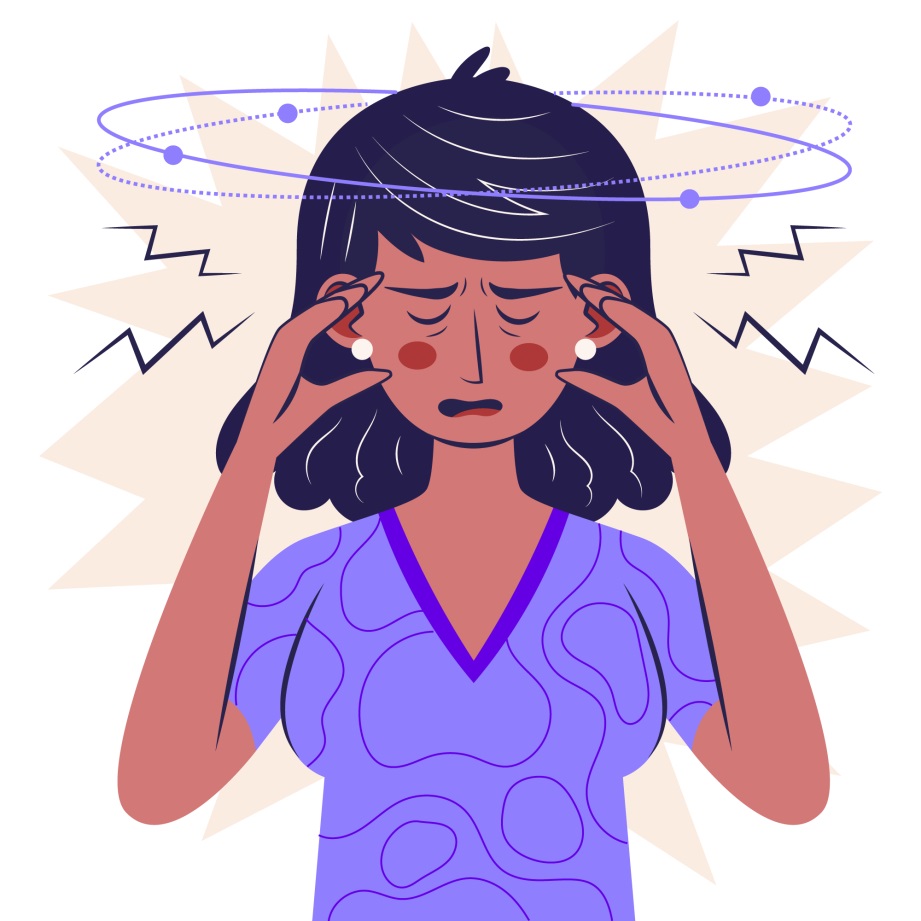
Do you ever find yourself worrying about everything all the time? You find that you can’t seem to find a way to let go, the worries always get in the way. If you are experiencing the following symptoms then you may have generalized anxiety disorder.

Generalized anxiety disorder is when you have immense worry and anxiety which affects your everyday life. Not to be confused with worrying because everyone worries about things or events occurring in their life. The difference is that one knows how to let it go or even worry about it for a bit and move on. For those experiencing generalized anxiety disorders, they don’t have a way of letting it go; it’s all they are constantly thinking about.

It may sound like:

What if I can’t get my laundry done? What if I can’t find a job? Will I be able to pay the bills on time? What if I fail in school? What if I get rejected? What if people don’t like me?

Notice how many of these worrisome are “what if” questions. It could be that you are worrying about situations/problems that haven’t yet occurred. This is one of the symptoms of this anxiety disorder- you fear the unknown which makes you worry constantly. You’ll find that you won’t be able to relax. For example, many students worry about picking and starting college. People with this disorder can also find themselves to be indecisive because they are scared to make the wrong choice.

What if I pick the wrong university? What if I fail out of my classes? What if I don’t like the people there? What if it’s too hard for me to manage?

At the end of the day we are human, we all make mistakes. We can’t be perfect all the time. In order to continue growing and be healthy, we have to sometimes make the wrong choices and learn from them. Our mistakes are what help us progress. If we are constantly worrying, then we can’t go anywhere, we’re stuck. Other symptoms you might be experiencing are: constant fatigue, muscle aches, overthinking, unable to relax, and irritability.

Generalized anxiety disorders in children are expressed differently than in adults. Children worry about being accepted, having good grades, being good at sports, making friends, being included in social outings, trying to make everything perfect, and seeking approval from their parents. This affects their mental health and everyday life routine.

Generalized anxiety disorder in adults, is more severe. Adults tend to worry about being financially stable, buying a house, not having credit card debt, having good credit, finding a good job, finding a romantic partner, and starting a family. Anxiety can be overwhelming, however. We have to remember that it’s not normal to chronically worry all the time. It’s really unhealthy and leads to poor mental health. Worrying about everything won’t make the situation better. It might actually worsen your health.

If you or someone you know is struggling with generalized anxiety disorder, please contact our psychotherapy offices in New York or New Jersey to talk to one of our licensed professional psychologists, psychiatrists, psychiatric nurse practitioners, or psychotherapists at Arista Counseling and Psychotherapy. Contact our Paramus, NJ, or Manhattan, NY offices respectively, at (201) – 368-3700 or (212)-722-1920 to set up an appointment. For more information, please visit https://www.counselingpsychotherapynjny.com/

References

Generalized anxiety disorder (GAD). Johns Hopkins Medicine. (2024a, April 16). https://www.hopkinsmedicine.org/health/conditions-and-diseases/generalized-anxiety-disorder

U.S. Department of Health and Human Services. (n.d.-a). Generalized anxiety disorder: When worry gets out of Control. National Institute of Mental Health. https://www.nimh.nih.gov/health/publications/generalized-anxiety-disorder-gad


Freshman Year of College: Life Transitions & Mental Wellness

Freshman Year of College: Life Transitions & Mental Wellness

By: Kristen Thauer

Everyone who has attended college or university knows that the first year can be daunting. For many American teenagers, the transition to college has become increasingly fraught with anxiety. Some are excited to meet new people, attend interesting classes and move away from home. Others may worry about the financial hardships and potential isolation that comes with moving away from friends and family. Tuition costs have skyrocketed over the past few decades. The college experience our parents or even grandparents had seems like a distant memory.

While college is an incredible opportunity for growth, not only academically but socially and emotionally, many do struggle with the transition. Transferring colleges has become increasingly common as many students end up feeling as though their first choice was not the right fit. These experiences can sometimes make it more difficult to foster new friendships and a sense of community on campus. Unfortunately, many colleges have seen a dip in student engagement since COVID-19, meaning less and less students are going to club meetings, sporting events and even class.

 Many of these hardships students are facing today are caused by an uptick in mental health concerns. According to the American College Health Association’s database, 36% of college students have been diagnosed with depression and 26% of students have been diagnosed with anxiety. Regardless of the many factors that may be at play, students need mental health support both on and off campus. Reaching out for therapy in your college years can be a helpful and transformative experience as you navigate this life transition. There is no reason to suffer alone!

https://www.acha.org/ACHA/Resources/Topics/MentalHealth.aspx

If you or someone you know is struggling with their mental health, please contact our psychotherapy offices in New York or New Jersey to talk to one of our licensed professional psychologists, psychiatrists, psychiatric nurse practitioners, or psychotherapists at Arista Counseling & Psychotherapy. Contact our Paramus, NJ or Manhattan, NY offices respectively, at (201) 368-3700 or (212) 722-1920 to set up an appointment. For more information, please visit https://aristapsychiatrypsychotherapy.com/

OCD & Obsessions

OCD & Obsessions by Nicole Sanchez

Obsessive compulsive disorder is comprised of a pattern of unwanted thoughts and or fears known as obsessions. These obsessions lead one to do repetitive behaviors, also called obsessions. These obsessions and compulsions interfere with much of one’s daily activities and can cause a lot of distress. Ultimately, one feels driven to carry out compulsive acts to reduce their stress. Examples of common content of obsessional thoughts include the fear of contamination, disturbing sexual thoughts or images, religious and blasphemous thoughts, or ritualized hand washing. Ordering things in a particular way, repeated cleaning of objects or repeatedly checking locks, appliances etc. Compulsions can even include the need to constantly seek approval or reassurance. Often there are peole with OCD that recognize or suspect their obsessional thoughts are not realistic though some may think they could be true.  Even if they are aware of their intrusive thoughts are not realistic, people struggling with OCS have difficulty disengaging from the obsessive thoughts or stopping the compulsive behaviors.

Cognitive behavioral therapy (CBT) is a type of psychotherapy that is effective for many of those that struggle with OCD. Exposure and response prevention (ERP) is a part of CBT therapy which involves exposing a person over time to the feared object or obsession, such as dirt. Then one learns ways not to do their compulsive rituals. ERP takes time and practice, but it has been proven to help those struggling with OCD improve their life quality once they learn to manage their symptoms. Patients with mild to moderate OCD symptoms are usually treated with either CBT or medication depending on their preference. It also depends on their cognitive abilities, level of insight and the presence or absence of associated psychiatric conditions, as well as treatment availability. Hypnosis has often also been used to successfully eliminate OCD symptoms. Hypnosis is a relatively short treatment of several sessions which helps the person rid themselves of harmful, repetitive behaviors.

If you or someone you know is having mental health difficulties and/ or experiencing symptoms of OCD, please contact our psychotherapy offices in New Jersey to talk to one of our licensed professional psychologists, psychiatrists, psychiatric nurse practitioners, or psychotherapists at Arista Counseling & Psychotherapy. Contact our offices at (201) 368-3700 or (212) 722-1920 to set up an appointment. For more information, please visit http://www.counselingpsychotherapynjny.com/

https://www.mayoclinic.org/diseases-conditions/obsessive-compulsive-disorder/symptoms-causes/syc-20354432

https://www.psychiatry.org/patients-families/obsessive-compulsive-disorder/what-is-obsessive-compulsive-disorder

https://www.webmd.com/mental-health/obsessive-compulsive-disorder

Eating Disorders: How To Catch Them in Your Loved Ones

Eating Disorders: How To Catch Them in Your Loved Ones

By Emily Ferrer

Eating disorders are characterized by severe and persistent troubles related to eating behaviors, food, and weight[1]. There are many different types of eating disorders; however, the most common are anorexia nervosa, bulimia nervosa, and binge eating disorder. Nine percent of the entire population suffers from an eating disorder and 10,200 deaths are recorded each year due to an eating disorder[2]. After reading about how common they are, I am sure you are wondering, “How do I know if I or someone I know has an eating disorder?” There are many signs and symptoms associated with eating disorders[3]:

Anorexia Nervosa:

  • Extreme weight loss
  • Muscle weakness
  • Bone weakness
  • Amenorrhea
  • Brittle hair/nails
  • Always feeling cold
  • Obsession with food
  • Depression

Bulimia Nervosa:

  • Frequent trips to the bathroom after a meal
  • Chronic sore throat
  • Dental decay
  • Laxative/diuretic misuse
  • Large amounts of food disappearing
  • Fainting from excessive purging

Binge-Eating Disorder:

  • Weight gain
  • Eating very rapidly
  • Eating until very full
  • Eating even when not hungry
  • Hiding large amounts of food
  • Eating alone on purpose
  • Feeling guilty after eating large amounts of food

Eating disorders can be extremely serious if not treated. It is important to stay informed about the signs and symptoms of different eating disorders so you can find help for you or someone you know as soon as possible. Other general signs of eating disorders to look out for are a sudden obsession with food (cooking it, eating it, watching cooking shows/videos), social withdrawal, drastic changes in mood, new attitudes towards food, new dieting habits, self-harm, excessive exercise, obsession with calorie and step count, repeatedly weighing themselves, and body dysmorphia[4]

If you or someone you know is struggling with an eating disorder, please contact our psychotherapy offices in New York or New Jersey to talk to one of our licensed professional psychologists, psychiatrists, psychiatric nurse practitioners, or psychotherapists at Arista Counseling & Psychotherapy. Contact our Paramus, NJ or Manhattan, NY offices respectively, at (201) 368-3700 or (212) 722-1920 to set up an appointment. For more information, please visit http://www.counselingpsychotherapynjny.com


Sources:

[1] https://psychiatry.org/patients-families/eating-disorders/what-are-eating-disorders

[2] https://anad.org/eating-disorders-statistics/

[3] https://psychiatry.org/patients-families/eating-disorders/what-are-eating-disorders

[4] https://www.lifeworkscommunity.com/eating-disorders-treatment/how-to-recognise-the-early-signs-of-an-eating-disorder

Body Dysmorphia: How TikTok Impacts Self Image

Body Dysmorphia: How TikTok Impacts Self Image

By Erika Ortiz

            A new social media app called TikTok emerged and swept generations because of its easy use, likability, and relatability created by other users or creators. TikTok is used like a break from stressors in life since it can have a variety of entertaining and funny videos. The TikTok algorithm determines your perception and how you choose to “respond” to each video or comment you see and scroll past. TikTok has tons of videos, from cute cat videos to funny skits, serious world news, and even tips or “how to” for your everyday life. Since TikTok has gained massive popularity, it can be strikingly influential.  TikTok can also instill some negativity in your life.  Many videos go viral for the wrong reasons and are taken to a dangerous extremity. One type of TikTok video that always goes viral is known as, “What I eat in a day”. The creator documents all their meals throughout the day and some even calculate their calorie intake. Some creators claim it is to promote a “healthy lifestyle”, while others say it is solely because these types of videos happen to go viral and do well with their audience. Regardless, these kinds of videos seem to inflict the idea of having body dysmorphia or, ironically enough, an unhealthy eating style. Body dysmorphia or body dysmorphic disorder is a mental health condition in which people hyper-focus on their flaws and appearances to the point where they will never be “good enough” in their own eyes. Some of these videos show the over consumption of food, too few nutrients in each meal, or sometimes, too much food, and too much sugar and/or greasy foods. These videos have an alarming comment section. Users will comment something to the degree of, “Wow I eat too much”, or, “Maybe I should skip a meal or two.” As you scroll through these TikToks and come across a “What I eat in a day” or a video that promotes an unhealthy body image that makes you feel uncomfortable and/or negative about yourself, press report for “harmful activities”, then press the “not interested” option at the bottom right. Even if you do not necessarily feel that way, others still might, so it is best to do your part in preventing the spread or glorification of unhealthy lifestyles.

If you or someone you know is experiencing body dysmorphia and/or signs of an eating disorder, please contact our psychotherapy offices in New York or New Jersey to talk to one of our licensed professional psychologists, psychiatrists, psychiatric nurse practitioners, or psychotherapists at Arista Counseling & Psychotherapy. Contact our Paramus, NJ or Manhattan, NY offices respectively at (201) 368-3700 or (212) 722-1920 to set up an appointment. For more information, please visit https://www.counselingpsychotherapynjny.com

Intergenerational Trauma: What is it?

Intergenerational Trauma: What is it?

By Erika Ortiz

            Intergenerational trauma is a term used to describe the difficulties or challenges a family has experienced for generations. Intergenerational trauma can inflict negative feelings and experiences through either an individual or the family as a whole. It usually starts with one family member who has had a traumatic experience. The family members then goes on to either repeat the action that traumatized them or project their feelings onto family members, continuing the cycle of trauma. Historical trauma can catalyze intergenerational trauma. For example, a great-grandmother survived the Holocaust; however, she now behaves in a very reserved and cold manner, so she struggles to express emotions such as love and compassion. Since she raised her children in such a manner, they may grow and have children and display that same type of avoidant relationship. Another example can be that a mother was sexually abused when she was younger, her daughter was also sexually abused, and her granddaughter suffered from that experience. The individual who suffers the trauma can pass down and then project the feelings that were felt at the time of the incident. Since they most likely did not receive the proper care and treatment to manage the mental health issues that they were experiencing, they relayed that same traumatic feeling to the next generation of their family. Hence, it is critical to seek professional help. Here are some ways to cope/deal with inter-generational trauma:

  • Break the cycle- interrupt and prevent the repetition of trauma
  • Hear each other out- although this can be difficult, listening is key to fixing
  • Get the professionals involved- the best way to cope with any mental health issue or fragmented relationship is to get a qualified professional’s help


Source:

https://www.choosingtherapy.com/intergenerational-trauma/

If you or someone you know is experiencing intergenerational trauma or other traumas, please contact our psychotherapy offices in New York or New Jersey to talk to one of our licensed professional psychologists, psychiatrists, psychiatric nurse practitioners, or psychotherapists at Arista Counseling & Psychotherapy. Contact our Paramus, NJ or Manhattan, NY offices respectively at (201) 368-3700 or (212) 722-1920 to set up an appointment. For more information, please visit https://www.counselingpsychotherapynjny.com

Anxiety in Athletes

Anxiety in Athletes

By Fiona McDermut

            Anxiety disorders are quite common in recent times, and can interfere with completing simple daily tasks. One population in which anxiety disorders can be particularly concerning is student athletes. Student athletes experience a tremendous amount of pressure coming from multiple facets of life. This includes pressure to perform/compete well, pressure to attend athletic training daily, pressure to maintain a healthy/fit figure, and the pressure to keep up with academic assignments. Competition and a moderate level of stress have proven to be beneficial to performance in many circumstances, but the overwhelming stress that often results from being a student athlete can be debilitating and may impact success.

            Although athletes may be at an increased risk for anxiety disorders, they often find that their schedules are too busy to seek help. In order to perform physically to one’s fullest potential, mental health is just as important as physical health. Anxiety can cause both mental and physiological symptoms that can impact athletic performance.

These symptoms include:

  • Feeling powerless
  • Feeling weak or tired
  • Increased heart rate
  • Rapid breathing
  • Trembling

            While decreasing the level of competition and pressure for student athletes may be a lost cause, there are ways to help deal with the feelings of anxiety that accompany this. First and foremost, it is crucial to allow yourself to take a day off when the pressure becomes too overwhelming. Do something that makes you happy, or simply give your body and mind a day of relaxation. This is especially important if you are injured, or not feeling well mentally or physically.

            If feelings of anxiety persist, it can be helpful to seek therapy. Therapy sessions provide an outlet to share emotions, as well as a professional who can help to manage anxiety. Some of the main treatments for anxiety include Cognitive Behavioral Therapy, Psychotherapy, and medication (mainly SSRIs and antidepressants). A mental health professional will work with your personal needs to establish the most effective treatment plan.

If you or someone you know is struggling with anxiety, please contact our psychotherapy offices in New York or New Jersey to talk to one of our licensed professional psychologists, psychiatrists, psychiatric nurse practitioners, or psychotherapists at Arista Counseling & Psychotherapy. Contact our Paramus, NJ or Manhattan, NY offices respectively, at (201) 368-3700 or (212) 722-1920 to set up an appointment. For more information, please visit http://www.counselingpsychotherapynjny.com/

Sources:

https://www.ncaa.org/sports/2014/10/8/mind-body-and-sport-anxiety-disorders.aspx

Image Source:

https://www.cnbc.com/2021/09/13/heres-impact-of-ncaa-letting-college-athletes-profit-off-their-marketability.html

School Shootings: How to Help Your Child’s Anxiety Following Tragedy

School Shootings: How to Help Your Child’s Anxiety Following Tragedy

By Kim Simone

In times of uncertainty and fear, children will often turn to those who bring them certainty and calm. Unfortunately, in the aftermath of a school shooting, parents may not be able to give their children the answers they need to alleviate their anxiety. Even when a child is far removed from the setting of a school shooting, being in a school setting can induce anxiety. It is important that parents recognize signs of distress and anxiety exhibited by their child following a tragedy.

Elementary school students will likely have questions that have no definitive answers, such as the motives behind a school shooting. Parents need to be prepared to answer their child with caution as children may not be emotionally prepared to hear explicit details. Furthermore, children may be concerned with how the shooting may have impacted them, or rather, how a shooting may impact them in the future. Questions such as “Could this happen to me?” or “Could this happen at my school?” show how uncertainty can lead to excessive levels of anxiety in a child. 

Symptoms of anxiety in children can include unexplained stomachaches, headaches, and changes in sleeping and eating behaviors. It is also important to note any changes in academic and social behavior in school, as anxiety may be heightened in this environment.

If your child is experiencing excessive worry and anxiety as a result of tragedy, consider having them speak to a child psychologist. Prolonged anxiety can harm a student academically, socially, and emotionally. Building a support system for children who are overcome by distress and anxiety is crucial in bringing a sense of calm to their environment in a time of uncertainty.

If you or someone you know is struggling with anxiety after a tragedy, please contact our psychotherapy offices in New York or New Jersey to talk to one of our licensed professional psychologists, psychiatrists, psychiatric nurse practitioners, or psychotherapists at Arista Counseling & Psychotherapy. Contact our Paramus, NJ or Manhattan, NY offices respectively, at (201) 368-3700 or (212) 722-1920 to set up an appointment. For more information, please visit http://www.counselingpsychotherapynjny.com/

Sources:

https://childmind.org/article/anxiety-school-shooting/

https://www.usnews.com/education/k12/articles/school-shootings-how-to-help-kids-cope

Image Source:

Anxiety in Elementary School Students

Anxiety in Elementary School Students

By Kim Simone

Symptoms of Anxiety

Elementary school students may present with different symptoms of anxiety each day before, during, and after school. Physical manifestations of anxiety may include stomachaches, restlessness, heart palpitations, and complaints of not feeling well enough to attend school. These children often have difficulty falling and staying asleep and may refuse to attend school in the morning. While in the classroom, these students may show difficulty concentrating, show excessive preoccupation with performance, or may perform poorly as a result of excess worry.

Types of Anxiety Presented

Separation anxiety is characterized by excessive worry about being separated from caregivers and commonly affects students of young ages. Social anxiety is another disorder that can be found in children, impacting their ability to participate in the classroom and socialize with their classmates. Another disorder is generalized anxiety disorder (GAD) which affects students who worry about a wide variety of school issues. For instance, students with GAD may struggle with academic perfectionism. Although typically harder to identify in a school setting at a young age, young students may present with symptoms of obsessive-compulsive disorder. Students with this disorder may perform compulsive rituals or behaviors to ease their anxiety. Other anxiety disorders that may affect a student are selective mutism and specific phobias. These often impact academic and social performance.

Treatment Options

Psychotherapy can help children struggling with anxiety. Cognitive behavioral therapy (CBT) is the most commonly used treatment option. This therapy focuses on negative patterns of thoughts and addresses how thoughts affect the way the child feels. Parents of children with anxiety disorders can benefit from speaking to a child psychologist about how they can help. Medications may also be used to ease symptoms for a wide-variety of anxiety disorders. Treatment for anxiety disorders can be done through in-person services and virtual options, which can provide the necessary help to improve daily functioning.

If you or someone you know is struggling with anxiety, please contact our psychotherapy offices in New York or New Jersey to talk to one of our licensed professional psychologists, psychiatrists, psychiatric nurse practitioners, or psychotherapists at Arista Counseling & Psychotherapy. Contact our Paramus, NJ or Manhattan, NY offices respectively, at (201) 368-3700 or (212) 722-1920 to set up an appointment. For more information, please visit http://www.counselingpsychotherapynjny.com/

Sources:

https://childmind.org/article/classroom-anxiety-in-children/

Therapy for Anxiety Disorders

https://www.psychologytoday.com/us/basics/anxiety/children-and-anxiety#:~:text=They%20may%20be%20overly%20or,enough%20to%20go%20to%20school.

Image Source:

Psychotherapy: Benefits of Rational Emotive Behavior Therapy (REBT)

By: Jasmyn Cuate

Rational emotive behavior therapy (REBT) is a type of cognitive behavioral therapy (CBT) that focuses on helping people recognize and change negative thinking patterns into positive, healthier ones. This method is an action-oriented approach helping to overcome any psychological problems or mental distress. The goal of REBT is to help people respond rationally to situations that would cause stress, depression, or other negative feelings. How does it work?

The ABC model is one concept of REBT. The model suggests that we may blame external situations for our unhappiness and it is our interpretation of these situations that truly causes the psychological distress. ABC stands for:

  • A: Activating event, when something happens in your environment
  • B: Belief, describes your thoughts about the situation
  • C: Consequence, which is your emotional response to your belief

With REBT, your therapist will help you learn how to apply the ABC model in your daily life. Your therapist may help you identify the activating event before encouraging you to figure out which belief led you to your negative feelings. Once you’ve identify the underlying issue, your therapist will work with you to change those beliefs and your emotional response towards the issue. Before changing your belief, a process called disputation takes place where your therapist will challenge your irrational beliefs using direct methods such as asking questions which causes you to re-think or have you imagine another point of view that you may have not considered before. REBT can help with Anxiety, Social anxiety disorder, distress, Depression, Disruptive behavior in children, Obsessive-compulsive disorder (OCD) and Psychotic symptoms.

Benefits of REBT:

  • Reduce feelings of anger, depression, anxiety, and distress
  • Improves health and quality of life
  • Better social skills and school performance

REBT helps you understand that you are worthy of self-acceptance no matter what even if you or others are struggling; there is no need for shame or guilt because everyone makes mistakes and it’s normal to feel some discomfort. REBT gives insight that others are also worthy of acceptance even if their behavior involves something you don’t like. Overall, REBT helps you have a healthy emotional response on learning from a situation and moving on. This allows you to understand that negative things will sometimes happen in life therefore there is no rational reason to always expect it to be positive when faced with a situation.

If you or someone you know is seeking for cognitive behavioral therapy or rational emotive behavior therapy, please contact our psychotherapy offices in New York or New Jersey to talk to one of our licensed professional psychologists, psychiatrists, psychiatric nurse practitioners, or psychotherapists at Arista Counseling & Psychotherapy. Contact our Paramus, NJ or Manhattan, NY offices respectively, at (201) 368-3700 or (212) 722-1920 to set up an appointment. For more information, please visit http://www.counselingpsychotherapynjny.com/

Source: https://www.verywellmind.com/rational-emotive-behavior-therapy-2796000