Panic Attacks; Physical Symptoms & How to Manage them

Panic Attacks; Physical Symptoms & How to Manage Them

Panic Attacks: Physical Symptoms & How to Manage Them

By: Sydney White

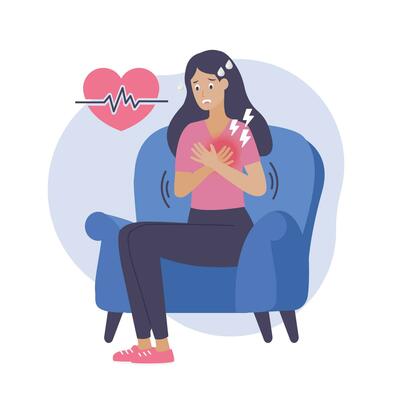
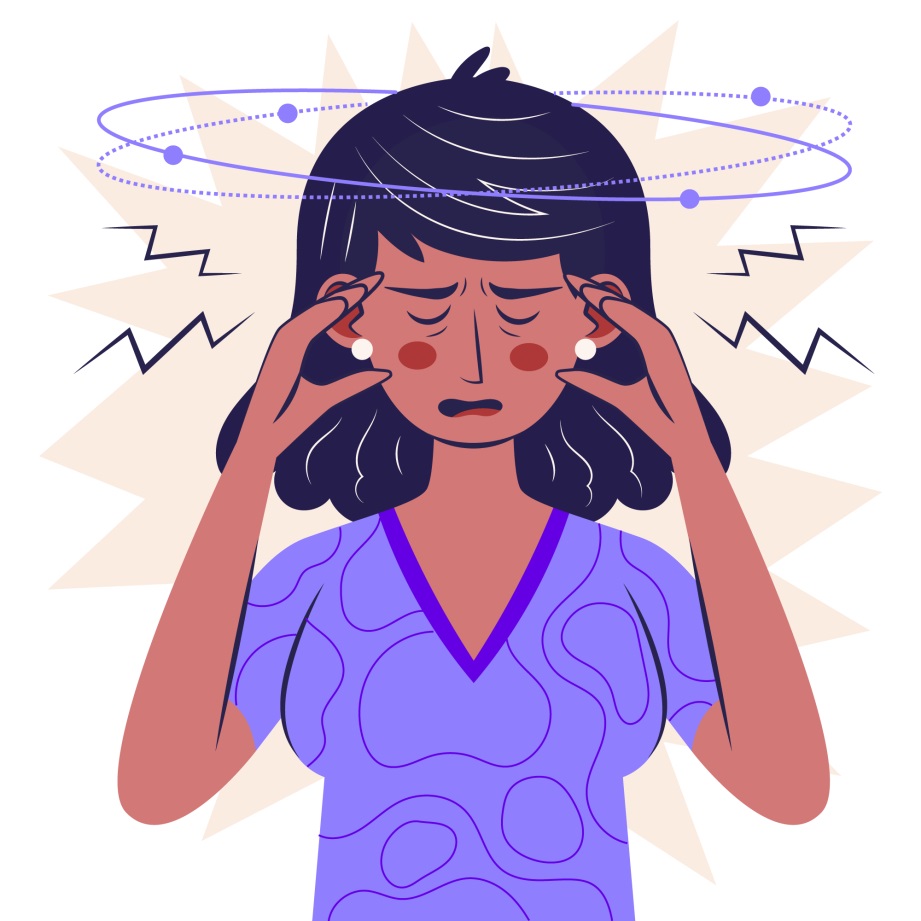
            Panic Attacks are your body’s natural response to fight or flight. They usually last only a few minutes, even though it feels much longer. This overwhelming bodily reaction can be triggered by a multitude of reasons caused by severe anxiety. Symptoms can manifest in various ways, depending on the individual. Psychological symptoms such as fear and dread persist throughout panic attacks and are usually accompanied by physical symptoms. Physical symptoms can include increased heart rate, shaking, sweating, lightheadedness, or shortness of breath. Some individuals experience multiple symptoms during panic attacks, and others will not experience them at all. During a panic attack, you will feel these intense symptoms, often enhancing the anxiety, intensifying the panic attack. This creates a constant cycle that becomes difficult to break.

            Breaking the cycle is key to taking control of your mind and body when you find yourself in one of these situations. Remember, you are in control, not the other way around. Erratic breathing is a prevalent symptom for most people who experience panic attacks. A common method is Box breathing, to regulate your breathing. There are many videos explanations online for further instructions, but in short, you begin by inhaling slowly through your nose for four seconds, hold your breath for four, exhale slowly through your mouth for four, and then hold your breath again for four. There are many different breathing techniques that are helpful in helping to calm your body down from a panic attack. Deep breathing is one of the fastest ways to come down from a state of fight-or-flight, but takes patience and practice to master. Some people struggle with breath practice and can benefit from other techniques such as muscle relaxation and methods of distraction. Muscle relaxation involves tensing and releasing specific muscle groups. It is suggested to start from your toes, working your way up to your head. Focusing your attention on tensing and releasing muscle groups converts your focus to your present and physical body. Another helpful method of distraction is the 5 senses. During this exercise, you will become conscious of what you hear, see, smell, touch, and taste. This method allows the individual to center their attention on their present self to reduce anxiety.

Test Anxiety: How to Relieve That Stress

Test Anxiety: How to Relieve That Stress

By: Maya Gallo

We all know exams can be nerve-wracking, especially when it comes to midterms and finals. Before we get a break, we have an overload of stress that can be overwhelming. You may ask yourself: “How can I be properly prepared for my exams while also staying calm?” Below is a list of tips to help you!

  1. Get organized: Take thorough notes. Make sure you have a calendar with all important dates coming up. Manage your time well so you know how much you can do each day.
  2. Game plan: Have a set time each day tucked away for studying. This way, you will feel better and more prepared for upcoming exams, even if you don’t have any assignments due.
  3. “Me” time: Take time out of your day to do something that you enjoy. Whether this be going for a walk, going to the gym, or listening to music, you deserve a break. You do not want all the studying to stress you out even more.
  4. Take care of your body: You come first. Make healthy choices, food is our fuel. Get plenty of sleep and listen to your body. It is the only one you have!
  5. Be creative: If you have friends in your class, consider calling them to see if they’d like to meet somewhere (like a coffee shop) and study together. Get creative with it, but have fun!

Hope this puts your mind at ease when it gets to that point in the semester. Be sure to use these tips to alleviate your stress. Good luck!

If you or someone you know is struggling with anxiety, please contact our psychotherapy offices in New York or New Jersey to talk to one of our licensed professional psychologists, psychiatrists, psychiatric nurse practitioners, or psychotherapists at Arista Counseling and Psychotherapy. Contact our Paramus, NJ, or Manhattan, NY offices respectively, at (201) – 368-3700 or (212)-722-1920 to set up an appointment. For more information, please visit https://www.counselingpsychotherapynjny.com/

References

Dealing with Exam Stress. (2025). Psychology Today. https://www.psychologytoday.com/us/blog/teen-angst/201405/dealing-exam-stress

Anxiety: Generalized Anxiety Disorder – Chronic Worry

Anxiety: Generalized Anxiety Disorder – Chronic Worry

By: Michelle Cocone

Do you ever find yourself worrying about everything all the time? You find that you can’t seem to find a way to let go, the worries always get in the way. If you are experiencing the following symptoms then you may have generalized anxiety disorder.

Generalized anxiety disorder is when you have immense worry and anxiety which affects your everyday life. Not to be confused with worrying because everyone worries about things or events occurring in their life. The difference is that one knows how to let it go or even worry about it for a bit and move on. For those experiencing generalized anxiety disorders, they don’t have a way of letting it go; it’s all they are constantly thinking about.

It may sound like:

What if I can’t get my laundry done? What if I can’t find a job? Will I be able to pay the bills on time? What if I fail in school? What if I get rejected? What if people don’t like me?

Notice how many of these worrisome are “what if” questions. It could be that you are worrying about situations/problems that haven’t yet occurred. This is one of the symptoms of this anxiety disorder- you fear the unknown which makes you worry constantly. You’ll find that you won’t be able to relax. For example, many students worry about picking and starting college. People with this disorder can also find themselves to be indecisive because they are scared to make the wrong choice.

What if I pick the wrong university? What if I fail out of my classes? What if I don’t like the people there? What if it’s too hard for me to manage?

At the end of the day we are human, we all make mistakes. We can’t be perfect all the time. In order to continue growing and be healthy, we have to sometimes make the wrong choices and learn from them. Our mistakes are what help us progress. If we are constantly worrying, then we can’t go anywhere, we’re stuck. Other symptoms you might be experiencing are: constant fatigue, muscle aches, overthinking, unable to relax, and irritability.

Generalized anxiety disorders in children are expressed differently than in adults. Children worry about being accepted, having good grades, being good at sports, making friends, being included in social outings, trying to make everything perfect, and seeking approval from their parents. This affects their mental health and everyday life routine.

Generalized anxiety disorder in adults, is more severe. Adults tend to worry about being financially stable, buying a house, not having credit card debt, having good credit, finding a good job, finding a romantic partner, and starting a family. Anxiety can be overwhelming, however. We have to remember that it’s not normal to chronically worry all the time. It’s really unhealthy and leads to poor mental health. Worrying about everything won’t make the situation better. It might actually worsen your health.

If you or someone you know is struggling with generalized anxiety disorder, please contact our psychotherapy offices in New York or New Jersey to talk to one of our licensed professional psychologists, psychiatrists, psychiatric nurse practitioners, or psychotherapists at Arista Counseling and Psychotherapy. Contact our Paramus, NJ, or Manhattan, NY offices respectively, at (201) – 368-3700 or (212)-722-1920 to set up an appointment. For more information, please visit https://www.counselingpsychotherapynjny.com/

References

Generalized anxiety disorder (GAD). Johns Hopkins Medicine. (2024a, April 16). https://www.hopkinsmedicine.org/health/conditions-and-diseases/generalized-anxiety-disorder

U.S. Department of Health and Human Services. (n.d.-a). Generalized anxiety disorder: When worry gets out of Control. National Institute of Mental Health. https://www.nimh.nih.gov/health/publications/generalized-anxiety-disorder-gad


Relationships and Money: Money problems could be affecting your relationship

Relationships and Money: Money problems could be affecting your relationship

By: Michelle Cocone

Money doesn’t usually get discussed in relationships until it becomes a hardship. When it does occur, you and your partner might find yourselves in a repetitive argument, leading to stress. According to Psychology Today, about 70% of the population in the U.S. is married; they might face money problems throughout their marriage. It’s not uncommon to have differences in handling money as people are raised differently. It’s never too late to discuss finances with your partner to improve your relationship moving forward. As well as it’s never too early to establish financial goals to promote a healthy relationship. There are three key questions to discuss with your partner about money problems.

  • What did your parents teach you about money?
  • What are your financial goals?
  • What are your fears about money?

Typically the information we have about managing money we learn from our parents. If your parents taught you how to keep track of bills, save money, and credit card management, then you have a good understanding of how to deal with money. Whereas some people had parents who were always late on bills, lost track, didn’t save money, and probably didn’t manage money well. Talk to your partner about financial goals and how you can combine them to fit both your needs. Remember you are a team with your partner and you are working together to improve your financial situation. Discuss the fears you have about money, which is where the money problems could be coming from. Set up a time to sit down and discuss creating a spending plan that works for both of you. Discuss how to divide the finances to help establish a baseline. Additionally, use any money left over to spend quality time as this will help relieve stress about money. Good communication about money problems will improve relationships and help avoid any anxiety/stress. When a couple suffers from anxiety or stress about financial hardship in their relationship, they may benefit from therapy to address the underlying psychological issues.

If you or someone you know is struggling with anxiety or stress about financial hardship, please contact our psychotherapy offices in New York or New Jersey to talk to one of our licensed professional psychologists, psychiatrists, psychiatric nurse practitioners, or psychotherapists at Arista Counseling and Psychotherapy. Contact our Paramus, NJ, or Manhattan, NY offices respectively, at (201) – 368-3700 or (212)-722-1920 to set up an appointment. For more information, please visit https://www.counselingpsychotherapynjny.com/

References

Klontz, B., & Gresham, M. (2015). Happy couples: How to avoid money arguments. American Psychological Association. https://www.apa.org/topics/money/conflict

Langabeer, J. (2022, December 7). The psychological impact of money on relationships. Psychology Today. https://www.psychologytoday.com/us/blog/how-make-better-choices/202212/the-psychological-impact-money-relationships

Social Media: The Impact on Mental Health

Social Media: The Impact on Mental Health

By: Maria Koutsothanasis


Social media plays a significant role in shaping how we connect, communicate, and even view ourselves. While social media has its benefits, it can also have a detrimental impact on mental health. Social media can negatively affect our mental well-being through constant comparisons, unrealistic expectations, and exposure to harmful content. By being intentional about what we engage with, we can use social media as a tool to enhance our lives and protect our mental well-being.

One of the main drawbacks of social media is the tendency to compare ourselves to others. Platforms such as Instagram and TikTok are often filled with images of people’s “perfect” lives, highlighting their achievements, beauty, and happiness. This can lead to feelings of inadequacy and low self-esteem, especially when we find ourselves measuring our lives against these unrealistic portrayals. Social media comparison can lead to symptoms of anxiety, depression, and even body image issues. The more we focus on the idealized versions of others’ lives, the more likely we are to forget that what we see online isn’t always an accurate reflection of reality.

The positive aspect is that we can decide what content we engage with. By intentionally following accounts that promote positivity, self-love, and well-being, we can counteract the negative effects. Following fitness influencers who focus on health rather than body perfection, or mental health advocates who offer advice and share stories of resilience, can create a more positive environment. By engaging with content that aligns with our values, we can shift our mindset toward growth and self-empowerment.

Social media often highlights negativity, which can significantly affect our mental well-being. Platforms frequently highlight drama, conflicts, and extreme opinions, contributing to constant criticism and judgment. Posts that focus on problems, such as failed relationships, mental health struggles, or societal issues, can evoke anxiety or feelings of hopelessness. Viral content that spreads negativity, such as gossip or inflammatory comments, often gains attention, while positive messages may not receive the same recognition. This constant exposure to pessimism can leave individuals feeling overwhelmed and disconnected from the positive aspects of life.

While social media has its negative aspects, it’s possible to transform how we interact with it to protect our mental health. By being mindful of the content we consume and consciously seeking out positive, uplifting posts, we can create an online environment that nurtures our well-being. Social media can be a powerful tool for connection, education, and personal growth if used intentionally. Ultimately, it is important to remember that we control our social media environment and can shape it to support our mental health.

If you or someone you love is struggling with depression or anxiety, please contact our psychotherapy offices in New York or New Jersey to talk to one of our licensed professional psychologists, psychiatrists, psychiatric nurse practitioners, or psychotherapists at Arista Counseling and Psychotherapy. Contact our Paramus, NJ or Manhattan, NY offices respectively, at (201) 368-3700 or (212) 722-1920 to set up an appointment. For more information, please visit http://www.counselingpsychotherapynjny.com/. 


UC Davis Health. (2024, November 27). Social Media’s impact on our mental health and tips to use it safely. health. https://health.ucdavis.edu/blog/cultivating-health/social-medias-impact-our-mental-health-and-tips-to-use-it-safely/2024/05

Healthy Lifestyle: Promoting Mental Health

Healthy Lifestyle: Promoting Mental Health

By: Maria Koutsothanasis

Maintaining a healthy lifestyle through regular exercise and a balanced diet offers significant benefits for mental health. Physical activity and proper nutrition can enhance mood, reduce stress, and promote overall well-being, improving mental and emotional stability.

The Role of Exercise in Mental Health

Exercise is an effective way to boost overall mental health. When we engage in physical activity, the brain releases dopamine and serotonin; neurotransmitters that play key roles in elevating mood, improving cognition, and reducing feelings of anxiety and depression. Regular exercise also helps to lower cortisol levels, the body’s stress hormone, which can help reduce overall stress.

Exercise can also improve sleep quality, which is crucial for emotional well-being. A good night’s rest enhances cognitive function, memory, and emotional regulation. Additionally, accomplishing exercise goals can increase self-esteem and a positive body image, further supporting mental health.

The Impact of Diet on Mental Health

Diet plays an equally important role in mental health. Food provides essential nutrients that support brain function and emotional stability. Food can be a fuel to the body. Healthy and nutrient-filled foods can produce serotonin and dopamine and regulate them. A balanced diet helps stabilize blood sugar levels and prevent energy crashes, which can lead to irritability and fatigue. Foods rich in fiber and probiotics, such as fruits and vegetables, play a key role in emotional regulation.

Exercise and diet together can increase overall mental health. Regular physical activity is a natural treatment for feelings of anxiety and depression. A well-balanced diet provides the energy and nutrients needed to fuel physical activity. Incorporating regular exercise and a healthy diet into daily life can significantly enhance physical and mental health. These habits not only improve mood, reduce stress, and boost self-esteem, but they also support emotional resilience.

If you or someone you know is struggling with depression, anxiety, eating disorders, or other mental health issues, please contact our psychotherapy offices in New York or New Jersey to talk to one of our licensed professional psychologists, psychiatrists, psychiatric nurse practitioners, or psychotherapists at Arista Counseling & Psychiatric Services. Contact our Paramus, NJ or Manhattan, NY offices respectively, at (201) 368-3700 or (212) 722-1920 to set up an appointment. For more information, please visit http://www.counselingpsychotherapynjny.com/

Diet and mental health. Mental Health Foundation. (n.d.). https://www.mentalhealth.org.uk/explore-mental-health/a-z-topics/diet-and-mental-health

Lifestyle to support mental health. Psychiatry.org – Lifestyle to Support Mental Health. (n.d.). https://www.psychiatry.org/patients-families/lifestyle-to-support-mental-health

Understanding the effects of a healthy lifestyle on Mental Health. Penn State Health News. (2021, May 3). https://pennstatehealthnews.org/topics/may-2021-one-group-blog-mental-health/

Anxious Thoughts: How to Quite Them with Simple Self-Talk

Anxious Thoughts: How to Quite Them with Simple Self-Talk

By: Angy Farhat

Have you ever noticed how your anxious thoughts can feel like a loud, persistent soundtrack playing in the background of your mind? They might be vague (“Something bad is going to happen”) or specific (“I might crash my car”), but either way, they tend to disrupt your day and leave you feeling tense and worried. What if you could turn down the volume of these thoughts and take back control?

One powerful technique to combat these overwhelming thoughts is by using self-talk. Anxious thoughts often feel like promises of disaster—dangerous predictions that seem almost certain. But what if you could challenge these thoughts with statements that offer reassurance instead of fear?

Here’s how it works: When you experience a fearful or anxious thought, you can counter it with a more grounded, calming statement. For example, if your anxious thought is “I am in danger,” you can respond with “I am safe right now.” It’s a simple but effective strategy to shift your mindset from panic to calm.

Take John, for instance. He’s driving on the highway, and his anxious thoughts spiral: “This is dangerous… anything could happen… I won’t be able to react in time… people crash on highways all the time.” These thoughts feed off each other, growing louder and reinforcing the feeling that disaster is imminent. The more he believes them, the more overwhelming they become. But here is where self-talk can make a difference. Instead of surrendering to the anxiety, John could pause, take a deep breath, and remind himself, “I’ve driven this highway countless times, and I’ve always been fine.” With this gentle challenge to his anxious thoughts, James gains a sense of control and the volume of his fears starts to decrease.

Think of this like getting rid of an earworm, that catchy song that sticks in your head and won’t go away. When you finally shake it off, you’re left with relief—and space for something more positive. Using self-talk to challenge anxious thoughts is a way to reclaim that mental space. You stop focusing on the worst-case scenario and make room for calmer, more rational thoughts.

Here are a few more examples of how you can challenge anxiety-driven thoughts:

  • “I am in danger” → “I am completely safe in this moment.”
  • “I am going to fail” → “I have succeeded at many things. I typically figure things out.”

The key is to remember that you have the ability to influence your thoughts. By gently confronting your anxious monologue with calm, factual responses, you can reduce its power. Over time, this can help you feel less overwhelmed by anxiety and more in control of your emotional state.

So, next time your anxious thoughts start to rise, try using self-talk to quiet them down and bring yourself back to a place of peace.

If you or someone you love is struggling with anxiety, please contact our psychotherapy offices in New York or New Jersey to talk to one of our licensed professional psychologists, psychiatrists, psychiatric nurse practitioners, or psychotherapists at Arista Counseling and Psychotherapy. Contact our Paramus, NJ, or Manhattan, NY offices respectively, at (201) 368-3700 or (212) 722-1920 to set up an appointment. For more information, please visit http://www.counselingpsychotherapynjny.com/. 

References:

Mindfulness: Living in the Present

Mindfulness: Living in the Present

By: Maria Koutsothanasis

Oftentimes it is easy to feel disconnected or distracted by living in the present. With work, school, or other obligations, it is easy to lose sight of the present time. Dwelling on the past or worrying about the future causes increased feelings of stress and depression. Mindfulness can help refocus on the present events to create a calmer and more focused life.

What is mindfulness?

Mindfulness is the practice of being fully focused on the present moment. By observing your thoughts and emotions, and removing judgment, mindfulness allows you to stay present and create a deeper connection and understanding of yourself.

Mindfulness decreases stress and promotes overall emotional well-being and balance.

  1. Reduces stress and anxiety:

    Mindfulness calms the mind and body by shifting attention away from thoughts that increase stress. Mindfulness interventions such as meditation can lower cortisol levels (a stress hormone) and help people manage anxiety better.

    2. Boosts mental health:

      Mindfulness reduces symptoms of depression, anxiety, and PTSD. It promotes a greater sense of resilience and breaks a cycle of negativity. Through mindfulness, you can manage stress and have control over your mental well-being.

      3. Improves physical health:

      Mindfulness is not only good for the mind but also the body. Regular mindfulness practices have been linked to lower blood pressure, improved sleep, and an overall stronger immune system.

      How to Practice Mindfulness

      1. Mindful Breathing:

          Spending a few minutes a day focusing on your breath calms your mind and helps reduce mental clutter. If you begin to feel anxious, focusing on breathing can reduce these feelings.

          2. Engage in Gratitude:

          Reflecting on things in your life that you are grateful for is a way to shift the perspective of your life in a positive way.

          3. Being present:

          Training your mind to stay present on the tasks that you currently engage in is a way to increase focus, reduce stress, and improve overall satisfaction in life.

          Mindfulness does not require major life changes. It is about being fully present in the moments that make up your day. Incorporating these small changes in your life can lead to reduced stress, improved emotional resilience, and a deeper sense of fulfillment. The small shifts can transform how you experience the world around you and how you feel internally.

          If you or someone you know is struggling with anxiety, depression, PTSD, or other mental health issues, please contact our psychotherapy offices in New York or New Jersey to talk to one of our licensed professional psychologists, psychiatrists, psychiatric nurse practitioners, or psychotherapists at Arista Counseling & Psychiatric Services. Contact our Paramus, NJ or Manhattan, NY offices respectively, at (201) 368-3700 or (212) 722-1920 to set up an appointment. For more information, please visit http://www.counselingpsychotherapynjny.com/

          U.S. Department of Health and Human Services. (2024, June 18). Mindfulness for your health. National Institutes of Health. https://newsinhealth.nih.gov/2021/06/mindfulness-your-health

          Matthews, K. (2023, June 29). Health benefits of mindfulness: 1stCallHEALTH: Primary care providers. 1stCallHEALTH. https://1stcallhealth.com/health-benefits-of-mindfulness/


          Anxiety and Learning in Children

          Anxiety and Learning

          By:Stefani Stojanoska

          It can be difficult for anyone to learn when their anxiety takes over. Anxiety can make it difficult to focus and pay attention. An individual’s anxiety takes over concentrating on other things other than learning. An example of this is if someone’s loved one is feeling sick they can be worried about them instead of focusing on what they are supposed to learn. When people feel stressed their body goes into “fight or flight” mode. Anxiety makes memory difficult since people tend to “freeze” when feeling anxious. When this happens it is tough for individuals to process new information. When people are in these “fight or flight” modes they tend to make bad decisions such as worrying about other things which can slow down their learning and memory. Anxiety can also hold back creativity. They might be worried about what others will think about their ideas which might result in their holding back and sticking with an ordinary idea.

          Ways parents can help children

          1. Get help as soon as possible. Parents can talk to their child’s teacher to learn ways to help their child. Consult a child psychologist who can recommend ways to help reduce their anxiety and improve their learning.
          2. Parents can talk to their children about what causes their anxiety. They can teach them ways to calm down before going to school. This topic should be discussed daily with children so that each day it can become easier for them to control their anxiety.
          3. Parents can do academic learning at home that way the child will be in a comfortable setting and will be able to improve. The parent can work on academic subjects with their child at home so that they can learn since their anxiety makes it difficult for them to learn in a school setting. The parent can get help from the teacher so they know what they have to learn.

          If you or someone you know is struggling with anxiety or their mental health, please contact our psychotherapy offices in New York or New Jersey to talk to one of our licensed professional psychologists, psychiatrists, psychiatric nurse practitioners, or psychotherapists at Arista Counseling & Psychotherapy. Contact our Paramus, NJ, Manhattan, NY offices respectively, at (202) 368 3700 or (212) 722 1920 to set up an appointment. For more information, please visit https://aristapsychiatrypsychotherapy.com/  

          Stress: Does Job Stress Contribute to Mental Illness

          Stress: Does Job Stress Contribute to Mental Illness

          By Josette DeFranco

          Work stress is not often addressed. We tend to take on many tasks, leading to feeling overwhelmed physically and mentally. For some, work is a routine and many find working under stress helps them concentrate. On the other hand, some people don’t work as much and try to maintain a slower pace. In either circumstance, work can cause severe stress. Stress in the workplace can lead to decreased productivity and burnout. It is important to note how our body feels so we can find signs earlier that our mental and physical health needs a break.

          Some negative effects of stress in the workplace manifest in various ways such as a lack of motivation, reduced job satisfaction, physical and mental health problems, and interpersonal conflicts. If you notice you are feeling more fatigue, irritability, or apathy it may be best to give yourself a break. Job stress can lead to some mental illnesses like depression and anxiety. Stress prepares your body for a defensive action, like an alarm for the brain. It impacts your nervous system releasing hormones that help sharpen your senses and tense your muscles. You may have heard of something called the “flight or fight response.” This is important because it helps you defend against situations your body finds threatening. If stressful situations go without being addressed it will keep your body in a state of activation. Some ways to help alleviate job stress are to ensure that the workload is in line with workers’ capabilities and resources, allow yourself to take a break, create boundaries, provide opportunities for social interactions among workers, and establish work schedules that accommodate your responsibilities outside the job.

          If you or someone you know is struggling with their mental health, please contact our psychotherapy offices in New York or New Jersey to talk to one of our licensed professional psychologists, psychiatrists, psychiatric nurse practitioners, or psychotherapists at Arista Counseling & Psychotherapy. Contact our Paramus, NJ or Manhattan, NY offices respectively, at (201) 368-3700 or (212) 722-1920 to set up an appointment. For more information, please visit https://aristapsychiatrypsychotherapy.com/

          Resources:

          https://business.talkspace.com/articles/the-negative-effects-of-stress-in-the-workplace#:~:text=The%20effects%20of%20work%20stress,%2C%20interpersonal%20conflicts%2C%20and%20more.

          https://www.cdc.gov/niosh/docs/99-101/default.html#Job%20Stress%20and%20Health