ADHD and Cognitive Behavioral Therapy

ADHD and Cognitive Behavioral Therapy

By: Chrisleny Paula

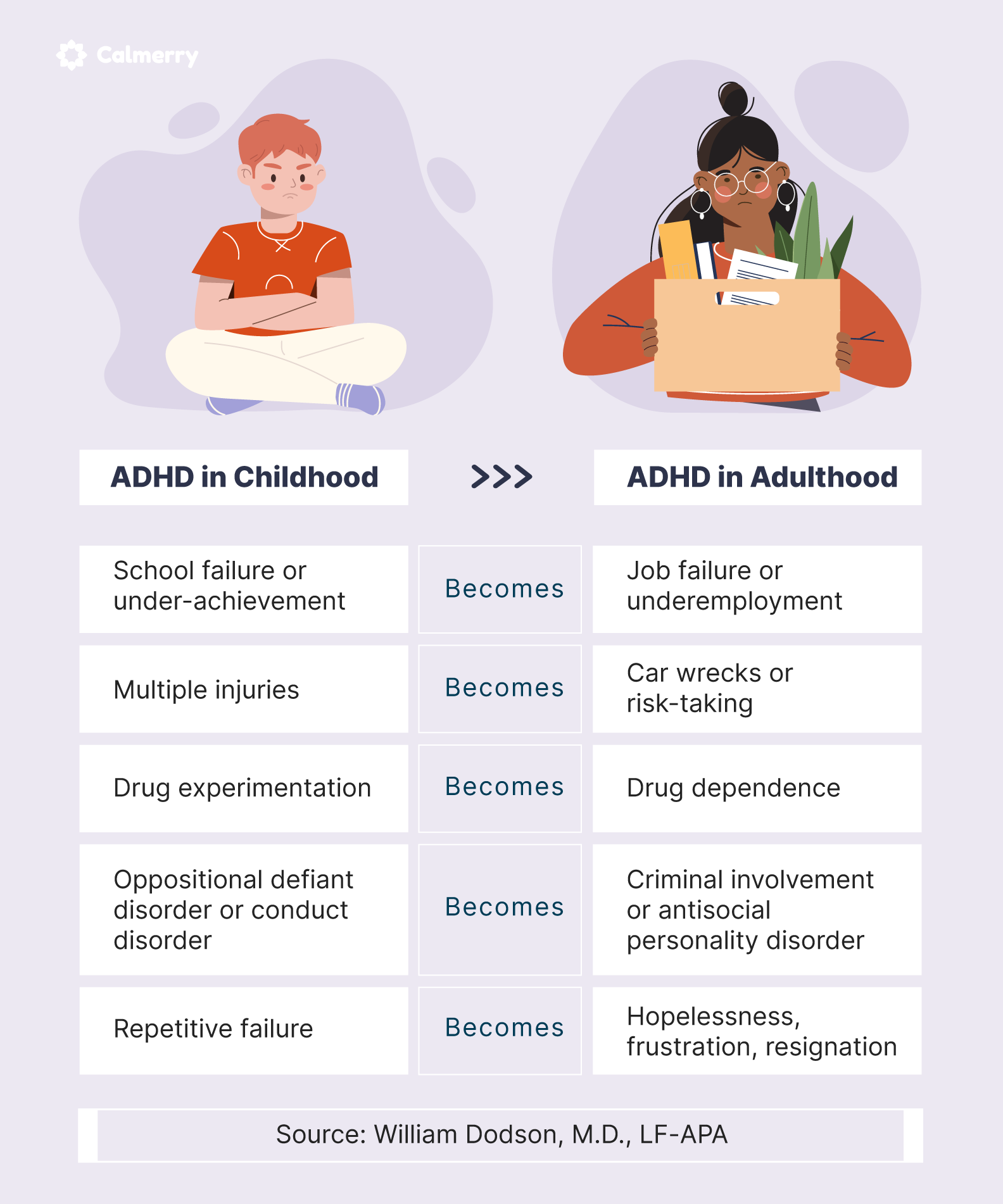
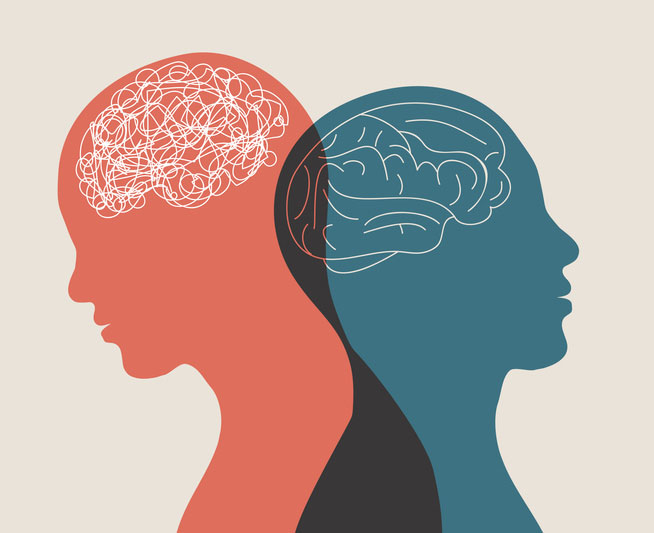
ADHD is a neurodevelopmental syndrome that has drastically spiked since the pandemic in 2020. This condition was originally thought of as a childhood condition that only affected kids, more commonly, boys. It is now known to be a condition that greatly affects adults with its long list of symptoms. Some of these include: inattentiveness, distractions, difficulty with focus, impulsivity, and hyperactivity (restlessness and fidgeting). These are all things that can worsen as you get older and can even reach a point where it causes impairment. The APA described ADHD as “a neurodevelopmental syndrome of impaired unfolding and execution of self-regulation skills”.

Cognitive Behavioral Therapy is one of the more effective treatments used for the condition. The therapy is used with adults, not children, and has been proven to be very effective in improving many of the internal problems that patients were having as a result of ADHD. These results were gathered through surveys conducted on the patients and their personal feelings as well as scales conducted before and after therapy. CBT focuses on raising awareness to the patient of their own behaviors in a way that helps the patient realize how these behaviors may be abnormal and how they are affecting their daily life. Awareness of a condition is the first step to getting better. CBT can also be used to treat anxiety and depression, which some patients with ADHD may also have.

If you or someone you know may be struggling with loneliness, or their mental health, please contact our psychotherapy offices in New York or New Jersey to talk to one of our licensed professional psychologists, psychiatrists, psychiatric nurse practitioners, or psychotherapists at Arista Counseling & Psychotherapy. Contact our Paramus, NJ or Manhattan, NY offices respectively, at (201) 368-3700 or (212) 722-1920 to set up an appointment. For more information, please visit http://www.counselingpsychotherapynjny.com/ .

References

https://pmc.ncbi.nlm.nih.gov/articles/PMC2909688/

https://www.apa.org/news/podcasts/speaking-of-psychology/adult-adhd

ADHD in Women and Girls                                         

By: Nicole Sanchez

ADHD In Women and Girls  By: Nicole Sanchez

Attention-deficit/hyperactivity disorder (ADHD) is considered a chronic disorder and is known to impact the individual in many aspects of their life including interpersonal relationships, academic and professional achievements, and daily functioning. Symptoms of ADHD include inattention, hyperactivity and impulsivity. ADHD can lead to lowered self-esteem and social function in children when not appropriately treated. Adults with ADHD may experience poor self-worth, sensitivity towards criticism, and increased self-criticism possibly stemming from higher levels of criticism throughout life.

Women and girls experience the same general symptoms as boys and men, but the way they express the symptoms can appear different. This difference in expression has historically been one of the reasons girls and women are underdiagnosed. Often when diagnosing, clinicians look for the male model of ADHD symptoms that focuses on impulsiveness. It is important to note that girls and women often demonstrate symptoms of inattention, overly sociable behavior, forgetfulness, talkativeness, or even difficulties with time management.

Cognitive behavioral therapy (CBT) is a talking therapy that is able to help individuals struggling with ADHD manage their problems by changing the way they think and behave. This treatment tries to reconstruct how someone feels about a situation, which would in turn potentially change their behavior and mitigate these ADHD symptoms. Often the therapist works with the parent of an ADHd child to help them improve his or her behavior.

If you or someone you know is having mental health difficulties and/ or experiencing symptoms of ADHD, please contact our psychotherapy offices in New Jersey to talk to one of our licensed professional psychologists, psychiatrists, psychiatric nurse practitioners, or psychotherapists at Arista Counseling & Psychotherapy. Contact our offices at (201) 368-3700 or (212) 722-1920 to set up an appointment. For more information, please visit http://www.counselingpsychotherapynjny.com/

https://www.columbiadoctors.org/news/adhd-different-women

https://www.webmd.com/add-adhd/ss/slideshow-adhd-women-girls

ADHD: What Symptoms Should You Look for?

ADHD: What Symptoms should you look for?

By: Diane Ulloa

For many people who have ADHD it is difficult for them to pinpoint a specific action or reaction that is attributed to their neurodivergent mind. For many, ADHD comes with difficulty towards staying focused or forgetfulness. For others, it can be expressed differently. Sometimes it is shown in how one manages their money or perhaps one’s emotions in a traffic jam or impatience waiting in line. There are many symptoms that can be explained by ADHD diagnosis. If someone is struggling with ADHD but is unaware of how to identify it, they can look for these symptoms:

  • Impulsiveness
  • Disorganization
  • Problems prioritizing
  • Poor time management skills
  • Problems focusing on a task
  • Trouble multitasking
  • Excessive activity or restlessness
  • Poor planning
  • Low frustration tolerance
  • Frequent moodswings
  • Problems following through and completing tasks
  • Hot temper
  • Trouble coping with stress

Although it may feel like everyone and anyone has these symptoms, ADHD is diagnosed when the symptoms are severe and interfere with everyday activities.

Patients with ADHD generally also have another mental health disorder such as depression or anxiety. Psychotherapy helps people manage these symptoms and uses Cognitive-behavioral therapy [CBT] which is one of the most commonly used treatments for patients with ADHD. CBT is also considered to be the most effective psychotherapy. CBT for ADHD involves changing people’s thoughts, attitudes, and behaviors to better deal with everyday situations. Psychotherapy gives people with ADHD tailored support and advice, and improved communication skills, along with the opportunity to develop coping skills for stress and many situations that will occur in daily life.

If you or someone you know is struggling with mental health please contact our psychotherapy offices in New Jersey to talk to one of our licensed professional psychologists, psychiatrists, psychiatric nurse practitioners, or psychotherapists at Arista Psychotherapy & Psychiatric Services. Contact our NJ offices respectively at (201)368-3700 to set up an appointment. For more information, please visit https://counselingpsychotherapynjny.com

Sources: https://www.mayoclinic.org/diseases-conditions/adult-adhd/symptoms-causes/syc-20350878

https://www.nytimes.com/2023/08/30/business/women-adhd-money.htmlhttps://www.medicalnewstoday.com/articles/adhd-psychotherapy#Types

ADHD: Gender Disparities in ADHD Diagnoses

ADHD: Gender Disparities in ADHD Diagnoses

By Jackie Molan

Attention deficit hyperactivity disorder (ADHD) is characterized by hyperactivity, impulsive behaviors, difficulty paying attention, and high distractibility. ADHD is one of the most common disorders of childhood, but boys are much more readily diagnosed than girls. It is believed that the prevalence of ADHD across genders is approximately equal, even though formal diagnoses strongly favor boys. Females are often underdiagnosed with ADHD and misdiagnosed with other disorders, such as bipolar, depression, and anxiety. The symptom profile for ADHD is the same across genders, but the behavioral presentation of symptoms tends to differ greatly.

Females are more likely to exhibit more internalized behavioral symptoms, such as:

  • Daydreaming
  • Losing focus
  • Forgetfulness
  • Anxiety
  • Insomnia
  • Impatience
  • Low self-esteem
  • People-pleasing
  • Deep emotional reactions/overwhelm

Males, on the other hand, often display more external behaviors, such as:

  • Hyperactivity
  • Disruptive behavior
  • Interrupting people during conversations
  • Losing items often
  • Anger outbursts

The external manifestation of ADHD symptoms makes the disorder more likely to be noticed in young boys by parents, teachers, and peers. Since young girls usually do not show such external symptoms, they tend to not receive a formal ADHD diagnosis until much later in life (if at all).

Regardless of gender, if you think you are experiencing any combination of ADHD symptoms, it is important to seek help from a mental health provider. A formal diagnosis from a professional can allow you to effectively manage your symptoms and improve daily functioning.

If you or someone you know is struggling with ADHD, please contact our psychotherapy offices in New York or New Jersey to talk to one of our licensed professional psychologists, psychiatrists, psychiatric nurse practitioners, or psychotherapists at Arista Counseling & Psychotherapy. Contact our Paramus, NJ or Manhattan, NY offices respectively, at (201) 368-3700 or (212) 722-1920 to set up an appointment. For more information, please visit http://www.counselingpsychotherapynjny.com/

Sources:

https://www.psychologytoday.com/us/basics/adhd

https://www.psychologytoday.com/us/blog/rethinking-adult-adhd/202203/why-adhd-in-women-is-so-often-overlooked

https://psychcentral.com/adhd/adhd-and-gender#recap

https://www.verywellhealth.com/add-vs-adhd-5193759

Post-Traumatic Stress Disorder: The Aftermath of a School Shooting

Post-Traumatic Stress Disorder: The Aftermath of a School Shooting

By Fiona McDermut

            After yet another school shooting in the United States left 19 children dead, many parents in grief, and a multitude of survivors in agony, it is time we recognize the impact that is left on the survivors of such devastating events. Although children are known to be particularly resilient, such impactful experiences may lead to post-traumatic stress disorder (PTSD).

            In children, PTSD symptoms are often overlooked or confused with other psychiatric disorders. These symptoms may include restlessness, fidgety behavior, trouble focusing or staying organized, reliving traumatic events through thought or play, nightmares, inconsistent sleep patterns, intense fear or sadness, angry outbursts, avoiding topics associated with the traumatic event, and feelings of denial. These emotions may be triggered by something that reminds the child of the event.

            Such devastating events are hard for anyone to understand, especially a child. If your child has experienced trauma, the symptoms can be best treated if they get in contact with a mental healthcare provider as soon as possible. Even if the child is not ready to talk about the events, many psychologists and psychotherapists can understand the situation by observing the child’s behaviors. Multi modal psychotherapy including cognitive behavioral therapy is frequently used in these situations. In certain situations, your child’s therapist may recommend the addition of safe and helpful medication.

            School should be a safe space for children, but after recent events, apprehensiveness in regard to attending school is understandable. If you or your child is experiencing extreme persistent fear following the recent events, your child will benefit from meeting with a mental health professional to get necessary treatment for his or her symptoms.

            If you or someone you know is struggling with post-traumatic stress disorder, please contact our psychotherapy offices in New York or New Jersey to talk to one of our licensed professional psychologists, psychiatrists, psychiatric nurse practitioners, or psychotherapists at Arista Counseling & Psychotherapy. Contact our Paramus, NJ or Manhattan, NY offices respectively, at (201) 368-3700 or (212) 722-1920 to set up an appointment. For more information, please visit http://www.counselingpsychotherapynjny.com/

Sources:

https://www.cdc.gov/childrensmentalhealth/ptsd.html

Image Source:

https://www.unicef.org/parenting/how-talk-your-children-about-conflict-and-war

ADHD in Girls: Suffering in Silence

ADHD in Girls: Suffering in Silence

By: Stacey Rodriguez

Generally thought to be a disorder specific to school-aged boys, attention deficit disorder (ADHD) has shown to be relatively prevalent in girls as well. The disorder includes 3 subtypes: hyperactive and impulsive  (HI), inattentive, and combination. ADHD is commonly associated with the HI subtype, which is most commonly exhibited by boys. Contrastingly, girls tend to exhibit the inattentive subtype. By nature, inattentive features are not as overtly obstructive as that of hyperactivity and impulsivity, often causing them to go unnoticed. In fact, studies estimate that 75% of girls with attention deficit disorder never get diagnosed. Additionally, it is theorized that societal norms, such as gender roles, might also be a factor in this disparity; since many overt characteristics of ADHD do not align with female gender norms, such as the tendency to be disorganized or interrupt others speaking, girls with the disorder tend to suppress the tell tale signs. 

The result of undiagnosed attention deficit disorder can be detrimental, as it can lead to mental health consequences in adulthood. This is largely due to the fact that girls tend to internalize mistakes. This internalization leads to negative internal dialogues, which puts girls with ADHD at higher risk for eating disorders, anxiety disorders, and depression. It is imperative to be aware of the ways in which the disorder manifests differently in girls. For example,

A girl with ADHD might:

-be more more easily irritated, or sensitive to certain sounds/feelings

-talk significantly more than her peers and often interrupt others

-struggle to commit to completing tasks or activities

-often make “careless” errors

-seem to be especially disorganized

-tend to be forgetful

If you or someone you know is seeking therapy for attention deficit disorder, please contact our psychotherapy offices in New York or New Jersey to talk to one of our licensed professional psychologists, psychiatrists, psychiatric nurse practitioners, or psychotherapists at Arista Counseling & Psychotherapy. Contact our Paramus, NJ or Manhattan, NY offices respectively, at (201) 368-3700 or (212) 722-1920 to set up an appointment. For more information, please visit http://www.counselingpsychotherapynjny.com/

Source: https://www.cfpsych.org/blog/what-parents-need-to-know-about-adhd-in-girls/

Image Source: https://psychbc.com/blog/adhd-is-different-for-girls-what-families-need-to-know

Laziness: The Harmful Effects of the Term “Lazy” on Mental Health

By: Rebecca Fernandez

               “Lazy” is a common uncomplimentary term in modern vocabulary for when someone is unproductive. Think back to a time a group member failed to pull their weight in a group project, or a time someone procrastinated severely, leaving everything for the last minute and creating a poor final product. Consider even a time where you witnessed someone who, by early afternoon, was seemingly unable to bring themselves to get out of bed to start the day.

Whether it was yourself or someone else that you imagined, it’s easy to write off everyone in those examples as lazy. However, there’s a major issue with doing that – “laziness” is often not the cause of these situations. Rather, many mental health conditions can create issues that simulate behaviors identical to laziness.

Take, for example, disorders such as attention deficit hyperactivity disorder (ADHD), depression and other mood disorders, insomnia and other sleep disorders, and anxiety disorders including obsessive compulsive disorder (OCD) and generalized anxiety disorder (GAD). Each of these conditions can negatively impact a person’s ability to be productive, making them appear lazy. People with ADHD can often find themselves imagining all of the tasks they could be engaging in at once and becoming so overwhelmed they feel almost paralyzed. People with depression and other mood disorders often lack the mental energy to accomplish anything. Similarly, people with insomnia and other sleep disorders often lack the physical energy to accomplish anything. People with GAD may have a crippling fear that they won’t be good enough at something, preventing them from attempting to do the task in question. People with OCD may have a crippling (rational or irrational) fear that something bad will happen if they do specific things, preventing them from doing those things.

               All of these explanations are generalized and therefore may not apply to everyone with each listed disorder, or be the only applicable factor for each disorder’s effect on laziness. However, if you or someone you know has been consistently labeled as lazy, remember that “laziness” is often more than how it appears on the surface, and that actively struggling with mental health does not make a person a failure.

If you or someone you know is exhibiting signs of “laziness” as described above that are getting in the way of day-to-day life, please contact our psychotherapy offices in New York or New Jersey to talk to one of our licensed professional psychologists, psychiatrists, psychiatric nurse practitioners, or psychotherapists at Arista Counseling & Psychotherapy. Contact our Paramus, NJ or Manhattan, NY offices respectively, at (201) 368-3700 or (212) 722-1920 to set up an appointment. For more information, please visit http://www.counselingpsychotherapynjny.com/

https://www.psychologytoday.com/us/blog/hide-and-seek/201410/the-psychology-laziness

Social Media: Self-Diagnosing

By Charlotte Arehart

For many people, it has become a habit to turn to the internet with any questions that one might have. While it is great to have the answers to the world at our fingertips, we have to keep in mind that just because we find an answer on the internet does not mean it is the correct one. Googling the answers to everything can be particularly harmful when it comes to physical and mental health. Searching a simple symptom such as a stomach ache may lead to answers that suggest the individual has appendicitis, when in reality they may only be having indigestion. With the internet becoming more powerful than ever, more people have been self-diagnosing with physical and mental health issues without seeking help from a professional.

Social media has played a huge role in the increase of self-diagnosing. Many influential social media users with a large platform use their platform to speak and educate viewers about mental illnesses. While this is great in terms of normalizing and reducing the stigma around mental health issues, it becomes harmful when viewers use this information to self-diagnose. I personally have seen many videos on platforms such as Instagram and Tiktok where the creator lists several widely general and common “symptoms,” such as sleeping in too much or having a short attention span, then follow up with something along the lines of “if you are experiencing these symptoms, you may have ADHD!” In the comments section, I see floods of viewers who are now concerned that they may have a mental disorder simply because they experience a few of the general symptoms listed. It seems that these videos create a lot of stress in people who do not actually need to be worried, since the symptoms listed are often so generalized. However, I do think that it is very beneficial for those who are struggling with mental health issues to receive support and a sense of community through social media. It can be very comforting to know that you are not alone going through something. If creators wish to speak about mental health issues on social media, it should be done in a very careful way. Addressing mental health on social media does present a wide variety of benefits, however it becomes an issue when people are self-diagnosing and becoming worried without speaking to a professional.

If you or someone you know needs mental health support, please contact our psychotherapy offices in New York or New Jersey to talk to one of our licensed professional psychologists, psychiatrists, psychiatric nurse practitioners, or psychotherapists at Arista Counseling & Psychotherapy. Contact our Paramus, NJ or Manhattan, NY offices respectively, at (201) 368-3700 or (212) 722-1920 to set up an appointment. For more information, please visit http://www.counselingpsychotherapynjny.com/

Sources:

https://etactics.com/blog/problems-with-self-diagnosis

Image Source: https://dailytitan.com/opinion/column-self-diagnosing-mental-health-disorders-is-hazardous/article_d953ca7f-0eae-57d2-81fb-d0d339734788.html

The Importance of Mental Health

By Charlotte Arehart

When thinking about their health, most people only consider the physical state of their bodies. However, it is important that we take our mental health into consideration as well. Not only are these two aspects equally important, but they are actually very closely related. People who have poor mental health are at greater risk of having poor physical health. For example, people who experience depression are at a 50% increased risk of dying from cancer and a 67% increase for heart disease. Stress and anxiety also have a huge impact on the body, affecting the respiratory system, the cardiovascular system, as well as the gastrointestinal system.

Since mental health is so important, why do people usually disregard it? Many people are afraid of the stigma that surrounds mental health. Since you cannot always “see” mental health problems, some people view them as “not real.” Many people fear that others will look at them differently if they seek mental help. They do not want to be seen as emotionally weak. People are especially worried that seeking mental help with affect their careers, however this is not true. In fact, taking proactive steps to help mental health will reduce possible repercussions for the future. It is better to address the issue sooner rather than later, since unchecked mental health symptoms usually worsen over time. If you are experiencing mental health troubles, by no means are you alone. Many mental health issues are actually more prevalent than one would expect. By realizing that there are tons people who are experiencing something similar to them, people may feel better about reaching out for mental health.

If you or someone you know needs mental health support, please contact our psychotherapy offices in New York or New Jersey to talk to one of our licensed professional psychologists, psychiatrists, psychiatric nurse practitioners, or psychotherapists at Arista Counseling & Psychotherapy. Contact our Paramus, NJ or Manhattan, NY offices respectively, at (201) 368-3700 or (212) 722-1920 to set up an appointment. For more information, please visit http://www.counselingpsychotherapynjny.com/

Sources: https://www.mentalhealth.org.uk/a-to-z/p/physical-health-and-mental-health

https://www.pdhealth.mil/news/blog/reducing-self-stigma-mental-health-important-physical-health

Image Source: https://www.hrcsb.org/may-mental-health-awareness-month/

Social Media and Attention Span

By Katie Weinstein

People have spent increasingly more time on social media throughout the years which has led to shorter and shorter attention spans. This is because of click bait material and multitasking.

Social media is designed to grab people’s attention and get people to their next click so that people stay online for longer. Instead of publishing detailed, meaningful articles, people are now publishing more sensational, controversial pieces to get people to click. Because the material is very loud and polarizing, people have an urge to switch to new material, so new information is constantly competing for attention, reducing our attention span. This can be addictive in nature and teaches people to focus on engaging material for a short period of time and stay on social media for a long period of time. 

Additionally, social media is something that is commonly used while completing another task. When a person is multitasking, attention span is reduced. The effects are especially detrimental for younger people who are more susceptible to developing bad habits. The average attention span in 2000 was 12 seconds and is now 8 seconds, which is 1 second shorter than the attention span of a goldfish! This is because it takes greater cognitive effort to switch between tasks than it does to maintain the same level of concentration on one task. Research has also shown that episodic memory can be significantly reduced when multitasking. 

Some ways to prevent declining attention spans are:

  • Implementing a “no phone at dinner” rule
  • Complete one task at a time 
  • Put your phone away while working 

If you or someone you know is struggling with attention span, please contact our psychotherapy offices in New York or New Jersey to talk to one of our licensed professional psychologists, psychiatrists, psychiatric nurse practitioners, or psychotherapists at Arista Counseling & Psychotherapy. Contact our Paramus, NJ or Manhattan, NY offices respectively, at (201) 368-3700 or (212) 722-1920 to set up an appointment. For more information, please visit http://www.counselingpsychotherapynjny.com/

Sources 

https://www.psychologytoday.com/us/blog/culture-shrink/201812/is-social-media-destroying-our-attention-spans

http://global.chinadaily.com.cn/a/202101/22/WS600a2710a31024ad0baa4577.html#:~:text=The%20explosion%20of%20social%20media,just%208%20seconds%20in%202013.

https://muckrack.com/blog/2020/07/14/how-declining-attention-spans-impact-your-social-media