Drug Overdose: Frequency of Non-Substance Related Mental Health Disorders Among Drug Overdose Deaths

Drug Overdose: Frequency of Non-Substance Related Mental Health Disorders Among Drug Overdose Deaths

By Madison Gesualdo

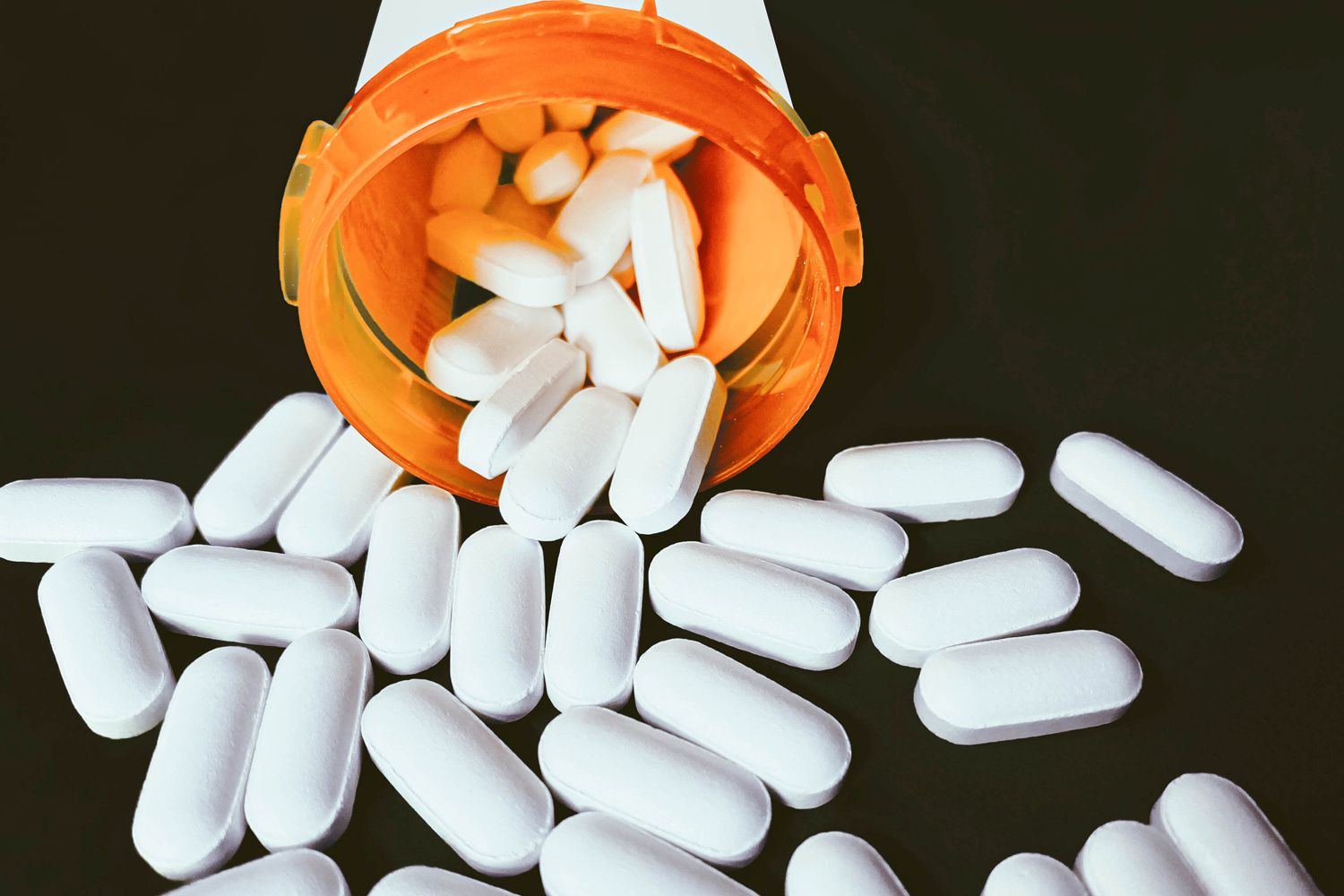
Fatal drug overdoses in the United States have been on the rise in recent years, with the Center for Disease Control (CDC) reporting nearly 108,000 drug overdose deaths in 2022. However, a new study by the CDC suggests that screening and treatment for non-substance related mental health disorders, which frequently exhibit comorbidity with substance use disorders, may help lower the rate of overdoses in the United States.

The CDC found that approximately one in five individuals (22%) who died of a drug overdose in 2022 had a co-occurring, non-substance-related mental health disorder, with depression, anxiety, and bipolar disorders being the most prevalent. Additionally, it was reported that nearly 25% of these individuals had at least one opportunity for intervention with these disorders shortly before their death, including but not limited to visits to emergency departments and the locations where they were actively being treated at for their substance use disorder. With respect to this data, the CDC emphasizes the importance of integrating more screening practices for non-substance-related mental health disorders during interventions in individuals suffering from substance use disorders in order to improve mental health among these individuals and, potentially, decrease the amount of fatal overdoses.

Help and treatment are available to individuals with substance use disorders. Below are some of the many resources available to assist individuals with the screening and treatment of these disorders:

If you or someone you know is struggling with drug addiction and abuse or with mental health, please contact our psychotherapy offices in New York or New Jersey to talk to one of our licensed professional psychologists, psychiatrists, psychiatric nurse practitioners, or psychotherapists at Arista Counseling & Psychotherapy. Contact our Paramus, NJ or Manhattan, NY offices respectively, at (201) 368-3700 or (212) 722-1920 to set up an appointment. For more information, please visit http://www.counselingpsychotherapynjny.com/

References:

Dinwiddie, A.T., Gupta, S., Mattson, C.L., O’Donnell, J., & Seth, P. (2024, August 29). Reported non–substance-related mental health disorders among persons who died of drug overdose — United States, 2022. MMWR Morb Mortal Wkly Rep 2024;73:747–753. http://dx.doi.org/10.15585/mmwr.mm7334a3

Drug Enforcement Administration. (n.d.) Recovery resources. United States Drug Enforcement Administration. https://www.dea.gov/recovery-resources

The Link between Alcoholism and Depression

By Jenna Chiavelli

Alcoholism and Depression

Alcohol Use Disorder is characterized by disordered drinking that leads to significant distress and changes in behavior. One of the strongest predictors of alcoholism is family history, as genetics can attribute to one’s predisposition to alcoholism. Underlying psychological disorders contribute to alcoholism as well as people turn to substances to numb pain. Socially speaking, one’s environment can lead to alcoholism if the environment favors a culture of drinking.

Addiction is a controlling disease and when mixed with depression, treatment can become even more complex. Depression is a common co-occurring disorder with at least 30%-40% of alcoholics experiencing a depressive disorder. Depression is a mood disorder which can generate persistent feelings of sadness, worthlessness, and pessimism, disrupting everyday life. The combination of addiction and depression is especially harmful as the conditions fuel each other.

Depression Contributing to Alcoholism

Substances like alcohol can be appealing to those suffering from depression, as alcohol’s sedating effects offer an escape from overwhelming feelings of sadness. This form of self-medication can temporarily relieve depressive symptoms, but this is not a permanent solution. Over time, the feelings of sadness linger despite the sedating effects of alcohol, leading those struggling with depression to increase their alcohol intake to suppress the pain. This dangerous cycle contributes to a substance abuse disorder.

Alcoholism Contributing to Depression

Alcohol releases neurotransmitters in the brain, resulting in the euphoric feeling of being drunk. As alcohol users consistently chase this high, the copious amount of alcohol is simultaneously limiting the brain’s ability to sustain neurotransmitters at normal levels. This disruption in the nervous system impacts one’s mood; therefore, when there is a reduction of neurotransmitters a person may feel symptoms of depression. Additionally, alcohol increases the duration and severity of depressive episodes and increases the likelihood of suicidal thoughts. 

Drinking alcohol also alters behavior and fuels acts of impulse. The consequences of one’s drunken actions may be overwhelming leading to feelings of sadness and shame. Heavy drinking can disrupt relationships and interfere with work, damaging one’s social sphere. The constant ramifications from drinking can easily contribute to depression as well.

Treatment for Co-Disorders

In some cases, removing alcohol from the equation is enough to relieve symptoms of depression. In other cases, therapy, rehabilitation, and medications may be necessary. It is important to note that medication alone will not effectively treat co-occurring depression and addiction. Therapy is required in order to understand what originally contributed to one’s depression/addiction. Gaining a deeper understanding to one’s emotions and history could help prevent a relapse in the future. Additionally, confiding in others and sharing stories of similar nature reminds people that they are not alone in their struggles, fostering a sense of community. With a little bit of help, it is possible to break the dangerous cycle of alcohol and depression.

If you or someone you know is seeking therapy for depression and/or addiction, please contact our psychotherapy offices in New York or New Jersey to talk to one of our licensed professional psychologists, psychiatrists, psychiatric nurse practitioners, or psychotherapists at Arista Counseling & Psychotherapy. Contact our Paramus, NJ or Manhattan, NY offices respectively, at (201) 368-3700 or (212) 722-1920 to set up an appointment. For more information, please visit http://www.counselingpsychotherapynjny.com/

Sources

https://www.addictioncenter.com/alcohol/alcohol-depression/#:~:text=At%20least%2030%25%2D40,of%20the%20symptoms%20of%20depression.

https://www.psychologytoday.com/us/blog/addiction-recovery/202102/healing-depression-and-addiction

https://www.psychologytoday.com/us/basics/alcohol

Image