Gambling

Gambling

By Lauren Hernandez

              Gambling can be a fun occasional activity to do with friends or family. However, some individuals can develop a serious addiction known as Gambling Disorder. Through frequent compulsive, habitual impulses, a person who is unable to resist gambling can have extreme negative consequences throughout their life which may affect relationships, finances, and even be a stepping stone towards engaging in criminal behavior. Typically a person addicted to gambling will develop this pattern of behavior during adolescence or young adulthood.  Gambling Disorder may begin with occasional gambling and develop into habitual, problematic gambling episodes. An increase in gambling is associated with stress, depression, and substance use or abstinence. Patterns of problematic gambling may also include periods of long term remission.

According to the DSM-5 the symptoms of Gambling Disorder include:

  • Persistent and recurrent problematic gambling behavior leading to clinically significant impairment or distress, as indicated by the individual exhibiting four (or more) of the fol­lowing in a 12-month period:
  • Needs to gamble with increasing amounts of money to achieve the desired excitement.
  • Is restless or irritable when attempting to cut down or stop gambling.
  • Has made repeated unsuccessful efforts to control, cut back, or stop gambling.
  • Is often preoccupied with gambling (e.g., having persistent thoughts of reliving past gambling experiences, handicapping or planning the next venture, thinking of ways to get money with which to gamble).
  • Often gambles when feeling distressed (e.g., helpless, guilty, anxious, depressed).
  • After losing money gambling, often returns another day to get even (“chasing” one’s losses).
  • Lies to conceal the extent of involvement with gambling.
  • Has jeopardized or lost a significant relationship, job, or educational or career opportunity because of gambling.
  • Relies on others to provide money to relieve desperate financial situations caused by gambling.
  • The gambling behavior is not better explained by a manic episode.

The treatment for Gambling Disorder is an eclectic approach. It is important to seek treatment early, before the individual poses any extreme risks to themselves or friends and family. Prevention may not always be possible; however limiting exposure to casinos, scratch off tickets, or other triggers is helpful. Compulsive gambling is best treated through psychotherapy in the form of therapy or support groups. In addition to psychotherapy, medications such as antidepressants or mood stabilizers are extremely helpful. If you or someone you know is struggling with Gambling Disorder or has problematic gambling habits, it is important to reach out to a mental health practitioner such as a psychologist or psychiatric nurse practitioner.

If you or someone you know who may have Gambling Disorder, please contact our psychotherapy offices in New York or New Jersey to talk to one of our licensed professional psychologists, psychiatrists, psychiatric nurse practitioners, or psychotherapists at Arista Counseling & Psychotherapy. Contact our Paramus, NJ or Manhattan, NY offices respectively, at (201) 368-3700 or (212) 722-1920 to set up an appointment. For more information, please visit http://www.counselingpsychotherapynjny.com/




Source: https://www.psychologytoday.com/us/conditions/gambling-disorder-compulsive-gambling-pathological-gambling

Image Source: https://www.google.com/search?q=gambling&source=lnms&tbm=isch&sa=X&ved=0ahUKEwjb9amb7PDiAhUC0FkKHejVDsEQ_AUIESgC&biw=990&bih=595#imgrc=traFs2aEWBYMlM:

Hypnosis: The Basics!

Hypnosis: The Basics!

By Lauren Hernandez

            In today’s fast paced, technology filled world, it is important to take care of your mental health and address stress and anxiety with a mental health professional. There are various methods of treating anxiety, stress, and depression, and one of those methods is Hypnosis. According to PsychologyToday, hypnosis is the technique of “putting someone into a state of heightened concentration where they are more suggestible”. Hypnosis is achieved through soothing verbal repetition which relaxes a patient into a trance-like state, allowing the patient to be more open minded to transformative messages. Hypnosis allows a patient to be guided through relaxation, while still being in control. Hypnosis is utilized in accordance with other treatments to help patients overcome mental health issues. Hypnosis is ineffective as a sole treatment method, but is beneficial to a patient when used with other methods of therapy.

Hypnosis can help treat:

  • Bad habits such as smoking
  • Stress, anxiety, and depression
  • Pain, pain associated with autoimmune diseases
  • Fatigue
  • Mood disorders
  • Insomnia
  • Specific phobias

If you are interested in trying another method to treat your anxiety, depression, or any other mental health issues, it is important to reach out to a licensed psychotherapist who can safely and effectively assist you with the use of hypnosis.


Sources:

https://www.psychologytoday.com/us/basics/hypnosis

https://www.psychologytoday.com/us/blog/life-without-anxiety/201706/hypnotherapy-and-its-benefits-autoimmune-disease

Image Source:

https://www.bing.com/images/search?view=detailV2&id=8D025584803526770A48CA5EEC0B18B1B5C9F019&thid=OIP.y6nddEUu23PK3TscNApqDAHaEK&mediaurl=https%3A%2F%2Fi.ytimg.com%2Fvi%2Fyf42hiij63U%2Fmaxresdefault.jpg&exph=720&expw=1280&q=hypnosis&selectedindex=4&ajaxhist=0&vt=0&eim=1,2,6

Relapse Prevention: Substance Use Disorders

Relapse Prevention: Substance Use Disorders Relapse Prevention: Substance Use Disorders

By: Julia Keys

The road to recovery from substance abuse can be long and difficult. There may be many times when those recovering are tempted to just give up. However, there are many different strategies for when individuals are in a place where they feel ready to quit all the progress they made. Relapse is part of recovery, but it should be avoided and treated carefully.

Most people think that relapse starts when the addict starts using again, however relapse can start much earlier than that. There are three stages of relapse: emotional relapse, mental relapse and physical relapse.  Emotional relapse starts when one is thinking about using. Although they have made no real attempts at obtaining any substances, the thought of using is very tempting. During mental relapse one has decided to use again. Physical relapse is when you contact your dealer, obtain substances, or use substances.

When preventing relapse it is important to seek many different types of support. Studies show that those recovering who see therapists alongside any inpatient or outpatient detox programs have faster recovery rates than those who do not seek additional treatment. Therapists can help those in recovery come up with personalized strategies to prevent them from relapsing.

If you or a loved one is struggling with substance use or recovery from substance abuse, do not hesitate to seek help by contacting Arista Counseling & Psychotherapy, located in New York and New Jersey to speak to licensed professional psychologists, psychiatrists, psychiatric nurse practitioners or psychotherapists. To contact the office in Paramus NJ, call (201) 368-3700. To contact the office in Manhattan, call (212) 722-1920. For more information, please visit http://www.counselingpsychotherapynjny.com/ .

Sources:

https://www.psychologytoday.com/us/blog/where-science-meets-the-steps/201312/preventing-relapse-among-addicted-youth

https://www.addictionsandrecovery.org/relapse-prevention.htm

Source for Picture:

https://www.bing.com/images/search?view=detailV2&id=F86C5ECD05E0D6595A3D9A0588384D10CCA60F4B&thid=OIP.idNVRUm7p8tdl-M-0iQdzgHaE8&mediaurl=https%3A%2F%2Fwww.thenationalcouncil.org%2FBH365%2Ffiles%2F2017%2F09%2Froad-to-recovery.jpg&exph=334&expw=500&q=the+road+to+recovery&selectedindex=4&ajaxhist=0&vt=0&eim=1,2,6


Childhood Trauma: Effects on Adult Wellbeing

Childhood Trauma: Effects on Adult Wellbeing

Childhood Trauma: Effects on Adult Wellbeing

By: Julia Keys

The child brain grows and makes connections at a rapid rate and is extremely emotionally sensitive. Unfortunately, children that experience some sort of major trauma such as emotional, physical, or sexual abuse, neglect, war, poverty, or unsafe living conditions can be greatly negatively impacted later on in life.

Children who have parents that are for some reason unwilling or unable to provide the love and care they need oftentimes blame themselves for the lack of parental attention. In response to this lack of care, children may start to act in ways in which they feel would help the parents love them more. As the child grows up, they can become detached from their own needs because they are so focused on the love they receive from others.

Another effect of childhood trauma is victimhood thinking. Although a child may have been helpless when they were raised, self-victimization does not help an adult in the long run because it robs them of the self-empowerment they need to change their lives in the ways they desire.

Children growing up in environments where anger is expressed violently may begin to learn that anger is dangerous and therefore should be avoided. However, suppressing emotional expression is unhealthy and can cause individuals to be passive aggressive, which is an ineffective way to communicate. The most damaging effect of childhood trauma can have on an adult is the development of psychological disorders such as depression, anxiety, or post-traumatic stress disorder.

If you or someone you love is struggling with the effects of childhood trauma, please contact our psychotherapy offices in New York or New Jersey to talk to one of our licensed professional psychologists, psychiatrists, psychiatric nurse practitioners, or psychotherapists at Arista Counseling and Psychotherapy. Contact our Paramus, NJ or Manhattan, NY offices respectively, at (201) 368-3700 or (212) 722-1920 to set up an appointment. For more information, please visit http://www.counselingpsychotherapynjny.com/. 

Mental Health Awareness

Mental Health Awareness

By Lauren Hernandez

               It is important to recognize how mental illness affects many people’s lives. Mental health awareness promotes the understanding and respect towards those who suffer from mental illnesses. It is important that we make attempts to normalize and destigmatize those struggling with mental illness. If you know of someone struggling with mental health issues, there are a multitude of resources that can help.

Available resources:

National Alliance on Mental Illness (NAMI): www.nami.org

NAMI StigmaBusters is “a network of dedicated advocates across the country and around the world who seek to fight inaccurate and hurtful representations of mental illness”. NAMI StigmaBusters

Suicide.org – Suicide prevention, awareness, and support: www.suicide.org

National Institute of Mental Health (NIMH): www.nimh.nih.gov

Substance Abuse and Mental Health Services Administration (SAMHSA): www.samhsa.gov

National Suicide Prevention Lifeline: 1-800-273-TALK (8255) www.suicidepreventionlifeline.org

Children and Adults with Attention Deficit Hyperactivity Disorder (CHADD): www.chadd.org

Child and Adolescent Bipolar Foundation: www.bpkids.org

The Trevor Project (LGBT mental health/suicide prevention): www.trevorproject.org

Anxiety Disorders Association of America: www.adaa.org

National Eating Disorders Association: www.nationaleatingdisorders.org

Alcoholics Anonymous: www.aa.org

Narcotics Anonymous: www.na.org

Gamblers Anonymous: www.gamblersanonymous.org

Alzheimer’s Association: www.alz.org

Depression and Bipolar Support Alliance: www.dbsalliance.org

National Autism Association: www.nationalautismassociation.org

Veterans Crisis Line (U.S. Department of Veterans Affairs): 1-800-273-8255 (press 1)

U.S. Department of Veterans Affairs – Mental Health: www.mentalhealth.va.gov

Mental Health America: www.mentalhealthamerica.net

If you or someone you know is struggling with any type of mental illness, please contact our psychotherapy offices in New York or New Jersey to talk to one of our licensed professional psychologists, psychiatrists, psychiatric nurse practitioners, or psychotherapists at Arista Counseling & Psychotherapy. Contact our Paramus, NJ or Manhattan, NY offices respectively, at (201) 368-3700 or (212) 722-1920 to set up an appointment. For more information, please visit http://www.counselingpsychotherapynjny.com/ .


Sources:

https://www.psychologytoday.com/us/blog/here-there-and-everywhere/201105/mental-health-awareness-month-resources

https://www.psychologytoday.com/us/blog/when-your-adult-child-breaks-your-heart/201705/mental-health-awareness-month

Image Source: https://www.bing.com/images/search?view=detailV2&id=9714F039483EC40A08B372F59E3C5D5C556378C8&thid=OIP.ex7QOQol-OoPT6G8NSkiUgFZC1&mediaurl=https%3A%2F%2Fnamibv.org%2Fwp-content%2Fuploads%2Fsites%2F21%2F2018%2F03%2Fmay-mental-health.png&exph=630&expw=1200&q=mental+health+awareness+month&selectedindex=3&ajaxhist=0&vt=0&eim=1,2,6


The Opioid Epidemic: How to Spot the Difference Between an Addiction and Physical Dependency

The Opioid Epidemic: How to Spot the Difference Between an Addiction and Physical Dependency

By Crystal Tsui

In a paper written by Turner et. Al (2017), Opioid Use Disorder: Challenges During Acute Hospitalization, discussed the difference between drug addiction and physical dependency. Addiction is described as a disease. It occurs when a drug produces chemical changes in the brain that enforces the medication to be more desirable. When a person is addicted to a certain drug, they start to build a higher tolerance meaning that they would not feel the effects of the drug with the same dosage. This would make them want to increase the dosage each time just to experience the same effect, which can be dangerous and lead to an overdose. The 4 C’s are the beginning signs of addiction. They are:

  • Craving
  • (loss of) Control
  • Compulsion
  • (using despite) Consequences

A few physical signs of substance abuse includes:

  • Track marks
  • Abscesses
  • Pinpoint pupils
  • Blood in their vomit
  • Chronic cough

There are 3 types of opioid consumers we should be aware of; these include patients with chronic pain, patients who are on medication-assisted treatment and stable, and those who are self-medicating. If you or anyone you know has an opioid addiction, they should be met with warmth and compassion. A caring individual, like you, can help an addict seek the help they need, such as medication–assisted treatment or detoxification.

Individuals who are physically dependent on opioids are a different story. They are usually patients with chronic pain and have become dependent on opioids to relieve pain. However, they don’t feel the desire to take the medication for any purpose other than to relieve their pain. They wouldn’t feel the need to have their dosages increased constantly because the dosage of opioids does not change the effects of relieving pain.

This article is to help define the difference between an addiction and being physically dependent on opioids. This is not an exhaustive list.

If you or someone you know has a drug addiction, please contact our psychotherapy offices in New York or New Jersey to talk to one of our licensed professional psychologists, psychiatrists, psychiatric nurse practitioners, or psychotherapists at Arista Counseling & Psychotherapy. Contact our Paramus, NJ or Manhattan, NY offices respectively, at (201) 368-3700 or (212) 722-1920 to set up an appointment. For more information, please visit http://www.counselingpsychotherapynjny.com/ .

Citations:

https://www.rivermendhealth.com/wp-content/uploads/2017/09/opioid-epidemic.png

Opioid Use Disorder: Challenges During Acute Hospitalization, Turner et al. (2017).

The Opioid Epidemic and Drug-Seeking Behavior

The Opioid Epidemic and Drug-Seeking Behavior

By Crystal Tsui

AMA Journal of Ethics states there has been a 300% increase in opiates in the US. What does this mean for the people? Well, drug availability increases when the demands for opiates increase. Long story short, patients with complaints of pain are getting addicted to opiates and are relying on opiates as pain medication when it’s not entirely necessary. Doctors and nurses in the Emergency department are in the frontlines of this epidemic. They see patients with all sorts of complaints, but over 500,000 ED visits are patients with drug-seeking behavior, specifically for opiates. Different types of opiates include:

  • Heroin
  • Oxycodone
  • Percocet
  • Morphine
  • Tramadol

How did the epidemic begin? Doctors and nurses would prescribe their patients opiates just to improve the flow of the ED. However, recently the epidemic has gotten worse. Patients have learned different catch phrases and to over exaggerate their pain to get these opiates. Such as “headaches”, “back pains”, “neck pain”, and even “dental pain”, or rate their pain higher on the scale of 10.

So, how do doctors and nurses know when to give opiates for patients complaining of pain? The answer to the tough question is quite simple, they don’t. Opiates are always a last resort and there are other pain medications out there that treat everyday pain. The most common are:

  • ibuprofen (motrin)
  • acetaminophen (Tylenol)
  • aspirin (advil)
  • steroids

If you or someone you know is addicted to opiates do not be afraid to reach out for help with pain management or drug addiction.

If you or someone you know a drug addiction, please contact our psychotherapy offices in New York or New Jersey to talk to one of our licensed professional psychologists, psychiatrists, psychiatric nurse practitioners, or psychotherapists at Arista Counseling & Psychotherapy. Contact our Paramus, NJ or Manhattan, NY offices respectively, at (201) 368-3700 or (212) 722-1920 to set up an appointment. For more information, please visit http://www.counselingpsychotherapynjny.com/ .

Citation:

https://humantraffickingsearch.org/wp-content/uploads/2018/05/1140-pill-usa-opioids-aarp.imgcache.rev5b2d008604b6e9d3635709395bae1267.jpg

https://www.asahq.org/whensecondscount/pain-management/non-opioid-treatment/

https://journalofethics.ama-assn.org/article/drug-seeking-or-pain-crisis-responsible-prescribing-opioids-emergency-department/2013-05

https://americanaddictioncenters.org/the-big-list-of-narcotic-drugs

Addictions in College

By: Julia Keys

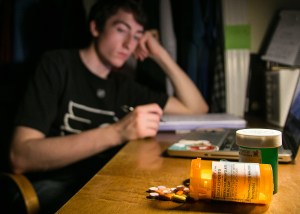
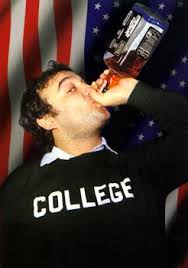
     Ever hear the old saying “work hard, play hard”? Unfortunately, this saying is taken to the extreme across many college campuses in America.  Unhealthy behaviors like binge drinking and drug use are normalized due to the party culture that pervades college life.  According  to the National Institute on Alcohol Abuse and Alcoholism, 50% of college students binge drink (drinking three or more drinks in one sitting) and about two thirds of those with a valid prescription for an ADHD medication such as Adderall or Ritalin, share their pills with their friends.  Other drugs that are common on college campuses include benzodiazepines such as Xanax or Klonopin, which are prescription medications and helpful when used properly, but are often abused, and illegal drugs like marijuana and cocaine.

What causes college students to participate in these behaviors?

  • Greek Life
  • Independence/living on one’s own for the first time
  • Peer pressure
  • Pressure to do well in school

Signs of Addiction

  • Abnormally red, glassy, or dilated pupils
  • Red, irritated nostrils
  • Needle or track marks
  • Weight loss
  • Secretive behavior
  • Sudden increase in irritability, depression or anxiety

If you or a loved one are suffering from an addiction, recovering from an addiction, or suspect  you are developing an addiction, please contact your college’s counseling center or Arista Counseling & Psychotherapy, located in New York and New Jersey to speak to a licensed professional psychologists, psychiatrists, psychiatric nurse practitioners or psychotherapists. To contact the office in Paramus NJ, call (201) 368-3700. To contact the office in Manhattan, call (212) 722-1920. For more information, please visit http://www.counselingpsychotherapynjny.com/ .

Sources:

https://www.clearviewtreatment.com/blog/signs-drinking-drug-student/

https://addictionresource.com/addiction/college/

Source for Picture:

https://www.google.com/search?q=college+addiction&rlz=1C1OPRB_enUS649US649&source=lnms&tbm=isch&sa=X&ved=0ahUKEwiAqfzYpp7iAhUmc98KHcOdCOkQ_AUIECgD&biw=751&bih=687#imgrc=2eCXqhQrMcdqpM:

Alcohol Abuse: College Students

Alcohol Abuse: College Students

By Toniann Seals

For many, college is the first time in one’s young adult life that they are away from their families and on their own. Without direct supervision they begin to experiment, especially with alcohol. Unfortunately, some find themselves victims of alcohol abuse and have a hard time fighting the addiction.

Identifying Alcohol Abuse:

  • Missing important assignments, classes or meetings because of alcohol
  • Vomiting each time you drink alcohol
  • Not able to control the amount you drink
  • Drinking before or during class/work
  • Constant feeling of regret after a night out of drinking
  • Inability to control your behaviors while under the influence
  • Binge Drinking

Some may claim that they are just trying to have “fun” in college, however being a college student does not make a person immune to the detrimental side effects of alcohol abuse.

According to the NIAAA, “Approximately 2 out of every 5 college students of all ages (more than 40 percent) reported binge drinking at least once in the 2 weeks prior.” Drinking too much alcohol in a short period of time can lead to health problems, injury and even death. Fitting in is not worth what could potentially happen to you. If you are drinking because of stress, a traumatic experience or bad breakup, professional help could be very beneficial.

If you or someone you know is dealing with alcohol abuse speak with one of our licensed professional psychologists, psychiatrists, psychiatric nurse practitioners, and psychotherapists. Contact us at our Paramus, NJ or Manhattan, NY offices at (201) 368-3700 or (212) 722-1920 respectively to set up an appointment. For more information, visit http://www.counselingpsychotherapynjny.com/.

Sources:

https://www.addictioncenter.com/alcohol/binge-drinking/

(Image) http://allaboutaddiction.com/addiction/college-students-binge-drinking/

Video Games – Advantages and Disadvantages

By Dara Kushnir

Ever since its creation, people have debated whether video games are a help, a hindrance, or useful in moderation. Below presents evidence from the most disputed aspects of this argument as well as additional factors to consider:

Content. Countless studies show that violence in video games diminishes empathy and exacerbates behavioral problems. After playing even 30 minutes, less activation was found in the prefrontal portion of the brain (involved in concentration, inhibition, and self-control) and more in the amygdala (emotional arousal)1. People who play violent video games may expect others to be hostile, influencing how aggressively they themselves react in the future2.
Conversely, prosocial, nonviolent video games can promote empathy and helpful behaviors, even teaching empathy3, asthma management, rehabilitating stroke patients, learning resiliency from failures4, and being a therapy tool in moderating certain phobias5. Preschool children have also shown improved motor development and cognitive behavior5.  Children who play cooperative video games display fewer emotional problems and problems with peers whereas those who play solitary games do well academically6.

Time. Despite the noteworthy benefits, it is crucial to understand that these benefits apply to those who play for less than or equal to an hour. Excessive time is linked with behavioral problems, poorer social skills, and peer conflicts. A recent study revealed that playing for less than an hour reduces ADHD symptoms, has a calming effect, and is not associated with delinquency7 8. Less than one hour of gaming strengthens motor skills and leads to higher achievement scores. However, playing more than one hour increases ADHD symptoms and lowers grades, which means the difference between a “B” and an “A” grade9.

Motivation. One . One study argues that people play video games to meet their motivational needs rather than for the content itself10. Those who are more aggressive play violent video games rather than cause aggression. Violent video games were not associated with aggressive behavior. Those who play for enjoyment or catharsis (releasing anger) play violent video games, although it is unclear if playing actually helps. The researchers suggested that people seek out video games to meet their motivational needs rather than the violent content itself. More research is still needed.

Personality. People with certain personality traits can be predisposed to aggression after playing violent video games. One study states that the “perfect storm” of personality traits using the Five-Factor Model is high neuroticism (easily upset and angry), low agreeableness (little concern for others and their feelings), and low conscientiousness (act without thinking)11. These traits make individuals more susceptible to violent games and media.

Player abilities. Another study argues that regardless of video games’ content, frustration from failing sparks aggression12. When a person’s competency or ego is questioned, through a challenging game or failing to master the controls, they enjoy the game less and react with more aggression. This reaction is not limited to video games; people react with frustrated aggression playing sports and other activities, especially if they lose or play poorly.


Source:
(image) http://guides.library.ucla.edu/videogames
All articles are sourced in text.

If you or someone you know appears to be suffering from a video game addiction, please contact our psychotherapy offices in New York or New Jersey to talk to one of our licensed professional psychologists, psychiatrists, psychiatric nurse practitioners, or psychotherapists at Arista Counseling & Psychotherapy. Contact our Paramus, NJ or Manhattan, NY offices respectively, at (201) 368-3700 or (212) 722-1920 to set up an appointment. For more information, please visit http://www.counselingpsychotherapynjny.com/.