Alcohol Abuse: College Students

Alcohol Abuse: College Students

By Toniann Seals

For many, college is the first time in one’s young adult life that they are away from their families and on their own. Without direct supervision they begin to experiment, especially with alcohol. Unfortunately, some find themselves victims of alcohol abuse and have a hard time fighting the addiction.

Identifying Alcohol Abuse:

  • Missing important assignments, classes or meetings because of alcohol
  • Vomiting each time you drink alcohol
  • Not able to control the amount you drink
  • Drinking before or during class/work
  • Constant feeling of regret after a night out of drinking
  • Inability to control your behaviors while under the influence
  • Binge Drinking

Some may claim that they are just trying to have “fun” in college, however being a college student does not make a person immune to the detrimental side effects of alcohol abuse.

According to the NIAAA, “Approximately 2 out of every 5 college students of all ages (more than 40 percent) reported binge drinking at least once in the 2 weeks prior.” Drinking too much alcohol in a short period of time can lead to health problems, injury and even death. Fitting in is not worth what could potentially happen to you. If you are drinking because of stress, a traumatic experience or bad breakup, professional help could be very beneficial.

If you or someone you know is dealing with alcohol abuse speak with one of our licensed professional psychologists, psychiatrists, psychiatric nurse practitioners, and psychotherapists. Contact us at our Paramus, NJ or Manhattan, NY offices at (201) 368-3700 or (212) 722-1920 respectively to set up an appointment. For more information, visit http://www.counselingpsychotherapynjny.com/.

Sources:

https://www.addictioncenter.com/alcohol/binge-drinking/

(Image) http://allaboutaddiction.com/addiction/college-students-binge-drinking/

Dementia: Early Signs

By Dara Kushnir

You may find it difficult determining whether you or someone you know is experiencing typical age-related changes or early symptoms of dementia. Dementia affects a person’s language and reasoning abilities, communication, and focus. Remembering where you last left your keys or forgetting an appointment once in a while does happen and does not necessarily mean you have dementia.

Being aware of early signs of dementia can help you figure out if you would need to schedule an appointment with a neurologist for further testing. A person may experience:

  1. Memory loss that disrupts daily life. Individuals with dementia may be able to remember an event twenty years ago, but have trouble remembering what they did earlier in the day or important dates. They repeatedly ask for the same information and begin to rely on electronic devices or family members for reminders. While those who are going through typical age-changes do forget things, they are later able to remember them or retrace their steps.
  2. Difficulty completing familiar tasks. As individuals with dementia get older, they occasionally need help with tasks such as working a microwave. Those with dementia often have difficulty with daily tasks such as driving to a familiar place or remembering how to do a favorite craft.
  3. Confusion with time and place. Individuals with dementia may not recognize landmarks or places that were familiar. Individuals in the later stages of dementia can understand what is happening currently, but not tomorrow or yesterday. Individuals with early stages of dementia may have difficulty remembering what day, date, or even year it is.
  4. Poor judgement. Everyone makes a bad decision once in a while. Those with dementia can experience changes in decision-making, which can lead to bad financial decisions such as spending an excessive amount of money on clothing or food. They may also pay less attention to hygiene.
  5. Changes in mood and personality. Individuals with dementia can become confused, suspicious, frustrated, or angry in situations where they are out of their comfort zone or even at familiar places, at home, or with friends. These changes go beyond feeling annoyed toward a disruption in routine.
  6. Problems with speaking or writing. Individuals may find it hard to follow conversations or storylines, struggle to find the right words, or even say the same thing in a short timespan.
  7. Withdrawal from work or social activities. Due to the changes individuals start to experience, they may withdraw themselves from social activities, work, or hobbies. They may find it difficult to remember how to interact in social settings or complete tasks.

Source:
https://homecareassistance.com/blog/5-early-signs-of-dementia-that-may-surprise-you
https://www.alz.org/alzheimers-dementia/10_signs
https://www.healthline.com/health/dementia/early-warning-signs
(image) https://www.jeffreysterlingmd.com/tag/dementia/

If you or someone you know appears to be suffering from dementia, please contact our psychotherapy offices in New York or New Jersey to talk to one of our licensed professional psychologists, psychiatrists, psychiatric nurse practitioners, or psychotherapists at Arista Counseling & Psychotherapy. Contact our Paramus, NJ or Manhattan, NY offices respectively, at (201) 368-3700 or (212) 722-1920 to set up an appointment. For more information, please visit http://www.counselingpsychotherapynjny.com/.

Addiction

By: Dianna Gomez

It is more often than not assumed that a person addicted to a substance, whether it be drugs or alcohol, is someone with shallow morals, little motivation, and that if he or she really wanted to, they could simply stop using at any moment. These assumptions show how extremely misunderstood addiction is by our general public, as well as how infrequently this topic is discussed among us. Addiction is a chronic disease that affects a person’s brain chemistry, thoughts, and behaviors. An individual can initially fall into addiction through voluntarily substance use or through necessary use of prescription medication prescribed by a doctor (ex: pain medication for after a surgery). When addiction first begins, the substance affects the reward circuits in the brain which causes feelings of complete euphoria. If a person continues to use the substance, the brain adjusts itself and develops a “tolerance” for it, which causes the individual to not feel the effects of the drug as intensely as they did the first time the drug was taken. This requires the person to have to use a larger quantity of the substance in order to reach the same level of “high” they did before. There are many different ways an individual can naturally be more vulnerable to addiction throughout their lifetime. Two of these main ways include biology and environment.

Biology: the genetics a person is born with can affect up to 50% of their risk for becoming addicted to a substance. This includes factors such as gender, ethnicity, and an individual’s family mental health history.

Environment: the conditions in which an individual is brought up in such as their economic status, family/friends, and quality of life in general also plays a huge role in their vulnerability for addiction. Peer pressure, lack of parental guidance, traumatic experiences with abuse (physical, emotional, sexual) are a few examples of common environmental influences.

If either you or anybody you know suffers from substance abuse or addiction, the licensed psychologists, psychiatrists, psychiatric nurse practitioners, and psychotherapists at Arista Counseling & Psychotherapy can help you. Contact our Paramus, NJ or Manhattan, NY offices respectively, at (201)-368-3700 or (212)-722-1920 to set up an appointment. For more information, visit us at https://www.counselingpsychotherapynjny.com/.


Tourette Syndrome

By: Dianna Gomez

Tourette Syndrome is a type of tic disorder. A tic can be classified as an involuntary, repetitive movement or vocalization. Those diagnosed with this disorder will either suffer from vocal/phonic tics or motor tics. In general, vocal/phonic tics produce a sound. Examples of vocal/phonic tics include things such as sniffing, throat clearing, grunting, and shouting. Examples of more complex vocal/phonic tics include full words or phrases. These words or phrases are always out of context and may or may not be recognizable. In 10-15% of cases, words blurted out may be inappropriate such as curse words, ethnic slurs, or other words or phrases that are not viewed as socially acceptable.

Motor tics, generally, are movements. Examples of motor tics include eye blinking, shoulder shrugging, head jerking/bobbing, facial grimacing, etc. More complex motor tics include movements that involve multiple muscle groups at once. Examples of these movements are things such as hopping, jumping, twirling, etc.

While the exact cause of Tourette Syndrome is unknown, it has been confirmed that it is hereditary so genetics may play a role. There are, however, some treatment options that are available to help ease the symptoms. Medications for tics include Haloperidol, Pimozide, and Aripiprazole. Speech therapy is also another form of treatment for those with tics. Lastly, Deep Brain Stimulation (DBS) is another method of treatment for tics. DBS is a relatively new procedure that utilizes an implantable electrode to alter the activity of brain circuitry.

If you or someone you know is suffering from Tourette Syndrome, the licensed psychologists, psychiatrists, psychiatric nurse practitioners, and psychotherapists at Arista Counseling & Psychotherapy can help you. Contact our Paramus, NJ or Manhattan, NY offices respectively, at (201)-368-3700 or (212)-722-1920 to set up an appointment. For more information, visit us at https://www.counselingpsychotherapynjny.com/.

College Stress

By: Charleene Polanco

Change is a natural part of life. Some people gladly welcome change and growth, while others tend to panic when the stability of what they are used to is gone. College is one of the biggest transitions a person can experience, because it is a time for independence. Leaving the safety of your house, parents, and friends is necessary to have new experiences and make connections. College introduces a change in lifestyle, greater workload, different responsibilities, and new relationships. With all of these changes, many students experience college stress because they are unable to effectively handle the different aspects of their lives. College stress is more common than we think, with six out of ten students experiencing stress to the point of it becoming detrimental to their college lives. The symptoms of college stress include headaches, fatigue, depression, anxiety, and an inability to cope.  The more serious symptoms of college stress are suicidal thoughts, drug/alcohol abuse, social withdrawal, physically violent outbursts, and uncontrollable crying.

Since stress is so prevalent among college students, there are many tips available to help reduce and cope with stress. It is recommended that college students seek out stress management resources. On college campuses, there are many resources available to students, which can help them manage their lives. Counseling services are one of the many resources designed to hear student’s problems and provide them with solutions. If a person is uncomfortable with contacting counseling services, they can start out by talking to a trusted friend, advisor, or family. However, if you are experiencing the more serious symptoms of college stress, it is highly encouraged that you seek out counseling services or other professional resources.

If you or someone you know is suffering from college stress, please contact our psychotherapy offices in New York or New Jersey to talk to one of our licensed professional psychologists, psychiatrists, psychiatric nurse practitioners, or psychotherapists at Arista Counseling & Psychotherapy. Contact our Paramus, NJ or Manhattan, NY offices respectively, at (201) 368-3700 or (212) 722-1920 to set up an appointment. For more information, please visit http://www.counselingpsychotherapynjny.com/.

Sources:

NYU. “Stress.” Stress, NYU, www.nyu.edu/life/safety-health-wellness/live-well-nyu/priority-areas/stress.html

“Student Guide to Balancing Stress.” Best Colleges, Best Colleges , 28 June 2018, www.bestcolleges.com/resources/balancing-stress/.


Alcoholism: A Life Altering Disorder

By: Charleene Polanco

According to Mayo Clinic, alcoholism, also known as alcohol use disorder, is defined as an alcohol use pattern that involves the inability to control ones drinking. For many who are on track to become an alcoholic, it seems pretty easy to keep convincing themselves that they have the ability to quit whenever they want. However, when he or she realizes their alcohol tolerance has increased, and that he or she experiences withdrawal symptoms when not drinking, an alcohol use disorder has developed. The common symptoms of alcoholism include:

  • Uncontrolled alcohol consumption
  • Using alcohol in unsafe situations, such as driving
  • Failure to fulfill major school or work obligations because of repeated alcohol use
  • Craving/ urges to drink alcohol
  • Withdrawal symptoms like nausea, sweating, and shaking
  • Unsuccessful attempts to cut down on the amount of alcohol consumed

Alcoholism is an important issue, because it affects a huge number of the American population. As many as 18 million Americans suffer from alcoholism, and about 100,000 die as a result. Alcoholism is also associated with other social and domestic problems, like job absenteeism and spousal/child abuse. With such a significant portion of the U.S. population suffering from this terrible disorder, and its effects on the individual and loved ones, it is imperative that a person seek help when afflicted with alcohol use disorder.

If you or someone you know is suffering from alcohol use disorder, please contact our psychotherapy offices in New York or New Jersey to talk to one of our licensed professional psychologists, psychiatrists, psychiatric nurse practitioners, or psychotherapists at Arista Counseling & Psychotherapy. Contact our Paramus, NJ or Manhattan, NY offices respectively, at (201) 368-3700 or (212) 722-1920 to set up an appointment. For more information, please visit http://www.counselingpsychotherapynjny.com/.


Sources:

Mayo Clinic. (2018, July 11). Alcohol use disorder. Retrieved October 9, 2018, from https://www.mayoclinic.org/diseases-conditions/alcohol-use-disorder/symptoms-causes/syc-20369243

WebMD. (2018). Understanding Alcohol Use Disorder — the Basics. Retrieved October 9, 2018, from https://www.webmd.com/mental-health/addiction/understanding-alcohol-abuse-basics#1


Mental Illness Stigma Still Exists

By: Gisela Serrano

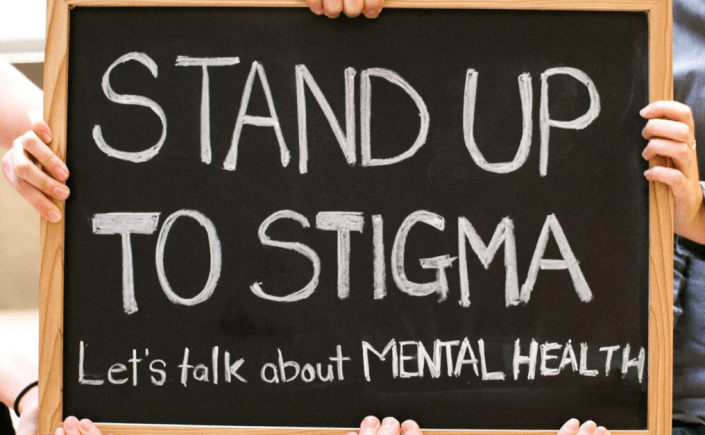
The sad reality is that a stigma on mental illness still exists, although we’d like to think that it has been minimized significantly. There are several people with a voice, including celebrities, who advocate and speak on the importance of mental health; some even give light to their own mental health issues. However, stigma on mental health illnesses is still very much alive today and can prevent many people from seeking professional help, which can be beneficial to them. Ignorance and a lack of education also play a major role in preventing people from reaching out for the help they need. People who are uneducated may not be familiar with the options they have when seeking professional providers and thus limit themselves the access of qualified providers who have more clinical experience and expertise. For this reason, they consult professionals who may not necessarily specialize in the condition from which they are suffering from. People with low income may also not be able to afford high quality care. As a result of these factors, many people usually shy away from searching for help as they unfortunately feel shame and embarrassment.

Overall, many people fear that they would be the subject of criticism, lose friendships and relationships, and lose their jobs if they were to confide in someone about their mental health state. According to David B. Feldman Ph.D., in his post “The Tragedy of Mental Illness Stigma” on Psychology Today, “in half of U.S. states, admitting to a history of mental illness can lead to loss of a driver’s license, inability to serve on a jury or run for office, or even potentially loss of custody of a child.” It makes absolute sense why some people would be hesitant about speaking out or seeking the help they need. The bottom line here is: there is nothing wrong with accepting that you need help – whatever your situation or problem may be. Recognizing that you need help is the first healthy step you can take to achieving mental health and overall taking care of yourself. Stop waiting decades to search for help or receive care. Many mental health illnesses are treatable and for good reasons should not be put off. Talking to your friends and family is also an important step you should consider taking as it can provide you the strong moral support system you need. The sooner you learn to avoid and disregard mental illness stigma, the quicker you can be on the road to recovery.


Self-esteem

By: Charleene Polanco

Have you ever experienced a time in your life when you felt that, “you weren’t good enough?” If you have, self-esteem is at the core of this feeling, because it involves perceptions one has of oneself. These perceptions eventually become beliefs about self-worth and value. That is why self-esteem is so important in a person’s life, because how people think of themselves, is what drives them towards or away from certain actions. High self-esteem is often associated with multiple accomplishments in life. This is because people with high self-esteem, believe that they are worthy of the opportunities they get, and, therefore, make the most out of them. One the other hand, those with low self-esteem, constantly believe that they are not good enough. When an opportunity presents itself to them, people with low self-esteem feel like they do not deserve it, and do not perform their best. This is why low self-esteem is associated with depression and anxiety. If you are suffering from low self-esteem, here are a couple of tips available to raise self-esteem:

  • Identify triggers of low self-esteem: if you are able to recognize the places or people that lower your self-esteem, you are able to avoid or prepare for them. This way, learning experiences come from each event.
  • Avoid negative self-talk: if you do not think negatively about yourself, you are able to feel better and attempt things you would normally avoid.
  • Connect with loved ones: family members and friends can be great emotional support because people who care about you, will also make you feel loved and wanted. Nurture these feelings so that eventually you are able to see yourself as they do, and will slowly learn how to love yourself a little more each day.

If you or someone you know is suffering from low self-esteem, please contact our psychotherapy offices in New York or New Jersey to talk to one of our licensed professional psychologists, psychiatrists, psychiatric nurse practitioners, or psychotherapists at Arista Counseling & Psychotherapy. Contact our Paramus, NJ or Manhattan, NY offices respectively, at (201) 368-3700 or (212) 722-1920 to set up an appointment. For more information, please visit http://www.counselingpsychotherapynjny.com/.

Sources:

Gross, S. J. (2016, July 17). How To Raise Your Self-Esteem. Retrieved October 8, 2018, from https://psychcentral.com/lib/how-to-raise-your-self-esteem/

Mind for Better Mental Health. (2013). How to increase your Self-esteem. Retrieved October 8, 2018, from https://www.mind.org.uk/information-support/types-of-mental-health-problems/self-esteem/#.W9cKgY2WyM8


Couples Counseling: The Benefits

By Stephanie Osuba

According to PsychCentral.com, there are many reasons why people chose to participate in couples therapy, as well as many reasons they don’t. The common reason couples usually don’t consider counseling is out of embarrassment or the stigma that surrounds the intimate details of one’s personal relationship. The stigma dictates that only people who are in a very broken state in their relationship can benefit from couples counseling. However, no relationship is perfect and sometimes even the most socially competent of us need the help of a professional. Psychologists can help couples identify key problems in the relationship in a structured way that acknowledges the feelings of both parties. Although it’s never easy to reopen past wounds, it is the only way to push through to a place of understanding with a partner. Sessions can also determine whether the relationship needs some fine-tuning, a complete rebuilding, or a separation of ways.

Here are some benefits of couples counseling:

  • Improved communication skills
  • Increase in emotional and physical connection
  • Life plan development
  • Resolving conflicts in a structured way
  • Building a healthy relationship ­– ultimately leading to individual growth as well

Common issues couples hope to resolve in therapy: infidelity, poor communication, financial issues, parenting or co-parenting, work and career, emotional and physical intimacy, separation or divorce, abuse, grief and loss, and life transitions.

If you or someone you know appears to be having marital problems, the licensed psychologists, psychiatrists, psychiatric nurse practitioners, and psychotherapists at Arista Counseling & Psychotherapy can assist you. Contact our Paramus, NJ or Manhattan, NY offices respectively, at (201) 368-3700 or (212) 722-1920 to set up an appointment. For more information, visit http://www.counselingpsychotherapynjny.com/

Bipolar Disorder

By: Dianna Gomez

Bipolar Disorder, also known as “Manic-Depressive,” is a disorder of the brain that causes a person to experience sudden shifts in mood, energy/activity levels, and disrupts their ability to function fully each day. The changes in mood range from a person feeling extremely “up” and energized which are known as manic episodes to feeling extremely “down” and sad which is known as depressive episodes. There are multiple forms of Bipolar Disorder, however, the two main types of the disorder are Bipolar I and Bipolar II. Regardless of the type a person has, he or she still suffers from very similar symptoms. Bipolar I Disorder is defined by manic episodes/symptoms that are either so severe the individual needs to be hospitalized immediately or the episode itself has lasted for at least 7 days. Depressive episodes occur in people with this type of Bipolar as well and these episodes can last up to at least 2 weeks at a time. Bipolar II Disorder is defined by a certain pattern of depressive episodes followed by some hypo-manic episodes. The only difference between manic and hypo-manic is that hypo-manic episodes are not as intense as full on manic ones. More specifically, when a person is having a manic episode they can experience the following symptoms:

  • Feeling “jumpy” or “weird”
  • Having trouble sleeping
  • Talk really fast about a lot of different things
  • Racing thoughts
  • Participating in risky behaviors (ex: spending all your money)

On the other hand, when a person is going through a depressive episode, he or she can experience the following symptoms:

  • Sleeping too much or not enough
  • Not being able to enjoy things
  • Trouble concentrating
  • Eating too much or not enough
  • Thinking about death and/or suicide

Luckily, there are several forms of treatment that a person suffering from Bipolar Disorder can seek out to help them live a more normal and stable lifestyle. Methods of treatment include: medications (mood stabilizers, sleep medications, antidepressants, and atypical anti-psychotics), psychotherapy (cognitive behavioral therapy, family-focused therapy, and interpersonal therapy), or a combination of both. Even while taking medications some mood swings may still occur. This makes it especially important that there is a close and honest patient-doctor relationship in order to manage the disorder in the most efficient way possible. In addition to these, there is also electroconvulsive therapy or “ECT,” and keeping a lifestyle chart. When keeping the lifestyle chart, the patient records their daily symptoms, sleep patterns, and other important life events.


If you or anyone you know may suffer from either Bipolar I Disorder or Bipolar II Disorder, the licensed psychologists, psychiatrists, psychiatric nurse practitioners, and psychotherapists at Arista Counseling & Psychotherapy can assist you. Contact our Paramus, NJ or Manhattan, NY offices respectively, at (201) 368-3700 or (212) 722-1920 to set up an appointment. For more information, visit us at http://www.counselingpsychotherapynjny.com/.