Alcoholism: Codependency and Effects on Family

Alcoholism: Codependency and Effects on Family

By: Maddie Rhodes

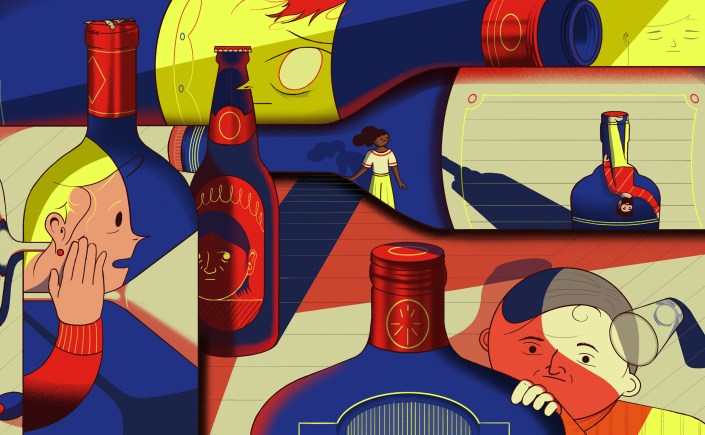
Alcoholism, or Alcohol Use Disorder, has drastic effects on the individual, and it also takes a toll on the people surrounding them including their family, friends, and colleagues. Alcoholism always has a financial tie and can easily create instability within a family.

Alcoholism can result in martial conflict, stress, and domestic violence. It is important for a family member or friend to consider their own mental health when supporting someone who has Alcohol Use Disorder (AUD). A risk that spouses face when put in this situation is codependency, focusing all of their efforts onto their partner or family member. This forms an unhealthy relationship and may lead to them blaming themselves for the addiction.

 It also has detrimental effects on children living in the household. According to the American Academy of Child and Adolescent Psychiatry (AACAP), 1 in every 5 adult Americans resided with a relative who misused alcohol during their adolescence. They often face strong feelings of anger, anxiety, and confusion with some struggling with friendships, school, and mental health. Living via an alcoholic puts the child at a higher likelihood of developing AUD. It is important to set boundaries with the individual, for example, how much alcohol you are comfortable having in the house.

Considerations:

  • Learn about AUD and how it may affect your loved one
  • Try to avoid enabling them
  • Remove yourself from dangerous situations
  • Have an open conversation
  • Speak to a therapist or licensed professional

If you or someone you know is interested is dealing with Alcoholism or is an individual close to someone with Alcoholism, please contact our psychotherapy offices in New York or New Jersey to talk to one of our licensed professional psychologists, psychiatrists, psychiatric nurse practitioners, or psychotherapists at Arista Counseling & Psychotherapy. Contact our Paramus, NJ or Manhattan, NY offices respectively, at (201) 368-3700 or (212) 722-1920 to set up an appointment. For more information, please visit https://www.counselingpsychotherapynjny.com/

Sources:

https://www.aacap.org/AACAP/Families_and_Youth/Facts_for_Families/FFF-Guide/Children-Of-Alcoholics-017.aspx

https://americanaddictioncenters.org/alcohol/support-recovery/family

Domestic Violence and Sports

Domestic Violence and Sports
By: Camillia Ghavami


When we watch sports games many of us feel passionate about whether our teams win or lose. Many find excitement in watching their favorite teams battle it out for the win, others may be terrified.


Tubi’s famous Super Bowl commercial in 2023, that made it seem like someone was changing the channel, is an example of the fear many women live in while watching sports games. Some may have laughed the prank off with their families, while those in more aggressive households were met with terrifying outbursts of violence. One woman described her experience with her boyfriend violently screaming at her to find the remote and then punching a hole in a wall. Another woman who worked at a sports bar described the whole bar screaming profanities at her.

The reaction to this commercial is bringing to light a relationship few know about between sports and domestic violence. More and more studies are showing that there is a relationship between domestic violence and the wins and losses of professional football teams. Empirical analyses show that in the US, there are more domestic violence arrests on Sundays when there are NFL games than on Sundays when there are no games played. This relationship is not just found in the US. In England, domestic violence reports rose by 38% when the national soccer team lost. Even when the team won, domestic violence still rose by 26%. The biggest cause of this rise in domestic violence might have to do with whether the team wins or loses. One study found upset losses (a team loses when it was predicted to win by 4 or more points) led to a 10% increase in domestic violence by men while the rise in violence after other types of losses (like when the games were expected to be close) were small. This rise in violence is even larger when the games are more important.

The problem of domestic abuse is an epidemic that runs rampant in this country. 1 in 3 women and 1 in 4 men have experienced any form of physical violence done by an intimate partner. Additionally, 1 in 7 women and 1 in 25 men have been injured by an intimate partner. While of course all these instances were not done in reaction to a sports game, imagine if during the next big sports game, famous athletes came together and denounced domestic violence. Maybe this would lead to a new turn in our culture, where the possibility of someone changing the channel during the Super Bowl is not met with violence.


If you or someone you know is suffering from domestic violence, please contact our psychotherapy offices in New York or New Jersey to talk to one of our licensed professional psychologists, psychiatrists, psychiatric nurse practitioners, or psychotherapists at Arista Counseling & Psychotherapy. Contact our Paramus, NJ or Manhattan, NY offices respectively, at (201) 368-3700 or (212) 722-1920 to set up an appointment. For more information, please visit http://www.counselingpsychotherapynjny.com/

References:
https://www.ncbi.nlm.nih.gov/pmc/articles/PMC3712874/
https://www.psychologytoday.com/us/blog/making-sense-chaos/202009/nfl-losses-are-associated-increased-domestic-violence
https://trinitonian.com/2023/03/02/how-sports-culture-is-connected-to-domestic-violence-and-abuse/#:~:text=According%20to%20a%20study%20conducted,when%20no%20games%20are%20played
https://ncadv.org/STATISTICS
https://www.themarysue.com/that-viral-tubi-superbowl-commercial-had-some-real-life-consequences-that-cant-be-ignored/


Addiction: Alcoholism

Addiction: Alcoholism

By Isabella Favuzza

American society deems alcoholic beverages such as cocktails a social normality, but many walk the fine line between social drinking and alcoholism. Whether you are drinking to socialize, conform, enhance, or cope you may find yourself unable to control the alcohol cravings. Loved ones may describe you as bad tempered or irritable and you may find yourself yearning for that next sip, regardless of the occasion. Many alcoholics are unaware when they cross that fine line; most don’t remember/feel the change.

Alcoholism is a burdensome journey that should never be traveled alone. Asking for help is the first and most challenging step for alcoholics due to guilt, shame, etc. Therapy provides the appropriate and essential tools to aid struggling alcoholics to cope with these anguishing feelings of resentment, anger, and sorrow. Throughout the course of therapy, a psychologist will help alcoholics identify drinking behavior/patterns, identify risk factors, set goals, think positively, provide intensive intervention/care, and routinely monitor the progress. Therapy is designed to construct a recovery plan that enables alcoholics to recover from drinking, regain control of their livelihood, thrive at work, and connect with loved ones. Ultimately, the alcoholic benefits from therapy by regaining control and reestablishing a healthy relationship with friends and family.

If you or someone you know is struggling with alcohol abuse or addiction please contact our psychotherapy offices in New York or New Jersey to talk to one of our licensed professional psychologists, psychiatrists, psychiatric nurse practitioners, or psychotherapists at Arista Counseling & Psychotherapy. Contact our Paramus, NJ or Manhattan, NY offices respectively, at (201) 368-3700 or (212) 722-1920 to set up an appointment. For more information, please visit http://www.counselingpsychotherapynjny.com/

Alcohol Addiction: How to Support a Loved One with a Drinking Problem

Alcohol Addiction: How to Support a Loved One with a Drinking Problem

By Jackie Molan

Alcohol addiction is a very difficult problem to deal with, not only for the person struggling with it, but also for their loved ones. Since addiction and the subsequent recovery process tend to occur over a period of many years, it is important to understand how to support those we care about who are struggling with alcohol addiction.

Preparing for the Conversation

If you are concerned that a loved one is misusing alcohol, the first step is to do your own research about alcohol use disorder. Once you understand the signs, symptoms, and types of treatments, it will be easier to have an informed discussion with the person struggling. Give plenty of thought to what you want to say, and aim to start the discussion when the person is sober and you are both in a private space with limited likelihood for interruptions. You should avoid using terms with stigma attached, like “alcoholic,” and try to use “I” statements as much as possible to avoid sounding accusatory. For example, instead of saying “You have a problem and need to get help,” say “I care about you and am concerned for your health.”

The Conversation

It is often difficult for people to admit that they have an alcohol problem. Therefore, their first instinct might be to defend themselves and become argumentative. It is important that you stay as calm as possible and remind them that you are coming from a place of genuine care and concern. Offer to help them make a plan and take steps toward recovery, like calling a therapist to schedule an appointment. Remember that you cannot force them to go to treatment if they are unwilling, but initiating a conversation can be a good first step which might help them become more open to the idea. Many people will try to achieve sobriety on their own first, but ultimately, professional mental health treatment is the most effective way to confront alcohol addiction. 

Personal Considerations

While supporting someone with alcohol addiction issues, it is essential to remember to care for yourself as well. Set boundaries to prevent codependence, or becoming more invested in your loved one’s health than your own life. Discuss their comfort level with having alcohol in the house or having others drink in front of them. Above all, remain interested and invested in their recovery process. Support them in situations where they are involuntarily exposed to alcohol, and ask them about their treatment. Your support can be an incredibly meaningful piece in their journey to recovery.

If you or someone you know is struggling with addiction, please contact our psychotherapy offices in New York or New Jersey to talk to one of our licensed professional psychologists, psychiatrists, psychiatric nurse practitioners, or psychotherapists at Arista Counseling & Psychotherapy. Contact our Paramus, NJ or Manhattan, NY offices respectively, at (201) 368-3700 or (212) 722-1920 to set up an appointment. For more information, please visit http://www.counselingpsychotherapynjny.com/

Sources:

https://www.psychologytoday.com/us/basics/alcohol#supporting-someone-with-a-drinking-problem

https://www.healthline.com/health/most-important-things-you-can-do-help-alcoholic#takeaway

https://americanaddictioncenters.org/alcoholism-treatment/loving-an-addict

The Link between Alcoholism and Depression

By Jenna Chiavelli

Alcoholism and Depression

Alcohol Use Disorder is characterized by disordered drinking that leads to significant distress and changes in behavior. One of the strongest predictors of alcoholism is family history, as genetics can attribute to one’s predisposition to alcoholism. Underlying psychological disorders contribute to alcoholism as well as people turn to substances to numb pain. Socially speaking, one’s environment can lead to alcoholism if the environment favors a culture of drinking.

Addiction is a controlling disease and when mixed with depression, treatment can become even more complex. Depression is a common co-occurring disorder with at least 30%-40% of alcoholics experiencing a depressive disorder. Depression is a mood disorder which can generate persistent feelings of sadness, worthlessness, and pessimism, disrupting everyday life. The combination of addiction and depression is especially harmful as the conditions fuel each other.

Depression Contributing to Alcoholism

Substances like alcohol can be appealing to those suffering from depression, as alcohol’s sedating effects offer an escape from overwhelming feelings of sadness. This form of self-medication can temporarily relieve depressive symptoms, but this is not a permanent solution. Over time, the feelings of sadness linger despite the sedating effects of alcohol, leading those struggling with depression to increase their alcohol intake to suppress the pain. This dangerous cycle contributes to a substance abuse disorder.

Alcoholism Contributing to Depression

Alcohol releases neurotransmitters in the brain, resulting in the euphoric feeling of being drunk. As alcohol users consistently chase this high, the copious amount of alcohol is simultaneously limiting the brain’s ability to sustain neurotransmitters at normal levels. This disruption in the nervous system impacts one’s mood; therefore, when there is a reduction of neurotransmitters a person may feel symptoms of depression. Additionally, alcohol increases the duration and severity of depressive episodes and increases the likelihood of suicidal thoughts. 

Drinking alcohol also alters behavior and fuels acts of impulse. The consequences of one’s drunken actions may be overwhelming leading to feelings of sadness and shame. Heavy drinking can disrupt relationships and interfere with work, damaging one’s social sphere. The constant ramifications from drinking can easily contribute to depression as well.

Treatment for Co-Disorders

In some cases, removing alcohol from the equation is enough to relieve symptoms of depression. In other cases, therapy, rehabilitation, and medications may be necessary. It is important to note that medication alone will not effectively treat co-occurring depression and addiction. Therapy is required in order to understand what originally contributed to one’s depression/addiction. Gaining a deeper understanding to one’s emotions and history could help prevent a relapse in the future. Additionally, confiding in others and sharing stories of similar nature reminds people that they are not alone in their struggles, fostering a sense of community. With a little bit of help, it is possible to break the dangerous cycle of alcohol and depression.

If you or someone you know is seeking therapy for depression and/or addiction, please contact our psychotherapy offices in New York or New Jersey to talk to one of our licensed professional psychologists, psychiatrists, psychiatric nurse practitioners, or psychotherapists at Arista Counseling & Psychotherapy. Contact our Paramus, NJ or Manhattan, NY offices respectively, at (201) 368-3700 or (212) 722-1920 to set up an appointment. For more information, please visit http://www.counselingpsychotherapynjny.com/

Sources

https://www.addictioncenter.com/alcohol/alcohol-depression/#:~:text=At%20least%2030%25%2D40,of%20the%20symptoms%20of%20depression.

https://www.psychologytoday.com/us/blog/addiction-recovery/202102/healing-depression-and-addiction

https://www.psychologytoday.com/us/basics/alcohol

Image

Increased Drug and Alcohol Use during the Stay at Home Order

By Eleanor Kim

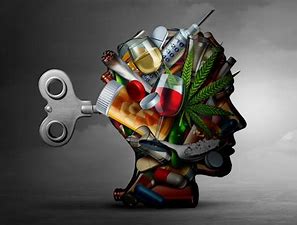
The Coronavirus pandemic has left the whole world isolated with very little to do aside from school or work. As the stay at home orders continue, individuals have been forced to find other means of coping or simply passing the time. Some individuals have found coping mechanisms that have ignited newfound purpose during such bleak times; however, others have embarked on less than beneficial pastimes, turning to drugs and alcohol as a means of “getting through” the pandemic. Cases of substance use disorder, or SUD, have skyrocketed since the official declaration of the COVID-19 pandemic with cases of patients who have experienced overdoses and other complications related to substance abuse increasing as well. In a recent survey conducted by the Center for Disease Control and Prevention, 13.3% of respondents stated that they have either started or increased substance use in order to cope with the stress and emotions caused by COVID-19 and the subsequent national emergency. With the world in such an unstable and worrisome state, it is not surprising to see individuals seek comfort in any way that they can, especially as those individuals face new and or preexisting stressors and anxieties through isolation.

As the pandemic continues, the surging mental health and substance abuse epidemics have shown to go hand in hand with one another. In fact, throughout the pandemic, there has been a 62% increase in worry, a 51% increase in sadness, a 51% increase in fear, and a 42% increase in loneliness. It was also revealed that within the past year, there has been a 32% increase for non-prescribed fentanyl, a 20% increase for methamphetamine, a 12.5% increase for heroine, a 10% increase for cocaine, as well as an 18% increase in suspected drug overdoses. These increases have not gone unnoticed. Those that already struggled with substance abuse or other mental health disorders have found stay at home orders increasingly difficult given the limited access to their usual treatment and support groups. Those who wish to begin receiving professional help with their substance use have had harder times finding adequate care given the decrease in in- and out-patient support and treatment over the past year. These limitations have fed into the increases in mental health struggles and SUD cases, leaving those who have been affected feeling desperate and out of control.

Substance abuse is not the answer to these difficult and isolating times. There is still hope for those who wish to seek other, more benevolent means of coping with the pandemic and for those who wish to begin treatment for their substance use disorder. Telehealth is one way that individuals with SUD, or other destructive coping mechanisms, can begin receiving professional help and therapy. Counselors and therapists are available to talk with you or anyone you know who may be dealing with substance use disorders during this time.

If you or someone you know is struggling with substance abuse, please contact our psychotherapy offices in New York or New Jersey to talk to one of our licensed professional psychologists, psychiatrists, psychiatric nurse practitioners, or psychotherapists at Arista Counseling & Psychotherapy. Contact our Paramus, NJ or Manhattan, NY offices respectively, at (201) 368-3700 or (212) 722-1920 to set up an appointment. For more information, please visit http://www.counselingpsychotherapynjny.com/.

Resources:

https://www.drugabuse.gov/about-nida/noras-blog/2020/09/addressing-unique-challenges-covid-19-people-in-recovery

https://www.ncbi.nlm.nih.gov/pmc/articles/PMC7219362/

https://www.ehstoday.com/covid19/article/21139889/drug-abuse-on-the-rise-because-of-the-coronavirus

https://www.cdc.gov/mmwr/volumes/69/wr/mm6932a1.htm

Image Source:

https://www.nbcnews.com/feature/nbc-out/covid-crisis-exacerbating-lgbtq-alcohol-abuse-studies-find-n1257008

Drug Abuse During Covid-19

By: Catherine Cain

The stress and uncertainty Covid-19 brings is especially dangerous to those who abuse drugs or alcohol. The increased stress, mass layoffs and unemployment, and social distancing restrictions have caused a major uptick in the number of people who self-reported drug use over the last six months. Relying on these substances to make it through a day is not only detrimental to your mental health, but puts undue stress on your body’s immune system, ultimately weakening your ability to fight off infections and viruses.

Those who smoke or vape, whether marijuana or tobacco, are at a higher risk for contracting Covid-19 and may experience severe symptoms. Smoking and vaping lead to lung damage, as does Covid-19, which is why it is especially important not to let your addiction go unchecked.

Addiction may be hard to overcome, but it is not impossible. Covid-19 creates an environment where your addiction can progress quickly, because of the reduced social interactions and prolonged periods of isolation.

Here are some ways to help combat your addiction:

Contact a medical provider immediately.

Ask about medication to combat cravings.

Include your family/friends, so you have someone to hold you accountable.

If you or someone you know is struggling with addiction, please contact our psychotherapy offices in New York or New Jersey to talk to one of our licensed professional psychologists, psychiatrists, psychiatric nurse practitioners, or psychotherapists at Arista Counseling & Psychotherapy. Contact our Paramus, NJ or Manhattan, NY offices respectively, at (201) 368-3700 or (212) 722-1920 to set up an appointment. For more information, please visit http://www.counselingpsychotherapynjny.com/

Sources:

https://medicine.umich.edu/dept/psychiatry/michigan-psychiatry-resources-covid-19/specific-mental-health-conditions/addiction-substance-use-recovery-during-covid-19-pandemic

https://www.forbes.com/sites/lipiroy/2020/03/16/addiction-treatment-facilities-are-they-prepared-for-covid-19/#3bf8b57044ea

Addiction: How to Support a Spouse with Addiction

Addiction: How to Support a Spouse with Addiction
By: Isabelle Siegel

One hallmark sign of addiction is continued substance use despite interference with one’s interpersonal relationships. Addiction can take an immense toll on romantic relationships in particular, causing pain and suffering for both parties. The partners/spouses of people with addiction may feel as though they are helpless, unable to provide the support that is needed. However, there are steps that partners/spouses can take to support their partner/spouse and themselves.

Develop an understanding of addiction and how it manifests in your partner/spouse. Research “Substance Use Disorder” and its symptoms, taking note of which symptoms apply to your partner/spouse. It may be helpful to create a list of warning signs that your partner/spouse is using substances, as well as to learn what to do in the case of an overdose.

Support, but avoid enabling. Enabling entails making excuses for your partner’s/spouse’s addictive behavior, communicating to them that such behavior is acceptable and can be continued. Instead, stress the necessity of change while also practicing devotion and love.

Establish boundaries for your relationship. Many professionals suggest establishing a set of boundaries that must be respected. For example, you may want to tell your partner/spouse that he/she cannot use substances while in the house.

Be honest with your partner/spouse. Tell your partner/spouse how his/her behavior makes you feel. If your partner’s/spouse’s behavior is hurting you, tell him/her. It is normal to feel uncomfortable during these conversations, but they are important and even necessary for change.

Most importantly, take care of yourself and seek therapy. Understand that your partner/spouse is not the only one who needs support and never feel guilty for prioritizing your own needs. If you feel that the relationship is putting your physical or mental health at risk, it may be necessary to end the relationship. It can be beneficial to seek therapy or other support in order to take care of your own mental health and to work through difficult emotions.

If you or a loved one needs support, the licensed psychologists, psychiatrists, psychiatric nurse practitioners, and psychotherapists at Arista Counseling & Psychotherapy can assist you. Contact our Paramus, NJ or Manhattan, NY offices respectively, at (201) 368-3700 or (212) 722-1920 to set up an appointment. For more information, visit http://www.counselingpsychotherapynjny.com/

Relapse Prevention: Substance Use Disorders

Relapse Prevention: Substance Use Disorders Relapse Prevention: Substance Use Disorders

By: Julia Keys

The road to recovery from substance abuse can be long and difficult. There may be many times when those recovering are tempted to just give up. However, there are many different strategies for when individuals are in a place where they feel ready to quit all the progress they made. Relapse is part of recovery, but it should be avoided and treated carefully.

Most people think that relapse starts when the addict starts using again, however relapse can start much earlier than that. There are three stages of relapse: emotional relapse, mental relapse and physical relapse.  Emotional relapse starts when one is thinking about using. Although they have made no real attempts at obtaining any substances, the thought of using is very tempting. During mental relapse one has decided to use again. Physical relapse is when you contact your dealer, obtain substances, or use substances.

When preventing relapse it is important to seek many different types of support. Studies show that those recovering who see therapists alongside any inpatient or outpatient detox programs have faster recovery rates than those who do not seek additional treatment. Therapists can help those in recovery come up with personalized strategies to prevent them from relapsing.

If you or a loved one is struggling with substance use or recovery from substance abuse, do not hesitate to seek help by contacting Arista Counseling & Psychotherapy, located in New York and New Jersey to speak to licensed professional psychologists, psychiatrists, psychiatric nurse practitioners or psychotherapists. To contact the office in Paramus NJ, call (201) 368-3700. To contact the office in Manhattan, call (212) 722-1920. For more information, please visit http://www.counselingpsychotherapynjny.com/ .

Sources:

https://www.psychologytoday.com/us/blog/where-science-meets-the-steps/201312/preventing-relapse-among-addicted-youth

https://www.addictionsandrecovery.org/relapse-prevention.htm

Source for Picture:

https://www.bing.com/images/search?view=detailV2&id=F86C5ECD05E0D6595A3D9A0588384D10CCA60F4B&thid=OIP.idNVRUm7p8tdl-M-0iQdzgHaE8&mediaurl=https%3A%2F%2Fwww.thenationalcouncil.org%2FBH365%2Ffiles%2F2017%2F09%2Froad-to-recovery.jpg&exph=334&expw=500&q=the+road+to+recovery&selectedindex=4&ajaxhist=0&vt=0&eim=1,2,6


Alcohol Abuse: College Students

Alcohol Abuse: College Students

By Toniann Seals

For many, college is the first time in one’s young adult life that they are away from their families and on their own. Without direct supervision they begin to experiment, especially with alcohol. Unfortunately, some find themselves victims of alcohol abuse and have a hard time fighting the addiction.

Identifying Alcohol Abuse:

  • Missing important assignments, classes or meetings because of alcohol
  • Vomiting each time you drink alcohol
  • Not able to control the amount you drink
  • Drinking before or during class/work
  • Constant feeling of regret after a night out of drinking
  • Inability to control your behaviors while under the influence
  • Binge Drinking

Some may claim that they are just trying to have “fun” in college, however being a college student does not make a person immune to the detrimental side effects of alcohol abuse.

According to the NIAAA, “Approximately 2 out of every 5 college students of all ages (more than 40 percent) reported binge drinking at least once in the 2 weeks prior.” Drinking too much alcohol in a short period of time can lead to health problems, injury and even death. Fitting in is not worth what could potentially happen to you. If you are drinking because of stress, a traumatic experience or bad breakup, professional help could be very beneficial.

If you or someone you know is dealing with alcohol abuse speak with one of our licensed professional psychologists, psychiatrists, psychiatric nurse practitioners, and psychotherapists. Contact us at our Paramus, NJ or Manhattan, NY offices at (201) 368-3700 or (212) 722-1920 respectively to set up an appointment. For more information, visit http://www.counselingpsychotherapynjny.com/.

Sources:

https://www.addictioncenter.com/alcohol/binge-drinking/

(Image) http://allaboutaddiction.com/addiction/college-students-binge-drinking/