Depression: Identifying Signs of Depression in Someone Close to You

Identifying Signs of Depression in Someone Close to You

By Fiona McDermut

            Understanding the signs and symptoms of mental illness is not a simple task, especially when it comes to someone you care about. Even when the signs of mental illness are identified, it is difficult to decide what to do next. The COVID-19 pandemic prompted a 25% increase in cases of depression in the world. In a time of great distress for many, it is vital to look out for the people we love.

            If you suspect that someone you know may be struggling with depression, it is crucial to look out for the following signs:

  • Loss of interest
  • Extreme loss or increase in appetite
  • Fatigue
  • Hopelessness
  • Suicidal thoughts or behaviors
  • Irritability
  • Changes in sleep patterns
  • Physical symptoms such as headaches, stomachaches, and sexual dysfunction

            Some of these signs may seem obvious, but many who struggle with depression may cut themselves off from the social world. This makes it difficult to detect the warning signs of mental illness. Therefore, it is important to check in on the people you care about, especially during a time in which the majority of social interactions have been cut off, limited, or turned to strictly virtual contact. If someone you know is struggling with symptoms of depression, it may be necessary to seek medical help. There are many causes of depression, many types of depression, and many treatment methods. A mental health care professional will be able to identify the key factors that go into developing a treatment plan that works best for each individual in need.

The following methods are used to treat people with depression:

  • Cognitive Behavioral Therapy
  • Hypnosis
  • Antidepressant medication
  • Brain stimulation therapy

            Admitting that one needs help is not an easy task. Therefore, providing support, comfort, and assistance for a loved one can make a tremendous difference in one’s mental health outcomes. Simply having one strong social connection has been shown to have multiple health benefits. Most people are not trained in the treatment of depression, but everyone is capable of spending time with those they love and guiding them through the process of recovery.

If you or someone you know is struggling with depression, please contact our psychotherapy offices in New York or New Jersey to talk to one of our licensed professional psychologists, psychiatrists, psychiatric nurse practitioners, or psychotherapists at Arista Counseling & Psychotherapy. Contact our Paramus, NJ or Manhattan, NY offices respectively, at (201) 368-3700 or (212) 722-1920 to set up an appointment. For more information, please visit http://www.counselingpsychotherapynjny.com/

Sources:

https://www.who.int/news/item/02-03-2022-covid-19-pandemic-triggers-25-increase-in-prevalence-of-anxiety-and-depression-worldwide#:~:text=COVID%2D19%20pandemic%20triggers%2025,of%20anxiety%20and%20depression%20worldwide

https://www.healthline.com/health/depression/recognizing-symptoms#lostinterest

Image Source: https://ggsc.s3.amazonaws.com/images/uploads/How_Friends_Help_You_Regulate_Your_Emotions.jpg

COVID-19: Impact of COVID-19 on Mental Health of College Students

COVID-19: Impact of COVID-19 on Mental Health of College Students

By Celine Bennion

The COVID-19 pandemic has affected us in more ways than just illness itself. From strict isolation measures to mask mandates, several necessary health protocols have changed the way we carry out our daily lives. This is especially true for college students who were forced to transition to online learning, shifting the established routines they once knew.

At the onset of the pandemic, students residing on campus were forced out of their dorms to prevent the spread of COVID-19. Without a place to stay on campus, they moved back home, forcing a drastic change in living situations. Even commuter students had to adjust to new norms, as they were no longer allowed to study on campus. With siblings also engaged in online school and parents working from home, their learning environment quickly changed from a quiet classroom to a bustling household. These changes posed several challenges, as many students found it increasingly difficult to stay focused in lectures and successfully absorb the material they were presented with.

Additionally, because students could not be present on campus, they were no longer able to engage in everyday social interactions. Meeting up with friends to study, attending club meetings, and participating in sports were no longer an option after transitioning to remote learning. These fundamental social interactions are vital for college students to maintain their wellbeing and to properly develop as individuals.

The major academic and social changes that transpired due to the pandemic led to a serious rise in reports of mental health challenges. According to a 2020 Active Minds survey on college students, about 75% of respondents indicated that their mental health had declined during the pandemic. Students specifically reported increased levels of anxiety, loneliness, sadness, and stress. With the many changes that students quickly had to manage, these feelings are understandable.

The rise of mental health challenges has prompted numerous universities to initiate changes to the psychological services that are offered to students. Many students have access to Telehealth counseling sessions and other mental health resources through their university. These resources allow students to obtain proper assistance for navigating their personal challenges.

It is essential that universities acknowledge the struggles their students are facing and make appropriate changes to support them through this difficult time.

If you or someone you know is seeking therapy, please contact our psychotherapy offices in New York or New Jersey to talk to one of our licensed professional psychologists, psychiatrists, psychiatric nurse practitioners, or psychotherapists at Arista Counseling & Psychotherapy. Contact our Paramus, NJ or Manhattan, NY offices respectively, at (201) 368-3700 or (212) 722-1920 to set up an appointment. For more information, please visit http://www.counselingpsychotherapynjny.com/

Sources:

https://www.northjersey.com/story/news/education/2021/09/13/nj-colleges-covid-student-burnout-stress-mental-health-toll/5716116001/

https://online.maryville.edu/blog/stress-in-college-students-recognize-understand-and-relieve-school-stress/ (photo)

Increased Drug and Alcohol Use during the Stay at Home Order

By Eleanor Kim

The Coronavirus pandemic has left the whole world isolated with very little to do aside from school or work. As the stay at home orders continue, individuals have been forced to find other means of coping or simply passing the time. Some individuals have found coping mechanisms that have ignited newfound purpose during such bleak times; however, others have embarked on less than beneficial pastimes, turning to drugs and alcohol as a means of “getting through” the pandemic. Cases of substance use disorder, or SUD, have skyrocketed since the official declaration of the COVID-19 pandemic with cases of patients who have experienced overdoses and other complications related to substance abuse increasing as well. In a recent survey conducted by the Center for Disease Control and Prevention, 13.3% of respondents stated that they have either started or increased substance use in order to cope with the stress and emotions caused by COVID-19 and the subsequent national emergency. With the world in such an unstable and worrisome state, it is not surprising to see individuals seek comfort in any way that they can, especially as those individuals face new and or preexisting stressors and anxieties through isolation.

As the pandemic continues, the surging mental health and substance abuse epidemics have shown to go hand in hand with one another. In fact, throughout the pandemic, there has been a 62% increase in worry, a 51% increase in sadness, a 51% increase in fear, and a 42% increase in loneliness. It was also revealed that within the past year, there has been a 32% increase for non-prescribed fentanyl, a 20% increase for methamphetamine, a 12.5% increase for heroine, a 10% increase for cocaine, as well as an 18% increase in suspected drug overdoses. These increases have not gone unnoticed. Those that already struggled with substance abuse or other mental health disorders have found stay at home orders increasingly difficult given the limited access to their usual treatment and support groups. Those who wish to begin receiving professional help with their substance use have had harder times finding adequate care given the decrease in in- and out-patient support and treatment over the past year. These limitations have fed into the increases in mental health struggles and SUD cases, leaving those who have been affected feeling desperate and out of control.

Substance abuse is not the answer to these difficult and isolating times. There is still hope for those who wish to seek other, more benevolent means of coping with the pandemic and for those who wish to begin treatment for their substance use disorder. Telehealth is one way that individuals with SUD, or other destructive coping mechanisms, can begin receiving professional help and therapy. Counselors and therapists are available to talk with you or anyone you know who may be dealing with substance use disorders during this time.

If you or someone you know is struggling with substance abuse, please contact our psychotherapy offices in New York or New Jersey to talk to one of our licensed professional psychologists, psychiatrists, psychiatric nurse practitioners, or psychotherapists at Arista Counseling & Psychotherapy. Contact our Paramus, NJ or Manhattan, NY offices respectively, at (201) 368-3700 or (212) 722-1920 to set up an appointment. For more information, please visit http://www.counselingpsychotherapynjny.com/.

Resources:

https://www.drugabuse.gov/about-nida/noras-blog/2020/09/addressing-unique-challenges-covid-19-people-in-recovery

https://www.ncbi.nlm.nih.gov/pmc/articles/PMC7219362/

https://www.ehstoday.com/covid19/article/21139889/drug-abuse-on-the-rise-because-of-the-coronavirus

https://www.cdc.gov/mmwr/volumes/69/wr/mm6932a1.htm

Image Source:

https://www.nbcnews.com/feature/nbc-out/covid-crisis-exacerbating-lgbtq-alcohol-abuse-studies-find-n1257008

Physician Burnout during a Global Pandemic

By Eleanor Kim

Physicians and nurses around the world have been at the front lines fighting the coronavirus and saving the lives of those infected. Now more than ever, citizens are coming to realize the importance of those within the medical field and the bravery that comes with entering medicine. That being said, there has been an immense amount of pressure placed upon healthcare workers, often causing stress, anxiety, and depression. At the end of the day, doctors, nurses, and other healthcare workers are humans and can feel the effects of burnout during such a heightened and high stakes moment in medical history.

Burnout is when someone becomes overwhelmed by the demands of their daily life, becoming emotionally and physically exhausted and creating a sense of depersonalization and weakened personal accomplishments. Burnout is a common occurrence among physicians and nurses given the great amount of pressure that comes with saving lives. That being said, these feelings of burnout have skyrocketed given the additionally taxing nature of current frontline medical work such as the stress of isolating from friends and family, the extended hours of work, the tragic lack of medical supplies, and the fear of contracting or spreading the virus, to name a few. Physicians are also left to deal with the other struggles and anxieties that the past year has brought upon the general population regarding economic, political, racial, and other personal effects of the pandemic.

During these elongated periods where healthcare workers are left sleep deprived, improperly fed, and overall anxious about the current status of the pandemic, they are exposed to both mentally and physically long lasting effects. In 2020, there have been a record number of physicians who have reported feelings of burnout and other mental health concerns since the start of the pandemic. Should these issues go untreated, there is an increased risk for depression, self-medication, substance abuse, and suicidal thoughts or attempts. Burnout is more than just stress; it is a mental health crisis and should be treated as such.

If you or someone you know is feeling the effects of physician and healthcare worker burnout, please contact our psychotherapy offices in New York or New Jersey to talk to one of our licensed professional psychologists, psychiatrists, psychiatric nurse practitioners, or psychotherapists at Arista Counseling & Psychotherapy. Contact our Paramus, NJ or Manhattan, NY offices respectively, at (201) 368-3700 or (212) 722-1920 to set up an appointment. For more information, please visit http://www.counselingpsychotherapynjny.com/.

Resources:

https://www.forbes.com/sites/lipiroy/2020/05/17/doctor-heal-thyself-physician-burnout-in-the-wake-of-covid-19/

Image Source:

More than a third of medical staff suffered insomnia during the COVID-19 epidemic in China

Is an Emotional Support Animal Right for You

By Eleanor Kim

Pets have brought joy and comfort to pet owners for hundreds of years. The sheer presence of a happy-go-lucky dog or cat is enough to bring a smile to anyone’s face. The benefits of pet ownership can go beyond mere companionship or responsibility, in fact, emotional support animals are able to, as their name indicates, provide emotional support and other mental health benefits.

Common ways in which emotional support animals could support their owners are:

  • Fostering emotional connectivity
  • Helping people during times of crisis
  • Lowering anxiety
  • Offering trauma support
  • Improving physical health (Lower blood pressure, decrease respiration rates, improve ability to cope with pain, etc.)
  • Lowering feelings of loneliness or depression
  • Reciprocating feelings of love and care

It is important to indicate the difference between emotional support animals and service animals. Service animals also provide emotional support to their owners; however, service animals undergo intensive training to perform specific tasks necessary to aid their owners’ needs. In contrast, emotional support animals do not need formal training and simply need to receive a certification from the state registry. In order to qualify for an emotional service animal, individuals must acquire a prescription from a licensed mental health professional indicating that the presence of an emotional support animal is necessary for the mental health of the patient.

In a time when all of us are at home and may be in need of more emotional support, emotional support animals may provide the help you need. If you are interested in receiving emotional support, whether that be through a support animal or through a mental health professional, we here at Arista Counseling are here to assist you.

If you or someone you know is looking for emotional support, please contact our psychotherapy offices in New York or New Jersey to talk to one of our licensed professional psychologists, psychiatrists, psychiatric nurse practitioners, or psychotherapists at Arista Counseling & Psychotherapy. Contact our Paramus, NJ or Manhattan, NY offices respectively, at (201) 368-3700 or (212) 722-1920 to set up an appointment. For more information, please visit http://www.counselingpsychotherapynjny.com/.

References:

Everything You Need to Know About Emotional Support Animals

https://www.verywellmind.com/what-is-an-emotional-support-animal-4171479#definition

Picture Source:

https://figopetinsurance.com/blog/can-cats-dogs-live-together-peacefully

Loneliness During Covid-19

By Eleanor Kim

As we round out one year of stay at home orders and self-quarantine measures due to the novel coronavirus, many are reflecting on their time at home and their mental health during this period. While every individual’s experience over this past year has been unique, one experience seems to be universal-loneliness. Folks around the world were left to deal with their own fears and anxieties regarding the virus and general health and safety of loved ones without the usual group of support from family and friends. This experience was exacerbated for those that were left to face the effects of COVID-19 on their own as unforeseen circumstances forced individuals into isolation.

A recent study found that 65% of participants felt increased feelings of loneliness since the official declaration of the pandemic. In that same study, 76% reported feelings of anxiety, 58% reported a loss of feelings of connectedness, and 78% reported feelings of depression. These feelings of loneliness have far reaching effects as another study found a link between loneliness and heart problems, diabetes, stroke, memory complaints, drug abuse risk, and elevated blood pressure. Other issues include trouble sleeping, negative relationships with food, and an increased reliance on maladaptive coping skills such as drinking and gambling. Loneliness is not a new condition; however, the magnitude in which it is presenting itself is alarming and deserving of a closer watch, especially among younger and older generations.

Now more than ever, it is crucial that individuals strengthen the relationship that they have with themselves. Each emotion that has presented itself during this past year is valid and expected during such a trying and unknown time. It is recommended that individuals welcome these feelings and try their best not to avoid or deny such states of mind. The effects of coronavirus and the impact it has had on the physical and mental wellbeing of people around the world unfortunately will continue to be felt as we trek towards the “new normal” and sense of global stability. It is essential that individuals remind themselves that they are not alone during these times of loneliness and that there are resources available to help cope with any feelings of unrest or isolation.

Online services such as Zoom or Cisco Webex offer opportunities for groups to interact in a virtual setting that will help simulate a sense of community and togetherness. Socially-distanced gatherings may be an option for those who are able to meet in an outdoor or well ventilated area, weather permitting. Experts recommend limiting time spent on social media as excessive time spent on these apps and websites could instill feelings of frustration, anxiety, and comparison with others. Should these feelings of loneliness and isolation persist, telehealth is available for those who may wish to speak to mental health professionals throughout these difficult times.

If you or someone you know is feeling lonely or isolated, please contact our psychotherapy offices in New York or New Jersey to talk to one of our licensed professional psychologists, psychiatrists, psychiatric nurse practitioners, or psychotherapists at Arista Counseling & Psychotherapy. Contact our Paramus, NJ or Manhattan, NY offices respectively, at (201) 368-3700 or (212) 722-1920 to set up an appointment. For more information, please visit http://www.counselingpsychotherapynjny.com/ .

References:

https://www.sharp.com/health-news/managing-loneliness-during-covid-19.cfm

https://www.medicalnewstoday.com/articles/alarming-covid-19-study-shows-80-of-respondents-report-significant-symptoms-of-depression#Making-things-better

Image Source:

https://lifesupportscounselling.com.au/wp-content/uploads/2020/05/loneliness-in-lockdown.jpg

Mental Health Consequences During Covid

By Veronica Oquendo

COVID- 19 has shown to have devastating medical health consequences with the recent death toll at 425 thousand and rising. However, the mental health consequences may be overlooked, even though they are condemning, and can also lead to death from suicide. The Center for Disease Control and Prevention’s Morbidity and Weekly Report surveyed and found that 40.9% of those reporting had at least one adverse mental health condition, an uptick from last year. The most vulnerable of the population affected were among age group 18-24 years old, minority racial and ethnic groups essential workers, unpaid caregivers for adults, and those already receiving treatment for psychiatric conditions. The highest increase in symptoms being from anxiety and depressive disorders (30.9%). Anxiety disorder was three times more likely to be prevalent this year than in 2019. Due to the overwhelming stress and worry caused by the pandemic, alcohol and drugs are used to cope in unhealthy proportions. Furthermore, past studies have shown links between social isolation and suicide. Due to the safety regulations of social distancing and quarantine for COVID-19, more people have been feeling lonely, frustrated, and bored causing a rise of suicidal ideation. 

If you or someone you know is struggling with the mental health consequences of COVID-19, please contact our psychotherapy offices in New York or New Jersey to talk to one of our licensed professional psychologists, psychiatrists, psychiatric nurse practitioners, or psychotherapists at Arista Counseling & Psychotherapy. Contact our Paramus, NJ or Manhattan, NY offices respectively, at (201) 368-3700 or (212) 722-1920 to set up an appointment. For more information, please visit http://www.counselingpsychotherapynjny.com/.

Sources:

https://www.cdc.gov/mmwr/volumes/69/wr/pdfs/mm6932a1-H.pdf

https://www.psychologytoday.com/us/blog/lifting-the-veil-trauma/202009/the-psychological-impact-covid-19

What Parents Can Do to Help Their Special Needs Children during Virtual Learning

By Eleanor Kim

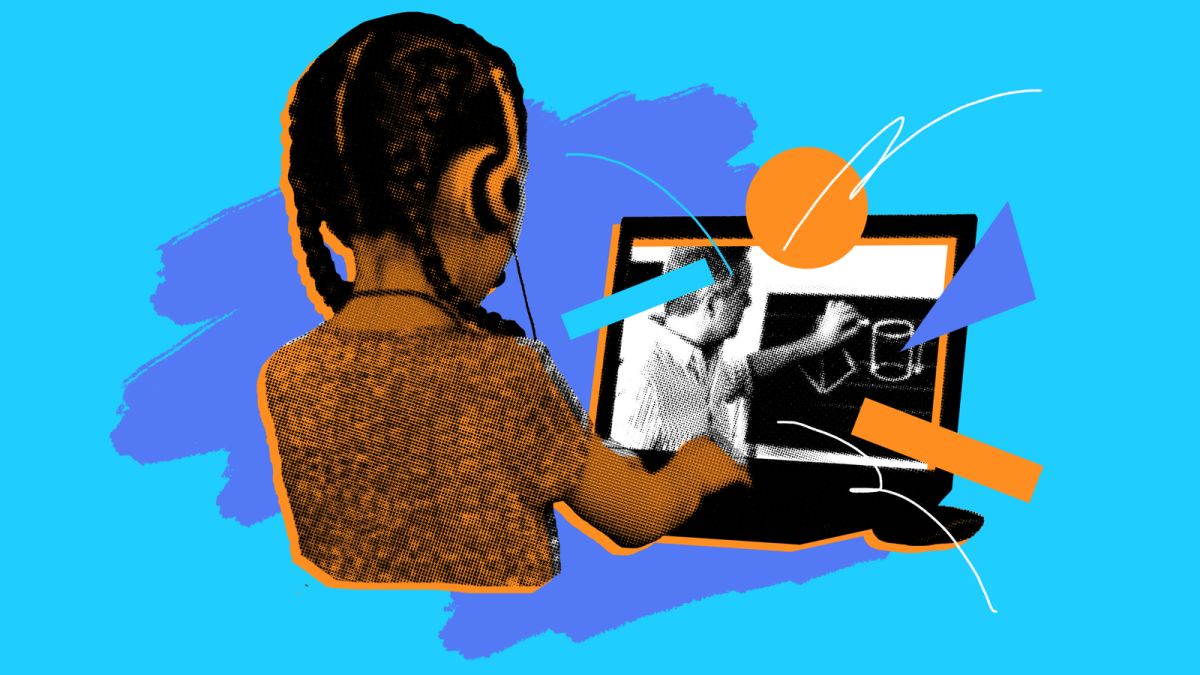
With the abrupt transition to online learning last March, teachers, students, and parents alike were left to quickly adjust and find new ways of making virtual learning feel “normal”. While this transition may have come more naturally to some, there are still many families who are struggling to ensure that their children are getting a quality education in their homes. One demographic of online learners who are finding it exceptionally difficult are those who have special needs and learning disabilities. It is hard to spend hours focusing on a Zoom session, especially when special needs learners no longer have direct access to the specialized teachers and aids that help them learn in a normal school setting. Unfortunately, this additional stress during an already unprecedented time has taken a toll on special needs parents and it is important that parents are self-compassionate to themselves as they journey through this uncharted online learning experience. That being said, there are still many new strategies that parents can try to implement to assist their child’s distanced learning.

  • Ask teachers to offer “asynchronous” work in conjunction with any Zoom activities to allow your child more hands-on learning opportunities or request more one-on-one learning through break out rooms or personal Zoom meetings
  • If you are unable to remain with your child during their school hours, reach out to your child’s teachers and aids for an update on how they are doing and how you can help after school hours
  • Offer your child “fidget toys” during Zoom calls to help them remain focused on class material
  • If your child has a hard time staying seated during Zoom meetings, offer Bluetooth earbuds or headphones to allow your child the ability to move around while still remaining attentive and participatory during class
  • Incorporate time within your child’s schedule to stretch and relieve any additional stress or energy by going outside or having a dance break!
  • Make sure to schedule check-in meetings with your child’s school team (teachers, aids, counselor, etc.) to help your child express any frustrations or emotions they are experiencing during this difficult time.

Let your child know that it is okay to be having a hard time right now and that you are there to help them through it. Also make sure that you, the parent, are receiving the support you need while helping your special needs child with online learning in addition to any other struggles you may be facing during these unusual and overwhelming times. We here at Arista Counseling have many therapists and support options available for you.

If you or someone you know is looking for support, please contact our psychotherapy offices in New York or New Jersey to talk to one of our licensed professional psychologists, psychiatrists, psychiatric nurse practitioners, or psychotherapists at Arista Counseling & Psychotherapy. Contact our Paramus, NJ or Manhattan, NY offices respectively, at (201) 368-3700 or (212) 722-1920 to set up an appointment. For more information, please visit http://www.counselingpsychotherapynjny.com/ .

Sources:

https://greatergood.berkeley.edu/article/item/how_parents_can_support_children_with_special_needs_during_distance_learning

Image Source:

https://dynaimage.cdn.cnn.com/cnn/c_fill,g_auto,w_1200,h_675,ar_16:9/https%3A%2F%2Fcdn.cnn.com%2Fcnnnext%2Fdam%2Fassets%2F200810224242-20200810-online-learning-main.jpg

Virtual Learning: Back to School…Online!

     Living through a global pandemic has put school districts, as well as family members, through an abundance of stress and anxiety as we begin to turn the corner into our not so typical “back to school” season. Parents are presented with the hard decision of whether to send their child into the classroom (if offered that option) or risk the possibility of having to cut their hours at work in order to be at home to help facilitate their child’s virtual learning experience. Some common signs of anxiety to look out for are feeling nervous, an impending sense of danger, trouble concentrating or thinking of anything other than the present worry, and having the urge to avoid things that trigger your anxiety. Here are some tips to help take care of your mental health this upcoming school year!  

Stay Involved With Decision Making                                                                     Going back to school always involved decision making, so going back to school with COVID-19 makes planning much more necessary. To help reduce anxiety, start early to ensure you have all the necessary resources to give your child to have a successful school year (especially if they will be experiencing the classroom from home). Always ask questions if you feel unsure.

You Can’t Manage Everything                                                                               Not everything is predictable. Remember to take everything on a day to day basis and remind yourself that you are doing everything you can for your child in these unforeseen times.                                                                            

Communicate                                                                                                           Continue to research resources if needed and to reach out to your child’s school if you have any questions. Reach out to other parents in the community who are in the same situation you are in for further support. They can be good to share ideas with, but also to talk to about any doubts or worries! Establish a support system that you can contact if you ever need help.

Self-care                                                                                                                           Always remember to take time for yourself for hobbies or spending time with family and friends. Take part in activities you enjoy and that take your mind off of current worries or stressors.

If you or someone you know needs support with anxiety, please contact our psychotherapy office in New York or New Jersey to talk to one of our licensed professional psychologists, psychiatrists, psychiatric nurse practitioners, or psychotherapists at Arista Counseling & Psychotherapy. Contact our Paramus, NJ or Manhattan, NY offices respectively at (201) 368-3700 or (212) 722 – 1920 to set up an appointment. For more information, please visit http://www.counselingpsychotherapynjny.com/

Source: : https://www.psychologytoday.com/us/blog/modern-mentality/202008/back-school-in-pandemic-tips-foster-mental-health                                Image Source: https://www.theonlinemom.com/wp-content/uploads/2015/08/back-to-school.jpg

Anxiety: Going Back to School during a Pandemic

By Mizuki Wada

You know it’s time to get ready for school or work when you see the pumpkin displays and school supplies in stores. However, with the global pandemic going on this year there is far more tension and nervousness besides the first day jitters. From parents sending their kids, faculty going back to classrooms or students getting ready for in-person sessions, many of those could be feeling high pressure and anxiety. However, here are a few ways that could help you steer clear from overwhelming anxiousness.

  • Acknowledge– It is crucial to acknowledge your feelings and stress. Understanding the reason why you’re feeling a certain way is the key to finding a solution.
  • Attitude– Try to look at the big picture and find some positive factors of returning to school. Only looking at the negative aspects can cause the situation to be a lot scarier than it actually is.
  • Support– Find a support group! Whether it be your family or friends, having people that would listen to you talk is very beneficial. Try talking about how you’re feeling to those who understand you.
  • Knowledge– Educate yourself on the situation. People can tell you one thing, but are they really true? Limit your news intake and check whether these sources are trustworthy or not. There’s a difference between educating yourself and filling yourself with information.
  • Physical Health– Although it may sound irrelevant, mental health and physical health go hand in hand. Even if it’s a simple walk or a yoga session, moving your body physically can help alleviate stress. It’s important to keep a healthy body for a healthy mind.

If you or someone you know is struggling with Anxiety or any other mental illnesses, please contact our psychotherapy offices in New York or New Jersey to talk to one of our licensed professional psychologists, psychiatrists, psychiatric nurse practitioners, or psychotherapists at Arista Counseling & Psychotherapy. Contact our Paramus, NJ or Manhattan, NY offices respectively, at (201) 368-3700 or (212) 722-1920 to set up an appointment. For more information, please visit http://www.counselingpsychotherapynjny.com

Reference:

https://www.psychologytoday.com/us/blog/beyond-the-doubt/202003/respond-instead-react-managing-covid-19-anxiety

https://www.realsimple.com/health/mind-mood/stress/manage-back-to-school-stress-coronavirus