Nightmares: Normal or Disorder?

By: Sanjita Ekhelikar

We all know the horrible sensation of waking up in the middle of the night after a nightmare, a terrifying dream that occurs during the rapid eye movement (REM) stage of sleep. These dreams are a normal response to stressors in our life, and occur both during childhood and in adulthood. However, when nightmares occur regularly and lead to impairment of one’s cognitive and social functioning, they can develop into Nightmare disorder.

Nightmare disorder is characterized by frequent occurrences of fearful dreams which can interfere with development, functioning, and sleep. People with the disorder are constantly woken up with the detailed recall of dreams that feel like a threat to their survival or security. In addition, such individuals tend to awaken very easily, and have difficulty functioning throughout the day. They are not taking any substances which could lead to the increase in nightmares and, therefore, show signs of the disorder.

Many of the likely causes of Nightmare disorder include mental illnesses such as anxiety and depression, which cause people to stress throughout the day which can interfere with their sleep. In addition, any major life trauma can result in this growing distress. Finally, any sleeping disorder, such as narcolepsy, sleep apnea, or sleep terror, can cause increased nightmares.

If you are experiencing extreme, recurrent nightmares, do not hesitate to reach out for help and seek treatment. You can speak to a psychologist or take anti-depressant medication to address the issues behind these dreams and to better reduce the unpleasant symptoms. Aside from this, setting a routine during bedtime, making oneself comfortable, exercising during the day, doing meditation before bed, and sleeping until sunrise are ways to better relax and try to prevent nightmares. It is important to take care of yourself and your health, both when you are awake and alert AND when you are asleep.

If you or someone you know is suffering from nightmares, please contact our psychotherapy offices in New York or New Jersey to talk to one of our licensed professional psychologists, psychiatrists, psychiatric nurse practitioners, or psychotherapists at Arista Counseling & Psychotherapy. Contact our Paramus, NJ or Manhattan, NY offices respectively, at (201) 368-3700 or (212) 722-1920 to set up an appointment. For more information, please visit http://www.counselingpsychotherapynjny.com/.

Body Image: Body Dysmorphic Disorder Treatment

By Samantha Glosser

Body dysmorphic disorder, sometimes referred to as body dysmorphia or BDD, is a mental disorder characterized by preoccupation with imagined or markedly exaggerated imperfections or defects in one’s physical appearance. Those suffering from body dysmorphic disorder spend a significant amount of time every day obsessing over their appearance and engaging in repetitive compulsive behaviors in an attempt to avoid anxiety, distress, and hide their imperfections. Signs and symptoms include constantly checking one’s appearance, excessive grooming, over-exercising, picking skin, pulling hair, using makeup or clothing to camouflage one’s appearance, or even getting plastic surgery. Body dysmorphic disorder leads to significant impairment in daily functioning and quality of life. However, there are treatment options available.

Cognitive-behavioral therapy (CBT). CBT is short-term, goal-oriented therapy. In body dysmorphic disorder, CBT is used to decrease compulsive behaviors and the negative thoughts about one’s appearance. This is achieved through techniques such as cognitive restructuring and mind reading. Cognitive restructuring teaches the patient to challenge irrational thoughts about their bodies and replace them with more realistic and adaptive thoughts. In addition to their own negative thoughts, individuals diagnosed with body dysmorphic disorder also believe others hold the same negative thoughts about them. Mind reading allows patients to understand that other people do not share these thoughts about them and provides realistic alternatives. For example, that person staring at them at the mall was probably admiring their outfit. Another frequently used technique is exposure therapy. This requires patients to create a hierarchy of anxiety-provoking situations which they are then exposed to in order to overcome anxiety and distress.

Psychiatric medications. Research has also shown that antidepressant medications are an effective treatment for body dysmorphic disorder, specifically selective serotonin reuptake inhibitors (SSRI’s). SSRI’s that are commonly used for the treatment of body dysmorphic disorder include Lexapro, Prozac, Paxil, and Zoloft, among others. SSRI’s help to reduce obsessional thinking, compulsive behaviors, and depression, a common comorbid disorder among individuals diagnosed with body dysmorphic disorder.

If you or someone you know appears to be suffering from body dysmorphic disorder, or other problems associated with negative body image, the licensed psychologists, psychiatrists, psychiatric nurse practitioners, and psychotherapists at Arista Counseling & Psychotherapy can assist you. Contact our Paramus, NJ or Manhattan, NY offices respectively, at (201) 368-3700 or (212) 722-1920 to set up an appointment. For more information, visit http://www.counselingpsychotherapynjny.com/


Source: Tartakovsky, M. (2016, July 17). Demystifying treatment for body dysmorphic disorder. Retrieved from https://psychcentral.com/lib/demystifying-treatment-for-body-dysmorphic-disorder/

The Effects of Divorce on Children

By: Estephani Diaz 

In today’s world, about 50 percent of marriages end in divorce. But what about the children? Whether the break up is about money, infidelity, or other causes, divorces have an effect on children no matter how old they are.

In most situations, children blame themselves for their parents’ divorce. They believe that it is their fault, and many times attempt to get mom and dad back together. Other times, children get emotional, confused, and/or angry. They might cry themselves to sleep or misbehave for attention. Also, they might put the blame on one parent causing them to pick sides. Children might believe that their parents don’t love them anymore or will stop loving them.

The child’s living situation changes completely as well. They have to adjust to spending time with one parent one day and the other parent the next day. After a divorce, the child now has two homes to consider home. The new lifestyle can confuse a child completely.

If you or someone you know is going through a divorce, please contact our psychotherapy offices in New York or New Jersey to talk to one of our licensed professional psychologists, psychiatrists, psychiatric nurse practitioners, or psychotherapists at Arista Counseling & Psychotherapy. Contact our Paramus, NJ or Manhattan, NY offices respectively, at (201) 368-3700 or (212) 722-1920 to set up an appointment. For more information, please visit http://www.counselingpsychotherapynjny.com/.

Postpartum Depression (PPD)

By: Estephani Diaz

Becoming a mom is supposed to be a beautiful new chapter in a woman’s life, as she gives birth to a new life. However, for about 3 to 6 percent of women, it can lead to postpartum depression, also referred to as “baby blues.” Postpartum Depression, also known as “Depression with Peripartum Onset,” is a depression that grows within the first few weeks after giving birth, and/or even while pregnant. In order to be diagnosed with the “baby blues,” one must meet 5 or more of these major depressive episodes:

  • No interest or pleasure in activities
  • Significant weight loss/gain
  • Psycho-motor agitation/retardation
  • Thoughts of death/suicide
  • Insomnia/hypersomnia
  • Depressive mood almost everyday
  • Diminished ability to think/concentrate
  • Feelings of worthlessness
  • Fatigue/loss of energy

Someone with postpartum depression is likely to experience excessive crying, loss of energy, and even withdrawing from loved ones. She also may have a hard time building a bond with her newborn baby. In this mindset, sometimes moms go on to hurting themselves, and even their baby. This may be accompanied by frequent thoughts of suicide and death.

If you or someone you know is suffering from postpartum depression, please contact our psychotherapy offices in New York or New Jersey to talk to one of our licensed professional psychologists, psychiatrists, psychiatric nurse practitioners, or psychotherapists at Arista Counseling & Psychotherapy. Contact our Paramus, NJ or Manhattan, NY offices respectively, at (201) 368-3700 or (212) 722-1920 to set up an appointment. For more information, please visit http://www.counselingpsychotherapynjny.com/.

Bipolar Disorder: What Is It and What Treatments Are Available

By Stephanie Osuba

Bipolar disorder is classified as a mood disorder with cycling emotions of highs (mania) and lows (depression) by the Diagnostics and Statistical Manual of Mental Disorders (DSM-5). Periods of mania can last for as little as two days and as long as fourteen days at a time. It is this period of elevated mood and heightened irritability that sets bipolar disorder apart from the diagnosis of clinical depression. During a manic episode, people experience elevated moods of extreme happiness, decreased need for sleep, hyperactivity, and racing thoughts which manifest in pressured speech. Because mania makes people feel like they are on top of the world, people also tend to engage in risky behavior of sexual nature or even substance abuse to maintain the high. Manic episodes can also bring on an intense and easily irritable mood, which can also lead to a risk of violence. Besides one manic episode, in order to be diagnosed with bipolar disorder one must have had a depressive episode as well. This period can last from a few days to even months and is characterized by extreme sadness, disinterest in pleasurable activities, lack of energy, and feelings of helplessness and hopelessness.

There are two kinds of bipolar disorder, one being more manic and the other being more depressive. Bipolar I is characterized by one fully manic episode, that must last at least a week, and a depressive episode. Bipolar II is characterized by a period of depression and a period of hypomania. Hypomania has all the symptoms of a manic episode; however it usually doesn’t last as long, only about a few days. The speed at which people cycle through emotions largely depends on the person. Treatment for this disorder can either psychotherapy or medication. Most people seem to benefit greatly from a combined treatment of both. A common medication prescribed for this disorder is a mood stabilizer and even sometimes an antidepressant or other psychotropic medication. It’s best to talk to a professional in order to find the best individual treatment plan.

Source: Grohol, J. M., Psy. D. (2018, May 18). Bipolar Disorder – What is it? Can it be treated? Retrieved from https://psychcentral.com/disorders/bipolar/ 

If you or someone you know is struggling with bipolar disorder, the licensed psychologists, psychiatrists, psychiatric nurse practitioners, and psychotherapists at Arista Counseling & Psychotherapy can assist you. Contact our Paramus, NJ or Manhattan, NY offices respectively, at (201) 368-3700 or (212) 722-1920 to set up an appointment. For more information, visit http://www.counselingpsychotherapynjny.com/

Women in Abusive Relationships

By: Estephani Diaz 

A relationship is a bond between two individuals who care, support, and share similar interests together. A healthy relationship would be defined as having trust, honesty, good communication, and most importantly mutual respect for one another. Unfortunately, not all relationships are healthy. According to loveisrespect.org, nearly one out of three U.S adolescents are victims of an abusive relationship. Abuse in a relationship could be physical, verbal, or both.

Physical abuse consists of:                                             Verbal Abuse consists of:

  • Pushing                                                                       – Yelling/Screaming
  • Punching                                                                    – Name calling
  • Kicking                                                                        – Threatening you
  • Pulling hair                                                                – Accusing/Blaming you of something
  • Throwing items at you/to destroy them                – Manipulation
  • Scratching/Biting

Some signs to look out for in relationships are: Does you partner get jealous? Does he/she get physical? Do they manipulate you? Do they stop you from seeing your friends and family? Do they blame you for everything? Do they intimidate you? These signs above, and many more, are warning signs to leave the relationship or seek help.

If you or someone you know is a victim of an abusive relationship, please contact our psychotherapy offices in New York or New Jersey to talk to one of our licensed professional psychologists, psychiatrists, psychiatric nurse practitioners, or psychotherapists at Arista Counseling & Psychotherapy. Contact our Paramus, NJ or Manhattan, NY offices respectively, at (201) 368-3700 or (212) 722-1920 to set up an appointment. For more information, please visit http://www.counselingpsychotherapynjny.com/.

Source: https://www.loveisrespect.org/?s=warning+signs

Stress

By: Estephani Diaz 

At some point in time, we have all dealt with stress. Whether it’s from finances, school, or a major life change, such as moving, we all go through it. It is the way our body responses to any demand or threat, leading to the terms, “fight or flight.” Since everyone reacts to stress differently, there are various coping strategies for handling stress.

Some stress relievers would be:

  • Exercise
  • Yoga
  • Mediation
  • Healthy diet
  • Get 8 hours of sleep
  • Taking time to oneself
  • Taking a personal day off from work or school
  • Laugh
  • Spend time with family and friends
  • Listen to music

If stress is not managed, it could also lead to serious short term and long term health problems such as:

Short Term Effects:                                                           Long Term Effects:

  • Headache                                                                        – Depression
  • Muscle Ache                                                                   – Anxiety
  • Rapid Breathing                                                            –  Insomnia
  • Chest Pain                                                                       – Heart Problems
  • Rapid Heartbeat                                                            – Weight Gain
  • Sleep Problems                                                              – Memory Impairment

If you or someone you know is dealing with stress, please contact our psychotherapy offices in New York or New Jersey to talk to one of our licensed professional psychologists, psychiatrists, psychiatric nurse practitioners, or psychotherapists at Arista Counseling & Psychotherapy. Contact our Paramus, NJ or Manhattan, NY offices respectively, at (201) 368-3700 or (212) 722-1920 to set up an appointment. For more information, please visit http://www.counselingpsychotherapynjny.com/.

Mental Illness Stigma Still Exists

By: Gisela Serrano

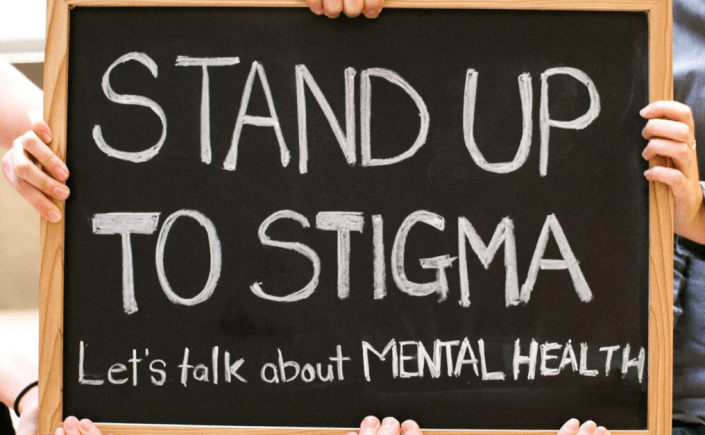
The sad reality is that a stigma on mental illness still exists, although we’d like to think that it has been minimized significantly. There are several people with a voice, including celebrities, who advocate and speak on the importance of mental health; some even give light to their own mental health issues. However, stigma on mental health illnesses is still very much alive today and can prevent many people from seeking professional help, which can be beneficial to them. Ignorance and a lack of education also play a major role in preventing people from reaching out for the help they need. People who are uneducated may not be familiar with the options they have when seeking professional providers and thus limit themselves the access of qualified providers who have more clinical experience and expertise. For this reason, they consult professionals who may not necessarily specialize in the condition from which they are suffering from. People with low income may also not be able to afford high quality care. As a result of these factors, many people usually shy away from searching for help as they unfortunately feel shame and embarrassment.

Overall, many people fear that they would be the subject of criticism, lose friendships and relationships, and lose their jobs if they were to confide in someone about their mental health state. According to David B. Feldman Ph.D., in his post “The Tragedy of Mental Illness Stigma” on Psychology Today, “in half of U.S. states, admitting to a history of mental illness can lead to loss of a driver’s license, inability to serve on a jury or run for office, or even potentially loss of custody of a child.” It makes absolute sense why some people would be hesitant about speaking out or seeking the help they need. The bottom line here is: there is nothing wrong with accepting that you need help – whatever your situation or problem may be. Recognizing that you need help is the first healthy step you can take to achieving mental health and overall taking care of yourself. Stop waiting decades to search for help or receive care. Many mental health illnesses are treatable and for good reasons should not be put off. Talking to your friends and family is also an important step you should consider taking as it can provide you the strong moral support system you need. The sooner you learn to avoid and disregard mental illness stigma, the quicker you can be on the road to recovery.


Self-Esteem and Shaming Parents

By Stephanie Osuba

We have all felt, in one way or another, like we weren’t good enough or even felt embarrassed after making a mistake at work. This is healthy in that we are expressing sadness or just reflecting on a situation that could have been handled differently, but we move on and eventually feel valued and confident again. However, for some, that feeling of shame and guilt never goes away. Some believe they are inherently flawed, worthless, and inferior to everyone else. These negative emotions and lack of self-esteem are largely rooted in repeated childhood and adolescence trauma that is often left unprocessed. Internalization of this emotional abuse leads to a conditioning of sort, usually by the primary caregiver, that the negative emotions constantly felt reflect who one is as a person. This person comes to genuinely believe that he or she is a bad person, unlovable, never good enough, and deserves to be treated with disrespect.

The constant shame is also accompanied by a constant feeling of guilt. Everything is his or her fault, regardless of the context. There is a sense of unjust responsibility for other people’s emotions and the outcome of all situations. Its no wonder why low self-esteem can manifest itself in anxiety, self-harm or poor self-care, or on the other extreme, narcissism and antisocial tendencies. Here are some behaviors that can be a manifestation of low self-esteem:

  • Lack of healthy self-love: poor self-care, self-harm, lack of empathy, and inadequate social skills
  • Emptiness: loneliness, lack of motivation, and finding distractions from emotions
  • Perfectionism: this is often a behavior that manifests as adults because of the unrealistic standards these children were held to by their parents and were punished for not meeting
  • Narcissism: grandiose fantasies of who they want others to perceive them to be; even if they do succeed however, this protective personality doesn’t numb the negative emotions they truly feel.
  • Unhealthy relationships: people with low self-esteem are incapable of building and maintaining a relationship with others, largely because they don’t know what a healthy relationship looks like. Both parties are usually extremely dependent.
  • Susceptibility to manipulation: the constant self-doubt, shame and guilt make it too easy to bend a person with low self-esteem to an experienced manipulator’s will.

Source: Cikanavicius, D. (2018, September 03). A Brief Guide to Unprocessed Childhood Toxic Shame. Retrieved from https://blogs.psychcentral.com/psychology-self/2018/09/childhood-toxic-shame/ 

If you or someone you know is struggling with self-esteem, the licensed psychologists, psychiatrists, psychiatric nurse practitioners, and psychotherapists at Arista Counseling & Psychotherapy can assist you. Contact our Paramus, NJ or Manhattan, NY offices respectively, at (201) 368-3700 or (212) 722-1920 to set up an appointment. For more information, visit http://www.counselingpsychotherapynjny.com/

ADHD in Teens: Why Adult Support is Essential

By Stephanie Osuba

Common symptoms of ADHD lead people to believe that students that have been diagnosed willingly choose to not complete assignments or be inattentive during class. However, symptoms like forgetfulness, procrastination, distractibility, poor time management, and having a difficult time writing are exactly what prohibits a student from achieving academic success. By definition, these teens cannot manage their time on their own, not even with all the motivation in the world. And although these students want to be treated normally, it is important to intervene in order to teach them how to manage their ADHD and their lives.

Wanting to be “normal” often prevents these students from seeking the help that they need with assignments and time management. While school counselors mean well with their open office doors, it’s important to recognize when a student with ADHD is falling behind. The student, even if a need for help is stated, will often not follow through with appointments due to the lack of executive control and interfering symptoms like distractibility and impulsivity. Setting up a comprehensive academic plan with the teen takes the efforts of parents and teachers who constantly check in to make sure he or she is on track. How you can support a student with ADHD:

  • Promote independence: the end goal is to have the teen be able to keep track of assignments, organize himself, be able to take notes, study well, and mange his time by being able to break down projects. Have the student come up with his own plan for the school year and check in if it seems off base. Once a well-oiled routine is put in place, check in regularly.
  • Intervene early: always prompt students to solve academic problems immediately. It’s better to catch small mistakes and setbacks early on than to wait until they snowball out of control.
  • Provide guidance: you should aim to collaborate with the teen in finding solutions to any problem that arises, however, most need direct instruction at first. They need to be shown exactly what the outcome needs to be before they can decide on the best way to arrive at the desired solution.
  • Take the lead: students should be under adult supervision at all times. At school, it’d be teachers and counselors and at home it’s their parents or guardians.
  • Gradually withdraw supports: adult supervision shouldn’t be completely withdrawn until the student proves capable. Symptoms can cause poor executive function well through college because it largely interferes with academic skills no matter their age.

Source: M.D., M. B. (2018, September 24). The Pivotal Role of Adults in Teen ADHD Care. Retrieved from https://www.psychologytoday.com/us/blog/child-development-central/201809/the-pivotal-role-adults-in-teen-adhd-care 

If you or someone you know is struggling with ADHD, the licensed psychologists, psychiatrists, psychiatric nurse practitioners, and psychotherapists at Arista Counseling & Psychotherapy can assist you. Contact our Paramus, NJ or Manhattan, NY offices respectively, at (201) 368-3700 or (212) 722-1920 to set up an appointment. For more information, visit http://www.counselingpsychotherapynjny.com/