Relationship Building: The Michelangelo Effect

Michelangelo's_Pieta_5450_cut_out_black

Relationship Building: The Michelangelo Effect

By Jessica Burgess

When your partner or spouse is working towards a goal, you can either be a help or a hindrance which can have an effect on your relationship as a whole. So how can you be an effective and helpful partner without pushing him or her towards how you think he or she should go about goal attainment? Psychologists Caryl Rusbult, Eli J. Finkel, and Madoka Kumashiro came up with the idea of the Michelangelo Effect to answer this question. Famous sculptor Michelangelo, know for his works such as David, did not believe that he created his pieces, but rather showed their ideal form. Rusbult and her colleagues believe that the same goes for relationships. In an interpersonal relationship, a partner can help the other reveal their ideal self (and vice versa), but he or she does not create that partner. At the same time, he or she can limit the partner’s revelation. Some tips for aiding your partner in personal growth and goal achievement include:

Affirmation:

  • Both verbal and non-verbal
  • Help and encouragement
  • Ex: Helping out with the kids to allow your partner an extra half hour to work

Enhancement:

  • Perceiving the partner more positively than he or she views him or herself
  • This is most effective when the enhancement is related to the goal
  • Ex: “You are a hardworking writer so I am certain you will meet your deadline.”

Verification

  • Affirm the dream and the reality
  • What is realistically attainable?
  • Ex: “Would you be open to us reading some books on how to get started so we know how the process goes?”

If you or your partner is struggling with support within your relationship call the licensed psychologists, psychiatrists, psychiatric nurse practitioners, and psychotherapists at Arista Counseling & Psychotherapy so that they can assist you. Contact our Paramus, NJ or Manhattan, NY offices respectively, at (201) 368-3700 or (212) 722-1920 to set up an appointment. For more information, visit http://www.counselingpsychotherapynjny.com/          


Source: https://blogs.psychcentral.com/healing-together/2010/03/promoting-your-partner%e2%80%99s-ideal-self-the-michelangelo-phenomenon/

Image: https://upload.wikimedia.org/wikipedia/commons/6/6c/Michelangelo’s_Pieta_5450_cut_out_black.jpg


Effects of Sexual Assault

Effects of Sexual Assault

By Toniann Seals

Sexual assault is a tragedy that unfortunately happens to many victims. Statistics say that, “in the U.S., one in three women and one in six men experienced some form of contact sexual violence in their lifetime.” This number is far too high and the reality is that despite the movements created to end it, it continues to have a large impact on many people’s lives.

Facts:

  • “91% of victims of rape and sexual assault are female, and nine percent are male.”
  • “The lifetime cost of rape per victim is $122,461.”
  • “81% of women and 35% of men report significant short- or long-term impacts such as Post-Traumatic Stress Disorder (PTSD).”

Sexual assault affects both the victim and their family. A few of the mental health issues that the victims could develop are anxiety, depression, obsessive thoughts and paranoia. If sexual assault has affected your life, it is important to remember that it is never the victim’s fault and there are people here to help.

If you or someone you know is a victim of sexual assault speak with one of our licensed professional psychologists, psychiatrists, psychiatric nurse practitioners, and psychotherapists. Contact us at our Paramus, NJ or Manhattan, NY offices at (201) 368-3700 or (212) 722-1920 respectively to set up an appointment. For more information, visit http://www.counselingpsychotherapynjny.com/.

Sources:

Click to access NISVS-StateReportBook.pdf

Click to access rsarp00.pdf

Click to access NISVS_Report2010-a.pdf

Click to access nsvrc_talking-points_lifetime-economic-burden_0.pdf

Image:

https://www.indiatoday.in/technology/features/story/hashtag-metoo-trending-on-twitter-facebook-what-is-it-and-why-is-everyone-talking-about-it-1066951-2017-10-18

Relationships: Preventing Intensification of Arguments

By Zuzanna Myszko

It is not unusual to enter into arguments with one’s partner. In fact, even the most satisfied couples have an “unsolvable” problem and more than one “solvable” issue. In order to prevent arguments about these problems from escalating, the members of the couple must communicate effectively. Effective communication skills are especially important for people in romantic relationships because emotional escalation happens more rapidly in those relationships than in others. Also, once escalation begins, it is extremely difficult to regain control over one’s emotions.

Two skills that are worthwhile to develop in terms of relationship conflicts are:

  1. Use empathic responses.
  2. Use self-calming techniques.

Practicing empathic responses keeps heated emotions from intensifying. Empathic responses are important because they force the members of the couple to see the situation from the other’s perspective. This allows for more feelings of understanding and less defensive statements that might further hurt the other person.

Additionally, the development of self-calming skills allows for de-escalation. Self-calming techniques include taking time away from the discussion, “conscious breathing, positive self-talk, and self-compassion.” When one is able to keep anger at bay, he or she can approach the situation rationally. This results in the couple being able to focus on working toward a solution to the problem, rather than becoming defensive and angry.

In the end, when approaching an issue with a partner, it is important to remember that all people share the same emotional needs in romantic partnerships.

If you or someone you know is experiencing relationship troubles speak with one of our licensed professional psychologists, psychiatrists, psychiatric nurse practitioners, and psychotherapists. Contact us at our Paramus, NJ or Manhattan, NY offices at (201) 368-3700 or (212) 722-1920 respectively to set up an appointment. For more information, visit http://www.counselingpsychotherapynjny.com/.

Image: https://www.pexels.com/photo/woman-and-man-sitting-on-brown-wooden-bench-984949/

Source: https://www.psychologytoday.com/us/blog/in-it-together/201901/how-avoid-escalation-couple-conflicts


Seasonal Affective Disorder (SAD)

By: Erika Dino

Seasonal Affective Disorder (SAD)

What are the winter blues? During the winter, a portion of individuals start to become aware of their feelings of sadness or hopelessness, which can lead them to being unable to function in their daily lives. Seasonal affective disorder is a depression that occurs during particiular season. Not only can it happen in the winter, but during the summer as well. Most common ages for SAD to happen involve the ages 20 to 50.

Symptoms:

  • Feelings of depression
  • Craving more hours of sleep due to reduced energy
  • Weight gain
  • Feeling drowsy

Is there a treatment?

  • Medication
  • Psychotherapy
  • Maintaining a regular schedule
  • Exercising
  • Exposure to light (light therapy)
  • Healthy number hours of sleep

Seasonal Affective Disorder is more common in women. According to John M. Grohol, “With a little effort, the winter blues can be beaten.” Psychotherapy can help as a mental health professional can evaluate you and ask about your behavioral patterns. Talking about your feelings and emotions can help because identifying your negative thoughts can lead to learning positive approaches to change the winter blues feelings. Make your lifestyle brighter.

https://www.mayoclinic.org/diseases-conditions/seasonal-affective-disorder/diagnosis-treatment/drc-20364722

https://psychcentral.com/lib/seasonal-affective-disorder/

Image: https://comps.canstockphoto.com/seasonal-affective-disorder-drawing_cp11824144.jpg

If you or someone you know is suffering from seasonal affective disorder please contact our psychotherapy offices in New York or New Jersey to speak with our licensed professional psychologists, psychiatrists, psychiatric nurse practitioners, or psychotherapists to get a free phone consultation at Arista Counseling & Psychotherapy. Contact our Paramus, NJ or Manhattan, NY offices respectively, at (201) 368-3700 or (212) 722-1920 to set up an appointment. For more information, please visit http://www.counselingpsychotherapynjny.com/.

Bulimia Nervosa-Learning About Eating Disorders

By: Erika Dino

Bulimia Nervosa

Bulimia Nervosa is an eating disorder that leads you to eating an unusual large amount of food in a repetitive matter. After you do this, there is a behavior done such as vomiting or fasting due to the fact that eating large amounts of food makes you purge secretly. Purging also involves taking laxatives or excessive exercising. Individuals who have Bulimia Nervosa want to lose weight, or are often feeling fear towards gaining weight. They aren’t happy with their weight, because they have feelings of shame. They binge eat, and then purge, usually a few times a week.

Usually this is coexisting with another psychological illness. Examples of this can be anxiety or depression. Bulimia can be caused by stress, dieting, or mixed emotions that can make you feel uncomfortable. Traumatic life events and genetics can also have a part in bulimia nervosa.

Symptoms:

▪Dehydration

▪Laxative abuse causing irritation

▪Inflamed throat

▪ Dental problems

Treatment

▪Psychotherapy

▪Prescribed Medication

▪Cognitive Behavioral Therapy

We can help. We can make the difference. You are a strong individual and there is no reason to doubt it. We will work together, and we will get the best results.

https://www.psychologytoday.com/us/basics/bulimia-nervosa

Eating Disorders- National Institute of Mental Health

Image: https://comps.canstockphoto.com/bullimia-nervosa-drawing_csp11371809.jpg

If you or someone you know appears to be suffering from Bulimia Nervosa, please contact our psychotherapy offices in New York or New Jersey to talk to one of our licensed professional psychologists, psychiatrists, psychiatric nurse practitioners, or psychotherapists at Arista Counseling & Psychotherapy. Contact our Paramus, NJ or Manhattan, NY offices respectively, at (201) 368-3700 or (212) 722-1920 to set up an appointment. For more information, please visit http://www.counselingpsychotherapynjny.com/.

Sleep Difficulties? Here are 5 questions that will Help You Figure Out Why.

By Sally Santos

We all have gone through this. We have had a long day and we can’t wait to get in to bed to rest. But the moment you rest your head on the pillow you find yourself wide awake and staring at the ceiling. So then you ask yourself “why can’t I fall asleep?” Consider these 5 questions:

Do you take your phone to bed?

  • We spend all day with our phones tending to every notification that we receive. That can become a habit. So when you bring your phone to bed and you see your phones light up you are going to want to see what it is. So every night before you go to bed try to keep your phone away from your bed or at least set it on Do Not Disturb Mode. This ensures that your phone won’t ring for every notification

How much caffeine are you drinking?

  • If you are someone who consumes a lot of caffeine during the day and find yourself not being able to sleep at night consider consuming less caffeine or stop completely.

What do you do during the evening?

  • Avoid having a late meal. If you eat right before you go to bed that might keep you awake because your body is working on digesting your food.
  • If you are someone who works out try working out earlier because after you work out you may have increased energy and that may prevent you from sleeping at night.
  • If possible try avoiding difficult conversations before bed.

How are you using your bed?

  • If you are someone who works or studies in bed, you may be confusing your body. Instead of your body associating your bed as a place for rest it is associating it as a place of work.

Is there something specific that you are worried about?

  • Maybe you are going through a stressful situation and the thought of it is keeping you up at night. Try learning a relaxation method such as breathing gently or meditation.
  • If the situation is serious seek professional help you problem-solve the situation. You might be helped by relaxation techniques, hypnosis or sleep medication.

Source:

https://www.psychologytoday.com/us/blog/prescriptions-life/201901/how-calm-your-racing-mind-so-you-can-sleep

Image:

https://www.tumblr.com/tagged/no-sleep

If you or someone you know is having sleep issues, speak with one of our licensed professional psychologists, psychiatrists, psychiatric nurse practitioners, and psychotherapists. Contact us at our Paramus, NJ or Manhattan, NY offices at (201) 368-3700 or (212) 722-1920 respectively to set up an appointment. For more information, visit http://www.counselingpsychotherapynjny.com/.

Video Games – Advantages and Disadvantages

By Dara Kushnir

Ever since its creation, people have debated whether video games are a help, a hindrance, or useful in moderation. Below presents evidence from the most disputed aspects of this argument as well as additional factors to consider:

Content. Countless studies show that violence in video games diminishes empathy and exacerbates behavioral problems. After playing even 30 minutes, less activation was found in the prefrontal portion of the brain (involved in concentration, inhibition, and self-control) and more in the amygdala (emotional arousal)1. People who play violent video games may expect others to be hostile, influencing how aggressively they themselves react in the future2.
Conversely, prosocial, nonviolent video games can promote empathy and helpful behaviors, even teaching empathy3, asthma management, rehabilitating stroke patients, learning resiliency from failures4, and being a therapy tool in moderating certain phobias5. Preschool children have also shown improved motor development and cognitive behavior5.  Children who play cooperative video games display fewer emotional problems and problems with peers whereas those who play solitary games do well academically6.

Time. Despite the noteworthy benefits, it is crucial to understand that these benefits apply to those who play for less than or equal to an hour. Excessive time is linked with behavioral problems, poorer social skills, and peer conflicts. A recent study revealed that playing for less than an hour reduces ADHD symptoms, has a calming effect, and is not associated with delinquency7 8. Less than one hour of gaming strengthens motor skills and leads to higher achievement scores. However, playing more than one hour increases ADHD symptoms and lowers grades, which means the difference between a “B” and an “A” grade9.

Motivation. One . One study argues that people play video games to meet their motivational needs rather than for the content itself10. Those who are more aggressive play violent video games rather than cause aggression. Violent video games were not associated with aggressive behavior. Those who play for enjoyment or catharsis (releasing anger) play violent video games, although it is unclear if playing actually helps. The researchers suggested that people seek out video games to meet their motivational needs rather than the violent content itself. More research is still needed.

Personality. People with certain personality traits can be predisposed to aggression after playing violent video games. One study states that the “perfect storm” of personality traits using the Five-Factor Model is high neuroticism (easily upset and angry), low agreeableness (little concern for others and their feelings), and low conscientiousness (act without thinking)11. These traits make individuals more susceptible to violent games and media.

Player abilities. Another study argues that regardless of video games’ content, frustration from failing sparks aggression12. When a person’s competency or ego is questioned, through a challenging game or failing to master the controls, they enjoy the game less and react with more aggression. This reaction is not limited to video games; people react with frustrated aggression playing sports and other activities, especially if they lose or play poorly.


Source:
(image) http://guides.library.ucla.edu/videogames
All articles are sourced in text.

If you or someone you know appears to be suffering from a video game addiction, please contact our psychotherapy offices in New York or New Jersey to talk to one of our licensed professional psychologists, psychiatrists, psychiatric nurse practitioners, or psychotherapists at Arista Counseling & Psychotherapy. Contact our Paramus, NJ or Manhattan, NY offices respectively, at (201) 368-3700 or (212) 722-1920 to set up an appointment. For more information, please visit http://www.counselingpsychotherapynjny.com/.

Depression in Children: What are the Signs?

By: Sally Santos

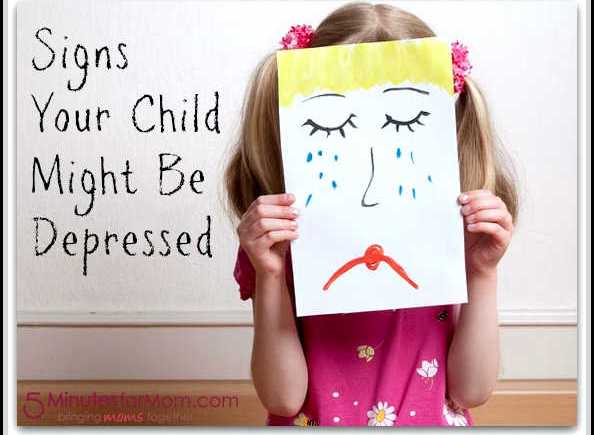
In children the most common mental health disorder is depression. When a child is going through depression it may affect their mental and physical health. As mentioned in a Psychology Today article the symptoms “must also interfere with the child’s functioning in normal daily activities.” Since children are still young they are not able to communicate their feelings well to others. Children with depression can be helped that’s why it is important for parents, caregivers and teachers to recognize the signs of depression. Some of the symptoms are:

  • Angry outburst
  • Anxiety
  • Decreased in energy
  • Feelings of hopelessness
  • Lack of concentration
  • Weight loss
  • Insomnia
  • Refusal to go to school

According to the National Alliance of Mental Health “Once a young person has experienced a major depression, he or she is at risk of developing another depression within the next five years.”

Sources:

https://www.psychologytoday.com/us/blog/alphabet-kids/201009/20-signs-and-symptoms-childhoodteen-depression

https://www.psychologytoday.com/us/blog/alphabet-kids/201009/depressing-news-about-childhood-and-adolescent-depression

Image:

https://www.anxietymedications.net/childhood-depression-symptoms-and-signs-to-diagnose-stress-on-kids/

If you are a parent and are concerned about your child having depression call the licensed psychologists, psychiatrists, psychiatric nurse practitioners, and psychotherapists at Arista Counseling & Psychotherapy can assist you. Contact our Paramus, NJ or Manhattan, NY offices respectively, at (201) 368-3700 or (212) 722-1920 to set up an appointment. For more information, visit http://www.counselingpsychotherapynjny.com/

Dementia: Early Signs

By Dara Kushnir

You may find it difficult determining whether you or someone you know is experiencing typical age-related changes or early symptoms of dementia. Dementia affects a person’s language and reasoning abilities, communication, and focus. Remembering where you last left your keys or forgetting an appointment once in a while does happen and does not necessarily mean you have dementia.

Being aware of early signs of dementia can help you figure out if you would need to schedule an appointment with a neurologist for further testing. A person may experience:

  1. Memory loss that disrupts daily life. Individuals with dementia may be able to remember an event twenty years ago, but have trouble remembering what they did earlier in the day or important dates. They repeatedly ask for the same information and begin to rely on electronic devices or family members for reminders. While those who are going through typical age-changes do forget things, they are later able to remember them or retrace their steps.
  2. Difficulty completing familiar tasks. As individuals with dementia get older, they occasionally need help with tasks such as working a microwave. Those with dementia often have difficulty with daily tasks such as driving to a familiar place or remembering how to do a favorite craft.
  3. Confusion with time and place. Individuals with dementia may not recognize landmarks or places that were familiar. Individuals in the later stages of dementia can understand what is happening currently, but not tomorrow or yesterday. Individuals with early stages of dementia may have difficulty remembering what day, date, or even year it is.
  4. Poor judgement. Everyone makes a bad decision once in a while. Those with dementia can experience changes in decision-making, which can lead to bad financial decisions such as spending an excessive amount of money on clothing or food. They may also pay less attention to hygiene.
  5. Changes in mood and personality. Individuals with dementia can become confused, suspicious, frustrated, or angry in situations where they are out of their comfort zone or even at familiar places, at home, or with friends. These changes go beyond feeling annoyed toward a disruption in routine.
  6. Problems with speaking or writing. Individuals may find it hard to follow conversations or storylines, struggle to find the right words, or even say the same thing in a short timespan.
  7. Withdrawal from work or social activities. Due to the changes individuals start to experience, they may withdraw themselves from social activities, work, or hobbies. They may find it difficult to remember how to interact in social settings or complete tasks.

Source:
https://homecareassistance.com/blog/5-early-signs-of-dementia-that-may-surprise-you
https://www.alz.org/alzheimers-dementia/10_signs
https://www.healthline.com/health/dementia/early-warning-signs
(image) https://www.jeffreysterlingmd.com/tag/dementia/

If you or someone you know appears to be suffering from dementia, please contact our psychotherapy offices in New York or New Jersey to talk to one of our licensed professional psychologists, psychiatrists, psychiatric nurse practitioners, or psychotherapists at Arista Counseling & Psychotherapy. Contact our Paramus, NJ or Manhattan, NY offices respectively, at (201) 368-3700 or (212) 722-1920 to set up an appointment. For more information, please visit http://www.counselingpsychotherapynjny.com/.

Suicide: Fighting Suicidal Thoughts

By: Sally Santos

If you are someone who is suffering with suicidal thoughts, you should be aware that most people that have attempted to commit suicide but did not succeed feel relieved that they did not succeed in ending their life. When things get tough sometimes your mind starts racing and you feel overwhelmed with emotions. Suicide doesn’t just happen on its own, it is led by many social risk factors some of them being:

  • Gender
  • Age
  • Marital status
  • Employment status
  • Lack of social support

Many people who have attempted to commit suicide will say that they were experiencing very intense feelings of hopelessness. They felt like they had lost control of their lives and that nothing is going to get better. But that is not true. In that moment it may feel hopeless but there are ways to help you feel better. You do not have to feel like you have to fight your battles alone. In order to steer away from those thoughts it is important to keep in mind a plan just in case your thoughts become too overwhelming. It is recommended to make a list of all the positive things that you have in your life such as:

  • Read a favorite book or listen to your favorite music
  • Write down positive things about yourself or the favorite aspects of your life
  • Try to get a goodnights sleep
  • Have a list of people you trust to call in case you want to talk

Always note that you can discuss how you have been feeling with a healthcare provider. They can provide you with the advice and help that you need in order to achieve a faster and healthy recovery. Lastly, as mentioned in an article in Psychology Today it’s important to “remember that you have not always felt this way and that you will not always feel this way”. The emotions and thoughts that you have now are temporary not permanent.

Article: https://www.psychologytoday.com/us/blog/hide-and-seek/201204/fighting-suicidal-thoughts

Image: https://www.teepublic.com/sticker/1813639-suicide-prevention-awareness-butterfly-ribbon

If you or someone you know is thinking about suicide, contact our psychotherapy offices in New York or New Jersey to talk to one of our licensed professional psychologists, psychiatrists, psychiatric nurse practitioners, and psychotherapists at Arista Counseling & Psychotherapy. Contact our Paramus, NJ or Manhattan, NY offices respectively, at (201) 368-3700 or (212) 722-1920 to set up an appointment. For more information, visit http://www.counselingpsychotherapynjny.com/.