Relapse Prevention: Substance Use Disorders

Relapse Prevention: Substance Use Disorders Relapse Prevention: Substance Use Disorders

By: Julia Keys

The road to recovery from substance abuse can be long and difficult. There may be many times when those recovering are tempted to just give up. However, there are many different strategies for when individuals are in a place where they feel ready to quit all the progress they made. Relapse is part of recovery, but it should be avoided and treated carefully.

Most people think that relapse starts when the addict starts using again, however relapse can start much earlier than that. There are three stages of relapse: emotional relapse, mental relapse and physical relapse.  Emotional relapse starts when one is thinking about using. Although they have made no real attempts at obtaining any substances, the thought of using is very tempting. During mental relapse one has decided to use again. Physical relapse is when you contact your dealer, obtain substances, or use substances.

When preventing relapse it is important to seek many different types of support. Studies show that those recovering who see therapists alongside any inpatient or outpatient detox programs have faster recovery rates than those who do not seek additional treatment. Therapists can help those in recovery come up with personalized strategies to prevent them from relapsing.

If you or a loved one is struggling with substance use or recovery from substance abuse, do not hesitate to seek help by contacting Arista Counseling & Psychotherapy, located in New York and New Jersey to speak to licensed professional psychologists, psychiatrists, psychiatric nurse practitioners or psychotherapists. To contact the office in Paramus NJ, call (201) 368-3700. To contact the office in Manhattan, call (212) 722-1920. For more information, please visit http://www.counselingpsychotherapynjny.com/ .

Sources:

https://www.psychologytoday.com/us/blog/where-science-meets-the-steps/201312/preventing-relapse-among-addicted-youth

https://www.addictionsandrecovery.org/relapse-prevention.htm

Source for Picture:

https://www.bing.com/images/search?view=detailV2&id=F86C5ECD05E0D6595A3D9A0588384D10CCA60F4B&thid=OIP.idNVRUm7p8tdl-M-0iQdzgHaE8&mediaurl=https%3A%2F%2Fwww.thenationalcouncil.org%2FBH365%2Ffiles%2F2017%2F09%2Froad-to-recovery.jpg&exph=334&expw=500&q=the+road+to+recovery&selectedindex=4&ajaxhist=0&vt=0&eim=1,2,6


Hoarding

Hoarding

By Lauren Hernandez

                Hoarding is a disorder characterized by the continuous inability to get rid of belongings that have no significant value. While Hollywood has made hoarding a spectacle for consumers, hoarding is a serious condition which threatens the safety and livelihood of many people around the world. People with hoarding disorder will accumulate random items they believe they have an emotional attachment to or because they think they might need the item in the future.

Typically hoarding begins in adolescence and the severity of the condition worsens over time. The cause is still unknown, however hoarding disorder can be prompted by experience of a traumatic event, if a family member has had the disorder, or if a person has difficulty making decisions. People who hoard may suffer from depression, anxiety, or obsessive compulsive disorder. If a hoarder continuously refuses to throw items away, their home will be covered in growing piles of random objects. This poses a serious threat to their health and to the health of the people around them. The clutter inside a home often deems the house unlivable, and there is a greater risk for falling and tripping over items. In addition, there is an increased risk of fires, and mold due to rotting food and other items that are wasting away. People who hoard also typically struggle with personal hygiene which can be associated with other mental illnesses such as depression and anxiety.

According to DSM-5, the following symptoms are diagnostic of hoarding disorder:

  • Persistent difficulty discarding or parting with possessions, regardless of their value or lack thereof
  • The difficulty in discarding possession is due to distress associated with getting rid of them
  • The difficulty in discarding possession leads to clutter of living spaces and compromises the use of living spaces
  • The hoarding creates clinically significant distress or impairment in functioning, including the ability to maintain a safe space

A person who hoards is unable to recognize that their hoarding activity is problematic and dangerous. If you or someone you know might have hoarding tendencies perhaps attempt to either clean the space, if it does not cause too much distress, or leave it. If attempting to clean causes too much distress, seek professional help. “The primary treatments used to relieve symptoms of hoarding disorder include cognitive-behavioral therapy and antidepressant medication, such as selective serotonin reuptake inhibitors (SSRIs). One or the other, or both, may be employed” (PsychologyToday).

If you or someone you know is engaging in hoarding activities, please contact our psychotherapy offices in New York or New Jersey to talk to one of our licensed professional psychologists, psychiatrists, psychiatric nurse practitioners, or psychotherapists at Arista Counseling & Psychotherapy. Contact our Paramus, NJ or Manhattan, NY offices respectively, at (201) 368-3700 or (212) 722-1920 to set up an appointment. For more information, please visit http://www.counselingpsychotherapynjny.com/ .


Sources: https://www.psychologytoday.com/us/conditions/hoarding-disorder

Image Source:

https://www.bing.com/images/search?view=detailV2&id=39261EB37504F116457B197FA206B36E38D082FD&thid=OIP._Fyir4F8p4hBOh6TS6Yy-QHaHa&mediaurl=http%3A%2F%2Fwww.choosehelp.com%2Ftopics%2Fanxiety%2Fcompulsive-hoarding%2Fimage&exph=1024&expw=1024&q=hoarding&selectedindex=31&ajaxhist=0&vt=0&eim=1,2,6

Sleep: The Different Stages of Sleep

Sleep: The Different Stages of Sleep

By Crystal Tsui

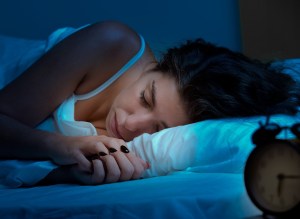
Have you ever wondered why at certain times of the night you tend to be more alert and other times you dream, unaware of your surroundings? That’s because there are different stages of sleep, more specifically five stages.

  • Stage 1
  • Stage 2
  • Stage 3
  • Stage 4
  • REM (rapid eye movement)

How do we determine what stage is what? Sleep researchers use an electroencephalogram (EEG), is a method used to monitor and record electric cortical brain activity, and other instruments to help determine the stages.

In Stage 1, researchers found that this cycle is the lightest sleep. On the EEG, the frequency is slower than when we are awake. Physically, our muscles relax and our breathing occurs at a regular rate.

In Stage 2, we are less likely to be awakened. Our heart rate and temperature decreases as our body is preparing to go into a deep sleep.

In Stage 3 and 4, we begin our deep sleep. It’s harder to be awakened because at this point our body becomes less responsive to outside stimuli. In these stages, our body starts to restore itself, stimulate growth and development, boosts immune function, and builds energy for the next day.

In REM, dreaming occurs, our eyes quickly jerk in different directions, heart rate and blood pressure increase, and our breathing become fast and shallow. This stage generally lasts up to an hour and begins about 90 mins after you initially fall asleep. This is an important stage because our brain starts to consolidate all the information we have learned during the day into our long-term memory.

In children, one cycle can last up to 50-60 mins and increases to 1-1.5 hours in adults. It is advised:

  • Babies (0 months – 11 months) get 14-18 hours
  • Toddlers (1-5 yrs) get 12-13 hours
  • Children (6-10 yrs) get 8.5- 11 hours
  • Pre-teens and teenagers (11-17) get 8-10 hours
  • Adults (18-65+) get 7-9 hours of sleep

If you or someone you know has trouble sleeping, please contact our psychotherapy offices in New York or New Jersey to talk to one of our licensed professional psychologists, psychiatrists, psychiatric nurse practitioners, or psychotherapists at Arista Counseling & Psychotherapy. Contact our Paramus, NJ or Manhattan, NY offices respectively, at (201) 368-3700 or (212) 722-1920 to set up an appointment. For more information, please visit http://www.counselingpsychotherapynjny.com/ .

Citation:

https://img.timesnownews.com/story/1535107553-sleep.PNG?d=600×450

https://www.sleepassociation.org/about-sleep/stages-of-sleep/

https://www.sleep.org/articles/what-happens-during-sleep/

Am I Too Sensitive?

Am I Too Sensitive

Am I Too Sensitive?

By Julia Keys

Has anyone ever said to you in passing, “you’re so sensitive”? Our society seems to shun sensitivity without truly understanding or appreciating it. Stereotypically, a “sensitive person” is portrayed as irrationally emotional or ready to cry at any moment. In reality, sensitivity is defined by psychologists as the amount someone reacts physically, emotionally, or mentally to external and internal stimuli. Researchers have actually coined a term for someone you may describe as “sensitive”: the Highly Sensitive Person (HSP).

Highly Sensitive People, (HSP), process their external and internal environments with more attention than typical people. About 20% of the population are estimated to be a HSP. Some evolutionary psychologists suggest that HSP evolved from people that needed to be hyper vigilant in their environments to survive. Nowadays, we do not need as much extra attention to survive, but HSP are still affected by their high level of sensitivity.

It is easy to think that HSP and introversion are interchangeable traits, however there are some key differences between the two that are important to understand. HSP are not always introverts, they may like being around other people, but certain social environments can be overwhelming to their senses. Also, introversion refers to one’s preference for spending time alone versus spending time with others while sensitivity is how one processes sensory input. Although some HSP are introverted, there are definitely a fair amount that are extroverted as well.

Signs of a Highly Sensitive Person

  • Easily overwhelmed by such things as bright lights, strong smells, coarse fabrics, or sirens nearby
  • Gets more anxious than typical people when there a lot to do in a short amount of time
  • Easily disturbed by violence or graphic images
  • Feels the need to withdraw during busy days, into bed or a darkened room or some other place where they can have relief from overstimulating environments
  • Makes it a high priority to arrange their life to avoid upsetting or overwhelming situations
  •  Notices or enjoys delicate or fine scents, tastes, sounds, or works of art
  • Has a rich and complex inner life
  • Was shy or sensitive as a small child

Being an HSP can sometimes cause distress. HSP can have feelings of anxiety or stress when they are in environments that are overstimulating. Certain environments that may be enjoyable for neurotypical people such as parties, outside markets, or concerts may present too much sensory input for an HSP to enjoy. As a result, some HSP may struggle with isolation or loneliness.

On the other hand, the Highly Sensitive Person can also benefit from their heightened sensitivities to stimuli. HSP tend to be observant and perceptive, picking up on small details that others would not. As a result, many HSP are highly creative and innovative. HSP are also naturally empathetic, making them sensitive to others’ emotions and needs. HSP that balance their attention between a healthy internal and external environment reach their highest potential.

If you or someone you know is struggling with the stress being a HSP may bring, and are seeking stress management, please contact our psychotherapy offices in New York or New Jersey to talk to one of our licensed professional psychologists, psychiatrists, psychiatric nurse practitioners, or psychotherapists at Arista Counseling & Psychotherapy. Contact our Paramus, NJ or Manhattan, NY offices respectively, at (201) 368-3700 or (212) 722-1920 to set up an appointment. For more information, please visit http://www.counselingpsychotherapynjny.com/ .

Sources:

https://www.psychologytoday.com/us/blog/live-life-creatively/201906/the-creative-power-the-highly-sensitive-person

https://hsperson.com/


Source for Picture:

https://www.google.com/search?q=ripple+in+a+lake&source=lnms&tbm=isch&sa=X&ved=0ahUKEwibsYD2ztDiAhXymOAKHRgYCNoQ_AUIECgB&biw=1280&bih=561#imgrc=q1KPhEKi3gC5dM:



Narcissism

Narcissism 

Narcissism

By: Julia Keys

It is common in today’s world to call someone who is very clean “OCD”, or someone who is very active “ADHD”, or someone who is overly confident a “narcissist”.  What many people do not know is that narcissism is not an adjective to describe someone’s personality, but a real psychiatric diagnosis. The DSM IV identifies narcissism as a personality disorder. Personality disorders are characterized by a set of rigid traits, thoughts, and behaviors that are unhealthy and inflexible. Narcissistic personality disorder or (NPD) is characterized by an overinflated sense of self, preoccupation with personal success, and apathy for other’s emotions.

Signs of narcissistic personality disorder:

  • Grandiose sense of self-importance
  • Preoccupation with fantasies of success, power, brilliance, beauty.
  • Belief that one is unusually special or unique
  • Need for excessive admiration
  • Strong sense of entitlement
  • Exploitative of others
  • Lacks empathy
  • Is often envious of others or believes that others are envious of them
  • Frequent display of arrogant or haughty behavior

Although people with NPD display an arrogant and larger-than-life picture to the outside world, they can also suffer from low self-esteem internally. The constant need for approval and obsession with success can be stressful because in reality, one will never gain approval from everyone and one will never achieve everything they want.  Trouble with interpersonal relationships often results from the exploitative and apathetic behaviors that people with NPD believe will help them achieve their goals.

People with NPD can look like the perfect partner upon first meeting. They are often charismatic and appear to be very put together. However, being in a relationship with a person with NPD can be complicated and stressful. People with NPD lie frequently to get what they want, which can cause a breach of trust in a serious relationship. People with NPD rarely apologize because they lack the empathy to understand the point of view of their partners. Additionally, people with NPD think that they are perfect and will dismiss others who have opinions contrary to theirs. Although people with NPD can be extremely difficult to live with, they can still be a loved one that you care about.

If you or someone you love has narcissistic personality disorder and is struggling with the symptoms, please contact our psychotherapy offices in New York or New Jersey to talk to one of our licensed professional psychologists, psychiatrists, psychiatric nurse practitioners, or psychotherapists at Arista Counseling & Psychotherapy. Contact our Paramus, NJ or Manhattan, NY offices respectively, at (201) 368-3700 or (212) 722-1920 to set up an appointment. For more information, please visit http://www.counselingpsychotherapynjny.com/ 

Sources:

https://psychcentral.com/disorders/narcissistic-personality-disorder/

https://www.psychologytoday.com/us/blog/mind-games/201905/five-narcissistic-traits-harm-intimate-partner

Source for Picture:

https://www.google.com/search?biw=1391&bih=654&tbm=isch&sa=1&ei=UenvXLaCJeWJggeP6ZHYAw&q=narcissus+myth&oq=narcissus+&gs_l=img.1.1.0j0i67l3j0j0i67l2j0j0i67l2.620.620..2327…0.0..0.69.69.1……0….1..gws-wiz-img.eaqpLt3PV-c#imgrc=fUnycKFz1Mb7jM:&spf=1559226710308

Childhood Trauma: Effects on Adult Wellbeing

Childhood Trauma: Effects on Adult Wellbeing

Childhood Trauma: Effects on Adult Wellbeing

By: Julia Keys

The child brain grows and makes connections at a rapid rate and is extremely emotionally sensitive. Unfortunately, children that experience some sort of major trauma such as emotional, physical, or sexual abuse, neglect, war, poverty, or unsafe living conditions can be greatly negatively impacted later on in life.

Children who have parents that are for some reason unwilling or unable to provide the love and care they need oftentimes blame themselves for the lack of parental attention. In response to this lack of care, children may start to act in ways in which they feel would help the parents love them more. As the child grows up, they can become detached from their own needs because they are so focused on the love they receive from others.

Another effect of childhood trauma is victimhood thinking. Although a child may have been helpless when they were raised, self-victimization does not help an adult in the long run because it robs them of the self-empowerment they need to change their lives in the ways they desire.

Children growing up in environments where anger is expressed violently may begin to learn that anger is dangerous and therefore should be avoided. However, suppressing emotional expression is unhealthy and can cause individuals to be passive aggressive, which is an ineffective way to communicate. The most damaging effect of childhood trauma can have on an adult is the development of psychological disorders such as depression, anxiety, or post-traumatic stress disorder.

If you or someone you love is struggling with the effects of childhood trauma, please contact our psychotherapy offices in New York or New Jersey to talk to one of our licensed professional psychologists, psychiatrists, psychiatric nurse practitioners, or psychotherapists at Arista Counseling and Psychotherapy. Contact our Paramus, NJ or Manhattan, NY offices respectively, at (201) 368-3700 or (212) 722-1920 to set up an appointment. For more information, please visit http://www.counselingpsychotherapynjny.com/. 

Why Is Sleep So Important?

Why is Sleep So Important?

By: Lauren Hernandez

            Sleep is one of the most important lifestyle choices besides nutrition and exercise. In order to gain the benefits of sleep, one must complete the 5 stages of the sleep/ rest cycle that occurs at night. It is essential that you strive to sleep the appropriate amount of hours necessary to maintaining a healthy lifestyle- physically and mentally.

These are the nightly sleep recommendations per age:

  • Infants four to 12 months should sleep 12 to 16 hours per 24 hours (including naps).
  • Children one to two years of age should sleep 11 to 14 hours (including naps).
  • Children three to five years of age should sleep 10 to 13 hours per 24 hours (including naps).
  • Children six to 12 years of age should sleep nine to 12 hours per 24 hours.
  • Teenagers 13 to 18 years of age should sleep eight to 10 hours per 24 hours

Lack of sleep causes negative mental and physical effects such as:

  • Weight gain
  • Likelihood of infections
  • Chronic diseases
  • Type-2 diabetes
  • Heart Disease
  • Increased chances of anxiety
  • Increased chances of depression
  • Forgetfulness

If you or someone you know has a sleep disorder, please contact our psychotherapy offices in New York or New Jersey to talk to one of our licensed professional psychologists, psychiatrists, psychiatric nurse practitioners, or psychotherapists at Arista Counseling & Psychotherapy. Contact our Paramus, NJ or Manhattan, NY offices respectively, at (201) 368-3700 or (212) 722-1920 to set up an appointment. For more information, please visit http://www.counselingpsychotherapynjny.com/ .


Sources:

https://www.psychologytoday.com/us/blog/the-athletes-way/201606/how-much-sleep-is-required-optimal-health-age-matters


https://www.psychologytoday.com/us/blog/the-resilient-brain/201704/restorative-sleep-is-vital-brain-health


Image Source:

https://www.bing.com/images/search?view=detailV2&id=1F061362E6736BEE768453D8F06FC5E18FE558C8&thid=OIP.cd4G3Nnr5OOPsYw1086naQHaFb&mediaurl=http%3A%2F%2Fs3.amazonaws.com%2Fetntmedia%2Fmedia%2Fimages%2Fext%2F930991728%2Fwoman-sleeping.jpg&exph=750&expw=1024&q=sleep&selectedindex=12&ajaxhist=0&vt=0&eim=1,2,6


Depression and Logotherapy

Depression and Logotherapy

Depression and Logotherapy

By: Julia Keys

The struggle to find the meaning of life is a classic human dilemma. One may be content with their every day activities such as going to work, spending time at home, or eating, but they might still wonder “what is my real purpose?”.  People with psychological disorders such as depression, anxiety, post-traumatic stress disorder, and substance and alcohol abuse disorders are especially prone to being plagued with this kind of existential anxiety. A study by Alimujiang, et al. (2019) found that a sense of purpose greatly improves one’s physical, mental, and emotional health as well as overall life satisfaction. There is a specific type of psychotherapy called logotherapy (logo being derived from the Greek word for meaning), that is designed to help individuals find their true purpose in life.

Logotherapy was developed by a psychologist named Victor Frankl in the 1950s. Frankl drew upon his experiences during the Holocaust to develop logotherapy. Frankl was one of the millions of people that suffered the horrors of concentration camps. While imprisoned, Frankl noticed that those who mentally and physically survived the camp, usually found meaning in their lives there. After the camps were liberated, Frankl resumed his work with neurology and psychology and subsequently developed logotherapy.

There are three main principles of logotherapy:

  • every person has a healthy core
  • internal resources are more helpful in therapy than external resources
  • while life offers you meaning or purpose, it is one’s responsibility to explore that meaning to become happy or fulfilled

Frankl suggests that there are three main ways to reap the benefits of life:

  • by creating a work or accomplishing some task
  • by experiencing something fully or loving someone fully
  • by adopting an attitude that is at peace with the unavoidable suffering life may present

Logotherapy is used to treat depression, anxiety, post-traumatic stress disorder, and substance and alcohol abuse. Logotherapy is a great choice for patients that want to find their own personal meaning of life. Focusing on one’s purpose in life can help people live their most fulfilling and happy lives.

If you or someone you know is struggling to find a meaning in life or is suffering from anxiety, PTSD, depression or substance or alcohol abuse issues, please contact our psychotherapy offices in New York or New Jersey to talk to one of our licensed professional psychologists, psychiatrists, psychiatric nurse practitioners, or psychotherapists at Arista Counseling & Psychotherapy. Contact our Paramus, NJ or Manhattan, NY offices respectively, at (201) 368-3700 or (212) 722-1920 to set up an appointment. For more information, please visit http://www.counselingpsychotherapynjny.com/ .


Sources:

https://www.goodtherapy.org/learn-about-therapy/types/logotherapy

https://www.psychologytoday.com/us/blog/flourish-and-thrive/201906/the-importance-having-sense-purpose

Source for Picture:

https://www.google.com/search?biw=1280&bih=610&tbm=isch&sa=1&ei=WcD3XMGcCaixggfh9LPQDQ&q=person+standing+under+the+milky+way&oq=person+standing+under+the+milky+way&gs_l=img.3…54323.63817..64673…6.0..0.99.2982.39……0….1..gws-wiz-img…….35i39j0j0i67j0i8i30j0i30.wKMqUIxiiq8#imgdii=qz4eZgN11zBgHM:&imgrc=QRGiH9Pd8HzBrM:

Am I Too Sensitive?

Am I Too Sensitive? 

Am I Too Sensitive?

By: Julia Keys

Has anyone ever said to you in passing, “you’re so sensitive”? Our society seems to shun sensitivity without truly understanding or appreciating it. Stereotypically, a “sensitive person” is portrayed as irrationally emotional or ready to cry at any moment. In reality, sensitivity is defined by psychologists as the amount someone reacts physically, emotionally, or mentally to external and internal stimuli. Researchers have actually coined a term for someone you may describe as “sensitive”: the Highly Sensitive Person (HSP).

Highly Sensitive People, (HSP), process their external and internal environments with more attention than typical people. About 20% of the population are estimated to be an HSP. Some evolutionary psychologists suggest that HSP evolved from people that needed to be hyper vigilant in their environments to survive. Nowadays, we do not need as much extra attention to survive, but HSP are still affected by their high level of sensitivity.

It is easy to think that HSP and introversion are interchangeable traits, however there are some key differences between the two that are important to understand. HSP are not always introverts, they may like being around other people, but certain social environments can be overwhelming to their senses. Also, introversion refers to one’s preference for spending time alone versus spending time with others while sensitivity is how one processes sensory input. Although some HSP are introverted, there are definitely a fair amount that are extroverted as well.

Signs of a Highly Sensitive Person

  • Easily overwhelmed by such things as bright lights, strong smells, coarse fabrics, or sirens nearby
  • Gets more anxious than typical people when there a lot to do in a short amount of time
  • Easily disturbed by violence or graphic images
  • Feels the need to withdraw during busy days, into bed or a darkened room or some other place where they can have relief from overstimulating environments
  • Makes it a high priority to arrange their life to avoid upsetting or overwhelming situations
  •  Notices or enjoys delicate or fine scents, tastes, sounds, or works of art
  • Has a rich and complex inner life
  • Was shy or sensitive as a small child

Being an HSP can sometimes cause distress. HSP can have feelings of anxiety or stress when they are in environments that are overstimulating. Certain environments that may be enjoyable for neurotypical people such as parties, outside markets, or concerts may present too much sensory input for an HSP to enjoy. As a result, some HSP may struggle with isolation or loneliness.

On the other hand, the Highly Sensitive Person can also benefit from their heightened sensitivities to stimuli. HSP tend to be observant and perceptive, picking up on small details that others would not. As a result, many HSP are highly creative and innovative. HSP are also naturally empathetic, making them sensitive to others’ emotions and needs. HSP that balance their attention between a healthy internal and external environment reach their highest potential.

If you or someone you know is struggling with the stress being a HSP may bring, and are seeking stress management, please contact our psychotherapy offices in New York or New Jersey to talk to one of our licensed professional psychologists, psychiatrists, psychiatric nurse practitioners, or psychotherapists at Arista Counseling & Psychotherapy. Contact our Paramus, NJ or Manhattan, NY offices respectively, at (201) 368-3700 or (212) 722-1920 to set up an appointment. For more information, please visit http://www.counselingpsychotherapynjny.com/ .


Sources:

https://www.psychologytoday.com/us/blog/live-life-creatively/201906/the-creative-power-the-highly-sensitive-person

https://hsperson.com/

Source for Picture:

https://www.google.com/search?q=ripple+in+a+lake&source=lnms&tbm=isch&sa=X&ved=0ahUKEwibsYD2ztDiAhXymOAKHRgYCNoQ_AUIECgB&biw=1280&bih=561#imgrc=q1KPhEKi3gC5dM:

Stress: Types of Stress and What it’s All About

Stress: Types of Stress and What it’s All About

By Crystal Tsui

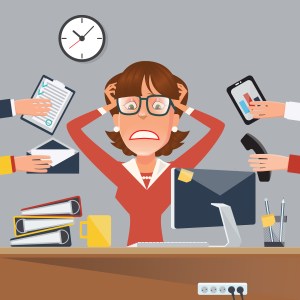
In our everyday lives, we deal with all different kinds of stress, whether it’s from danger, work, family, financial, or education. Here are some of the different types of stress:

  • Acute
  • Chronic
  • Eustress
  • Distress

Acute stress is our fight-or flight response where we are on high alert on our surroundings, usually lasting only 90 mins. Chronic stress is our daily stress that we typically deal with, such as bills, kids, and work. This is the kind of daily stress we tend to ignore. Eustress is our daily positive stress that motivates us to be productive such as having a baby, graduation, or meeting new friends. But the complete opposite would be distress. Distress is the daily negative stress like financial problems, work difficulties, or divorce. Most of the time we can manage our stress by exercising, mediating, or even taking time to talk to family and friends.

However, if stress is not managed properly, stress can affect your body and your immune system. Some symptoms of prolonged stress include:

  • Headaches
  • Increase likelihood of depression (such as lack of motivation)
  • Insomnia
  • Anxiety
  • Irritability

Some biological symptoms of prolonged stress include:

  • Hypertension
  • Increased risk of Diabetes Mellitus Type II
  • Increased changes in acid reflux
  • Increases risk of contracting H. Pylori (bacterium that causes gastric ulcers)
  • Erectile Dysfunction or heavier, painful menses
  • Decrease body’s response to fight off viruses, infections, and the common cold

If you or someone you know is suffering from chronic stress and are seeking stress management, please contact our psychotherapy offices in New York or New Jersey to talk to one of our licensed professional psychologists, psychiatrists, psychiatric nurse practitioners, or psychotherapists at Arista Counseling & Psychotherapy. Contact our Paramus, NJ or Manhattan, NY offices respectively, at (201) 368-3700 or (212) 722-1920 to set up an appointment. For more information, please visit http://www.counselingpsychotherapynjny.com/ .

Citations:

https://imagesvc.timeincapp.com/v3/mm/image?url=https%3A%2F%2Ftimedotcom.files.wordpress.com%2F2018%2F11%2Fstress-benefits.jpg&w=663&c=sc&poi=face&q=85

https://thehealthedge.com/wp-content/uploads/2019/02/Managing-Work-Related-Stress.jpg

https://www.stress.org/daily-life