Body Image: The Negative Effects of Zoom

By: Lauren Zoneraich

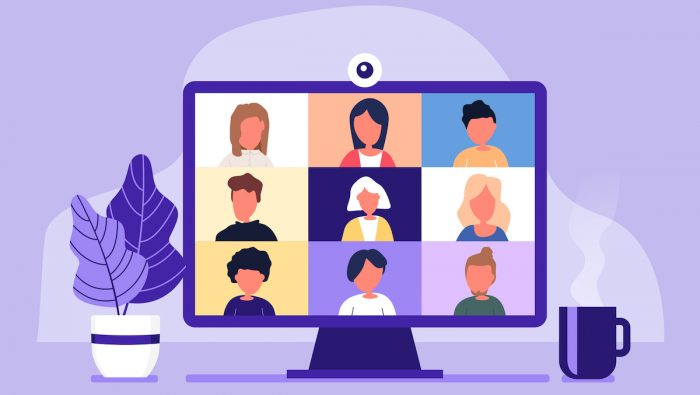
Due to the transfer of meetings, classes, and other events from in-person to Zoom, people are experiencing an increase in self-consciousness from looking at their faces on a screen. In normal interactions, we do not need to confront our own image, but on Zoom we constantly face it. During Zoom meetings, it may be difficult to avoid focusing on how we look when we listen, talk, and emote. Continually staring at our own image can bring our insecurities to the forefront of our minds. In fact, our perception of our image may become distorted the longer we look at ourselves.

Zoom meetings may be especially difficult for people who already struggle with body dissatisfaction, or its more severe form, body dysmorphia. Body dysmorphic disorder is a preoccupation with one’s appearance, especially minor aspects of appearance which one perceives as a defect or flaw. People with body dysmorphia may have low self-esteem and believe that the perceived defect in their appearance makes them ugly or deformed. The preoccupation with the perceived flaw may cause anxiety in social situations. People with body dysmorphia may frequently check their image or groom themselves as a means to “fix” their perceived flaws. Features on technology, such as the “selfie camera” on the iPhone, serve as mirrors that enable people to repetitively perform these checking behaviors. The selfie camera also promotes preoccupation with one’s appearance. The Zoom screen is a permanent, overstimulating mirror.

A survey of a class at Cornell University revealed that the main reason students do not keep their cameras on during Zoom classes is due to insecurities about how they look. Zoom has implemented some features to combat these body image issues. Users can choose to “Hide Self View” so that they cannot see their own image on the Zoom call. Still, although they cannot see themselves, people may still worry about how others see them. If one is constantly staring at oneself or worrying about how one looks, one may not be able to focus on the content of the meeting.  Mind-wandering may decrease the level of happiness one feels while participating in a certain activity. Thus, eliminating distractions may make classes and meetings more enjoyable for participants.

If you or someone you know is struggling with body image or body dysmorphia, please contact our psychotherapy offices in New York or New Jersey to talk to one of our licensed professional psychologists, psychiatrists, psychiatric nurse practitioners, or psychotherapists at Arista Counseling & Psychotherapy. Contact our Paramus, NJ or Manhattan, NY offices respectively, at (201) 368-3700 or (212) 722-1920 to set up an appointment. For more information, please visit http://www.counselingpsychotherapynjny.com/

Sources:

Zoom Classes Heighten Self-Consciousness, Introducing New Classroom Distraction

https://www.vogue.com/article/body-dysmorphia-zoom-face

https://www.mayoclinic.org/diseases-conditions/body-dysmorphic-disorder/symptoms-causes/syc-20353938#:~:text=Body%20dysmorphic%20disorder%20is%20a,may%20avoid%20many%20social%20situations.

https://greatergood.berkeley.edu/article/item/does_mind_wandering_make_you_unhappy

Image Source:

https://www.pcmag.com/how-to/how-to-prevent-zoom-bombing

Social Media and Attention Span

By Katie Weinstein

People have spent increasingly more time on social media throughout the years which has led to shorter and shorter attention spans. This is because of click bait material and multitasking.

Social media is designed to grab people’s attention and get people to their next click so that people stay online for longer. Instead of publishing detailed, meaningful articles, people are now publishing more sensational, controversial pieces to get people to click. Because the material is very loud and polarizing, people have an urge to switch to new material, so new information is constantly competing for attention, reducing our attention span. This can be addictive in nature and teaches people to focus on engaging material for a short period of time and stay on social media for a long period of time. 

Additionally, social media is something that is commonly used while completing another task. When a person is multitasking, attention span is reduced. The effects are especially detrimental for younger people who are more susceptible to developing bad habits. The average attention span in 2000 was 12 seconds and is now 8 seconds, which is 1 second shorter than the attention span of a goldfish! This is because it takes greater cognitive effort to switch between tasks than it does to maintain the same level of concentration on one task. Research has also shown that episodic memory can be significantly reduced when multitasking. 

Some ways to prevent declining attention spans are:

  • Implementing a “no phone at dinner” rule
  • Complete one task at a time 
  • Put your phone away while working 

If you or someone you know is struggling with attention span, please contact our psychotherapy offices in New York or New Jersey to talk to one of our licensed professional psychologists, psychiatrists, psychiatric nurse practitioners, or psychotherapists at Arista Counseling & Psychotherapy. Contact our Paramus, NJ or Manhattan, NY offices respectively, at (201) 368-3700 or (212) 722-1920 to set up an appointment. For more information, please visit http://www.counselingpsychotherapynjny.com/

Sources 

https://www.psychologytoday.com/us/blog/culture-shrink/201812/is-social-media-destroying-our-attention-spans

http://global.chinadaily.com.cn/a/202101/22/WS600a2710a31024ad0baa4577.html#:~:text=The%20explosion%20of%20social%20media,just%208%20seconds%20in%202013.

https://muckrack.com/blog/2020/07/14/how-declining-attention-spans-impact-your-social-media

Eating Disorders: Prevalence in College Students

Anyone can develop an eating disorder, no matter their gender, sexuality, age, or economic status. However, recent studies have shown a surge in occurrences of eating disorders among college students for both men and women. A 2011 study showed that occurrences of eating disorders specifically on college campuses increased from 7.9% to 25% in men, and 23.4% to 32.6% in women over the course of a 13 year period. While there are approximately 30 million people who struggle with an eating disorder at some point in their life, why is it so prevalent among college students?

When entering college, young adults are suddenly being faced with multiple issues that they have never had to face before. They have a new schedule, intense workloads, stress about making friends and getting good grades, as well as a new sense of freedom that they have probably never had until that moment. College life for most students is typically drastically less structured than life at home. In addition to these factors, most public media pushes a thin or slim ideal body type. Typical eating habits of college students also make it difficult for someone with an eating disorder to eat normally. Poor cafeteria food or access to lots of junk food makes it hard for students to maintain normal eating habits. Often times, the new stressors of college will re-surface pre-existing mental illnesses, or even cause new ones to emerge. When all of these factors combine with anxiety and self-esteem issues, it is highly likely that an individual will develop an unhealthy obsession with eating and body weight in an attempt to feel control in a stressful environment.

When someone is diagnosed with an eating disorder, it is important that their family and loved ones support them during this time. Eating disorders are dangerous and deadly; but there are ways to recover. There are specialized treatment centers for eating disorders, as well as the hotline at the National Eating Disorders Association (https://www.nationaleatingdisorders.org/help-support/contact-helpline). If someone is developing an eating disorder, it is very beneficial for them to seek therapy as soon as possible.

If you or someone you know is struggling with an eating disorder or disordered eating, please contact our psychotherapy offices in New York or New Jersey to talk to one of our licensed professional psychologists, psychiatrists, psychiatric nurse practitioners, or psychotherapists at Arista Counseling & Psychotherapy. Contact our Paramus, NJ or Manhattan, NY offices respectively, at (201) 368-3700 or (212) 722-1920 to set up an appointment. For more information, please visit http://www.counselingpsychotherapynjny.com/

Sources:

https://www.tandfonline.com/doi/abs/10.1080/10640266.2011.584805

https://www.healthline.com/health-news/eating-disorders-on-college-campuses-are-on-the-rise#Eating-disorders-on-the-rise

National Eating Disorders Association

Image Source: https://www.houstonpublicmedia.org/articles/news/health-science/coronavirus/2020/12/17/387599/for-those-with-eating-disorders-holidays-in-a-pandemic-can-create-extra-anxiety/

Anxiety: Drinking Large Quantities of Alcohol Can Increase Anxiety

By: Lauren Zoneraich

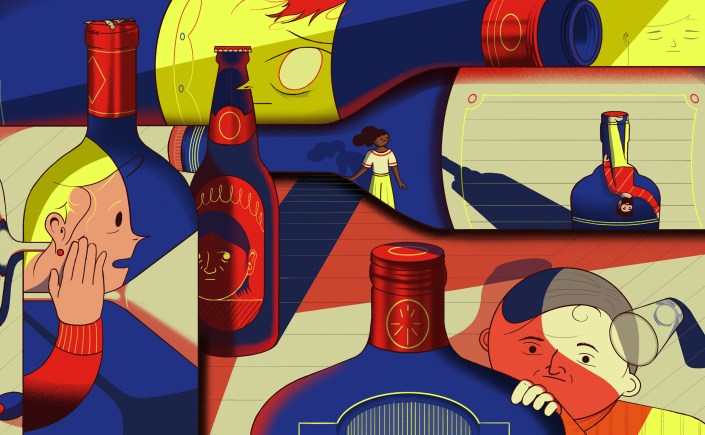
Binge-drinking dominates many young social scenes, especially those of high school students, college students, and young adults. Besides harming the liver, binge-drinking has negative effects on one’s mental state. What seems like a harmless night of fun can cause increased feelings of anxiety the next day, especially for individuals who already struggle with an anxiety disorder. Anxiety is an emotional state defined by feelings of unease, stress, and nervousness. Anxiety is also characterized by worried thoughts and changes in physiological states, such as increased heart rate. People with anxiety disorders experience anxiety regularly for prolonged periods or short, intense periods. These periods are characterized by repetitive, obsessive, or intrusive thoughts; panic attacks; and physiological symptoms such as sweating and increased blood pressure. Heavy drinking can induce feelings of anxiety and heighten pre-existing anxiety, especially the next day when the effects of alcohol have worn off.

Alcohol is a depressant and a sedative. It alters the balance of neurotransmitters in the brain, such as serotonin. When the body metabolizes alcohol, the brain’s neurotransmitter levels readjust, and this change may cause one to feel anxious. Also, the physical symptoms of a hangover, such as headache, dehydration, and dizziness, may increase anxiety. Mental and emotional states are linked to physical states, so if one is not feeling well physically, one’s mental state may also worsen. Additionally, people with social anxiety may feel anxious about their actions or words from the night before, as alcohol lowers one’s inhibitions. They may worry that they said something they would not have said in a sober state, which can cause anxiety.

If you find that heavy drinking causes you to feel anxious or increases your anxiety, it may be best to adjust your drinking behavior.

If you or someone you know is struggling with anxiety or alcohol abuse, please contact our psychotherapy offices in New York or New Jersey to talk to one of our licensed professional psychologists, psychiatrists, psychiatric nurse practitioners, or psychotherapists at Arista Counseling & Psychotherapy. Contact our Paramus, NJ or Manhattan, NY offices respectively, at (201) 368-3700 or (212) 722-1920 to set up an appointment. For more information, please visit http://www.counselingpsychotherapynjny.com/

Sources:

https://www.apa.org/topics/anxiety

https://www.drinkaware.co.uk/facts/health-effects-of-alcohol/mental-health/alcohol-and-anxiety

https://www.healthline.com/health/alcohol-and-anxiety#consequences

Image Source:

https://www.cnet.com/a/img/Jh55LlQZsT04K-qgcvoBsQes-ZU=/1200×675/2020/07/21/6094c226-5b00-49c8-a802-e0f36614255d/gettyimages-1193256860.jpg

Low Self-Esteem: Dating Apps Can Decrease One’s Self-Confidence

By: Lauren Zoneraich

With the advent and prolonged continuation of the COVID-19 pandemic, many young adults have turned to dating apps as a way to connect with potential romantic partners, speak to new people, and entertain themselves. The most popular dating apps among young adults are Tinder, Bumble, Hinge, and Grindr, which are visually-based dating apps. Instead of text-heavy profiles, like those seen on Match.com, users swiftly accept or reject others based on their profile photographs, which dominate the page display. How does the visually-based nature of dating apps affect the self-esteem of dating app users?

One’s physical appearance and self-esteem are strongly linked. Self-esteem is defined as the self-evaluation a person holds regarding their worth, success, and capabilities. In a survey-based study of young adults, researchers determined that the visual nature of Tinder could raise or lower the self-esteem of users. Users who matched with a lot of attractive users and received many messages experienced an ego boost. Contrarily, many participants reported that the visual nature of the Tinder made them feel more self-conscious about their appearance. Users felt a decrease in self-esteem when they did not match with a lot of people or when they only received messages from unattractive matches. Many participants reported “swiping left on” (rejecting) users who they anticipated would not “swipe right on” (accept) them, or swiping left on users they liked to avoid the possibility of being rejected and experiencing a decrease in self-confidence. These reports highlight how Tinder can trigger negative assessments of the self even before a user is rejected, and of course, decrease a user’s self-confidence after rejection.

Online dating apps are not meant for everyone. If you find that apps such as Tinder are lowering your self-esteem, it may be best to delete these apps and meet partners through other avenues.

If you or someone you know is struggling with low self-esteem, please contact our psychotherapy offices in New York or New Jersey to talk to one of our licensed professional psychologists, psychiatrists, psychiatric nurse practitioners, or psychotherapists at Arista Counseling & Psychotherapy. Contact our Paramus, NJ or Manhattan, NY offices respectively, at (201) 368-3700 or (212) 722-1920 to set up an appointment. For more information, please visit http://www.counselingpsychotherapynjny.com/

Reference:
Kallis, R. (2021). Creating a future relationship or destroying my self-esteem? An exploratory study on dating app experiences and well-being. Journal of Communication Technology, 4(1), 78-100. https://doi.org/10.51548/joctec-2021-005

Image Source:

https://www.theverge.com/2016/1/11/10749670/tinder-secretly-ranks-users-desirability

The Impact of Online Support Groups: Addiction during a Pandemic

By Charlotte Arehart

With research showing that the rates of substance abuse are increasing during the COVID-19 pandemic, it is more important than ever for those who are struggling to seek help. Typically, support groups are a great way for those who suffer from substance abuse disorder to seek help. However, with CDC regulations as well as individuals’ anxieties about catching COVID-19, it is difficult for addicts to find support groups. Research has even shown that individuals struggling with substance abuse disorder are at higher risk of contracting the Corona virus than those who do not suffer. Face-to-face interactions are not always possible during the pandemic, especially not in large groups. This has resulted in the dawn of online support groups. The idea is that individuals can get the support that they need in a safe social environment online, perhaps over Zoom, without risking contracting COVID-19. But just like any other major change, online support groups come with its side-effects, whether they be positive or negative.

Online support groups definitely have some benefits for individuals who attend. Some of these include:

  1. Attendees continue to receive support during pandemic
  2. Meet new people from across the country
  3. Protection from the virus
  4. Discuss issues openly and honestly

While all of these effects seem great at first, there are certainly some negative aspects of attending support groups online, including:

  1. Online meetings are not as effective as in-person meetings
  2. Lack of conversation
  3. Lack of connectivity (not all areas have access to Wi-Fi!)
  4. Low engagement levels

Ultimately, it is difficult to say whether or not online support groups are outright a good or a bad thing. It ultimately comes down to an individual’s preference. Luckily, with infection rates declining in the United States and social regulations beginning to ease, in-person support groups are likely to begin meeting again soon, if they have not already!

If you or someone you know needs substance abuse support throughout the pandemic, please contact our psychotherapy offices in New York or New Jersey to talk to one of our licensed professional psychologists, psychiatrists, psychiatric nurse practitioners, or psychotherapists at Arista Counseling & Psychotherapy. Contact our Paramus, NJ or Manhattan, NY offices respectively, at (201) 368-3700 or (212) 722-1920 to set up an appointment. For more information, please visit http://www.counselingpsychotherapynjny.com/

Sources:

https://www.apadivisions.org/division-49/publications/newsletter/group-psychologist/2021/03/virtual-group-benefits

Image Source: https://www.beyondmybattle.org/support-groups

PTSD- Police Officers

By: Devorah Weinberg

Post-Traumatic Stress Disorder (PTSD) is a disorder in which a person has difficulty recovering from a traumatic event. Symptoms include: reliving the trauma, avoiding situations that trigger memories of the event, insomnia, and difficulty focusing. Those suffering from PTSD may experience nightmares and severe anxiety as well. They may have difficulties with relationships and feel hopeless about the future.

Being a police officer is extremely stressful. On average, a police officer will witness three traumatic events per every six months in service. Up to 35% of officers suffer from PTSD. Unfortunately, they tend to suffer from cumulative PTSD. This form of PTSD builds up over time, due to repeated exposure to traumatic events. Cumulative PTSD often goes untreated due to the difficulty of detection, since it slowly builds up. In addition, many police officers are afraid to seek treatment because they don’t want to be perceived as being weak by their peers.

 If the PTSD remains untreated, it may lead to substance abuse, aggression, or even suicide.

If you or someone you know is struggling with Post- Traumatic Stress Disorder, please contact our psychotherapy offices in New York or New Jersey to talk to one of our licensed professional psychologists, psychiatrists, psychiatric nurse practitioners, or psychotherapists at Arista Counseling & Psychotherapy. Contact our Paramus, NJ or Manhattan, NY offices respectively, at (201) 368-3700 or (212) 722-1920 to set up an appointment. For more information, please visit http://www.counselingpsychotherapynjny.com/

Sources:

https://www.police1.com/health-fitness/articles/police-officers-face-cumulative-ptsd-tgd6zLqtGwdG3wg2/

https://nationalpolicesupportfund.com/police-officers-experience-high-rates-of-pt

Image Source:

https://www.wnycstudios.org/podcasts/takeaway/segments/police-and-ptsd

Increased Drug and Alcohol Use during the Stay at Home Order

By Eleanor Kim

The Coronavirus pandemic has left the whole world isolated with very little to do aside from school or work. As the stay at home orders continue, individuals have been forced to find other means of coping or simply passing the time. Some individuals have found coping mechanisms that have ignited newfound purpose during such bleak times; however, others have embarked on less than beneficial pastimes, turning to drugs and alcohol as a means of “getting through” the pandemic. Cases of substance use disorder, or SUD, have skyrocketed since the official declaration of the COVID-19 pandemic with cases of patients who have experienced overdoses and other complications related to substance abuse increasing as well. In a recent survey conducted by the Center for Disease Control and Prevention, 13.3% of respondents stated that they have either started or increased substance use in order to cope with the stress and emotions caused by COVID-19 and the subsequent national emergency. With the world in such an unstable and worrisome state, it is not surprising to see individuals seek comfort in any way that they can, especially as those individuals face new and or preexisting stressors and anxieties through isolation.

As the pandemic continues, the surging mental health and substance abuse epidemics have shown to go hand in hand with one another. In fact, throughout the pandemic, there has been a 62% increase in worry, a 51% increase in sadness, a 51% increase in fear, and a 42% increase in loneliness. It was also revealed that within the past year, there has been a 32% increase for non-prescribed fentanyl, a 20% increase for methamphetamine, a 12.5% increase for heroine, a 10% increase for cocaine, as well as an 18% increase in suspected drug overdoses. These increases have not gone unnoticed. Those that already struggled with substance abuse or other mental health disorders have found stay at home orders increasingly difficult given the limited access to their usual treatment and support groups. Those who wish to begin receiving professional help with their substance use have had harder times finding adequate care given the decrease in in- and out-patient support and treatment over the past year. These limitations have fed into the increases in mental health struggles and SUD cases, leaving those who have been affected feeling desperate and out of control.

Substance abuse is not the answer to these difficult and isolating times. There is still hope for those who wish to seek other, more benevolent means of coping with the pandemic and for those who wish to begin treatment for their substance use disorder. Telehealth is one way that individuals with SUD, or other destructive coping mechanisms, can begin receiving professional help and therapy. Counselors and therapists are available to talk with you or anyone you know who may be dealing with substance use disorders during this time.

If you or someone you know is struggling with substance abuse, please contact our psychotherapy offices in New York or New Jersey to talk to one of our licensed professional psychologists, psychiatrists, psychiatric nurse practitioners, or psychotherapists at Arista Counseling & Psychotherapy. Contact our Paramus, NJ or Manhattan, NY offices respectively, at (201) 368-3700 or (212) 722-1920 to set up an appointment. For more information, please visit http://www.counselingpsychotherapynjny.com/.

Resources:

https://www.drugabuse.gov/about-nida/noras-blog/2020/09/addressing-unique-challenges-covid-19-people-in-recovery

https://www.ncbi.nlm.nih.gov/pmc/articles/PMC7219362/

https://www.ehstoday.com/covid19/article/21139889/drug-abuse-on-the-rise-because-of-the-coronavirus

https://www.cdc.gov/mmwr/volumes/69/wr/mm6932a1.htm

Image Source:

https://www.nbcnews.com/feature/nbc-out/covid-crisis-exacerbating-lgbtq-alcohol-abuse-studies-find-n1257008

Covid Vaccine and Mental Illness

By Veronica Oquendo

The Covid-19 vaccine is becoming eligible for those who are in need of it most, which include people that are elderly, have immunity deficiencies, and respiratory complications. There are sound concerns for those with severe mental illness that are in need of the vaccine, but they are not being prioritized. One reason for this is that individuals with severe mental illness are people from a disadvantaged group based on both medical and socioeconomic risk factors. These individuals are more likely to have health comorbidities like cardiovascular diseases, chronic obstructive pulmonary disease (COPD), diabetes, chronic kidney disease, immunodeficiency, and cancer. Moreover, the mortality rate for those with severe mental illness is three to four times higher than for those who do not have mental illness. They are more likely to be smokers, or be obese, which both are associated with a higher risk of death when infected with Covid-19. Additionally, they are more likely to work in unsafe environments, live in overcrowded areas, or be homeless, which are all associated with an increased chance of getting Covid-19. For all these reasons, individuals with mental illness are at higher risk to contract and ultimately fall fatal to Covid-19. Therefore should be ensured to be among those who are vaccinated early.

If you or someone you know is in the need of help with mental illness please contact our psychotherapy offices in New York or New Jersey arrange an appointment with one of our licensed psychologists, psychiatrists, psychiatric nurse practitioners, or psychotherapists at Arista Counseling & Psychotherapy. You can contact our Paramus, NJ or Manhattan, NY offices respectively, at (201)-368-3700 or (212) – 722-1920 to set up an appointment. For more information, please visit http://www.counselingpsychotherapynjny.com/.

Sources:

https://www.thelancet.com/journals/lanpsy/article/PIIS2215-0366(20)30564-2/fulltext

https://www.healthline.com/health-news/people-with-mental-health-conditions-are-at-high-risk-for-covid-19-so-why-arent-they-being-prioritized#Severe-mental-illness-increases-COVID-19-risks

Dreams & Nightmares

Dreams & Nightmares

By: Daniela Vargas

Dreams are images, ideas, emotions and sensations that occur in our minds while we sleep. Dreams happen during the REM stage, which stands for Rapid Eye Movement. This is the stage where our brain activity is the most active and resembles the state of being awake. Dreams can occur during other stages, but they are not as vivid and we usually don’t remember those dreams. Dreams can last from a couple of seconds to 20 – 30 minutes. On average people have 5 dreams; some can have up to 7.

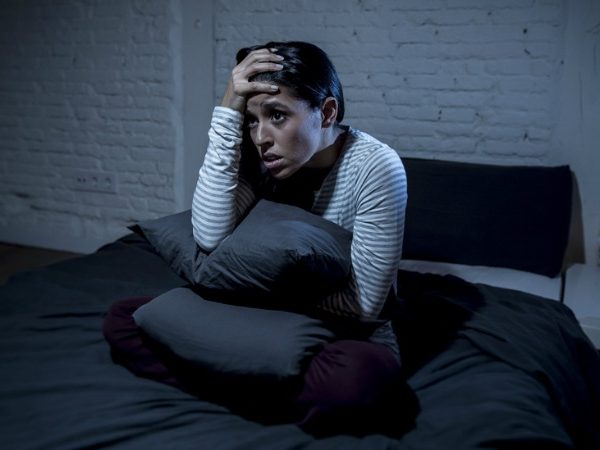
            Sometimes dreams turn into nightmares and those can lead to psychological distress. Nightmares can cause post-traumatic stress, anxiety disorder, dissociation and psychological changes. “Re-experiencing” is a common symptom of post-traumatic stress disorder, also known as flashbacks.

            These nightmares can get worse and lead to insomnia. Therapy can help your sleep schedule become regular; it can also help with post traumatic distress order.

If you or someone you know is in the need of help with destressing from dreams or nightmares please contact our psychotherapy offices in New York or New Jersey arrange an appointment with one of our licensed psychologists, psychiatrists, psychiatric nurse practitioners, or psychotherapists at Arista Counseling & Psychotherapy. You can contact our Paramus, NJ or Manhattan, NY offices respectively, at (201)-368-3700 or (212) – 722-1920 to set up an appointment. For more information, please visit http://www.counselingpsychotherapynjny.com/.

Sources: https://www.psychologytoday.com/us/basics/dreaming

https://www.sleepassociation.org/about-sleep/dreams/

Image: https://www.stockvault.net/blog/wp-content/uploads/2012/12/Nightmares-23.jpg