Depression; Treatment

Depression; Treatment

By: Samantha Montague

People with depression need treatment. There are several ways that people with depression can be helped, such as through psychotherapy, medicine, or both simultaneously.

Psychotherapy is speaking with a trained professional about your feelings in order to help manage your thoughts, feelings and behaviors that may be contributing to depression.

Medication is another option for treating depression. Antidepressant medications are used to increase activity of neurotransmitters, chemicals in the brain to relieve the symptoms of depression. These medications are not addictive, and are safe to use when prescribed by a doctor.

With both psychotherapy and medication, a trial and error process may be needed to determine what works best. However, when you find what works for you, treatment helps most depressed people feel better in a matter of weeks. Regardless of the extent to which it is working, in general any treatment is better than no treatment.

Overall, when you are feeling low for a long time, and your problems feel out of your control, remember there is help out there. You are not alone, and can ask for help. If you know someone who you think is depressed, encourage them to ask a responsible adult about treatment. If they don’t ask for help on their own, talk to someone you trust and respect. This is especially critical if there is mention of suicide. 

If you or someone you know is struggling with depression, please contact our psychotherapy offices in New York or New Jersey to talk to one of our licensed professional psychologists, psychiatrists, psychiatric nurse practitioners, or psychotherapists at Arista Counseling and Psychotherapy. Contact our Paramus, NJ, or Manhattan, NY offices respectively, at (201) – 368-3700 or (212)-722-1920 to set up an appointment. For more information, please visit https://www.counselingpsychotherapynjny.com/.

Reference: NIMH

Panic Attacks; Physical Symptoms & How to Manage them

Panic Attacks; Physical Symptoms & How to Manage Them

Panic Attacks: Physical Symptoms & How to Manage Them

By: Sydney White

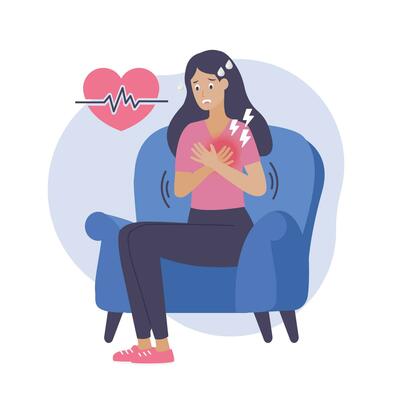
            Panic Attacks are your body’s natural response to fight or flight. They usually last only a few minutes, even though it feels much longer. This overwhelming bodily reaction can be triggered by a multitude of reasons caused by severe anxiety. Symptoms can manifest in various ways, depending on the individual. Psychological symptoms such as fear and dread persist throughout panic attacks and are usually accompanied by physical symptoms. Physical symptoms can include increased heart rate, shaking, sweating, lightheadedness, or shortness of breath. Some individuals experience multiple symptoms during panic attacks, and others will not experience them at all. During a panic attack, you will feel these intense symptoms, often enhancing the anxiety, intensifying the panic attack. This creates a constant cycle that becomes difficult to break.

            Breaking the cycle is key to taking control of your mind and body when you find yourself in one of these situations. Remember, you are in control, not the other way around. Erratic breathing is a prevalent symptom for most people who experience panic attacks. A common method is Box breathing, to regulate your breathing. There are many videos explanations online for further instructions, but in short, you begin by inhaling slowly through your nose for four seconds, hold your breath for four, exhale slowly through your mouth for four, and then hold your breath again for four. There are many different breathing techniques that are helpful in helping to calm your body down from a panic attack. Deep breathing is one of the fastest ways to come down from a state of fight-or-flight, but takes patience and practice to master. Some people struggle with breath practice and can benefit from other techniques such as muscle relaxation and methods of distraction. Muscle relaxation involves tensing and releasing specific muscle groups. It is suggested to start from your toes, working your way up to your head. Focusing your attention on tensing and releasing muscle groups converts your focus to your present and physical body. Another helpful method of distraction is the 5 senses. During this exercise, you will become conscious of what you hear, see, smell, touch, and taste. This method allows the individual to center their attention on their present self to reduce anxiety.

Test Anxiety: How to Relieve That Stress

Test Anxiety: How to Relieve That Stress

By: Maya Gallo

We all know exams can be nerve-wracking, especially when it comes to midterms and finals. Before we get a break, we have an overload of stress that can be overwhelming. You may ask yourself: “How can I be properly prepared for my exams while also staying calm?” Below is a list of tips to help you!

  1. Get organized: Take thorough notes. Make sure you have a calendar with all important dates coming up. Manage your time well so you know how much you can do each day.
  2. Game plan: Have a set time each day tucked away for studying. This way, you will feel better and more prepared for upcoming exams, even if you don’t have any assignments due.
  3. “Me” time: Take time out of your day to do something that you enjoy. Whether this be going for a walk, going to the gym, or listening to music, you deserve a break. You do not want all the studying to stress you out even more.
  4. Take care of your body: You come first. Make healthy choices, food is our fuel. Get plenty of sleep and listen to your body. It is the only one you have!
  5. Be creative: If you have friends in your class, consider calling them to see if they’d like to meet somewhere (like a coffee shop) and study together. Get creative with it, but have fun!

Hope this puts your mind at ease when it gets to that point in the semester. Be sure to use these tips to alleviate your stress. Good luck!

If you or someone you know is struggling with anxiety, please contact our psychotherapy offices in New York or New Jersey to talk to one of our licensed professional psychologists, psychiatrists, psychiatric nurse practitioners, or psychotherapists at Arista Counseling and Psychotherapy. Contact our Paramus, NJ, or Manhattan, NY offices respectively, at (201) – 368-3700 or (212)-722-1920 to set up an appointment. For more information, please visit https://www.counselingpsychotherapynjny.com/

References

Dealing with Exam Stress. (2025). Psychology Today. https://www.psychologytoday.com/us/blog/teen-angst/201405/dealing-exam-stress