Anxiety: Generalized Anxiety Disorder – Chronic Worry

Anxiety: Generalized Anxiety Disorder – Chronic Worry

By: Michelle Cocone

Do you ever find yourself worrying about everything all the time? You find that you can’t seem to find a way to let go, the worries always get in the way. If you are experiencing the following symptoms then you may have generalized anxiety disorder.

Generalized anxiety disorder is when you have immense worry and anxiety which affects your everyday life. Not to be confused with worrying because everyone worries about things or events occurring in their life. The difference is that one knows how to let it go or even worry about it for a bit and move on. For those experiencing generalized anxiety disorders, they don’t have a way of letting it go; it’s all they are constantly thinking about.

It may sound like:

What if I can’t get my laundry done? What if I can’t find a job? Will I be able to pay the bills on time? What if I fail in school? What if I get rejected? What if people don’t like me?

Notice how many of these worrisome are “what if” questions. It could be that you are worrying about situations/problems that haven’t yet occurred. This is one of the symptoms of this anxiety disorder- you fear the unknown which makes you worry constantly. You’ll find that you won’t be able to relax. For example, many students worry about picking and starting college. People with this disorder can also find themselves to be indecisive because they are scared to make the wrong choice.

What if I pick the wrong university? What if I fail out of my classes? What if I don’t like the people there? What if it’s too hard for me to manage?

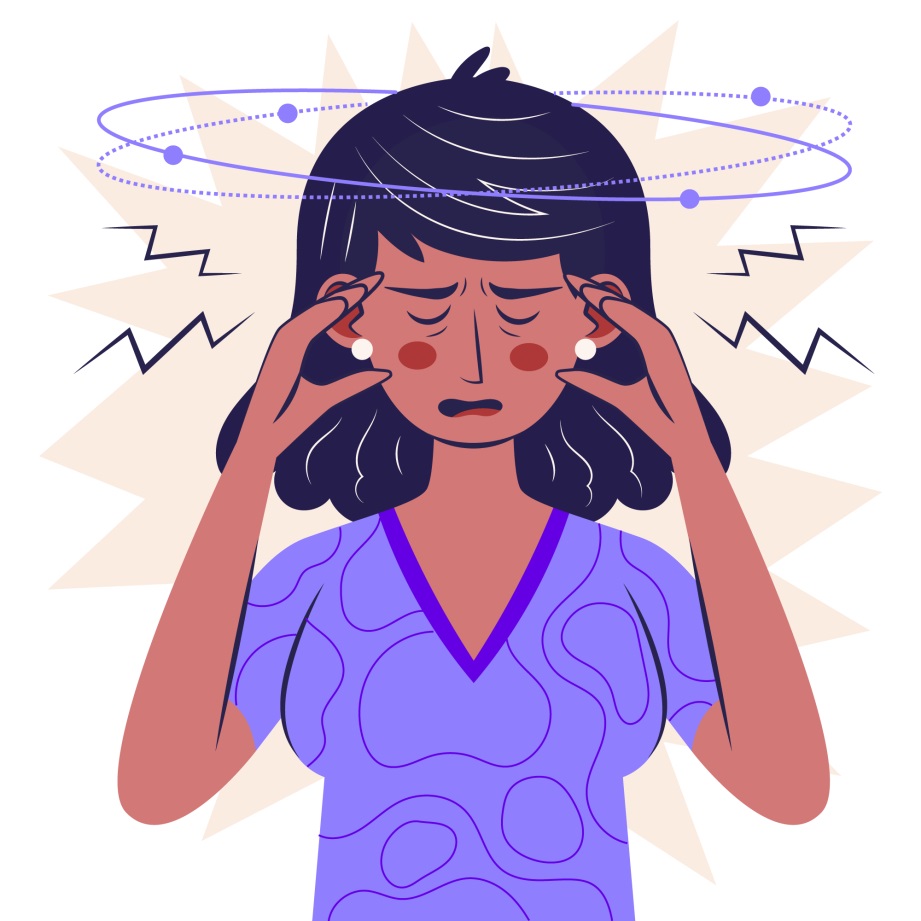
At the end of the day we are human, we all make mistakes. We can’t be perfect all the time. In order to continue growing and be healthy, we have to sometimes make the wrong choices and learn from them. Our mistakes are what help us progress. If we are constantly worrying, then we can’t go anywhere, we’re stuck. Other symptoms you might be experiencing are: constant fatigue, muscle aches, overthinking, unable to relax, and irritability.

Generalized anxiety disorders in children are expressed differently than in adults. Children worry about being accepted, having good grades, being good at sports, making friends, being included in social outings, trying to make everything perfect, and seeking approval from their parents. This affects their mental health and everyday life routine.

Generalized anxiety disorder in adults, is more severe. Adults tend to worry about being financially stable, buying a house, not having credit card debt, having good credit, finding a good job, finding a romantic partner, and starting a family. Anxiety can be overwhelming, however. We have to remember that it’s not normal to chronically worry all the time. It’s really unhealthy and leads to poor mental health. Worrying about everything won’t make the situation better. It might actually worsen your health.

If you or someone you know is struggling with generalized anxiety disorder, please contact our psychotherapy offices in New York or New Jersey to talk to one of our licensed professional psychologists, psychiatrists, psychiatric nurse practitioners, or psychotherapists at Arista Counseling and Psychotherapy. Contact our Paramus, NJ, or Manhattan, NY offices respectively, at (201) – 368-3700 or (212)-722-1920 to set up an appointment. For more information, please visit https://www.counselingpsychotherapynjny.com/

References

Generalized anxiety disorder (GAD). Johns Hopkins Medicine. (2024a, April 16). https://www.hopkinsmedicine.org/health/conditions-and-diseases/generalized-anxiety-disorder

U.S. Department of Health and Human Services. (n.d.-a). Generalized anxiety disorder: When worry gets out of Control. National Institute of Mental Health. https://www.nimh.nih.gov/health/publications/generalized-anxiety-disorder-gad

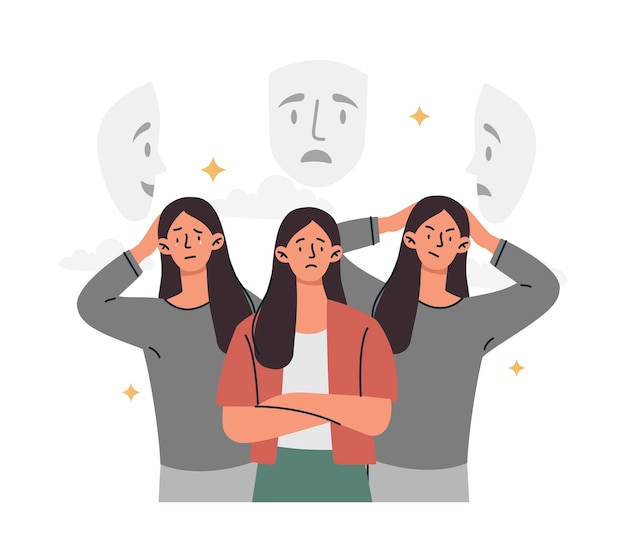
Borderline Personality Disorder (BPD): A Simple Guide

Premium Vector | Personality disorder concept

Borderline Personality Disorder (BPD): A Simple Guide

By: Katerina Kostadimas

Borderline Personality Disorder (BPD) is a mental health condition that affects the way a person thinks, feels, and interacts with others. People with BPD often struggle with intense emotions, unstable relationships, and a strong fear of abandonment.

What Are The Symptoms of BPD?

BPD symptoms are different for everyone, but common signs include:

  1. Emotional Instability
  2. Fear of abandonment
  3. Unstable Relationships
  4. Impulsive Behaviors
  5. Self-harm or Suicidal Thoughts
  6. Identity Issues
  7. Chronic Feelings of Emptiness
  8. Intense Anger
  9. Paranoia or Dissociation

What Causes BPD?

There is no single cause of BPD, but factors that may contribute include:

  • Genetics
  • Brain Differences
  • Trauma or Childhood

How Is BPD Treated?

BPD is treatable, and many people learn to manage their symptoms with the right help. Some common treatments include:

  • Therapy—Dialectical Behavior Therapy (DBT) has been said to be the most effective treatment. It teaches skills to manage emotions, build healthy relationships, and reduce impulsive behaviors.
  • Medication- While there is no specific medication for borderline personality disorder, some people benefit from antidepressants, mood stabilizers, or antipsychotic medications to manage symptoms.
  • Support System- Having understanding friends, family, or support groups can make a big difference in managing BPD.

If you or someone you love has BPD, know that recovery is possible. With the right treatment and support, people can build stable relationships, manage emotions, and lead fulfilling lives. 

If you or someone you know is struggling with borderline personality disorder, please contact our psychotherapy offices in New York or New Jersey to talk to one of our licensed professional psychologists, psychiatrists, psychiatric nurse practitioners, or psychotherapists at Arista Counseling and Psychotherapy. Contact our Paramus, NJ, or Manhattan, NY offices respectively, at (201) – 368-3700 or (212)-722-1920 to set up an appointment. For more information, please visit https://www.counselingpsychotherapynjny.com/

Reference:

https://www.mayoclinic.org/diseases-conditions/borderline-personality-disorder/symptoms-causes/syc-20370237

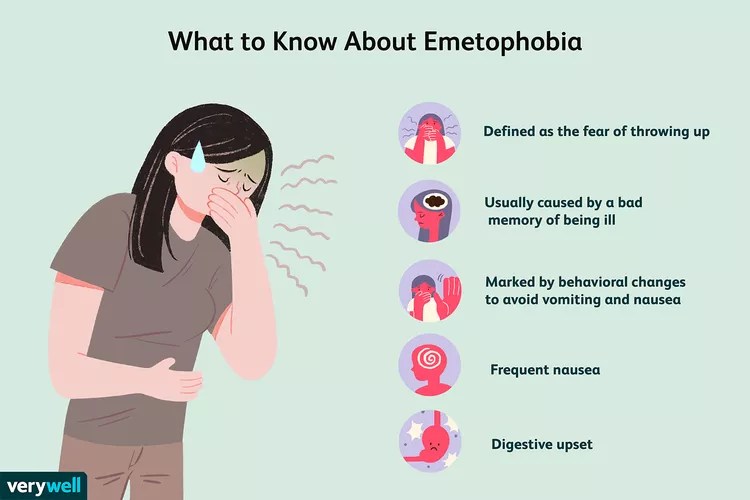
 Fear of Vomit (Emetophobia)

Fear of Vomit (Emetophobia)

Olivia Loiacono

Emetophobia or the fear of vomit is a mental health disorder that is not talked about often.  Globally, around 10%, of people struggle with this disorder and it tends to go undiagnosed simply because it really is not studied often. It is significantly more common in women, with a percentage of 7%.

Some symptoms that you may notice are:

  • Excessive anxiety and panic attacks when exposed to triggers (e.g., witnessing vomit, smelling vomit, thinking about vomiting)
  • Avoidance of situations or foods that may induce vomiting
  • Obsessive hand washing and cleaning
  • Extreme caution with food safety and hygiene
  • Physical symptoms such as nausea, sweating, and increased heart rate.

With that being said, Emetophobia, most of the time has underlying mental health disorders such as ADHD, anxiety, or OCD. There is no specific cause for Emetophobia other than some tests have shown that Early childhood experiences with vomiting, witnessing traumatic events involving vomit, genetic predisposition, and underlying anxiety disorders. Researchers also say, that since the patient does not have control over the symptoms such as nausea or vomiting, it makes them feel out of control which ultimately ends in a spiral.

Some treatment options for Emetophobia typically involve: 

  • Cognitive-behavioral therapy (CBT): To challenge negative thoughts and develop coping strategies 
  • Exposure therapy: Gradually exposing the individual to triggers in a controlled setting 
  • Medication: In some cases, medications such as antidepressants or anti-anxiety drugs may be prescribed 

Grief: What is Prolonged Grief Disorder?

Grief: What is Prolonged Grief Disorder?
By: Kiara Moriarty


               When experiencing grief after a loss, feelings of shock, despair, anger, guilt, loneliness, and anxiety may overwhelmingly flood our lives. According to the DSM-5, these symptoms should subside 12 months after the loss. While some believe that there is no timeline for the grieving process, it may be helpful to label prolonged grief to provide services and support where needed. When can we identify if our feelings of grief are healthy and appropriate in our healing process, or negatively impacting our life as if the loss just happened?
              
               Prolonged grief disorder is the persistent, severe grief that extends beyond a year after a loss. This may entail identity disruption, longing for the person, disbelief or a lack of acceptance of their passing, and existential issues such as meaninglessness. While the feelings of grief may never truly subside, it is something we typically learn to carry and live with. This marks the difference between typical grief and prolonged grief. Prolonged grief is pervasive. It consumes the individual experiencing the grief, and negatively impacts their relationship with loved ones, their profession, and the world around them.
              
               Therapy for prolonged grief disorder can be extremely helpful, such as complicated grief therapy, which uses cognitive-behavioral techniques as well as elements of attachment theory. Therapy can help the individual understand their grief, process their emotions, and accept the loss. Grief support groups are also resourceful, as members find a sense of community and gain perspective from other members.

If you or someone you know is struggling with grief, please contact our psychotherapy offices in New York or New Jersey to talk to one of our licensed professional psychologists, psychiatrists, psychiatric nurse practitioners, or psychotherapists at Arista Counseling and Psychotherapy. Contact our Paramus, NJ, or Manhattan, NY offices respectively, at (201) – 368-3700 or (212)-722-1920 to set up an appointment. For more information, please visit https://www.counselingpsychotherapynjny.com/

References
Sussex Publishers. (n.d.). Prolonged grief disorder. Psychology Today. https://www.psychologytoday.com/us/conditions/prolonged-grief-disorder

Anorexia Nervosa- How to Help Someone You Love

Anorexia Nervosa- How to Help Someone You Love

By: Olivia Loiacono

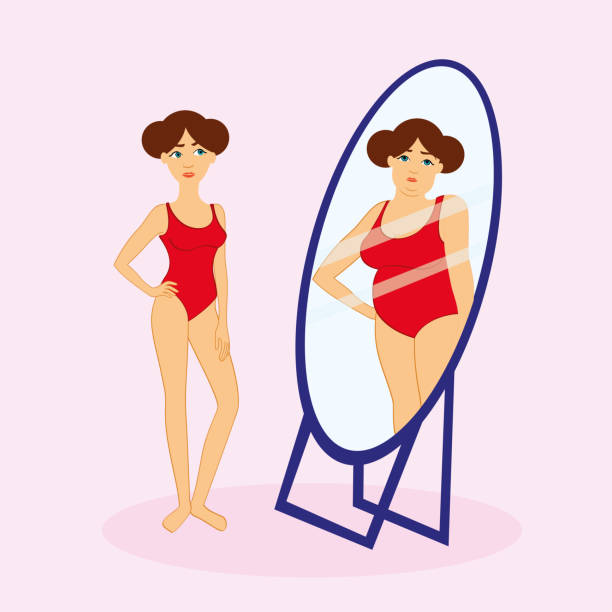
               Anorexia Nervosa is one of the most well-known eating disorders, along with Bulimia Nervosa and Binge disorder. Anorexia has the highest mortality rate among mental health disorders. Anorexia causes around 10,200 deaths every year as a direct result of the eating disorder. This equals one death every 52 minutes. People with anorexia are also 18 times more likely to attempt suicide than individuals without an eating disorder.

Some warning signs that one should look out for in a loved one are:

Dramatic weight loss.

Lying about how much and when they’ve eaten, or how much they weigh.

Avoid eating with others.

Cutting their food into small pieces or eating very slowly to disguise how little they’re eating.

Trying to hide their thinness by wearing loose or baggy clothes.

               Now, how do you help someone? Is that even possible? When you are trying to help someone with any sort of mental health disorder, they have to WANT the help to fully recover. Fortunately, when someone with a severe eating disorder is under the age of 18, a parent/ guardian is in control of their treatment.

    You may consider exploring treatment options together with your teen. You will want to choose an eating disorder program or a therapist/ nutritionist who specializes in helping teenagers and young adults. Equally important, you’ll want to choose a program that offers tailored, personalized treatment plans, and that is equipped to treat multiple mental health disorders. No single course of treatment will work for everyone, because everyone has different needs

  Continuing your plan at home is also extremely important to keep up with the recovery process. Make sure to encourage maintaining a healthy exercise regime( when given permission from the provider to do so), eating/providing nutritious meals, getting your child involved in mealtimes, creating distractions from the food, avoiding criticism and negative talk, showing acceptance for all types of bodies, shapes, and sizes, fostering self-love and acceptance and encouraging intuitive eating. 

   Though nothing is a quick fix, it will take time, love, and effort to recover/ start recovery from Anorexia but it is possible and there is living proof of survivors. Day by day… meal by meal.

If you or someone you know is struggling with Anorexia or an eating disorder, please contact our psychotherapy offices in New York or New Jersey to talk to one of our licensed professional psychologists, psychiatrists, psychiatric nurse practitioners, or psychotherapists at Arista Counseling and Psychotherapy. Contact our Paramus, NJ, or Manhattan, NY offices respectively, at (201) – 368-3700 or (212)-722-1920 to set up an appointment. For more information, please visit https://www.counselingpsychotherapynjny.com/

References

https://www.nationaleatingdisorders.org/statistics/#general-eating-disorder-statistics

https://www.nhs.uk/mental-health/conditions/anorexia/symptoms/

https://www.turnbridge.com/news-events/latest-articles/how-to-help-teen-eating-disorder/?gad_source=1&gclid=Cj0KCQiAhvK8BhDfARIsABsPy4iCMSSN2JxatbcHdcaaD9Gi1wabOzdk2VJAaoRgj-VuKQimkc2-miMaAt4vEALw_wcB

Self-Love: Learning to Love YourSELF

Self-Love: Learning to Love YourSELF

By: Michelle Cocone

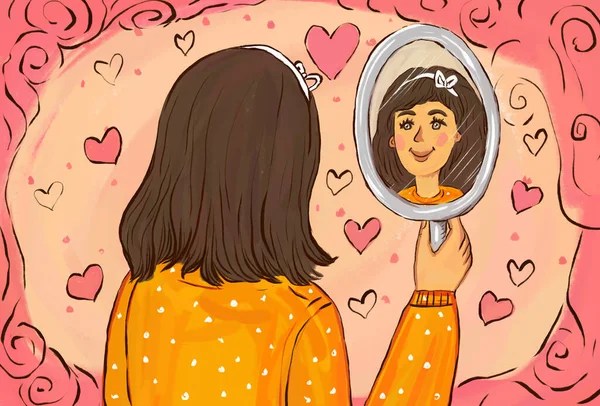
February is known to be the month of love, spreading love to our loved ones. We spend a lot of time trying to share that love that we often forget about ourselves. It’s important to learn how to love yourself. It helps us lead a healthier life and have better mental health. When we don’t love ourselves, it takes a toll on us, possibly leading to depression, anxiety, or an eating disorder. There are many ways to show love to ourselves, here are a couple ways.

Shift Your Perspective

  • Focusing on the bad aspects of ourselves won’t lead to anywhere good
  • Shift your perspective towards a more positive outlook
  • Don’t always see the cons, recognize the pros as well, they need love too

Affirmations

  • Write out a list of what you like + love about yourself
  • Tell yourself that you appreciate all parts of  your body/personality
  • Embrace the beauty of it all
  • Remember your body does plenty of work to keep you going every day
  • Keep telling yourself all these affirmations throughout the low points you may have

Practice Self-Love

  • Focus on the hobbies that you enjoy
  • Pour yourself  into becoming better at your hobbies
  • Be kind to yourself, you only have one body, so take care of it
  • Learn to forgive yourself when you haven’t accomplished everything you hoped for
  • Learn to forgive yourself when you aren’t kind to yourself
  • It’s okay to say “No.” You don’t have to please others all the time.

The most important relationship you can have is with yourself.  You may have heard this saying once or twice but it’s true, “Learn to love yourself first so you can spread love to others.”  Make time to focus and nourish your own self. It doesn’t all get done in one day. As long as you work on yourself a little bit every day that’s all that matters.

If you or someone you know is struggling with self-love, please contact our psychotherapy offices in New York or New Jersey to talk to one of our licensed professional psychologists, psychiatrists, psychiatric nurse practitioners, or psychotherapists at Arista Counseling and Psychotherapy. Contact our Paramus, NJ or Manhattan, NY offices respectively, at (201) – 368-3700 or (212)-722-1920 to set up an appointment. For more information, please visit https://www.counselingpsychotherapynjny.com/

References

Improving every area of your life starts with self-love. Improving Every Area of Your Life Starts with Self-Love | Tony Robbins. (n.d.). https://www.tonyrobbins.com/ultimate-relationship-guide/how-to-fall-in-love-with-yourself?srsltid=AfmBOoq4CvACby5hWenBdEGAH5zBgxAPOtKzEvtobHDRZ6cGfT9MaFtn


Pomlett, M. (2020, December 21). Learn how to self-love. Psychological Health Care. https://www.psychologicalhealthcare.com.au/blog/learn-how-to-self-love/

Eating Disorder: The Hunger for Healing

Eating Disorder: The Hunger for Healing

By: Areeza Malik

What Are Eating Disorders?

Eating disorders are more than just an obsession with food or weight. They are complex mental health conditions that involve disordered eating behaviors, distressing thoughts about food, body image, and often dangerous physical consequences. These disorders can affect anyone, regardless of age, gender, or background. While they frequently start with an obsession with food, weight, or exercise, they are usually driven by deeper emotional and psychological struggles.

The most common eating disorders include:

  • Anorexia Nervosa
  • Bulimia Nervosa
  • Binge Eating Disorder
  • Avoidant / Restrictive Food Intake Disorder

Recognizing the Signs of an Eating Disorder

  • Physical signs:
  • Sudden weight loss/weight fluctuations
  • Hair thinning or loss
  • Cold intolerance
  • Brittle nails and dry skin
  • Fatigue
  • Dizziness
  • Digestive issues
  • Emotional signs:
  • Intense fear of weight gain
  • Obsession with food, dieting, and body size
  • Feelings of shame and guilt
  • Social withdrawal
  • Behavioral signs:
  • Skipping meals or making excuses to avoid eating
  • Excessive exercise, calorie counting, and weight checking
  • Binge eating episodes
  • Strict food categorization

The Path to Recovery

The road to recovery from an eating disorder has its twists and turns. It’s a journey that requires patience, self-compassion, and professional support. Recovery is about letting go of negative beliefs around food and body image. It’s about changing from control to kindness, from limiting yourself to nourishing the body, and from being alone to building connections. There will be setbacks, but each small step forward counts. Surround yourself with support, embrace mindful eating, and recognize and challenge negative thoughts.

Healing goes beyond changing your eating habits; it involves rebuilding confidence, changing your mindset and learning to trust your body. Living a life where food is a source of strength rather than stress is important. While the path is challenging, it leads to freedom, self-love, and true recovery.

If you or someone you know needs support for an eating disorder, please contact our psychotherapy offices in New York or New Jersey to talk to one of our licensed professional psychologists, psychiatrists, psychiatric nurse practitioners, or psychotherapists at Arista Counseling & Psychotherapy. Contact our offices at (201) 368-3700 or (212) 722-1920 to set up an appointment. For more information, please visit http://www.counselingpsychotherapynjny.com/

References:

Strand, C. (2024, September 3). Eating disorders – early detection & treatment are key to recovery. Rural Minds. https://www.ruralminds.org/rural-minds-blog/eating-disorders-early-detection-amp-treatment-are-key-to-recovery?gad_source=1&gclid=CjwKCAiAtYy9BhBcEiwANWQQLzonikibaqE1awaP74y1A36Q08Bi1gpuzldje_C0HH_PfC1xzxcG5xoCgvIQAvD_BwE


Anxiety about starting College: Getting over Anxiety as a Freshman in College

Anxiety about starting College: Getting over Anxiety as a Freshman in College

By: Michelle Cocone

Every young adult pursuing a higher education will go through college. Starting college can be scary; you become a freshman all over again. Young adults tend to get anxious when thinking of the process. It’s very normal to experience this feeling. This anxiety stems from the uncertainty of college, not knowing what or who to expect. They will question whether they will be accepted, make friends, balance their workload, and hopefully not get lost. These are useful tips to help ease the adaptation of college.

Every College Student Was Once a freshman                                                                        

  • You aren’t alone in this experience as every freshman feels anxiety
  • Use the anxiety and fear to your advantage, this can be a topic of conversation to make friends
  • Embrace “I am a freshman who can start from zero”, a clean slate
  • It’s okay if you don’t have a best friend right away
  • Take the time to build connections, these can be important for networking after college

Have a Support System

  • Talk to friends or family about your college experience
  • They can share advice if they have gone to college

Use a Planner

  • Balancing schoolwork can be easier if you have a planner
  • When you get your course assignment schedule, jot it down in your planner to stay ahead of assignment due dates
  • Highlight exam and midterm dates to accommodate studying time

Utilize Your Resources

  • Colleges have many resources to help the transition from high school to college
  • Colleges have academic support, such as tutors and study centers
  • Colleges have well-being support and someone to talk to about your anxiety or anything else you want to share
  • Look up your campus map to find directions to your classes
  • Talk to your professors. They are there to help you succeed.

Remember college isn’t only about getting a higher education; it’s a place where you can prepare yourself for your career. Allow yourself to be independent and make your own choices. Everything you do will help you grow as a person, not just academically. It can absolutely be terrifying starting college if you feel anxious or scared; seeking counseling can be a good first step to feeling secure.

If you or someone you know is struggling with anxiety about starting college, please contact our psychotherapy offices in New York or New Jersey to talk to one of our licensed professional psychologists, psychiatrists, psychiatric nurse practitioners, or psychotherapists at Arista Counseling and Psychotherapy. Contact our Paramus, NJ, or Manhattan, NY offices respectively, at (201) – 368-3700 or (212)-722-1920 to set up an appointment. For more information, please visit https://www.counselingpsychotherapynjny.com/

References

University of Fear and anxiety: How to pass your freshman year of college. Anxiety and Depression Association of America, ADAA. (2018, July 6). https://adaa.org/learn-from-us/from-the-experts/blog-posts/consumer/university-fear-and-anxiety