The Lessons of 9/11: Therapy and Resilience

By: Tehila Strulowitz

The other day I was sitting in my college Renaissance History course, learning about the joy, beauty, and creative innovation of an era that spanned three centuries following roughly 1,000 years of life so bleak and horrible that it gained an additional name: the “Dark Ages.” At one point during the lecture, my professor made an off-the-cuff remark about how since every generation spans more or less 20 years, and within that generation, everything that happens in the world is considered “current events,” the 23rd anniversary of the tragic day that is 9/11 is now considered “history.” We all sat there a little shocked and confused because how could over twenty years have passed and how could something discussed so frequently in the United States be considered history?

On the morning of Tuesday, September 11, 2001, first responders flocked by the thousands to the only building complex in the 10048 zip code in Lower Manhattan upon hearing the devastation that was unfolding in New York City. Thousands of therapists (social workers, psychologists, other mental health professionals, and so on) rushed to Manhattan in what psychologist Ghislaine Boulanger described as a “feeding frenzy” of therapists hurrying to help, (some even walking to fire stations and simply standing outside in case someone wanted therapy) all without knowing what helping would entail, all to assist in the efforts taking place in the aftermath of such a traumatic event witnessed live by hundreds of thousands of people. Boulanger, along with psychoanalyst and interfaith chaplain Margaret Klenck, described how at first the mental health professionals on the scene at that time were diving right into “the nitty-gritty” of therapy or “overmedicating people with tranquilizers and antidepressants,” when in reality, Klenck said, they were not depressed. They were traumatized and grieving, so naturally they were crying.

Psychologist Donna Bassin, who was a therapist for victims and their family members following 9/11, noticed that she was “emotionally transformed” by being a therapist during that time. “I started becoming more aware of community trauma, realizing how much people needed each other, not just 45 minutes in the psychotherapy office.” Years of trauma research and research on effective therapeutic practices have proven that most clients do not respond positively to long, detailed, and intense therapy immediately following a traumatic event. Richard McNally, a psychologist at Harvard, remarked how one of the most impactful lessons that were learned due to 9/11 was that people are far more resilient than we, specifically therapists in this case, thought.

As we look back on the past 23 years following a day that caused a loss of life for nearly 3,000 people and injured over 6,000, one lesson is starkly clear: we, as a community and as a nation, are more resilient than we think. We have built a bronze memorial, and etched in its surface the names of every single victim. We have built a new building in its place, 1,792 feet in the air, looking down over not only the historical New York City but also the 70-foot-deep memorial for the buildings. Therapists, first responders, the government, and doctors alike have all discovered new and more effective ways to deal with a country wreaked by terror and tragedy, and have created and discovered new ways to help people, built on the ashes of terror of times past.

Just like the “rebirth” that the Renaissance was, in 2024 we, too, can usher in our own enlightenment.

Psychiatric disorders associated with trauma exposure: PTSD, major depressive disorder, generalized anxiety disorder, panic disorder, and substance abuse disorders.

If you or someone you know is struggling with trauma-related disorders or with mental health in general, please contact our psychotherapy offices in New York or New Jersey to talk to one of our licensed professional psychologists, psychiatrists, psychiatric nurse practitioners, or psychotherapists at Arista Counseling & Psychotherapy. Contact our Paramus, NJ or Manhattan, NY offices respectively, at (201) 368-3700 or (212) 722-1920 to set up an appointment. For more information, please visit http://www.counselingpsychotherapynjny.com/

https://www.nytimes.com/2009/09/11/nyregion/11nyc.html

https://www.nytimes.com/2011/07/29/health/research/29psych.html

https://www.sciencedirect.com/science/article/pii/S2214999614002926

Autism in the Justice System

Autism in the Justice System

By: Nicole Cutaia

A big issue in the Justice System is the lack of representation for certain groups of people. Neurodivergent individuals, specifically those with autism or autism spectrum disorder (ASD), face this lack of acknowledgment in the judicial system.

Autism is a neurological and developmental disorder that affects social skills, repetitive behaviors, speech, and non-verbal communication. Depending on the functionality of the disorder, performing basic tasks such as reading, writing, and comprehending information may be more or less difficult.

When it comes to criminal and civil cases, autistic clients find it challenging to find lawyers to represent them. These challenges may be due to the stigma around the spectrum.

Most individuals with autism, especially low functioning, depend on a guardian or caretaker for the majority of their life. During police investigations, a guardian or caretaker is necessary to support and assist successful communication. In some instances, individuals with autism do not get a fair shot at their statement or testimony.

The lack of representation in the justice system for autism is a social injustice that is so overlooked and needs instant attention.

It can be difficult to see a loved one struggle with autism spectrum disorder. If you or a family member are struggling with mental health, please contact our psychotherapy offices in New York or New Jersey to talk to one of our licensed professional psychologists, psychiatrists, psychiatric nurse practitioners, or psychotherapists at Arista Counseling & Psychotherapy. Contact our Paramus, NJ, Manhattan, NY offices respectively at (201) 368- 3700 or (212) 722- 1920 to set up an appointment. For more information, please visit http://www.counselingpsychotherapynjny.com/

Drug Overdose: Frequency of Non-Substance Related Mental Health Disorders Among Drug Overdose Deaths

Drug Overdose: Frequency of Non-Substance Related Mental Health Disorders Among Drug Overdose Deaths

By Madison Gesualdo

Fatal drug overdoses in the United States have been on the rise in recent years, with the Center for Disease Control (CDC) reporting nearly 108,000 drug overdose deaths in 2022. However, a new study by the CDC suggests that screening and treatment for non-substance related mental health disorders, which frequently exhibit comorbidity with substance use disorders, may help lower the rate of overdoses in the United States.

The CDC found that approximately one in five individuals (22%) who died of a drug overdose in 2022 had a co-occurring, non-substance-related mental health disorder, with depression, anxiety, and bipolar disorders being the most prevalent. Additionally, it was reported that nearly 25% of these individuals had at least one opportunity for intervention with these disorders shortly before their death, including but not limited to visits to emergency departments and the locations where they were actively being treated at for their substance use disorder. With respect to this data, the CDC emphasizes the importance of integrating more screening practices for non-substance-related mental health disorders during interventions in individuals suffering from substance use disorders in order to improve mental health among these individuals and, potentially, decrease the amount of fatal overdoses.

Help and treatment are available to individuals with substance use disorders. Below are some of the many resources available to assist individuals with the screening and treatment of these disorders:

If you or someone you know is struggling with drug addiction and abuse or with mental health, please contact our psychotherapy offices in New York or New Jersey to talk to one of our licensed professional psychologists, psychiatrists, psychiatric nurse practitioners, or psychotherapists at Arista Counseling & Psychotherapy. Contact our Paramus, NJ or Manhattan, NY offices respectively, at (201) 368-3700 or (212) 722-1920 to set up an appointment. For more information, please visit http://www.counselingpsychotherapynjny.com/

References:

Dinwiddie, A.T., Gupta, S., Mattson, C.L., O’Donnell, J., & Seth, P. (2024, August 29). Reported non–substance-related mental health disorders among persons who died of drug overdose — United States, 2022. MMWR Morb Mortal Wkly Rep 2024;73:747–753. http://dx.doi.org/10.15585/mmwr.mm7334a3

Drug Enforcement Administration. (n.d.) Recovery resources. United States Drug Enforcement Administration. https://www.dea.gov/recovery-resources

Alcohol Abuse among College Students

Alcohol Abuse among College Students

By Melissa Rodriguez

College students undergo many feelings and emotions during the semester. They may feel excitement, anxiety, stress, depression, and so much more. These feelings can lead to alcohol abuse in college students. College students are more likely to be exposed to alcohol, which can lead to them wanting to partake in drinking and abusing alcohol with peers. When college students are stressed they go to parties and they may be exposed to alcohol there. They may be stressed or overwhelmed with assignments and exams and they may want to drink the stress away. According to the National Institute on Alcohol Abuse and Alcoholism, some students who go to college develop established drinking habits. According to the 2022 National Survey on Drug Use and Health, within full-time college students ages 18-22, 49.0% consumed alcohol and 28.9% engaged in binge drinking in just one month. Peers of students may also pressure them into trying or consuming alcohol, and with peer pressure it can be hard for students to say no as they fear they may get bullied or judged.

Abusing alcohol in college can also affect brain development in young adults. Many college students who take part in drinking and abusing alcohol still have developing brains. Brain development can last through ages 21-25. This may put young college students at a greater risk for alcohol poisoning, which can damage the development of the brain. Alcohol can cause brain cell shrinkage, nerve cell death, and grey matter decline. It is important to learn about the dangers of alcohol to better protect yourself and those around you from abusing the substance.

If you or someone you know is dealing with alcohol abuse, please speak with one of our licensed professional psychologists, psychiatrists, psychiatric nurse practitioners, and psychotherapists. Contact us at our Paramus, NJ or Manhattan, NY offices at (201) 368-3700 or (212) 722-1920 respectively to set up an appointment. For more information, visit http://www.counselingpsychotherapynjny.com/.

Sources:

https://www.niaaa.nih.gov/publications/brochures-and-fact-sheets/college-drinking

https://www.stanfordchildrens.org/en/topic/default?id=the-dangers-of-binge-drinking-1-1924

Social Media Addiction

Social Media Addiction

By: Nicole Cutaia

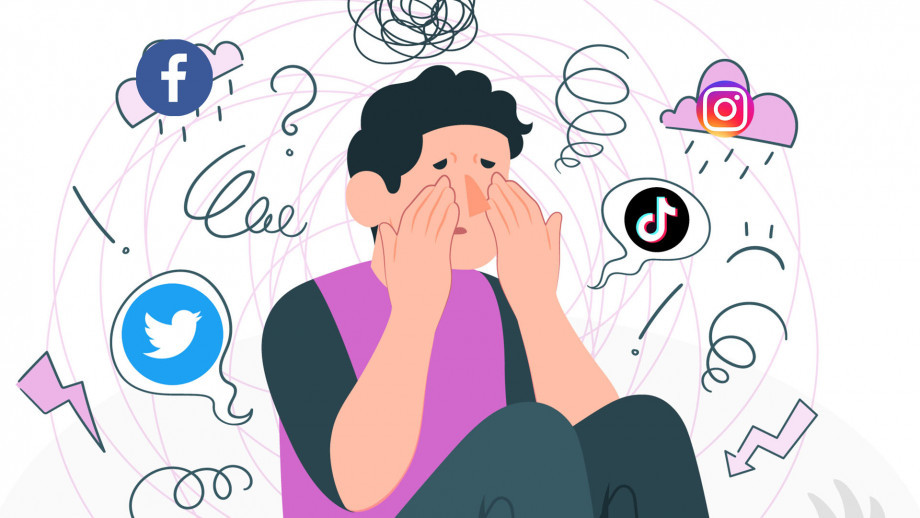
Social media is the digital technology that allows ideas and information to be made, shared and exchanged. People use social media as a way to connect with friends, express their creativity, and learn new things. Some popular social media platforms used today are Instagram, TikTok, YouTube, Twitter, and Facebook. Unfortunately, some individuals abuse social media to the point where it’s not a positive experience, but rather a negative one. Scrolling on social media platforms for hours daily has become a routine for some.

We now see that social media and technology addiction is most dangerous to children because it affects their learning abilities at school. The compulsion has grown to be so threatening that various school districts have banned the usage of smartphones on school grounds. Hopefully, there will be more effective ways to control this addiction before it leads to more negative outcomes.

If you or someone you know is struggling with their mental health or addiction, please contact our psychotherapy offices in New York or New Jersey to talk to one of our licensed professional psychologists, psychiatrists, psychiatric nurse practitioners, or psychotherapists at Arista Counseling & Psychotherapy. Contact our Paramus, NJ, or Manhattan, NY offices respectively, at (201) 368-3700 or (212) 722-1920 to set up an appointment. For more information, please visit https://aristapsychiatrypsychotherapy.com/

Anxiety: How to Cope with Back-to-school Anxiety

Anxiety: How to Cope with Back-to-school Anxiety

By: Josette DeFranco

The first few weeks before school is back in session have greatly affected children and college students. Believe it or not, back-to-school anxiety is common and a manageable issue. Anxiety can impact a student’s concentration, memory, and ability to be engaged in activities. Also, another area being affected by back-to-school anxiety is social development. School is a main scene for socialization allowing students to build relationships and develop effective communication skills. Managing back-to-school anxiety is great for academic performance. Dealing with anxiety can help prevent social isolation, low self-esteem, and difficulty in forming healthy peer relationships.

There are many ways to make the change much easier and less stressful. Below are a few tips to help manage back-to-school anxiety.

  • Practice self-care
  • Create a support system
  • Focus on the positive
  • Rehearse the drop-off
  • Visit the school
  • Take deep breaths

If you or someone you know is struggling with their mental health, please contact our psychotherapy offices in New York or New Jersey to talk to one of our licensed professional psychologists, psychiatrists, psychiatric nurse practitioners, or psychotherapists at Arista Counseling & Psychotherapy. Contact our Paramus, NJ or Manhattan, NY offices respectively, at (201) 368-3700 or (212) 722-1920 to set up an appointment. For more information, please visit https://aristapsychiatrypsychotherapy.com/

Sources:

https://adaa.org/learn-from-us/from-the-experts/blog-posts/consumer/7-tips-addressing-back-school-anxiety