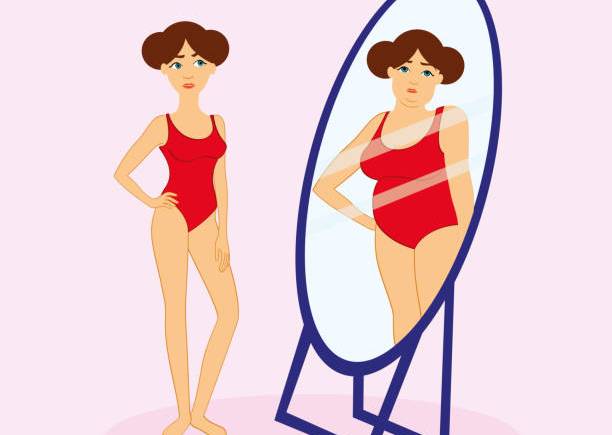
Binge Eating Disorder

Binge Eating Disorder

By: Cosette Verna

Binge eating disorder (BED) is an eating disorder characterized by consuming extreme amounts of food and feeling unable to stop eating. This is different than overeating at a meal- BED is driven by a compulsion to continue eating and being unable to resist the urges, despite extreme fullness and cognitive awareness of overeating.

Behavioral symptoms of BED include (but are not limited to) feeling like eating behaviors are out of control, binging on unusually large amounts of food in a short time frame, eating despite feelings of fullness, eating in secret, deep feelings of shame, disgust, depression, and/or guilt surrounding eating, and eating rapidly during binges.

Emotional and behavioral signs of BED include (but are not limited to) frequent dieting, extreme concern around body weight, disruption in normal eating behaviors, frequent body checking (e.g., obsessively looking in the mirror to check appearance) the development of food rituals (e.g., using particular cutlery, excessive chewing), eating alone out of shame or embarrassment, and feelings of low self-esteem. Physical signs of BED include noticeable weight fluctuations, gastrointestinal pain, and difficulties concentrating.

If you or someone you know is struggling with binge eating disorder, please contact our psychotherapy offices in New York or New Jersey to talk to one of our licensed professional psychologists, psychiatrists, psychiatric nurse practitioners, or psychotherapists at Arista Counseling & Psychotherapy. Contact our Paramus, NJ or Manhattan, NY offices respectively, at (201) 368-3700 or (212) 722-1920 to set up an appointment. For more information, please visit http://www.counselingpsychotherapynjny.com/

References:

https://www.mayoclinic.org/diseases-conditions/binge-eating-disorder/symptoms-causes/syc-20353627

https://www.nationaleatingdisorders.org/learn/by-eating-disorder/bed

Cognitive Behavioral Therapy

Cognitive Behavioral Therapy

What is CBT?

                Cognitive Behavioral Therapy is a type of psychotherapy that focuses on modifying and changing dysfunctional and intrusive thoughts, behaviors, and emotions. CBT is influenced by the idea that thoughts influence behavior; therefore, the job of the psychotherapist is to talk to the patient and help uproot negative and irrational beliefs, and then change them into newer and more positive ones. CBT is distinct from other therapies because it focuses on the present, rather than the past. What are you thinking right now? Are there any harmful thought patterns that usually emerge? What are you thinking when you begin to feel anxious?

                This form of psychotherapy is appropriate for all ages including children, adolescents and adults. A clinician or therapist will likely practice CBT with a patient when the patient is demonstrating severe symptoms of anxiety, stress, and negative and disturbing thoughts or beliefs about their lives. A patient who engages in severe negative self-talk or low self-esteem due to negative beliefs about themselves or about life can tremendously benefit from CBT. Cognitive Behavioral Therapy can also treat patients with conditions such as depression, Post-Traumatic Stress Disorder, phobias, and substance use disorder. CBT is also beneficial for people looking to improve their relationships and overall wanting to engage in a happier, healthier lifestyle.

Depression: Does Social Media Cause Depression?

Depression: Does Social Media Cause Depression?

By: Michelle Chinchilla

Around 4.62 billion of us are engaging on social media platforms. You can like someone’s post or share a picture or video- there is always a new update or post. After endless amounts of scrolling it can be pretty tiring. Social media as a whole can make a person feel so many different ways: meaningful, euphoric, isolated, and even depressed.

What type of depression can social media be caused by?

Social media isn’t inherently harmful to your mental health, especially if it doesn’t replace other forms of healthy social interaction. However, exposure to harmful behavior and rhetoric through social media can impact your mood and even cause depressive symptoms. Comparison, jealousy, addiction, and many more are reasons to feeling down.

Prevention

Do you notice you’re feeling more sad, lonely, isolated, or depressed when you spend time on social media? Or do you walk away feeling recharged, or like you have spent your time meaningfully? If you have an iPhone, consider using the “Screen Time” feature to track how you’re using your phone. When social media becomes too distracting, consider turning off notifications for a while or removing the app from your phone until you feel like you’re in a better place to log in again.

If you or someone you know is struggling with depression, contact our psychotherapy offices in New York or New Jersey to talk to one of our licensed professional psychologists, psychiatrists, psychiatric nurse practitioners, or psychotherapists at Arista Psychotherapy & Psychiatric Services. Contact our Manhattan, NY or Paramus, NJ offices respectively at (201)368-3700 or (212)722-1920 to set up an appointment. For more information, please visit https://counselingpsychotherapynjny.com

Reference: https://psychcentral.com/depression/does-social-media-cause-depression#tips

Anorexia Nervosa

By: Cosette Verna

Anorexia Nervosa (anorexia) is an eating disorder characterized by abnormally low body weight, distorted perception of weight, and intense fear of weight gain. These distortions may cause behavioral symptoms in those suffering from anorexia, including excessive exercise, severe restriction of food intake, calorie counting, and abuse of diuretics, laxatives, or enemas.

Anorexia is typically a manifestation of one’s emotional issues and feelings of inadequacy, to which one strives for extreme thinness as a measure of self-worth. Physical symptoms of anorexia include (but are not limited to) extreme weight loss, loss of menstrual cycle, fatigue, insomnia, dizziness/fainting, constipation, hair breakage, irregular heart rhythms, dehydration, growth of body hair, and dry and/or yellowish skin.

Though anorexia is typically associated with extreme low body weight, those suffering from Atypical Anorexia Nervosa are not to be overlooked. Atypical Anorexia Nervosa patients have all the symptoms of anorexia aside from extreme thinness, and have typically been overweight historically. Though they may physically appear to be in a healthy weight range, their body is under extreme stress in order to maintain a weight that is not healthy for the individual. Atypical anorexia is just as serious as anorexia- percentages of those hospitalized with atypical anorexia is similar to hospitalizations from typical anorexia.

If you or someone you know is struggling with anorexia nervosa, please contact our psychotherapy offices in New York or New Jersey to talk to one of our licensed professional psychologists, psychiatrists, psychiatric nurse practitioners, or psychotherapists at Arista Counseling & Psychotherapy. Contact our Paramus, NJ or Manhattan, NY offices respectively, at (201) 368-3700 or (212) 722-1920 to set up an appointment. For more information, please visit http://www.counselingpsychotherapynjny.com/

References:

https://www.mayoclinic.org/diseases-conditions/anorexia-nervosa/symptoms-causes/syc-20353591

https://childmind.org/article/what-is-atypical-anorexia-nervosa/

Emotional Dysregulation Disorder: What is it?

Emotional Dysregulation Disorder: What is it?

By Sherry Yang

Emotional dysregulation disorder (EDD), also known as borderline personality disorder, is a mental illness that is characterized by severe emotional instability. Those with EDD are constantly changing their feelings about themselves and others, and only feel emotions on extreme levels. EDD significantly affects impulsivity, self-image, and relationships. It can be caused by family history, brain structure, or environmental factors such as trauma. Symptoms may include:

  • A pattern of unstable relationships with loved ones
  • Distorted and unstable sense of self
  • Impulsive and possibly dangerous behaviors
  • Self-harming or suicidal thoughts
  • Difficulties controlling anger
  • Feelings of dissociation
  • Intense and unstable moods and emotional episodes
  • Problems with real or perceived abandonment

Although EDD may appear similar to another mental illness, bipolar disorder, these two are notably different. Bipolar disorder causes extreme mood swings with emotional highs and lows; the highs are feelings of mania and the lows are feelings of depression. This disorder does not have as much emphasis on relationships and self-image, which are key to EDD.

If you or someone you know is struggling with emotional dysregulation disorder, please contact our psychotherapy offices in New York or New Jersey to talk to one of our licensed professional psychologists, psychiatrists, psychiatric nurse practitioners, or psychotherapists at Arista Counseling and Psychotherapy. Contact our Paramus, NJ or Manhattan, NY offices respectively at (201)-368-3700 or (212)-722-1920 to set up an appointment. For more information, please visit https://www.counselingpsychotherapynjny.com

References:

https://www.nimh.nih.gov/health/publications/borderline-personality-disorder

https://www.mayoclinic.org/diseases-conditions/bipolar-disorder/symptoms-causes/syc-20355955