ADHD in Teens: Why Adult Support is Essential

By Stephanie Osuba

Common symptoms of ADHD lead people to believe that students that have been diagnosed willingly choose to not complete assignments or be inattentive during class. However, symptoms like forgetfulness, procrastination, distractibility, poor time management, and having a difficult time writing are exactly what prohibits a student from achieving academic success. By definition, these teens cannot manage their time on their own, not even with all the motivation in the world. And although these students want to be treated normally, it is important to intervene in order to teach them how to manage their ADHD and their lives.

Wanting to be “normal” often prevents these students from seeking the help that they need with assignments and time management. While school counselors mean well with their open office doors, it’s important to recognize when a student with ADHD is falling behind. The student, even if a need for help is stated, will often not follow through with appointments due to the lack of executive control and interfering symptoms like distractibility and impulsivity. Setting up a comprehensive academic plan with the teen takes the efforts of parents and teachers who constantly check in to make sure he or she is on track. How you can support a student with ADHD:

  • Promote independence: the end goal is to have the teen be able to keep track of assignments, organize himself, be able to take notes, study well, and mange his time by being able to break down projects. Have the student come up with his own plan for the school year and check in if it seems off base. Once a well-oiled routine is put in place, check in regularly.
  • Intervene early: always prompt students to solve academic problems immediately. It’s better to catch small mistakes and setbacks early on than to wait until they snowball out of control.
  • Provide guidance: you should aim to collaborate with the teen in finding solutions to any problem that arises, however, most need direct instruction at first. They need to be shown exactly what the outcome needs to be before they can decide on the best way to arrive at the desired solution.
  • Take the lead: students should be under adult supervision at all times. At school, it’d be teachers and counselors and at home it’s their parents or guardians.
  • Gradually withdraw supports: adult supervision shouldn’t be completely withdrawn until the student proves capable. Symptoms can cause poor executive function well through college because it largely interferes with academic skills no matter their age.

Source: M.D., M. B. (2018, September 24). The Pivotal Role of Adults in Teen ADHD Care. Retrieved from https://www.psychologytoday.com/us/blog/child-development-central/201809/the-pivotal-role-adults-in-teen-adhd-care 

If you or someone you know is struggling with ADHD, the licensed psychologists, psychiatrists, psychiatric nurse practitioners, and psychotherapists at Arista Counseling & Psychotherapy can assist you. Contact our Paramus, NJ or Manhattan, NY offices respectively, at (201) 368-3700 or (212) 722-1920 to set up an appointment. For more information, visit http://www.counselingpsychotherapynjny.com/

Self-esteem

By: Charleene Polanco

Have you ever experienced a time in your life when you felt that, “you weren’t good enough?” If you have, self-esteem is at the core of this feeling, because it involves perceptions one has of oneself. These perceptions eventually become beliefs about self-worth and value. That is why self-esteem is so important in a person’s life, because how people think of themselves, is what drives them towards or away from certain actions. High self-esteem is often associated with multiple accomplishments in life. This is because people with high self-esteem, believe that they are worthy of the opportunities they get, and, therefore, make the most out of them. One the other hand, those with low self-esteem, constantly believe that they are not good enough. When an opportunity presents itself to them, people with low self-esteem feel like they do not deserve it, and do not perform their best. This is why low self-esteem is associated with depression and anxiety. If you are suffering from low self-esteem, here are a couple of tips available to raise self-esteem:

  • Identify triggers of low self-esteem: if you are able to recognize the places or people that lower your self-esteem, you are able to avoid or prepare for them. This way, learning experiences come from each event.
  • Avoid negative self-talk: if you do not think negatively about yourself, you are able to feel better and attempt things you would normally avoid.
  • Connect with loved ones: family members and friends can be great emotional support because people who care about you, will also make you feel loved and wanted. Nurture these feelings so that eventually you are able to see yourself as they do, and will slowly learn how to love yourself a little more each day.

If you or someone you know is suffering from low self-esteem, please contact our psychotherapy offices in New York or New Jersey to talk to one of our licensed professional psychologists, psychiatrists, psychiatric nurse practitioners, or psychotherapists at Arista Counseling & Psychotherapy. Contact our Paramus, NJ or Manhattan, NY offices respectively, at (201) 368-3700 or (212) 722-1920 to set up an appointment. For more information, please visit http://www.counselingpsychotherapynjny.com/.

Sources:

Gross, S. J. (2016, July 17). How To Raise Your Self-Esteem. Retrieved October 8, 2018, from https://psychcentral.com/lib/how-to-raise-your-self-esteem/

Mind for Better Mental Health. (2013). How to increase your Self-esteem. Retrieved October 8, 2018, from https://www.mind.org.uk/information-support/types-of-mental-health-problems/self-esteem/#.W9cKgY2WyM8


Couples Counseling: The Benefits

By Stephanie Osuba

According to PsychCentral.com, there are many reasons why people chose to participate in couples therapy, as well as many reasons they don’t. The common reason couples usually don’t consider counseling is out of embarrassment or the stigma that surrounds the intimate details of one’s personal relationship. The stigma dictates that only people who are in a very broken state in their relationship can benefit from couples counseling. However, no relationship is perfect and sometimes even the most socially competent of us need the help of a professional. Psychologists can help couples identify key problems in the relationship in a structured way that acknowledges the feelings of both parties. Although it’s never easy to reopen past wounds, it is the only way to push through to a place of understanding with a partner. Sessions can also determine whether the relationship needs some fine-tuning, a complete rebuilding, or a separation of ways.

Here are some benefits of couples counseling:

  • Improved communication skills
  • Increase in emotional and physical connection
  • Life plan development
  • Resolving conflicts in a structured way
  • Building a healthy relationship ­– ultimately leading to individual growth as well

Common issues couples hope to resolve in therapy: infidelity, poor communication, financial issues, parenting or co-parenting, work and career, emotional and physical intimacy, separation or divorce, abuse, grief and loss, and life transitions.

If you or someone you know appears to be having marital problems, the licensed psychologists, psychiatrists, psychiatric nurse practitioners, and psychotherapists at Arista Counseling & Psychotherapy can assist you. Contact our Paramus, NJ or Manhattan, NY offices respectively, at (201) 368-3700 or (212) 722-1920 to set up an appointment. For more information, visit http://www.counselingpsychotherapynjny.com/

Bipolar Disorder

By: Dianna Gomez

Bipolar Disorder, also known as “Manic-Depressive,” is a disorder of the brain that causes a person to experience sudden shifts in mood, energy/activity levels, and disrupts their ability to function fully each day. The changes in mood range from a person feeling extremely “up” and energized which are known as manic episodes to feeling extremely “down” and sad which is known as depressive episodes. There are multiple forms of Bipolar Disorder, however, the two main types of the disorder are Bipolar I and Bipolar II. Regardless of the type a person has, he or she still suffers from very similar symptoms. Bipolar I Disorder is defined by manic episodes/symptoms that are either so severe the individual needs to be hospitalized immediately or the episode itself has lasted for at least 7 days. Depressive episodes occur in people with this type of Bipolar as well and these episodes can last up to at least 2 weeks at a time. Bipolar II Disorder is defined by a certain pattern of depressive episodes followed by some hypo-manic episodes. The only difference between manic and hypo-manic is that hypo-manic episodes are not as intense as full on manic ones. More specifically, when a person is having a manic episode they can experience the following symptoms:

  • Feeling “jumpy” or “weird”
  • Having trouble sleeping
  • Talk really fast about a lot of different things
  • Racing thoughts
  • Participating in risky behaviors (ex: spending all your money)

On the other hand, when a person is going through a depressive episode, he or she can experience the following symptoms:

  • Sleeping too much or not enough
  • Not being able to enjoy things
  • Trouble concentrating
  • Eating too much or not enough
  • Thinking about death and/or suicide

Luckily, there are several forms of treatment that a person suffering from Bipolar Disorder can seek out to help them live a more normal and stable lifestyle. Methods of treatment include: medications (mood stabilizers, sleep medications, antidepressants, and atypical anti-psychotics), psychotherapy (cognitive behavioral therapy, family-focused therapy, and interpersonal therapy), or a combination of both. Even while taking medications some mood swings may still occur. This makes it especially important that there is a close and honest patient-doctor relationship in order to manage the disorder in the most efficient way possible. In addition to these, there is also electroconvulsive therapy or “ECT,” and keeping a lifestyle chart. When keeping the lifestyle chart, the patient records their daily symptoms, sleep patterns, and other important life events.


If you or anyone you know may suffer from either Bipolar I Disorder or Bipolar II Disorder, the licensed psychologists, psychiatrists, psychiatric nurse practitioners, and psychotherapists at Arista Counseling & Psychotherapy can assist you. Contact our Paramus, NJ or Manhattan, NY offices respectively, at (201) 368-3700 or (212) 722-1920 to set up an appointment. For more information, visit us at http://www.counselingpsychotherapynjny.com/.

Alcohol Use Disorder

By Samantha Glosser

Alcohol use disorder, more commonly known as alcoholism, is a pattern of alcohol use that results in impairment and distress in your daily life. Short term effects of alcohol use disorder include memory loss, hangovers, and blackouts. However, the long term effects are much more serious and include the following: stomach ailments, heart problems, brain damage, memory loss, liver cirrhosis, and cancer. Alcohol use disorder is also linked to increased chances of dying from automobile accidents, homicide and suicide, as well as increased rates of unemployment, domestic violence, and legal problems.

Cravings for alcohol, drinking in spite of it causing personal problems, an inability to stop drinking, and building up a tolerance to alcohol are common symptoms of alcohol use disorder. Alcohol use disorder can be diagnosed if two or more of the following are present in a twelve-month period (the severity of addiction is based on how many symptoms are present):

  • Drinking more or for a longer period than intended.
  • Feeling the need or trying to cut back on drinking.
  • Spending a lot of time drinking and recovering from the short-term effects of drinking.
  • Craving the use of alcohol.
  • Failing to perform responsibilities due to drinking.
  • Continuing to use alcohol even though it is creating relationship problems.
  • Ceasing participation in important activities to drink more.
  • Drinking before or during potentially dangerous activities (such as driving).
  • Continuing drinking despite its relation to physical and mental health conditions.
  • Developing a tolerance for alcohol.
  • Experiencing withdraw symptoms when reducing or stopping alcohol intake.

There are numerous treatment options available to individuals struggling with alcohol use disorder, such as detoxification, Alcoholics Anonymous (AA), inpatient/outpatient treatment programs, and medication. There are also different methods to recovery, such as abstinence (completely quitting) or just cutting down on alcohol intake. Finding the right treatment options depends on the individual, which is why it is recommended to seek guidance from a trained professional.

If you or someone you know appears to be suffering from alcohol use disorder, the licensed psychologists, psychiatrists, psychiatric nurse practitioners, and psychotherapists at Arista Counseling & Psychotherapy can assist you. Contact our Paramus, NJ or Manhattan, NY offices respectively, at (201) 368-3700 or (212) 722-1920 to set up an appointment. For more information, visit http://www.counselingpsychotherapynjny.com/


Source: Alcohol Use Disorder. (n.d.). Retrieved from https://www.psychologytoday.com/us/conditions/alcohol-use-disorder

Insomnia

By: Dianna Gomez

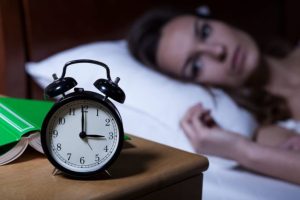
Insomnia is a condition that makes it very difficult for a person to fall asleep and stay asleep throughout the night. Insomnia can be caused by medical conditions such as hyperthyroidism, or for psychological reasons such as anxiety, depression or intrusive thoughts. In addition to these possibilities, the type of lifestyle an individual chooses to live can also be responsible for creating symptoms of insomnia. There are a few things that people who experience insomnia tend to do that may be worsening their symptoms without them even knowing. Some examples of these lifestyle habits include:

  1. Taking Mid-Day Naps
  • Whether it is short or long, sleeping in the middle of the day can increase a person’s chances of having difficulty sleeping through the night. If you can, try to avoid taking naps all together.
  1. Sleeping In Late
  • When a person is lacking sleep, it isn’t uncommon for them to attempt to fix the problem by sleeping in later the next morning to make up for their “lost hours.” However, by doing so, you are confusing your body clock which then makes it difficult to fall asleep at a regular time again the following night. This can quickly create a vicious cycle that is even harder to break.
  1. Taking Your Work Home With You
  • Regardless of what your occupation is, almost everybody has hectic daily schedules. When people are feeling behind on their work, they often decide to put in a little “over-time” by bringing their work home with them. By doing this, you make the process of “winding down” at night harder as your mind is kept wide awake and pre-occupied when it shouldn’t be.
  1. Using Electronics
  • Especially in today’s generation, it is extremely common for people to use their phones or laptops while lying in bed right before they intend to fall sleep. The problem with this, however, is that bright screens like those on our electronics actually stimulate the brain more and cause you to stay awake. This then makes it more difficult to fall asleep for the night.
  1. Working Irregular Hours
  • If you have a job that has you on various different “shifts,” sleeping may become a problem for you. If a person doesn’t stay on a regimented time schedule, their body clock cannot decipher when it should be waking up to take on a new day or winding down to get ready for bed.


If you have already tried reversing these lifestyle habits and still regularly experience symptoms of insomnia, the licensed psychologists, psychiatrists, psychiatric nurse practitioners, and psychotherapists at Arista Counseling & Psychotherapy can help you. Contact our Paramus, NJ or Manhattan, NY offices respectively, at (201)-368-3700 or (212)-722-1920 to set up an appointment. For more information, visit us at https://www.counselingpsychotherapynjny.com/.


Anxiety: Social Anxiety Disorder

By: Charleene Polanco

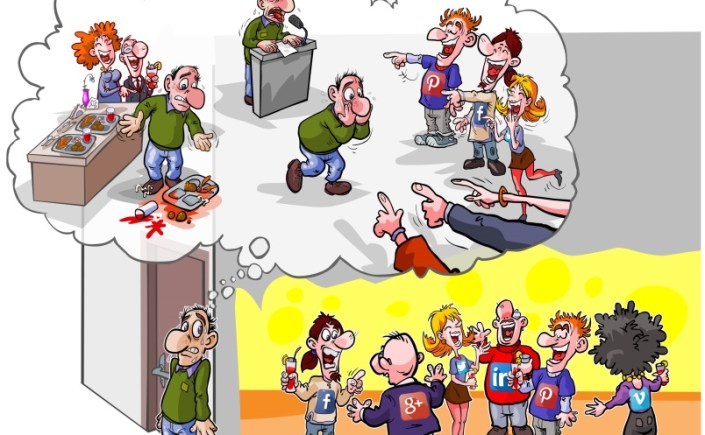
Social anxiety disorder is characterized by an intense fear of being rejected by people. Many people feel some level of anxiety when they are placed into unknown social situations. However, those suffering from social anxiety disorder may avoid socializing altogether, because they cannot handle being judged or seen in a negative way by others. A person with social anxiety disorder, can experience anxiety during many different situations like; going on a date, eating in front of people, making eye contact, public speaking, or going to parties. Some of the symptoms of social anxiety include:

  • Rapid heartbeat
  • Uneasy stomach/diarrhea
  • Muscle tension
  • Lightheadedness
  • Sweating

Social anxiety can cripple a person’s life, because normal everyday interactions are triggers of anxiety and discomfort. This is why many people who suffer from social anxiety disorder choose to isolate themselves from everyone. In order to reduce the fear of rejection, people with social anxiety disorder are encouraged to be exposed to social situations, not run away from them. Although being around others is what brings them distress, socializing is also what allows people with social anxiety to change the way they think about social engagements. Instead of having negative perceptions about the way people view them, the more they socialize and are accepted by others, the more socially anxious people see that those perceptions are not true.

If you or someone you know is suffering from social anxiety, please contact our psychotherapy offices in New York or New Jersey to talk to one of our licensed professional psychologists, psychiatrists, psychiatric nurse practitioners, or psychotherapists at Arista Counseling & Psychotherapy. Contact our Paramus, NJ or Manhattan, NY offices respectively, at (201) 368-3700 or (212) 722-1920 to set up an appointment. For more information, please visit http://www.counselingpsychotherapynjny.com/.

Sources:

Anxiety and Depression Association of America. (2018). Social Anxiety Disorder. Retrieved October 01, 2018, from https://adaa.org/understanding-anxiety/social-anxiety-disorder

Nordqvist, C. (2018, February 05). What’s to Know About Social Anxiety Disorder? Retrieved October 01, 2018, from https://www.medicalnewstoday.com/articles/176891.php

WebMD. (2018). What Is Social Anxiety Disorder? Retrieved October 01, 2018, from https://www.webmd.com/anxiety-panic/guide/mental-health-social-anxiety-disorder#1


Antisocial Personality Disorder

By: Estephani Diaz

Antisocial Personality Disorder is defined as a long term pattern of having no care for others, manipulating people and violating people’s rights. People with Antisocial Personality Disorder have a strong, intense concern for themselves and no one else. Less than 3.5% of the population are diagnosed with this personality disorder. In fact, males are 70% more likely to be diagnosed with APD than females. Although the disorder is rare, it can lead to consequences, death and harm for others.

People with Antisocial Personality Disorder are often referred to as psychopaths or sociopaths. They show symptoms such as:

  • Failure to conform to social norms
  • Deceitfulness
  • Impulsivity
  • Irritability and aggressiveness
  • Reckless disregard
  • Consistent irresponsibility
  • Lack of remorse

APD can begin at a young age, however, it cannot be diagnosed in those younger than 18. As one gets older, it has been reported that symptoms decrease with age. Some of the most common symptoms for those with Antisocial Personality Disorder are:

  • Substance abuse
  • Homicide/suicide
  • Prison
  • Gang membership
  • Low socio/economic status
  • Other symptoms include: depression and anxiety

If you or someone you know is struggling with Antisocial Personality Disorder, please contact our psychotherapy offices in New York or New Jersey to talk to one of our licensed professional psychologists, psychiatrists, psychiatric nurse practitioners, or psychotherapists at Arista Counseling & Psychotherapy. Contact our Paramus, NJ or Manhattan, NY offices respectively, at (201) 368-3700 or (212) 722-1920 to set up an appointment. For more information, please visit http://www.counselingpsychotherapynjny.com/.

What is Trichotillomania?

By Stephanie Osuba

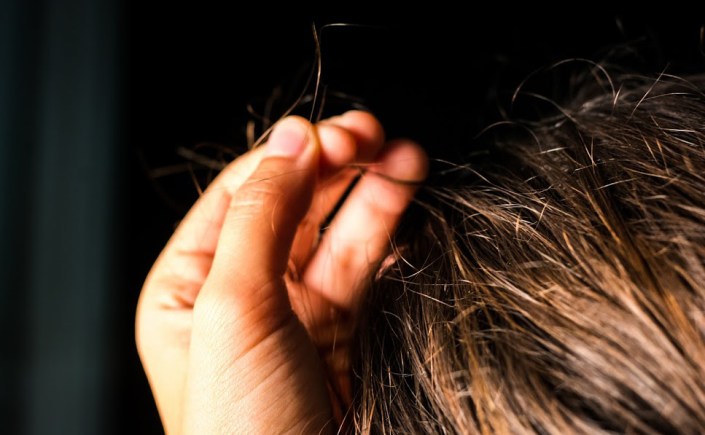
Trichotillomania is a hair pulling disorder categorized in the Obsessive Compulsive and Related Disorders section in the DSM-5. It is one of the other Body Focused Repetitive Behaviors (BFRBs) – along with excoriation (skin picking) and onychophagia (nail biting) – in which the individual will pull, pick or bite at various parts of the body resulting in damage.  Symptoms include recurring hair pulling, hair loss, and related stress and impairment because of the behavior. The disorder is not considered self-mutilation like cutting or burning because the behavior is not intentional and research suggests that there is no connection between the disorder and unresolved trauma. Often people are ashamed of the behavior and their resulting appearance because of it and try their hardest to stop. Comorbidities include, tic disorders, mood disorders, and anxiety disorders, although, trichotillomania can also occur in the absence of any other psychopathology.  The regular age of onset is between the ages of 11 and 13, however, baby trichotillomania is a rare phenomenon that seems to go away as the child grows older. Research also suggests that the disorder is primarily genetic as it appears in the first relatives of people with trichotillomania than it does in the general population.

Available treatments include cognitive behavioral therapy (CBT) and habit reversal training (HRT) with adjunctive dialectal behavioral therapy (DBT) and acceptance and commitment therapy (ACT). These therapies help the person to be aware of the pattern of the behavior and helps to identify triggers to pulling. It also teaches methods to redirect that urge to pull into a new healthy pattern of behavior in order to reduce or eliminate the urge. While there is no FDA-approved medication specifically for BFRBs, research is being conducted. OCD medication such as selective serotonin reuptake inhibitors (SSRIs) and anafranil can help alleviate symptoms as well.

Sources: Deibler, M. W., Psy. D. (n.d.). Trichotillomania (TTM) and related Body-Focused Repetitive Behaviors (BFRBs). Retrieved from http://www.thecenterforemotionalhealth.com/trichotillomania-and-related-disorders

Zwolinski, R., LMHC. (2013, October 03). Cause And Treatment Of Trichotillomania. Retrieved from https://blogs.psychcentral.com/therapy-soup/2012/04/cause-and-treatment-of-trichotillomania/

If you or someone you know appears to be suffering from trichotillomania, the licensed psychologists, psychiatrists, psychiatric nurse practitioners, and psychotherapists at Arista Counseling & Psychotherapy can assist you. Contact our Paramus, NJ or Manhattan, NY offices respectively, at (201) 368-3700 or (212) 722-1920 to set up an appointment. For more information, visit http://www.counselingpsychotherapynjny.com/.

Psychopaths and Sociopaths

By Stephanie Osuba

People often tend to use the terms psychopath and sociopath interchangeably while both disorders are listed under the category of antisocial personality disorders in the DSM-5, there are some distinctions. Shared traits between the two include: a disregard for the law, morality, and human rights; not feeling any remorse; and having violent tendencies.

The first major distinction is that psychopaths are born, while sociopaths are made. Psychopaths are a product of genetics and, from research, they have a physiological defect that leads to an underdevelopment of the part of the brain responsible for impulse control and emotion (the amygdala). Sociopaths, on the other hand, are a result of a history of repeated childhood trauma and physical or emotional abuse. Because of this distinction, sociopaths are capable of forming attachments and feeling empathy in very restricted situations. They are more emotional in that they are nervous and easily agitated. They are prone to emotional outbursts and exhibit fits of rage. Crimes committed by sociopaths are often spontaneous, messy, and unorganized.

Psychopaths are exceptionally dangerous. They are completely incapable of forming attachments to anything and have absolutely no remorse for the things they do. They simply do not feel. Psychopaths are excellent manipulators who mimic emotion to get people to trust them. They are often very successful, smart, and charismatic which leads others to believe that they are normal. Some psychopaths even have families and other long-term relationships with people who are unaware of their diagnosis. Crimes committed by psychopaths are meticulous, premeditated, and often have a contingency in place. Even the violent ones. Psychopaths make up at least 40% of all serial killers.

Source: Bonn, S. A., Ph. D. (2014, January 22). How to Tell a Sociopath from a Psychopath. Retrieved from https://www.psychologytoday.com/us/blog/wicked-deeds/201401/how-tell-sociopath-psychopath 

If you or someone you know appears to be exhibiting signs of psychopathy or sociopathy, the licensed psychologists, psychiatrists, psychiatric nurse practitioners, and psychotherapists at Arista Counseling & Psychotherapy can assist you. Contact our Paramus, NJ or Manhattan, NY offices respectively, at (201) 368-3700 or (212) 722-1920 to set up an appointment. For more information, visit http://www.counselingpsychotherapynjny.com/.